Evidence-based advice and support for every stage, from pregnancy to toddlerhood.
Showing 24 of 949 articles, page 39 of 40
Most babies can sleep through the night (6–8 hours) by 4–6 months of age, though there is wide variation.
Most children transition from crib to toddler bed between 18 months and 3.5 years. Learn the signs of readiness, how to make the move safely
Learn when babies can eat avocado, the nutritional benefits, how to prepare it for BLW and puree feeding, plus safety tips from AAP and WHO guidelines.
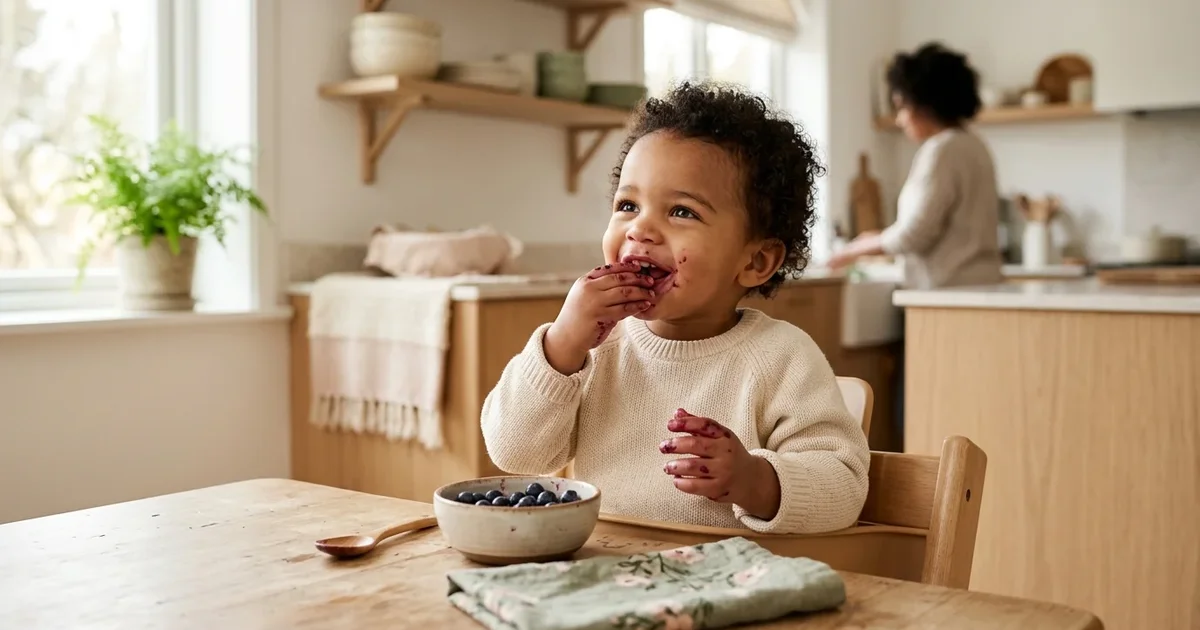
Learn when babies can eat blueberries, how to serve them safely at different ages, choking prevention tips
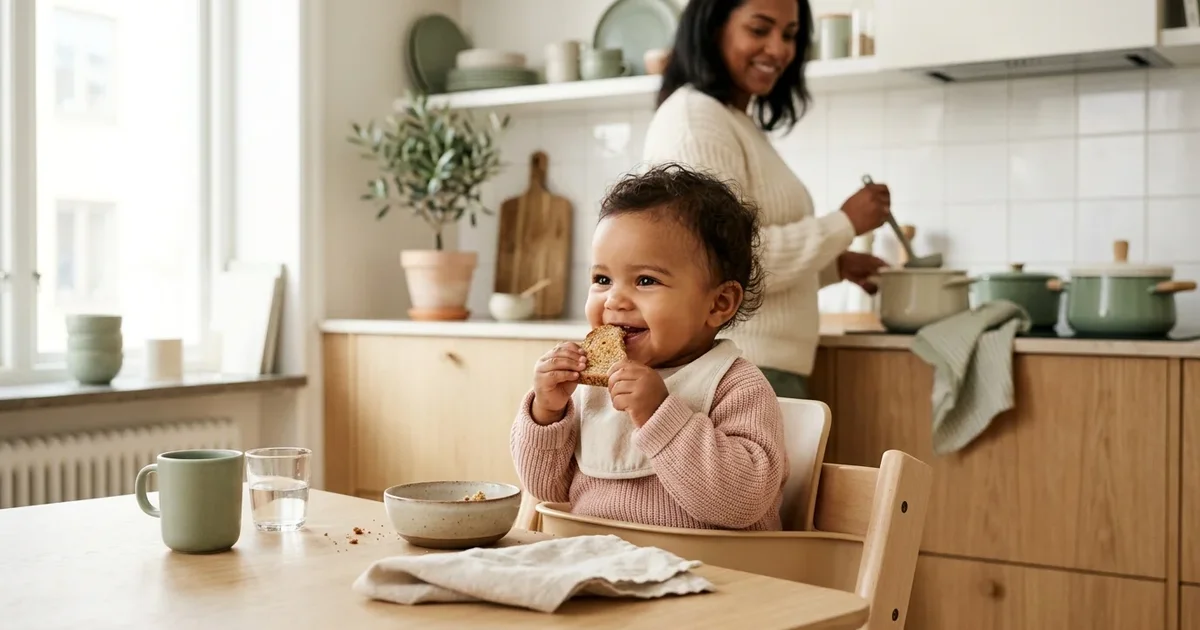
Find out when babies can eat bread, which types are best, how to serve bread at different ages, and gluten allergy info based on AAP and WHO guidelines.
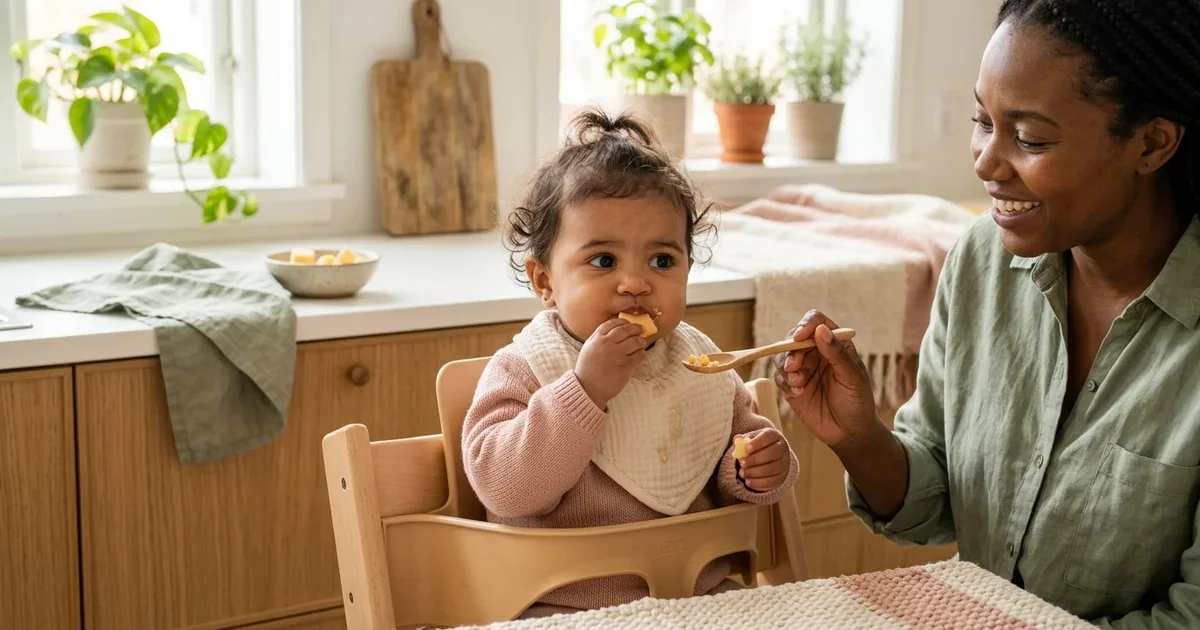
Find out when babies can eat cheese, which types are safe, how to serve cheese at different ages, and dairy allergy info based on AAP and NHS guidelines.
Learn when babies can eat fish, which types are safest, mercury concerns, allergy guidance, and how to prepare fish for different ages.
Learn when babies can eat meat, the best types to start with, how to prepare meat for different ages, and why iron-rich meat is recommended by AAP and WHO.
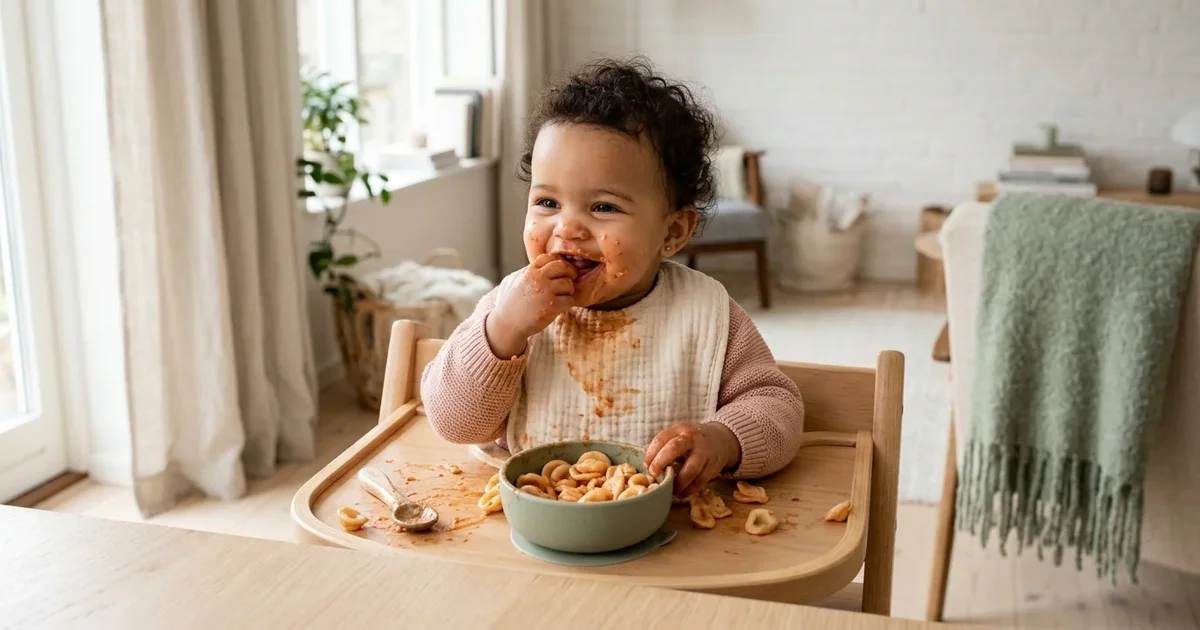
Babies can eat pasta and spaghetti from about 6 months. Best shapes, how soft to cook it, no salt, choking safety, and wheat allergy advice from the AAP.
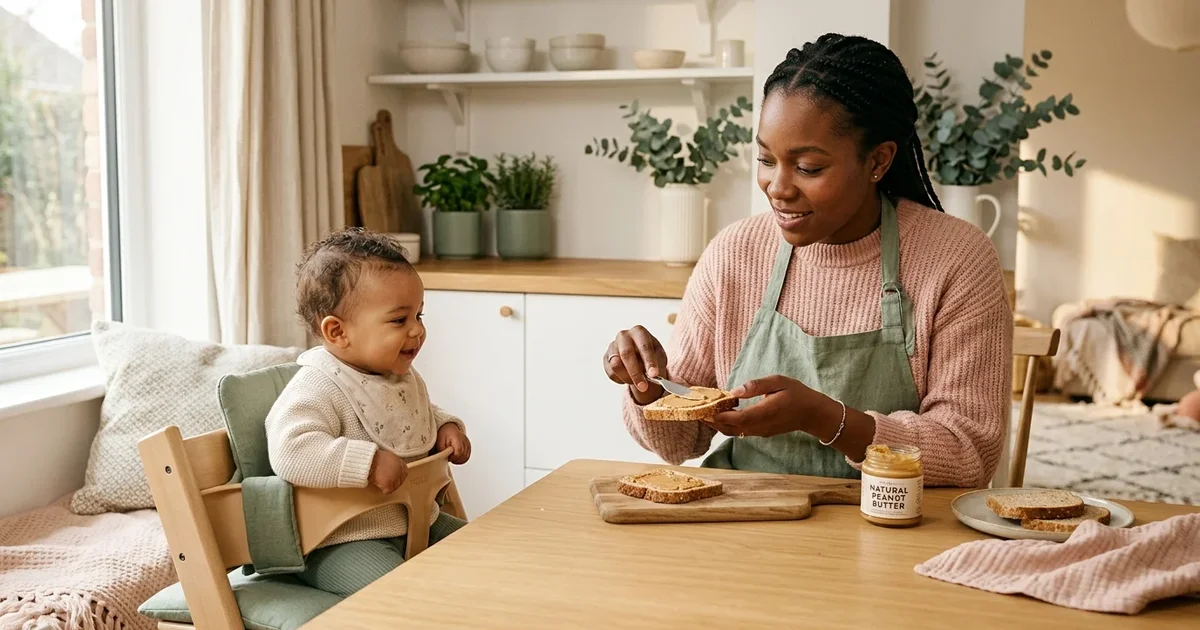
Find out when babies can have peanut butter, how to introduce it safely, allergy prevention guidelines from AAP, and age-appropriate serving tips.
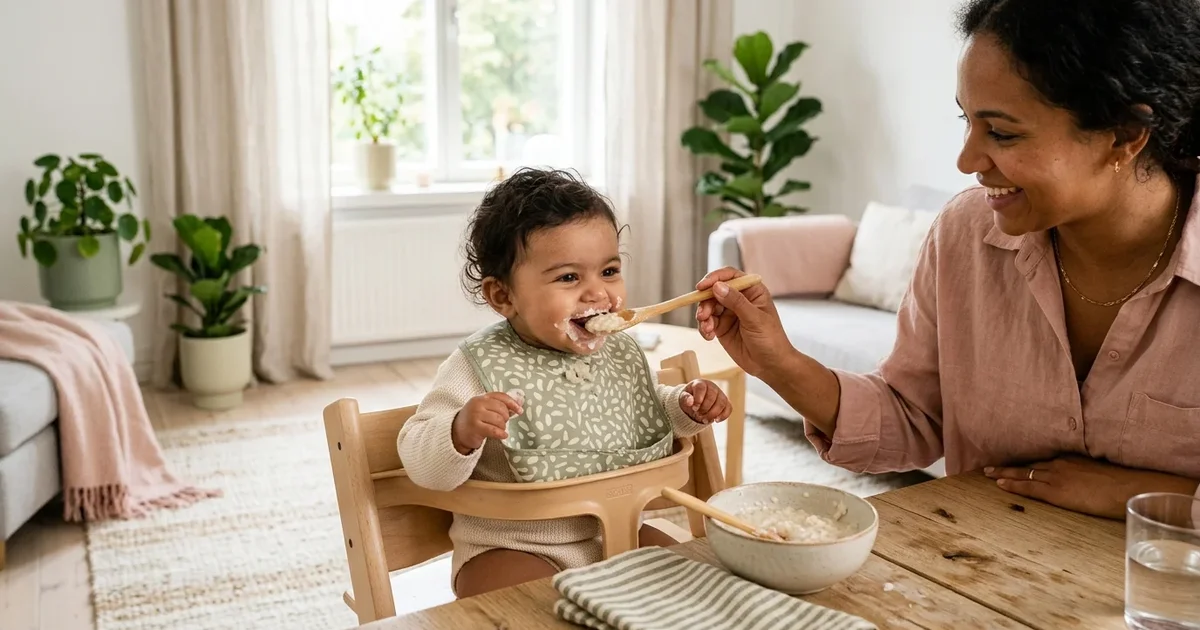
Learn when babies can eat rice, arsenic concerns, how to prepare rice safely for different ages, and what the AAP and WHO recommend about rice for infants.
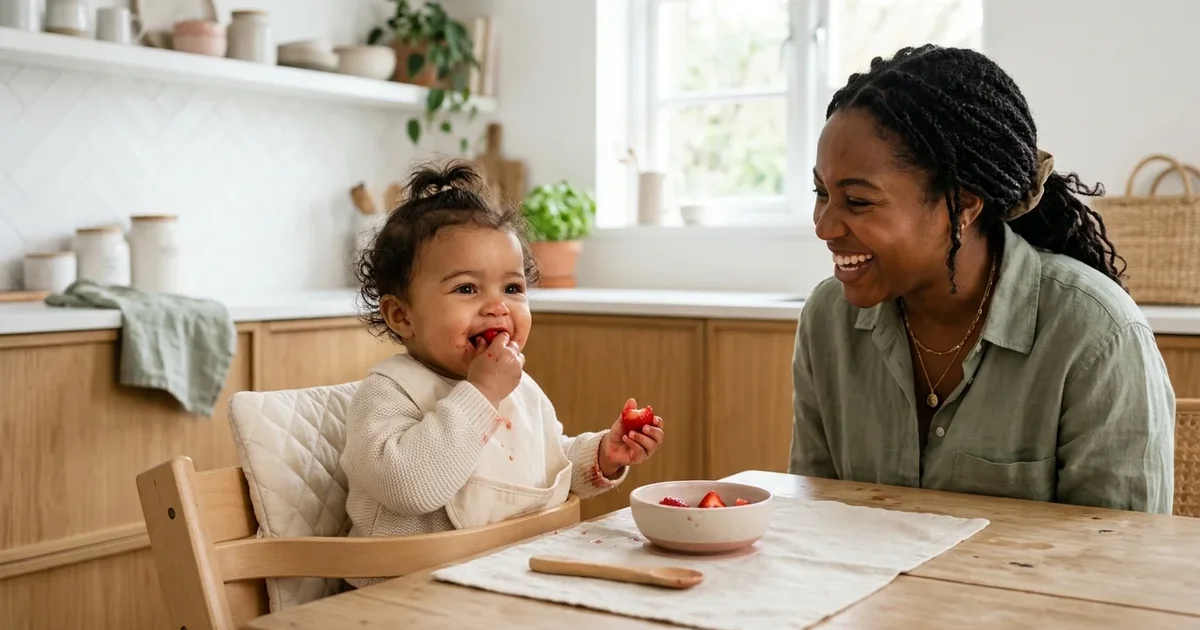
Learn when babies can eat strawberries, how to cut them safely, nutritional benefits, allergy info
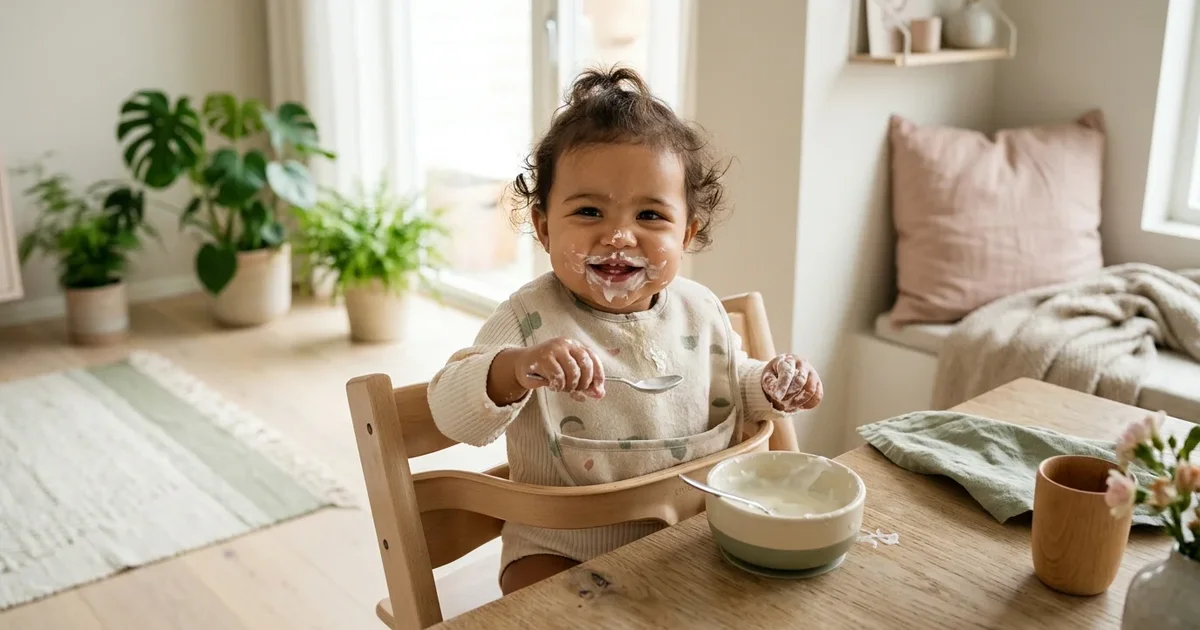
Find out when babies can eat yogurt, which types are best, how to serve it at different ages, and dairy allergy guidance from AAP and WHO.
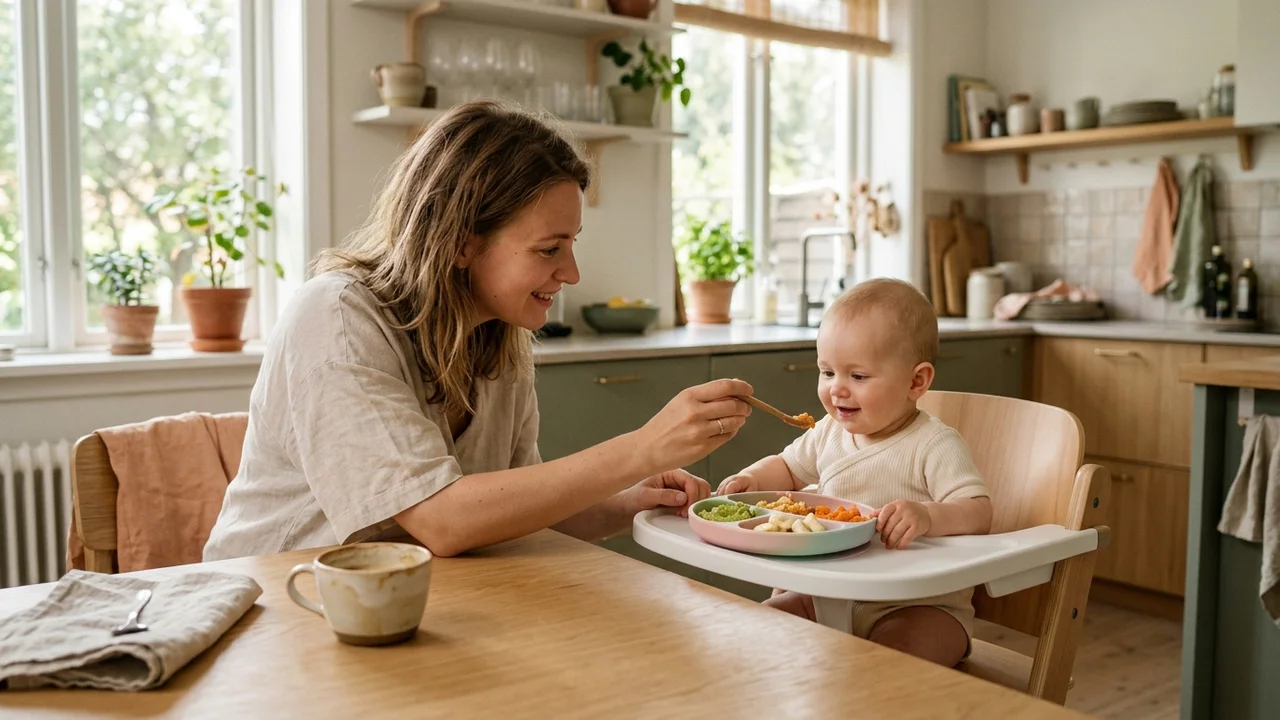
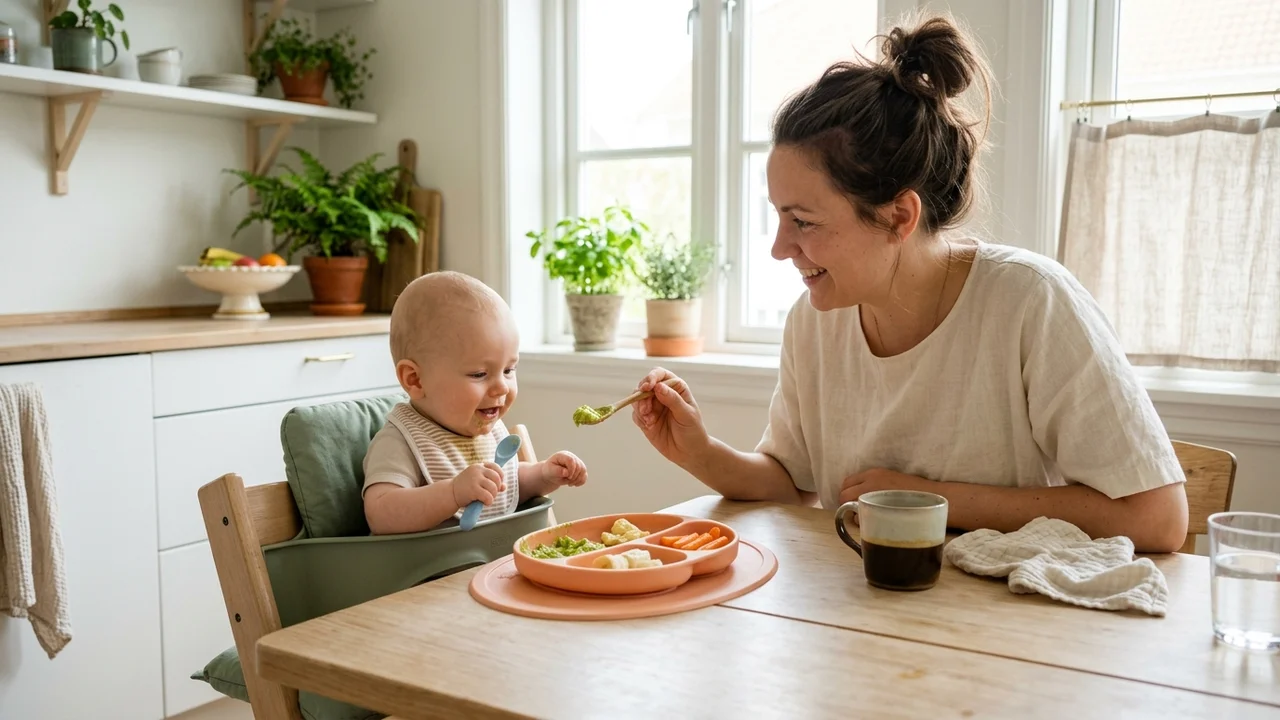
Learn when and how to introduce solid foods to your baby. Evidence-based guidance on readiness signs, first foods, allergen introduction
Does white noise help babies sleep? Learn about white noise, pink noise and nature sounds, safe volume levels
Learn when your baby is ready for solid foods, what signs to look for, and which first foods are safest. Evidence-based guide for parents.
Babies can eat eggs from around 6 months when starting solids. Current AAP guidelines actually recommend introducing eggs early to prevent egg allergy.
Babies under 12 months must never eat honey due to the risk of infant botulism, a potentially fatal illness. After 12 months, honey is safe.
Babies at high risk of peanut allergy should be introduced to peanut products as early as 4–6 months. Low-risk babies can start at 6 months.
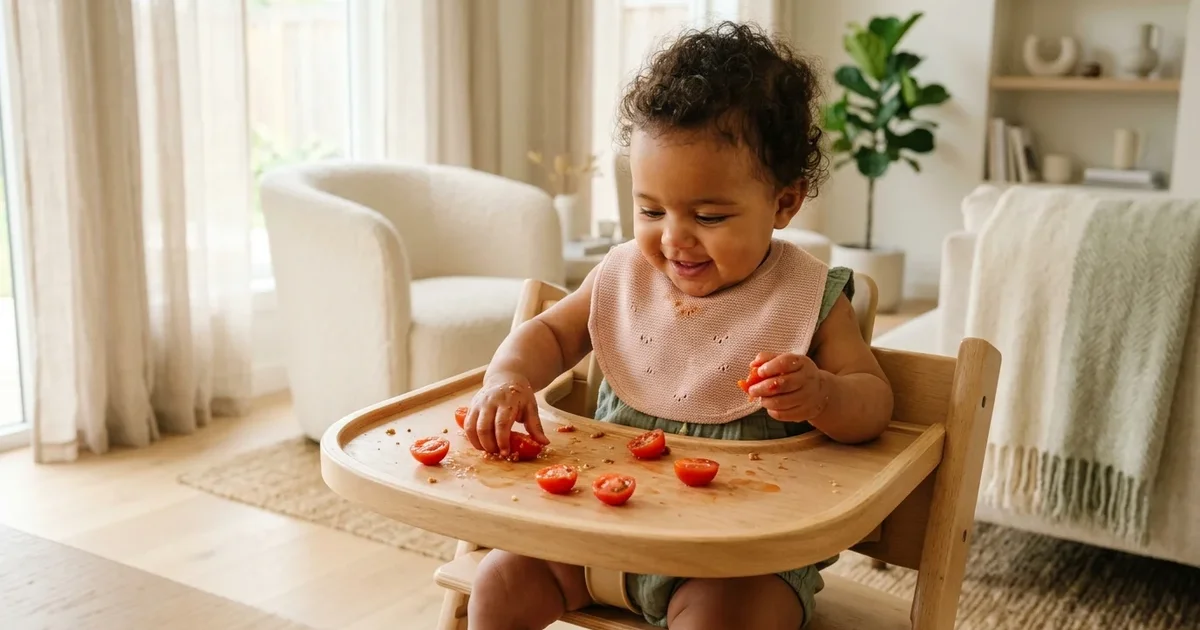
Find out when babies can eat tomatoes, how acidity affects them, preparation tips for different ages
Babies are ready to start solid foods at around 6 months of age. Here are the signs of readiness, what to introduce first, and what to avoid.
Babies under 6 months should not drink water. After 6 months, small amounts of water are safe when solids begin. Here's exactly how much and when.
A complete guide to your baby's 10 developmental leaps, what they are, when they happen, what your baby is learning
Guide to winter boots for babies and children. Waterproof, warm, and with good grip. Find the best winter boots for your child.