Evidence-based advice and support for every stage, from pregnancy to toddlerhood.
Showing 24 of 922 articles, page 37 of 39
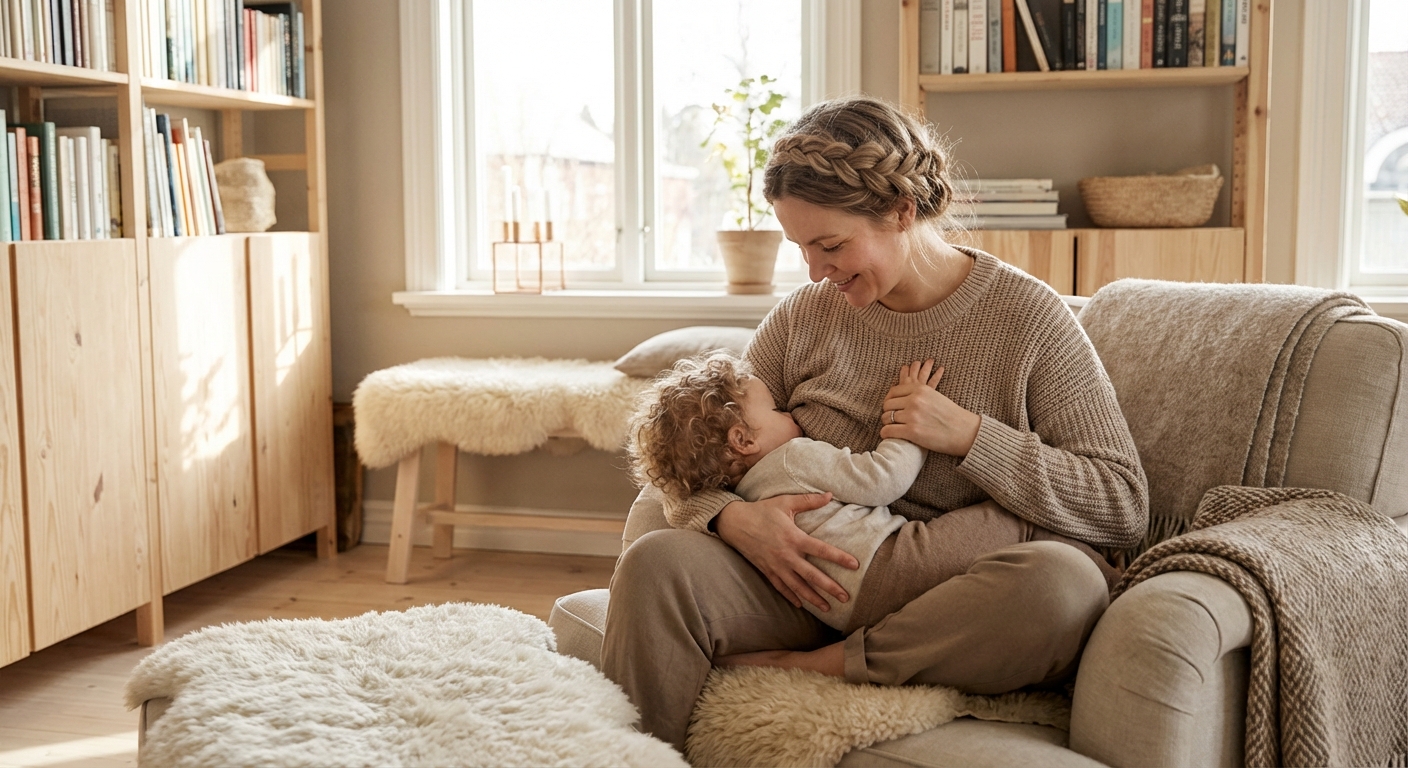
Ready to stop breastfeeding? Learn how to wean gradually without engorgement, what to replace breast milk with at different ages
What do contractions actually feel like? Read about the physical sensations, what to expect in each phase of labor, and tips for pain relief at home.
Valentine's Day tips for new parents. Simple date ideas at home with a sleeping baby, no babysitter needed.
Valentine's Day with toddlers, how to reconnect as a couple. Things to do with your partner, conversation starters, and date ideas for busy parents.
Valentine's Day ideas for couples trying to conceive. Put away the fertility calendar and give yourselves an evening that's just about the two of you.
Wake windows are the maximum awake time between sleeps before a baby becomes overtired. Here are the correct wake windows from birth to 24 months.
When can you find out baby gender? Compare NIPT at 10 weeks, ultrasound timing, accuracy, limits, and at-home tests. Find the right option.
Everything you need for a winter newborn in 2026, bunting suits, car-seat-safe layering, TOG-rated sleep gear, snow-ready strollers
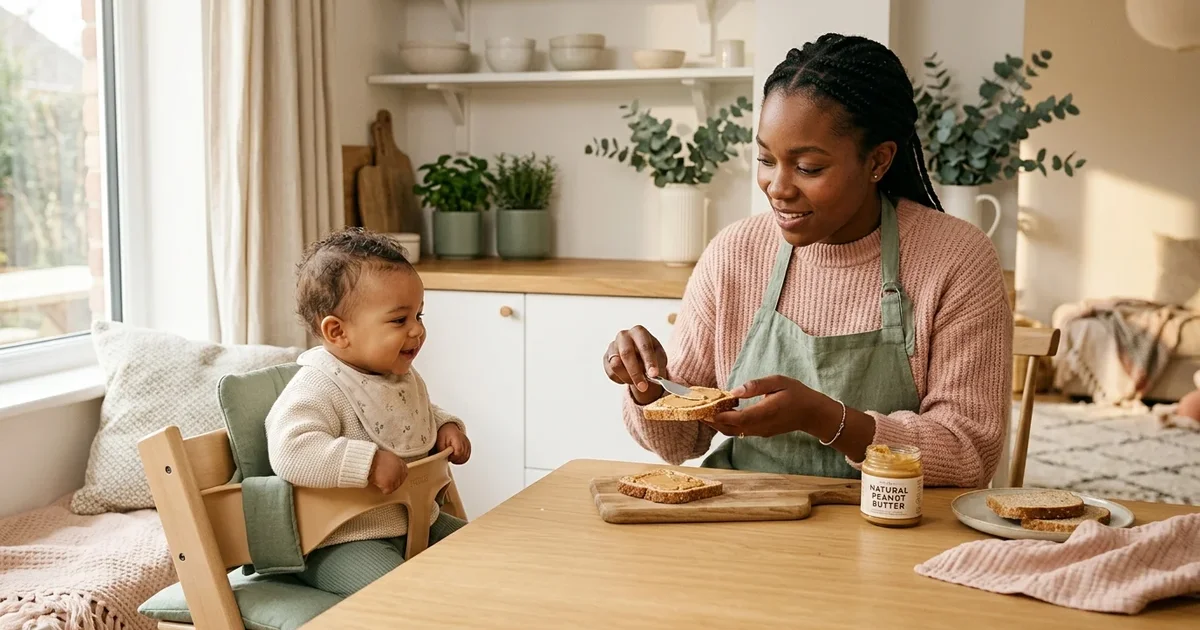
When can babies eat peanut butter? Learn the safe age, how to thin peanut butter, allergy signs, and when to ask your pediatrician.
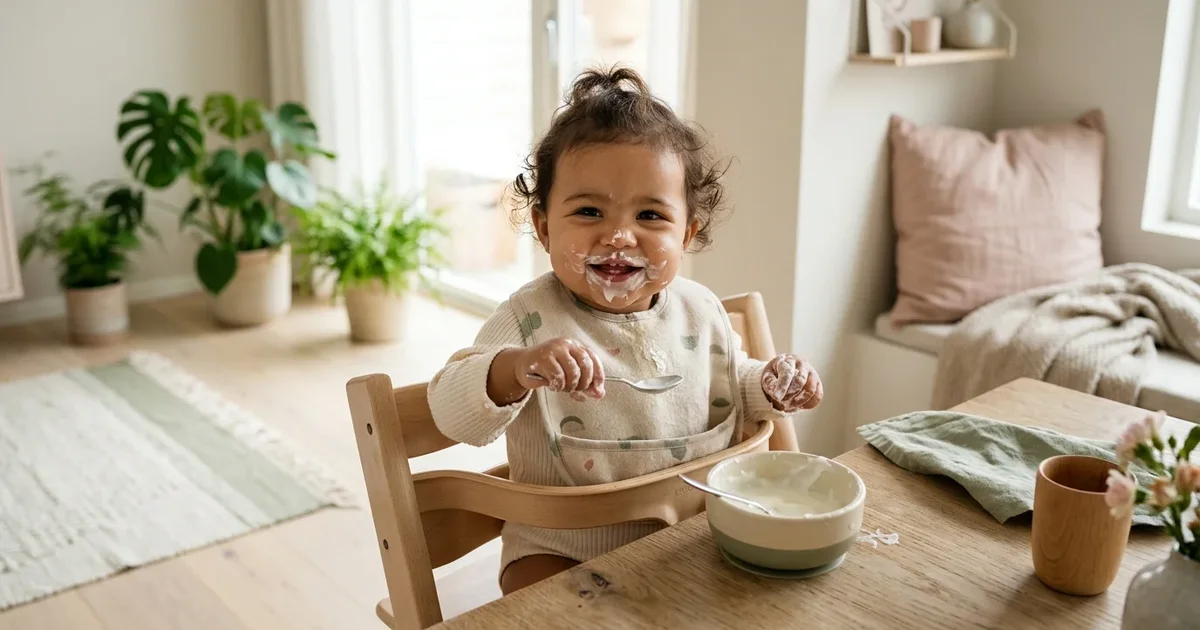
Babies can usually eat plain whole-milk yogurt once they start solids. Learn the safest age, best yogurt types, allergy signs, and how to serve it.
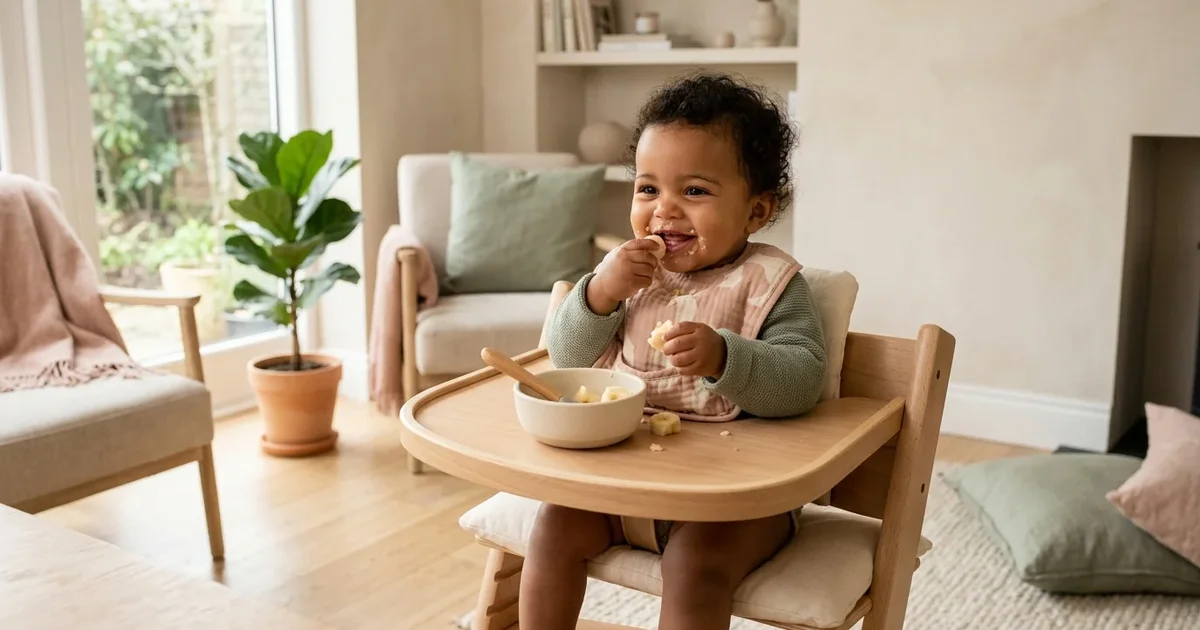
Find out when your baby can eat banana, how to prepare it for different ages, nutritional benefits
Most babies take first steps between 9–12 months, with normal range up to 18 months (AAP).
A complete hospital bag checklist for labour, birth, and postpartum recovery, including what to pack for mum, birth partner, and baby.
Babies should not drink water before 6 months of age. After 6 months, small sips of water with meals are safe.
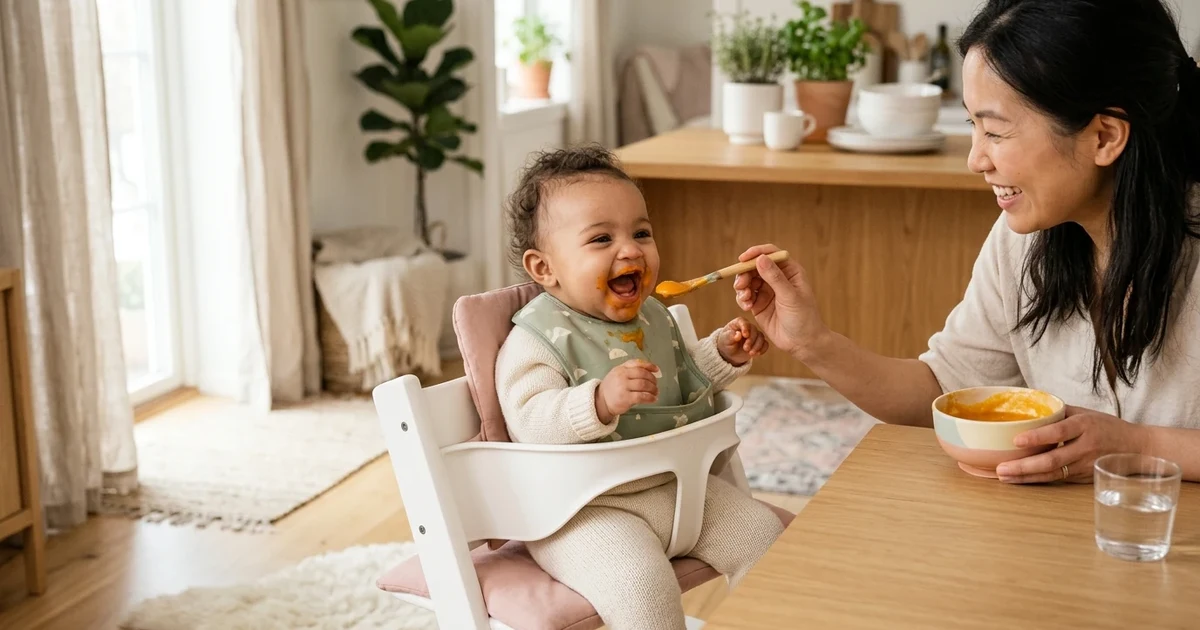
Most babies can start solid food around 6 months when they show readiness signs. Learn what to look for, first foods, allergens, and choking safety.
Most babies say their first recognisable words between 10 and 14 months. Learn what counts as a first word, how language develops
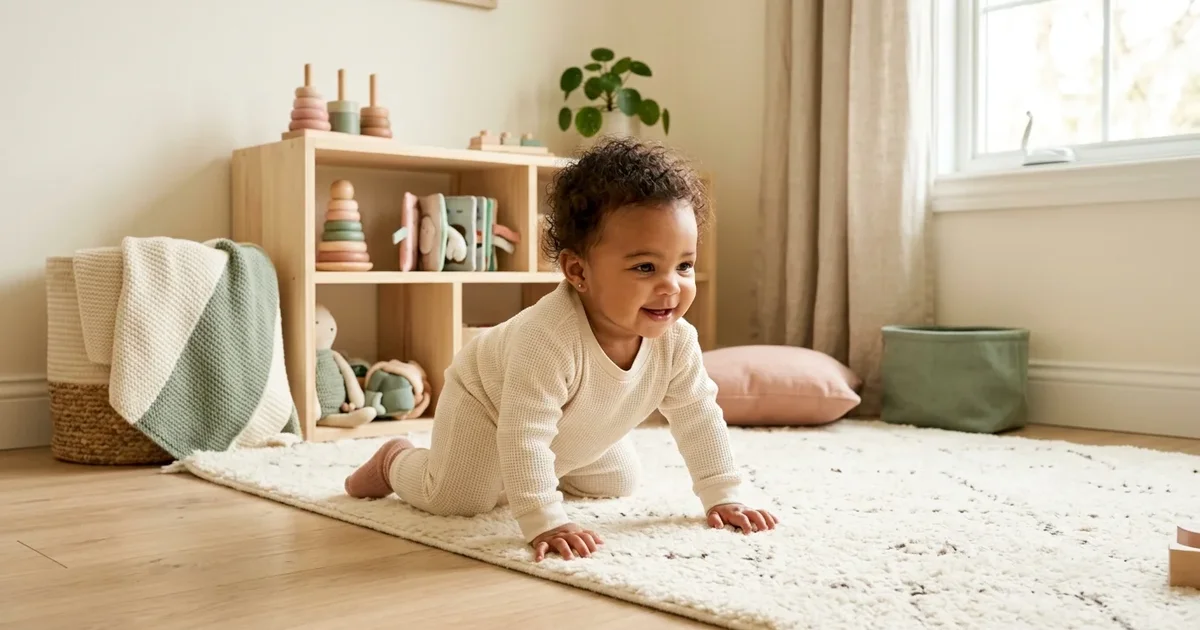
Most babies begin crawling between 7 and 10 months of age. Learn the stages of crawling, signs your baby is ready, and when to talk to your doctor.
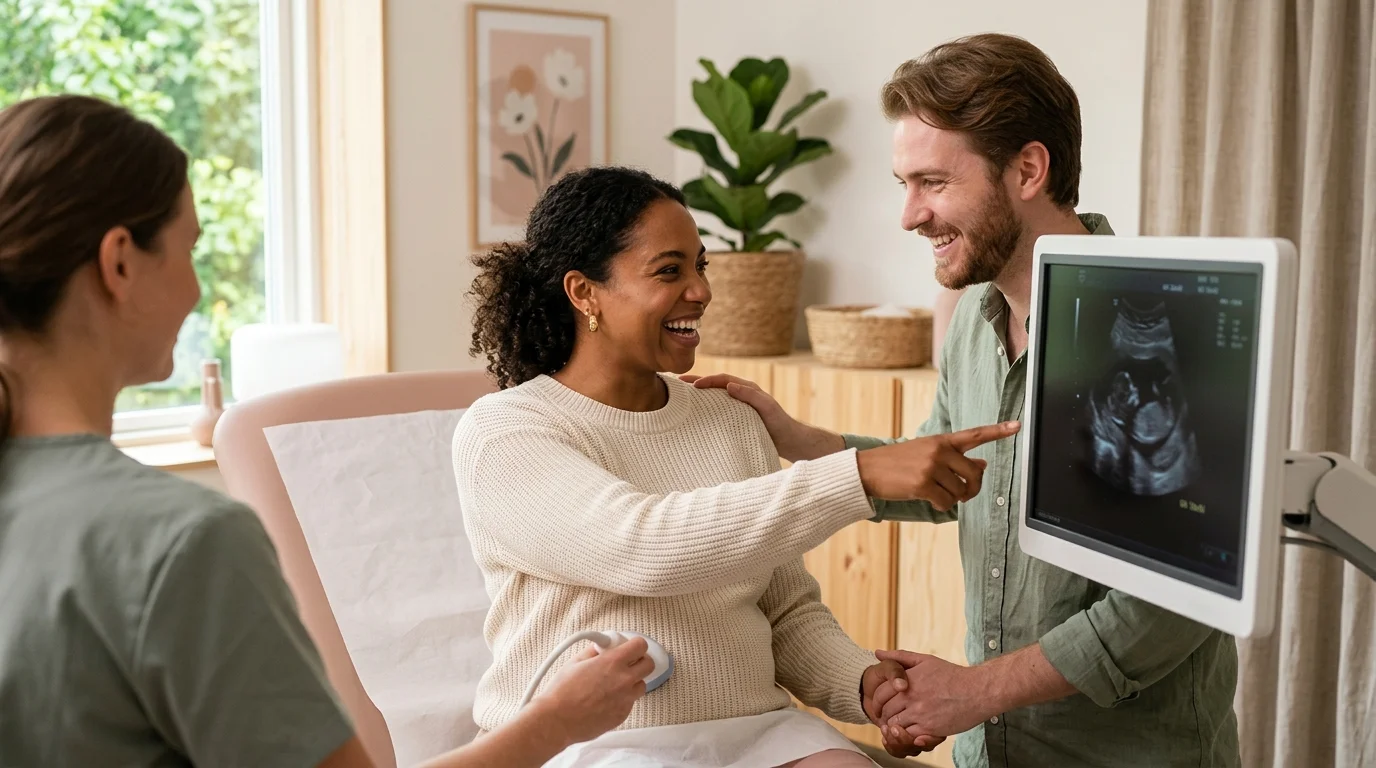
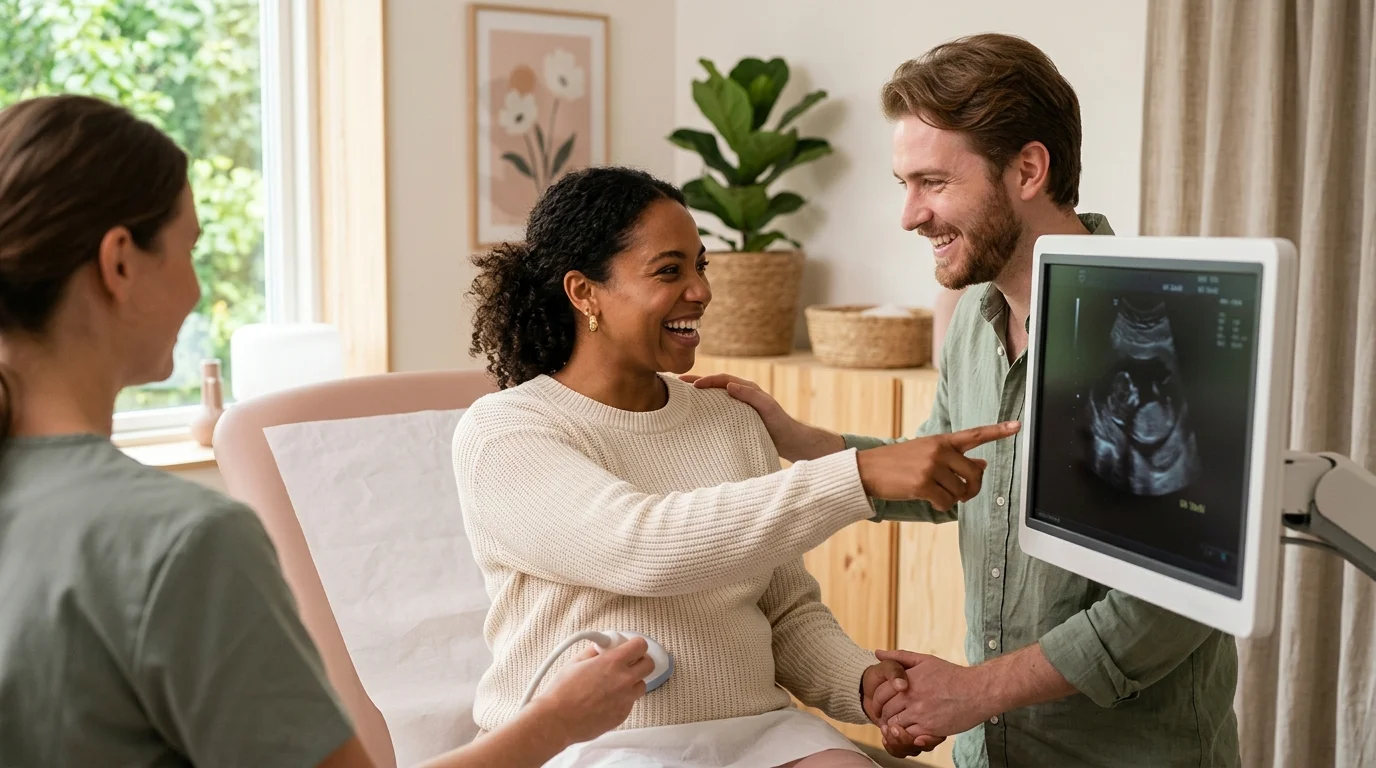
The first ultrasound (dating scan) is typically done at 8–14 weeks of pregnancy. Learn what it checks, what to expect, and what the results mean.
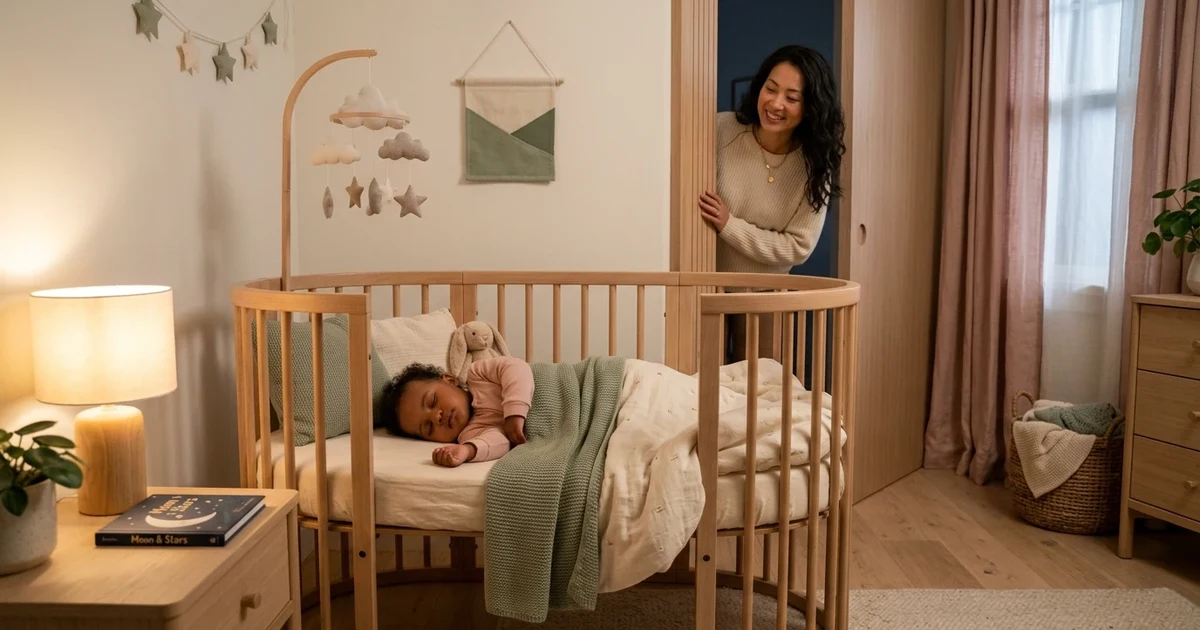
Most babies can sleep through the night (6–8 hours) by 4–6 months of age, though there is wide variation.
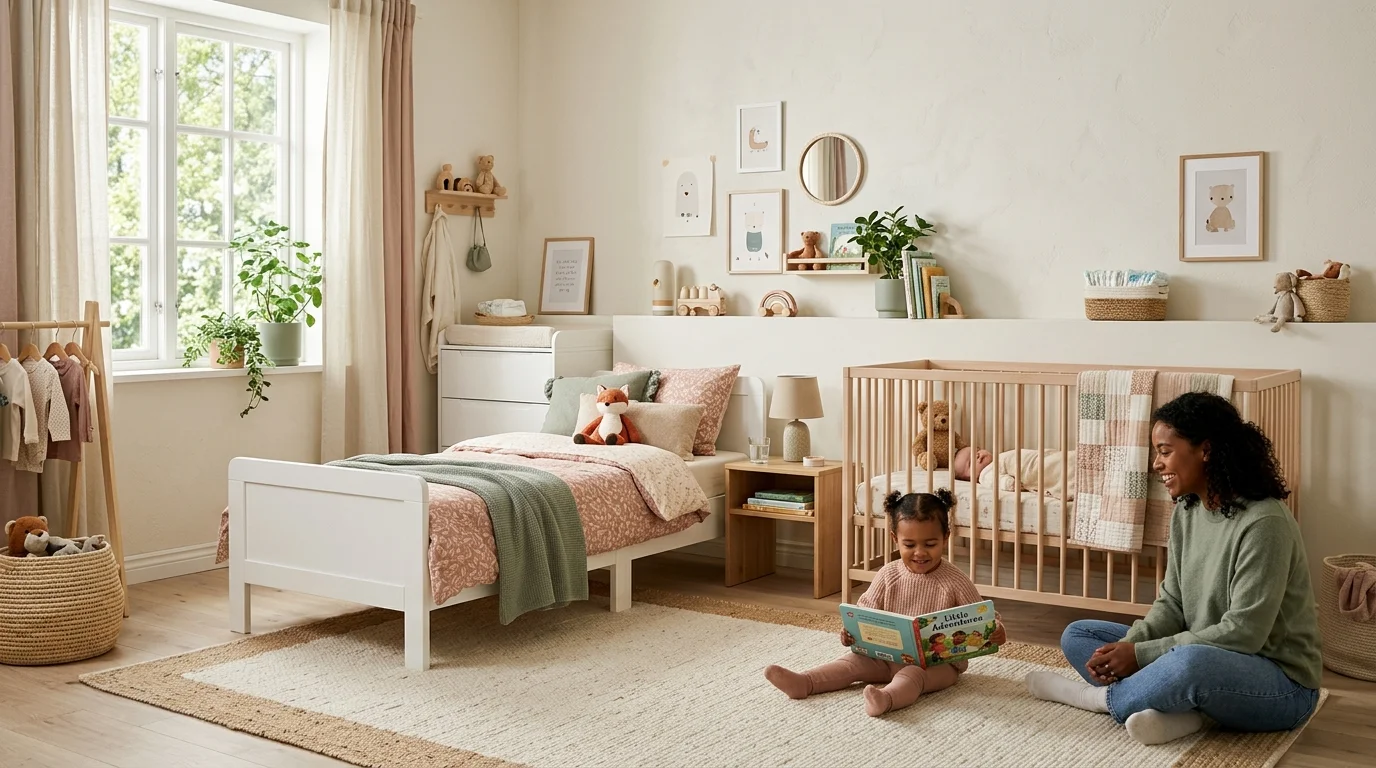
Most children transition from crib to toddler bed between 18 months and 3.5 years. Learn the signs of readiness, how to make the move safely
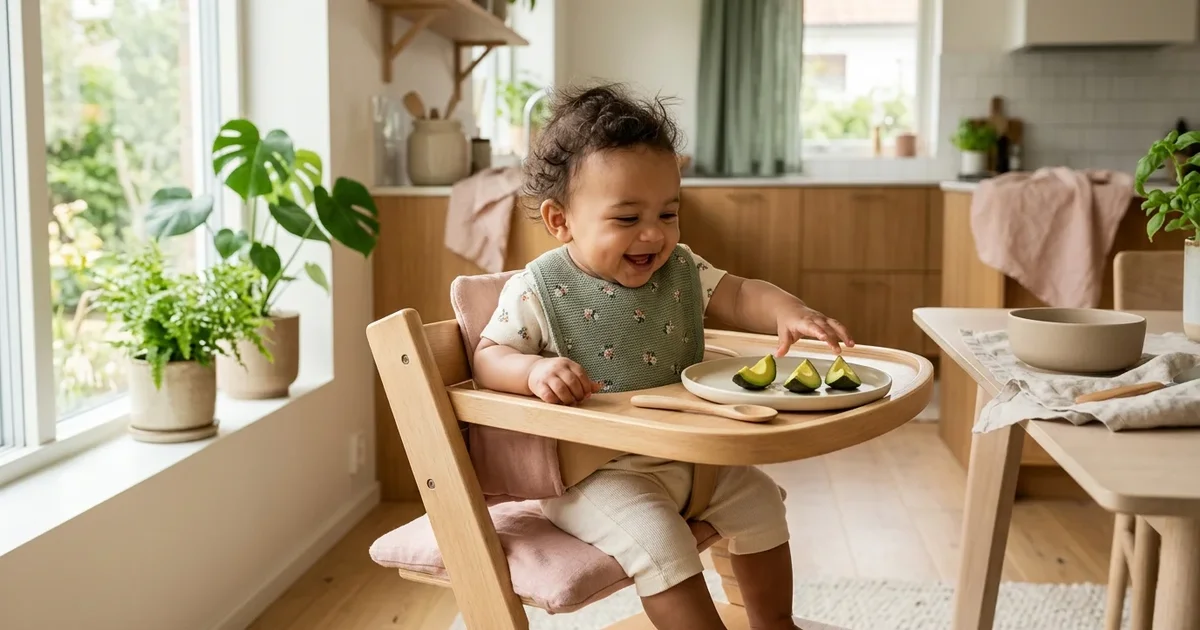
Learn when babies can eat avocado, the nutritional benefits, how to prepare it for BLW and puree feeding, plus safety tips from AAP and WHO guidelines.
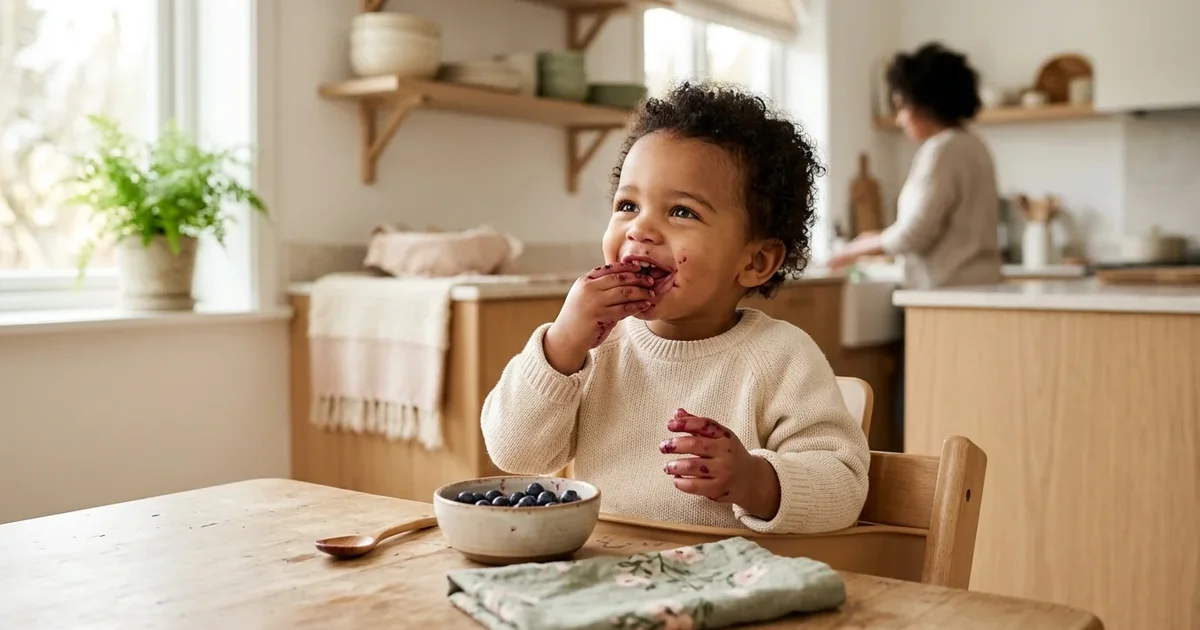
Learn when babies can eat blueberries, how to serve them safely at different ages, choking prevention tips
Find out when babies can eat bread, which types are best, how to serve bread at different ages, and gluten allergy info based on AAP and WHO guidelines.
Find out when babies can eat cheese, which types are safe, how to serve cheese at different ages, and dairy allergy info based on AAP and NHS guidelines.