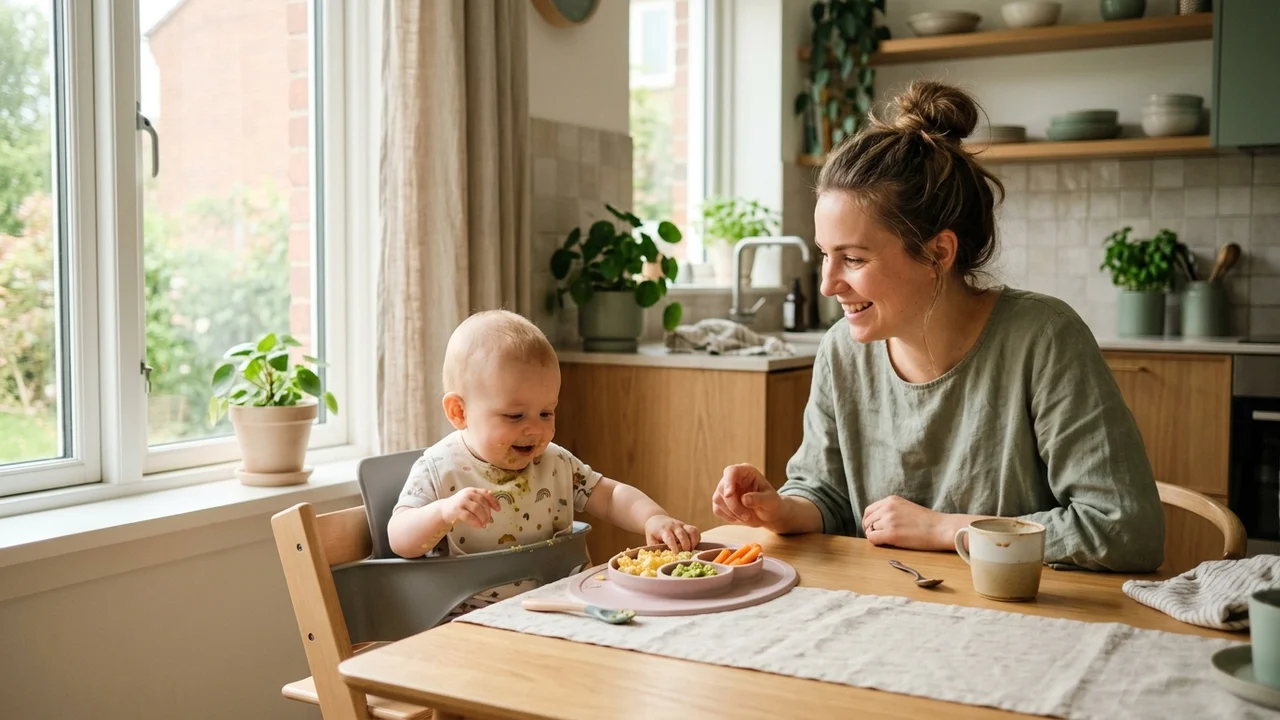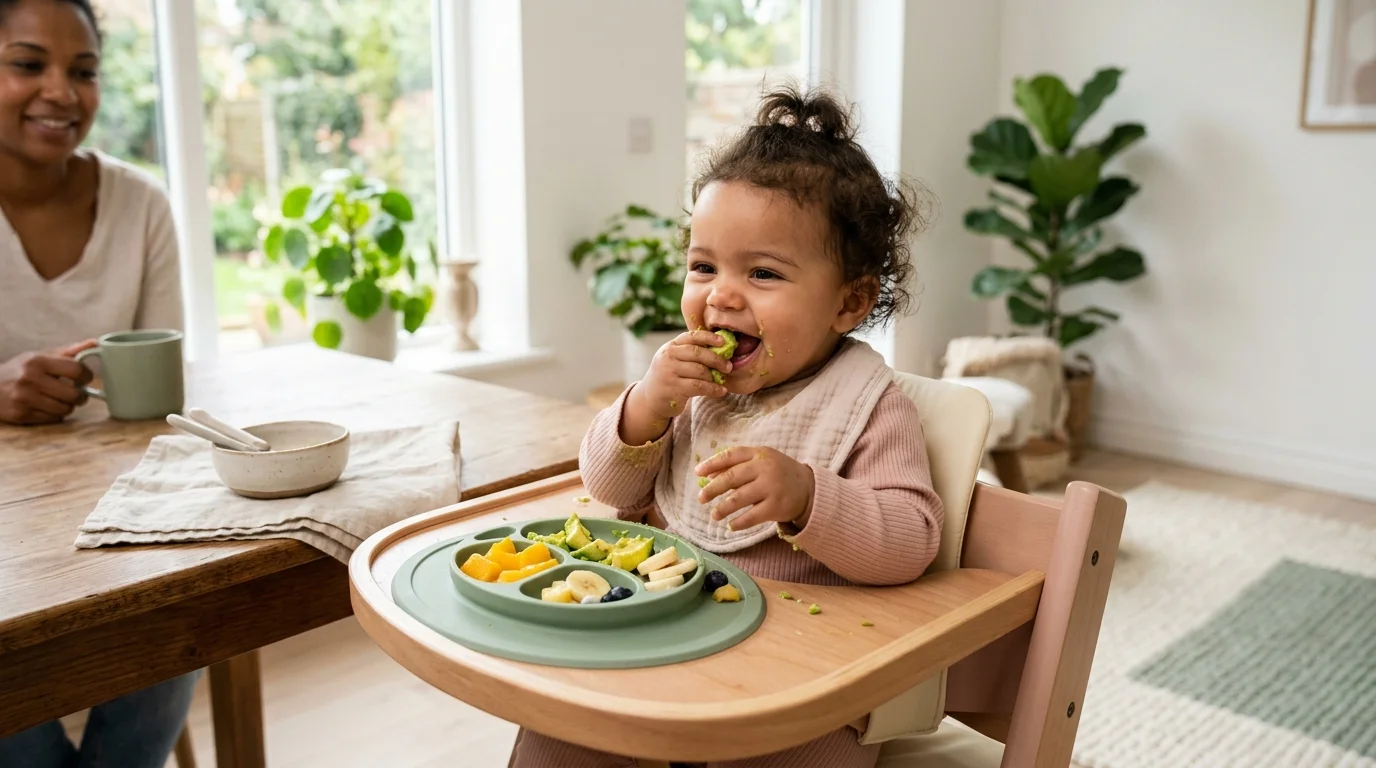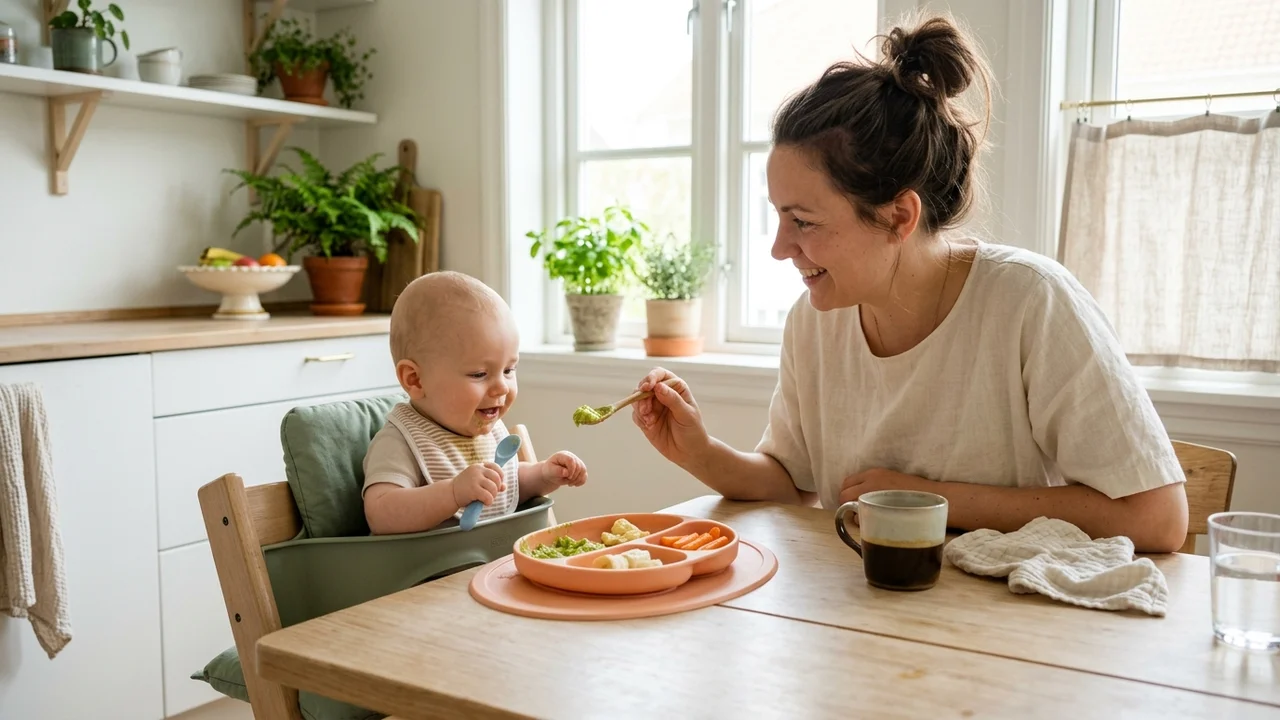
When Can Babies Start Eating Solid Food?
Babies should start solid foods at around 6 months of age, according to the World Health Organization (WHO) and the American Academy of Pediatrics (AAP). Breastfeeding or formula remains the primary nutrition source until at least 12 months.
Key Takeaways
- The WHO and AAP both recommend starting solid foods at around 6 months, not before 4 months
- Babies must show all three readiness signs: sits with support, lost tongue-thrust reflex, and shows interest in food
- Iron-rich foods (pureed meat, fortified cereal, lentils) should be prioritized as breast milk iron decreases after 6 months
- Introduce one new food every 3–5 days to identify any allergic reactions
- Common allergens (eggs, peanuts, fish) should be introduced early around 6 months per AAP guidelines, not delayed
Signs Your Baby Is Ready for Solids
Before starting solids, your baby should show ALL of these signs:
- ✅ Sits up with minimal support and good head/neck control
- ✅ Lost the tongue-thrust reflex (doesn't automatically push food out with tongue)
- ✅ Shows interest in food, watches you eat, reaches for food
- ✅ Can move food to back of mouth to swallow (not just mash and spit)
Important: Age alone is not the indicator. Wait for developmental readiness signs even if baby is 6+ months.
When NOT to Start Solids
| Age | Recommendation |
|---|---|
| Under 4 months | Never, immature digestive system, high choking risk |
| 4–5 months | Not recommended unless specifically advised by pediatrician |
| Around 6 months | ✅ Recommended start window |
| 6–7 months | Still fine, some babies are simply not ready at exactly 6 months |
What to Introduce First
Iron-Rich Foods (Priority)
Breast milk is low in iron after 6 months, prioritize:
- Iron-fortified infant cereals (oatmeal, rice)
- Pureed meat (chicken, beef, lamb)
- Mashed legumes (lentils, beans)
Good Starter Foods
- Mashed/pureed vegetables: sweet potato, pumpkin, peas, carrots
- Mashed fruits: banana, avocado, apple (cooked)
- Single-ingredient purées to identify allergies
How to Introduce New Foods Safely
- One new food every 3–5 days to monitor for allergic reactions
- Introduce common allergens early. AAP now recommends introducing peanuts, eggs, and other allergens around 6 months (not avoiding them)
- Start small, 1–2 teaspoons, increasing gradually
- Offer in the morning so you can watch for reactions during the day
Foods to Avoid Before 12 Months
- 🚫 Honey, risk of infant botulism
- 🚫 Cow's milk as main drink (dairy in cooking is fine)
- 🚫 Added salt or sugar
- 🚫 Choking hazards, whole grapes, nuts, raw carrots, large chunks
- 🚫 Unpasteurized foods
Baby-Led Weaning vs. Purées
Both approaches are safe and effective. BLW (offering soft finger foods rather than purées) is supported by research when:
- Baby is developmentally ready
- Foods are appropriately sized and soft
- You are present and supervising
🔗 Use our Food Introduction Timeline to track which foods you've introduced and when.
Sources: World Health Organization (WHO). Complementary Feeding Guidelines 2023; American Academy of Pediatrics (AAP). Solid Foods Introduction; NHS UK. Introducing Solid Foods
Frequently Asked Questions
When can babies start eating solid food?
According to WHO and AAP guidelines, babies should start solid foods at around 6 months of age, while continuing breastfeeding or formula. Starting before 4 months is not recommended, the digestive system is not ready and the tongue-thrust reflex increases choking risk.
What are the signs a baby is ready for solids?
All three signs must be present: baby sits up with minimal support and has good head control; has lost the tongue-thrust reflex (doesn't automatically push food out); and shows interest in food by watching others eat and reaching for it. Age alone is not sufficient, wait for all three readiness signs.
What foods should I introduce first to my baby?
Iron-rich foods are a priority: iron-fortified cereal, pureed meat (chicken, beef, lamb), and mashed legumes (lentils, beans). Good starter vegetables include sweet potato, pumpkin, and peas. Introduce one new food every 3–5 days to watch for reactions. The AAP recommends introducing common allergens (peanuts, eggs) early, from 6 months.
Is it safe to start solids before 6 months?
Starting solids before 4 months is not recommended under any circumstances. Between 4 and 6 months, it is not recommended unless specifically advised by a pediatrician. The digestive system is immature and the tongue-thrust reflex is still dominant, increasing choking risk. WHO and AAP both identify 6 months as the appropriate starting point.
How much solid food should I give at first?
Start with 1–2 teaspoons once daily and gradually increase over several weeks. Breast milk or formula remains the primary nutrition source until 12 months, regardless of how much solid food your baby eats. There is no rush, the goal at 6–7 months is exploration and skill development, not calorie replacement.
Sources
- AAP. Infant and toddler nutrition guidelines
- WHO. Global infant feeding recommendations
- CDC. Infant and toddler nutrition resources
🔧 Helpful Tools
- Baby Food Guide. Safe foods and introduction schedule for your baby
- Breastfeeding Tracker. Time feeds, remember the last side, and review nursing sessions
- All Baby Tools. Browse all free tools for pregnancy and baby care
📖 Related Articles
- When Can Babies Eat Eggs?. Babies can eat eggs from around 6 months when starting solids. Current AAP guidelines actually recommend introducing eggs early to prevent egg allergy.
- How to Start Baby-Led Weaning: A Complete Guide. Baby-led weaning (BLW) lets babies feed themselves soft finger foods from 6 months. Learn how to start safely, what foods to offer, and how to reduce choking risk.
- When Can Babies Drink Water?. Babies should not drink water before 6 months of age. After 6 months, small sips of water with meals are safe. Learn why early water is dangerous and how much is appropriate.