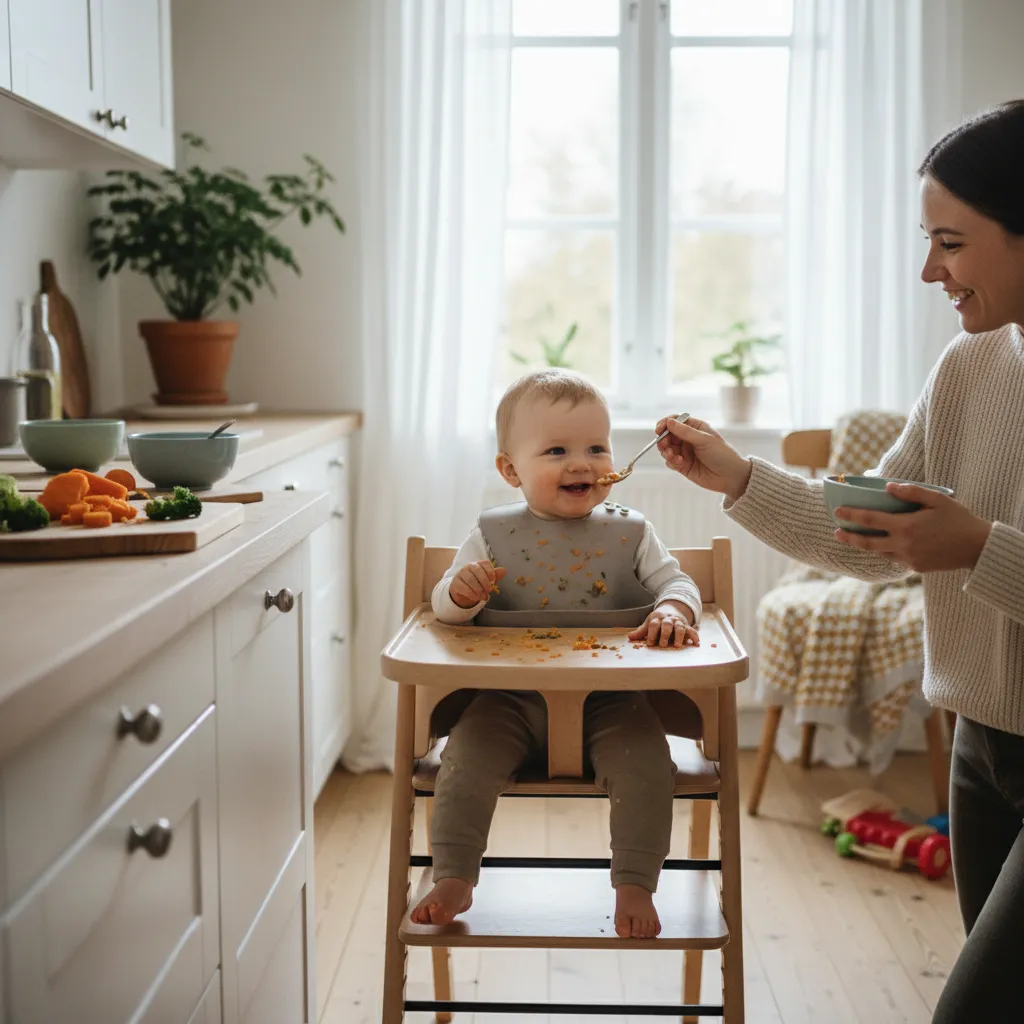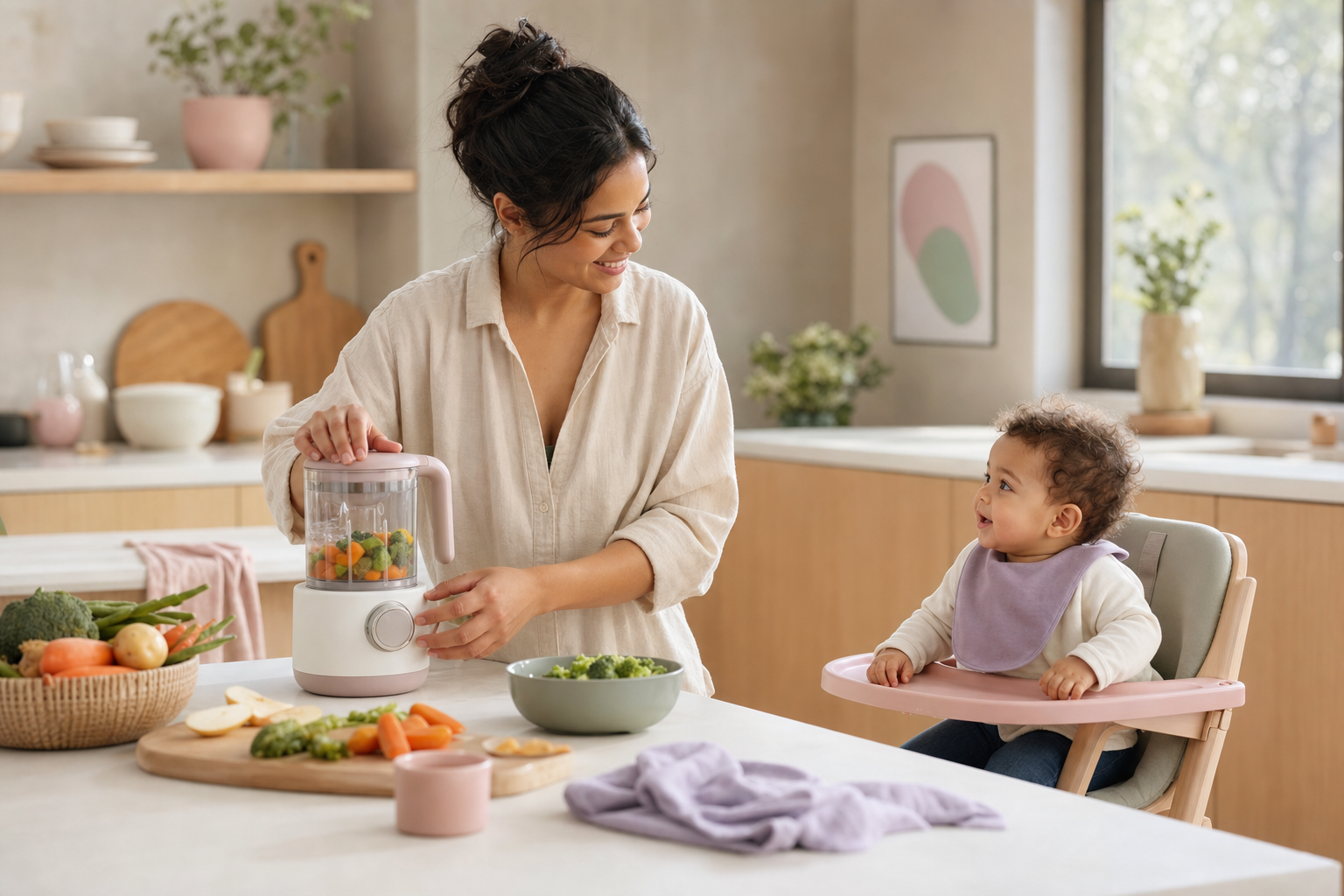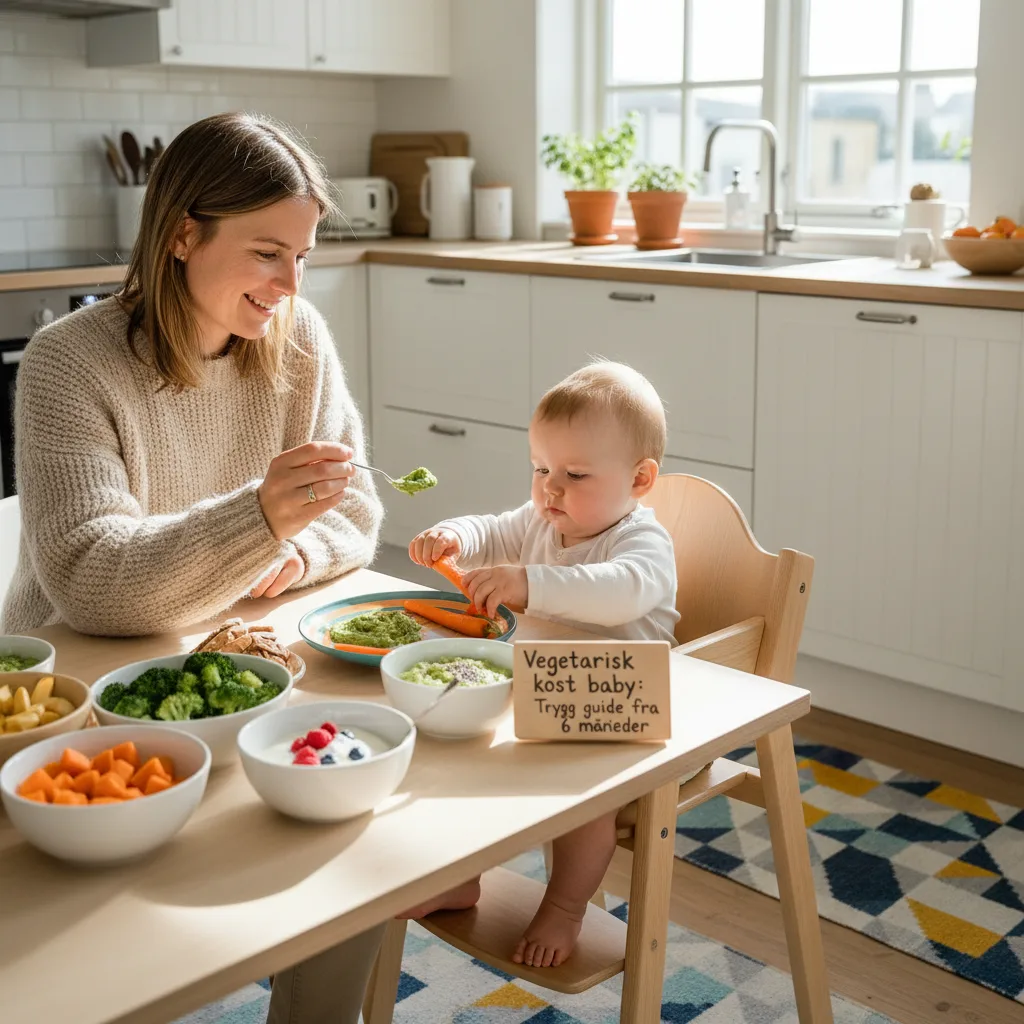
Many families choose a plant-based diet and wonder whether it is safe for their baby. The short answer is yes, with good planning and the right supplements, both vegetarian and vegan diets can meet all of your child's nutritional needs.
This is a complete guide based on official recommendations from the WHO and AAP.
What Is the Difference Between Vegetarian and Vegan Diets?
It is important to distinguish between the two, because supplement needs differ.
Vegetarian diet (lacto-ovo-vegetarian) includes dairy products and eggs, but no meat or fish. According to the AAP, this kind of diet is associated with healthy growth in children and often provides sufficient energy and nutrients.
Vegan diet excludes all animal products, including milk, cheese, and eggs. A vegan diet can also support healthy growth, but requires more careful planning and always requires supplements of several nutrients.
A comprehensive review of around 200 studies concluded that a well-planned vegetarian or vegan diet can meet nutritional needs at all stages of life, including for infants and children.
Essential Supplements. This Is Non-Negotiable
Here is the most important thing to know: regardless of diet, all breastfed babies need vitamin D. With vegetarian and especially vegan diets, additional supplements are required.
Vitamin D. For All Babies
All breastfed babies should receive 10 micrograms of vitamin D per day from around one week of age. Breast milk contains little vitamin D regardless of what the mother eats.
Give 5 vitamin D drops daily. If the baby is on formula, supplementation is not necessary, formula is already fortified.
Vitamin B12. Critical on a Vegan Diet
Vitamin B12 is found almost exclusively in animal foods. Vegan mothers who are breastfeeding, and vegan children starting solid foods, therefore need supplements.
Recommendations:
- 0–6 months: 0.4 micrograms per day (via breast milk)
- 7–11 months: 1.5 micrograms per day
B12 deficiency can cause serious and permanent damage to the brain and nervous system. Do not wait. Talk to your pediatrician about supplements from day one if you are breastfeeding and eating vegan.
Iodine. Important for Brain Development
Iodine is essential for the baby's brain development and thyroid function. There are few natural sources of iodine in a plant-based diet.
The recommendation is 80–90 micrograms of iodine per day for infants under one year. Vegan breastfeeding mothers should take iodine supplements, and the baby should receive a supplement that contains iodine.
Important warning: Seaweed and kelp products should not be used as an iodine source for children. These products can contain dangerously high levels of iodine.
Omega-3 (DHA) from Algae Oil
DHA is a long-chain omega-3 fatty acid important for the development of the baby's brain and vision. In a traditional diet, this is covered through fish and fish oil.
For vegetarian and vegan babies, algae oil is the solution. The AAP recommends 100 milligrams of DHA per day for children from 7 months. Algae oil is available as drops at pharmacies.
Note: Fish oil is not suitable for vegetarian or vegan diets since it is made from fish.
Vegan Multivitamin. A Practical Option
There are liquid vegan multivitamin-mineral supplements specifically designed for infants. Ask your pediatrician or pharmacist for a product that contains vitamin D, B12, and iodine in one bottle.
It is recommended that children on a primarily vegan diet receive an age-appropriate multivitamin-mineral supplement containing at least vitamin D, B12, and iodine. Ask your pediatrician for advice when choosing a product.
Breast Milk and Formula
Breast milk is the best food for the infant, regardless of whether you eat vegetarian, vegan, or a traditional diet. The WHO recommends breastfeeding throughout the first year and ideally into the second.
If the baby needs more milk than you can provide, formula is the only alternative during the first year of life. Soy-based alternatives are available for families following a vegan diet.
Infants should never have homemade formula made from plant-based drinks. This can lead to serious malnutrition. Plant-based drinks such as oat milk and soy milk are not suitable substitutes for breast milk or formula during the first twelve months.
Vegetarian Foods from 6 Months
From around 6 months, the baby begins solid foods in addition to breast milk. Here are the most important foods for vegetarian and vegan babies.
Legumes. The Cornerstone
Beans, lentils, peas, and soy products are among the most important foods in a plant-based diet for children. It is recommended that the baby gets legumes at two meals per day.
- Red lentils, easy to puree, mild in flavor
- Chickpeas, can be pureed into hummus from 6 months
- Peas, iron-rich and easy to prepare
- Edamame (soybeans), protein-rich, can be mashed
Grains and Whole Grain Products
Whole grain products provide energy, iron, and fiber. Give grains and whole grain products at least twice daily.
- Iron-fortified infant cereal, a practical daily iron source
- Oatmeal, cooked in water from 6 months
- Whole grain bread, when the baby can chew bread pieces
Eggs (Lacto-Ovo Vegetarian)
Eggs are an excellent protein source and contain iron, B12, and important fatty acids. Can be given from 6 months, cooked or as an omelet. Eggs are not part of a strictly vegan diet.
Vegetables and Fruit
All vegetables and most fruits can be given from 6 months. Always combine iron-rich foods with vitamin C-rich foods, this significantly increases iron absorption.
- Bell pepper (high vitamin C)
- Broccoli (iron + vitamin C)
- Sweet potato (energy-dense)
- Avocado (healthy fats)
Nuts, Almonds, and Seeds
Nut butter, almond puree, and tahini are energy-rich and nutritious. Add a little to porridge or serve as a spread. Ground or as butter from 6 months, not whole nuts for children under 4–5 years (choking hazard).
Cheese and Dairy (Lacto-Vegetarian)
For children on a lacto-vegetarian diet, cheese and yogurt are good sources of calcium, protein, and B12.
- Mild cheese as a spread from 10 months
- Yogurt and fermented milk from 10 months (limited quantity until 12 months)
- Plant-based yogurt enriched with calcium is the alternative for vegan children
Remember that dairy products are good calcium sources but contain little iron. It is recommended that dairy products are not the main ingredient at every meal, precisely to ensure adequate iron intake.
Nutrients to Pay Special Attention To
Iron
Vegetarian foods contain non-heme iron (plant iron), which is absorbed slightly less easily than heme iron from meat. Vitamin C solves the problem, always combine iron-rich foods with vitamin C-rich foods.
Good vegetarian iron sources:
- Iron-fortified infant cereal
- Lentils and beans
- Oats
- Tofu
- Dark leafy greens (avoid spinach the first year due to nitrates)
- Eggs (for lacto-vegetarian babies)
Zinc
Children on a vegetarian, grain-based diet are recommended a 25–30 percent higher zinc intake than normal. Good vegetarian zinc sources are legumes, nuts, seeds, and whole grain products.
Calcium
For vegan children who do not get dairy products, calcium-fortified plant milk is important from 12 months (plant-based drinks are not recommended before 12 months). Choose soy milk enriched with calcium, soy is closest to cow's milk in protein content. Other calcium sources:
- Green vegetables (broccoli, bok choy)
- Almonds and almond butter
- Tofu (especially calcium-set)
Protein
A varied vegetarian diet that provides enough energy can easily meet protein needs for infants. Make sure there is protein from legumes, grains, and possibly eggs and dairy at every meal.
Sample Daily Menu for a Vegan Baby (8–10 Months)
Here is a practical example of a balanced vegan day for a baby:
| Meal | Food |
|---|---|
| Breakfast | Iron-fortified oatmeal + strawberries (vitamin C) |
| Morning snack | Avocado-kiwi mash + nut butter |
| Lunch | Lentil puree with sweet potato and broccoli |
| Afternoon snack | Soy yogurt with banana |
| Dinner | Chickpeas, zucchini, and whole grain rice (mashed/finger food) |
| Supplements | Vitamin D + algae oil (DHA) + multivitamin with B12 and iodine |
Always combine an iron-rich food with something vitamin C-rich at the same meal. Oatmeal with strawberries, lentils with bell pepper, chickpeas with broccoli, these combinations increase iron absorption from plant sources.
From One Year: A More Flexible Diet
From one year of age, the child can increasingly eat the same food as the rest of the family. It is important to continue with nutrient-dense foods such as legumes, nuts, and whole grain products.
A multivitamin-mineral supplement with vitamin D, B12, and iodine should still be given. Algae oil remains relevant for vegan children. Calcium-fortified soy milk or plant-based drink can now be used more freely in cooking.
Some studies suggest that children on a vegan diet grow slightly more slowly than average. Follow the child's weight development closely with your pediatrician. If weight gain is too low, the child should have more breast milk, more frequent meals, and more fat in the diet.
When Should You Contact Your Pediatrician?
Most families with a plant-based diet do excellently with proper planning. But there are some situations where you should contact your pediatrician:
- You are unsure which supplements the child needs
- The child is growing slowly or gaining little weight
- The child seems lethargic, pale, or unusually tired
- You want help setting up a nutritious weekly menu
- The child has a soy allergy (which may limit options)
Well-child visits at the pediatrician's office are an excellent opportunity to discuss your child's plant-based diet. Consider keeping a food log to bring to the appointment, it helps the provider give more specific advice.
3 Easy Vegetarian Recipes
1. Red Lentil Puree (from 6 months)
- 1/2 cup red lentils (rinsed)
- 1 carrot, finely chopped
- 1 small potato, in pieces
- 1 cup water
- 1 tsp olive oil
- A pinch of cumin
Cook lentils, carrot, and potato in water until soft (15 min). Add olive oil and cumin. Puree to desired consistency. Perfect first food.
2. Hummus for Babies (from 6 months)
- 1 can chickpeas (drained, rinsed)
- 2 tbsp tahini (sesame butter)
- Juice of 1/2 lemon
- 1 tbsp olive oil
- 2–3 tbsp water
Blend everything until smooth. Add water for a thinner consistency. Perfect as a dip, on bread, or mixed into vegetable puree. Provides iron, protein, and zinc.
3. Tofu-Vegetable Stir-Fry (from 8 months)
- 3.5 oz firm tofu, in pieces
- 1 carrot, in sticks
- A handful of sugar snap peas
- A handful of broccoli
- 1 tbsp canola oil
- A pinch of ginger (optional)
Fry the tofu pieces in canola oil until golden. Add vegetables and a little water. Let simmer until everything is soft. Serve with rice or bread. Cut into appropriate-sized pieces.
Frequently Asked Questions
Is a vegan diet safe for babies?
Yes, according to the AAP and WHO, a vegan diet can meet all nutritional needs in infants and children, but only with the right supplements and good planning. Vitamin D, B12, iodine, and algae oil (DHA) are always necessary.
Can I give plant-based drinks (oat milk, soy milk) instead of breast milk?
No, not during the first year of life. Plant-based drinks are not suitable substitutes for breast milk or formula. They lack sufficient energy, protein, and nutrients for infants.
What is the best soy-based formula?
Soy-based infant formulas can be used by vegan families, but availability varies by region. Talk to your pediatrician about availability and suitability for your child.
Does a vegetarian baby need iodine supplements?
It depends on the mother's diet. Vegan breastfeeding mothers should take iodine supplements, and the baby should then also get iodine via supplements. For children on a lacto-vegetarian diet (with dairy), iodine access is better, but should be checked individually.
Can a baby eat tofu?
Yes, tofu can be given from 6 months. Choose firm tofu and mash or cut into finger food pieces. Tofu is a good protein source and contains calcium, especially calcium-set tofu.
Is hummus safe for babies?
Yes, hummus (chickpeas mashed with tahini) is safe from 6 months. Choose without salt and garlic for the youngest. It is an excellent source of protein, iron, and calcium.
What about rice drinks?
Rice drinks should not be used daily for children under 6 years. The reason is a relatively high content of inorganic arsenic. Choose soy milk or oat drink enriched with calcium instead.
Summary
With proper planning, vegetarian and vegan diets can give your baby all the nutrients needed for good growth and development. The key is:
- Always supplement, vitamin D for all, B12 and iodine for vegan families, algae oil (DHA) from 7 months
- Legumes and grains as the foundation, twice a day
- Vitamin C with iron-rich food, increases iron absorption from plant foods
- Calcium-fortified plant drink for vegan children from one year
- Regular check-ups with your pediatrician to monitor weight development
Read More
- Iron-rich foods for baby
- Starting solid foods, complete guide
- Allergens for baby: Safe introduction
- Baby-led weaning: BLW guide
- Homemade baby food: Simple recipes
- Legumes for baby: Lentils, beans, and chickpeas
- Eggs for baby
- Nuts and seeds for baby
- Vitamins and supplements for baby
Sources
- WHO. Infant and young child feeding
- AAP. Vegetarian and Vegan Diets in Children
- AAP. Vitamin D Supplementation for Infants
- Nutrients. Vegetarian and Vegan Diets: A Review
🔧 Helpful Tools
- Baby Food Guide. Safe foods and introduction schedule for your baby
- Breastfeeding Tracker. Log feeds, track supply, and monitor nursing sessions
- All Baby Tools. Browse all free tools for pregnancy and baby care