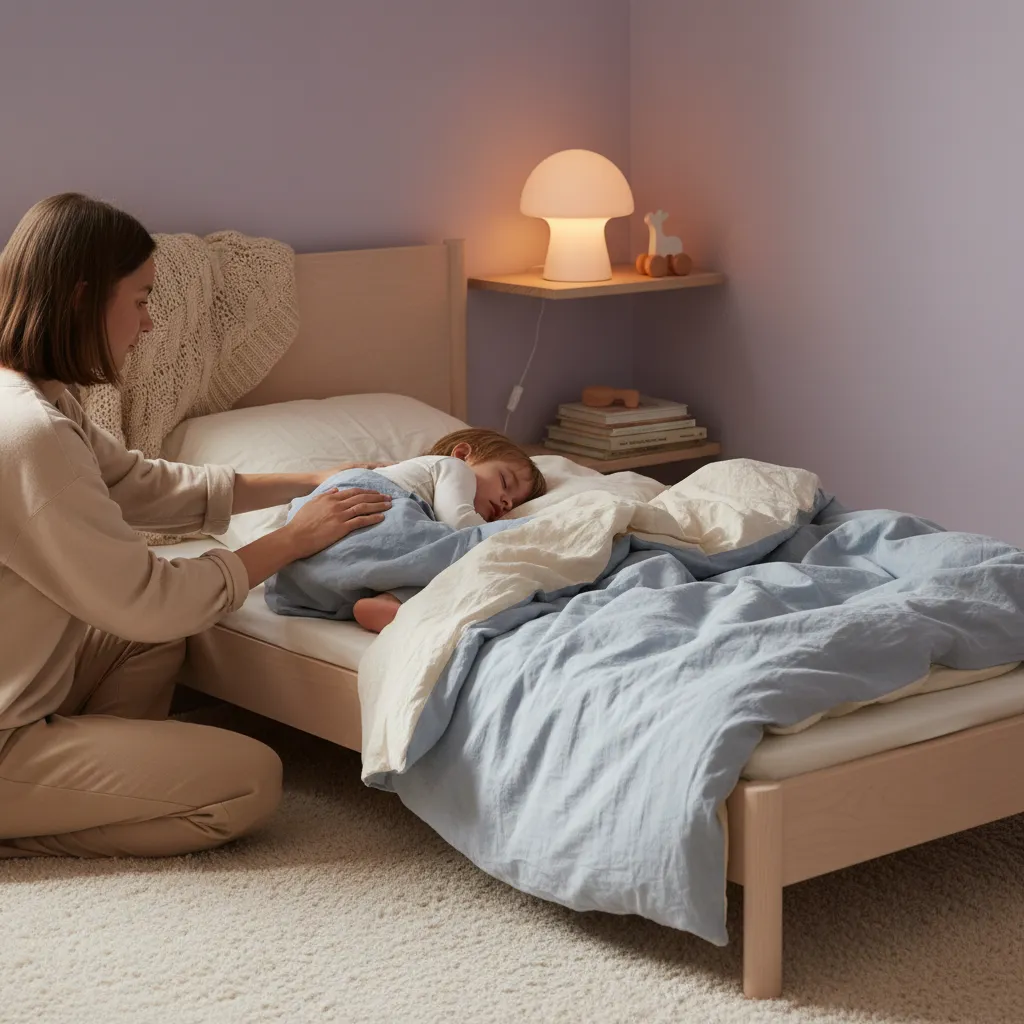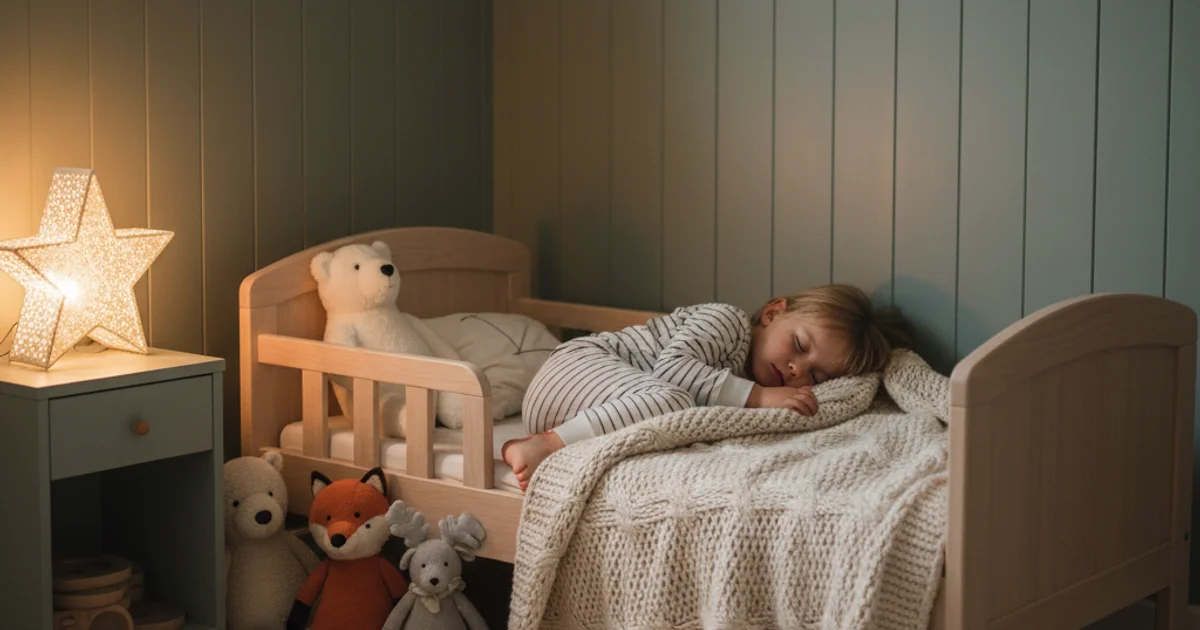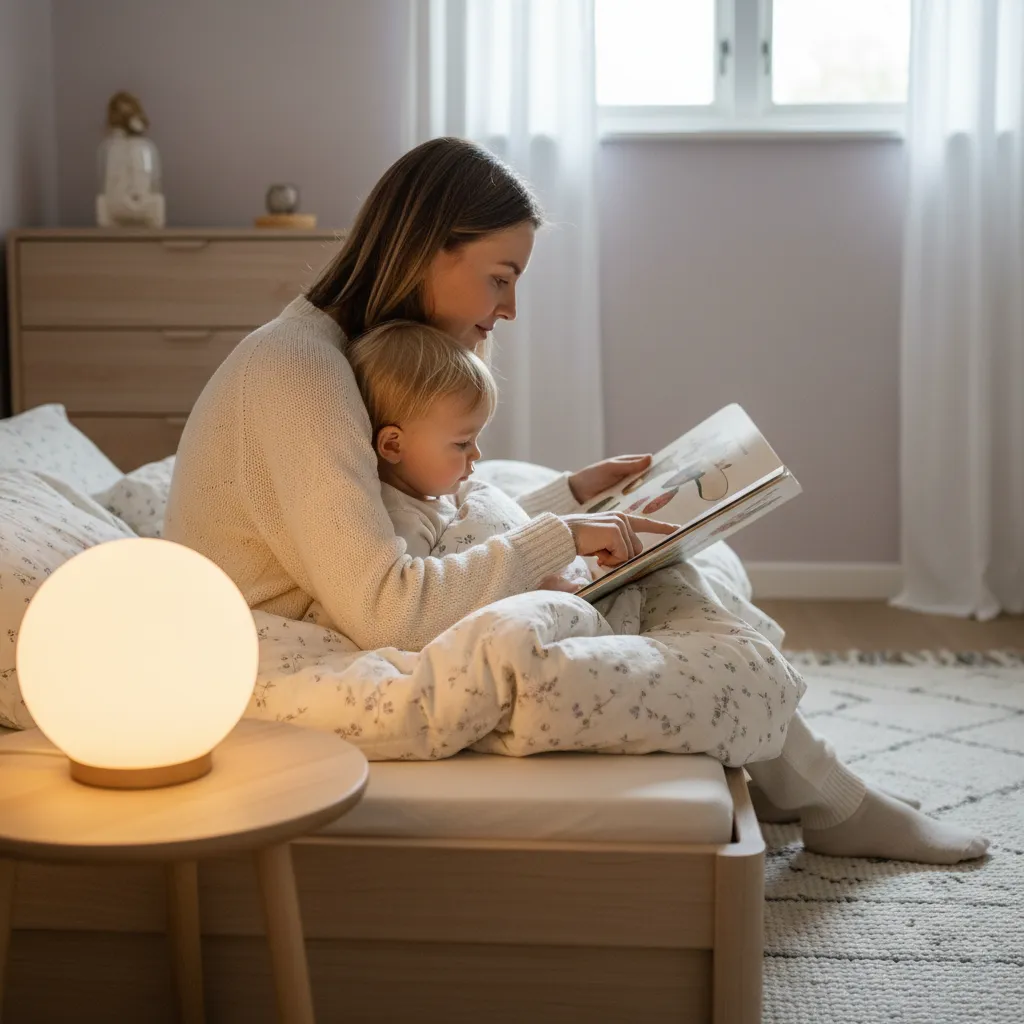
Bedtime for children between 1 and 3 years old is a puzzle most parents know well. The child protests, climbs out of bed, or wakes repeatedly during the night. And you wonder if something is wrong.
Reassuring news: sleep problems in toddlers are very common, and most resolve with time and good routines. Here are practical tips based on AAP and WHO guidelines.
How Much Sleep Do Children Need at Different Ages?
Toddlers' sleep needs change quickly. A one-year-old needs significantly more sleep than a three-year-old. The table below shows recommendations from the AAP.
| Age | Total sleep per day | Nighttime sleep | Daytime sleep | Recommended bedtime |
|---|---|---|---|---|
| 1 year | 11–14 hours | 10–12 hours | 1–3 hours (1–2 naps) | 6:00–7:00 PM |
| 1.5 years | 11–14 hours | 10–12 hours | 1–2.5 hours (1 nap) | 6:30–7:00 PM |
| 2 years | 11–14 hours | 10–12 hours | 1–2 hours (1 nap) | 6:30–7:30 PM |
| 3 years | 10–13 hours | 10–12 hours | 0–1.5 hours (0–1 nap) | 7:00–8:00 PM |
These numbers are guidelines. Some children need more sleep than others. Look at your child's mood and energy, that's the best measure.
Dropping the nap: About half of all three-year-olds have stopped napping. Most children drop the nap between 2.5 and 4 years. If your child takes a long time to fall asleep in the evening, it may be time to cut the nap.
Toddler Bedtime. How to Build a Good Routine
A consistent evening routine is the most effective tool against sleep problems in toddlers. Your child's brain needs predictable cues to prepare for sleep.
Sample Evening Routine
60 minutes before bedtime: Turn off all screens. The AAP recommends at least one hour without screens before bed. Dim the lights in the home.
30 minutes before bedtime: Bath or wash up, pajamas, teeth brushing. The physical care signals that the day is winding down.
15 minutes before bedtime: Read one or two books in bed. Sing a calming song. Give a good goodnight hug, and leave.
The key is doing the same thing every evening. Children find security in repetition.
Practical tip: Let your child choose between two books instead of asking "which book do you want?" Limited choices give the child a sense of agency without dragging out bedtime.
Three Common Bedtime Mistakes
- Too late a bedtime. An overtired child produces stress hormones (cortisol) that make falling asleep harder. Put the child to bed when they show the first signs of tiredness, don't wait.
- Negotiations. "One more book," "some water," "I need to go potty again." Set clear limits in advance and stick to them. Be kind but firm.
- No screen limit. Blue light from tablets and TV suppresses melatonin production. One hour without screens makes a noticeable difference.
Child Won't Sleep. Common Causes
When your child suddenly sleeps worse, there's almost always an explanation. Here are the most common reasons children between 1 and 3 wake at night.
Physical causes:
- Teeth coming in (molars typically arrive around 1–2 years)
- Hunger or thirst
- A cold, ear infection, or other illness
- Bedroom too warm or too cold (recommended temperature: 68–72°F / 20–22°C)
Developmental causes:
- Separation anxiety, most intense between 1 and 2 years
- Major changes like starting daycare, a new sibling, or moving
- Sleep regression at 12–18 months and around 2 years
- New skills the child is practicing (walking, talking, climbing)
Routine-based causes:
- Irregular bedtimes
- Too long or too late a nap
- Screen use close to bedtime
- Lack of wind-down before bed
Use the Sleep Tracker to log your child's sleep for 5–7 days. Patterns that are invisible in daily life become clear when you see them laid out.

Night Terrors in Children. What Do You Do?
Night terrors affect 1–6.5 percent of children between 1 and 4 years old. The child screams, appears frightened, and may thrash around, but is not fully awake.
How to Recognize Night Terrors
- Occur in the first half of the night, during deep sleep
- The child may scream, cry, or seem panicked
- Last from 1 to 10 minutes
- The child remembers nothing in the morning
- Eyes may be open, but the child does not respond normally
What You Should Do
Do not wake the child. This is the most important rule. Waking a child during a night terror makes them confused and scared, and prolongs the episode.
Make sure the child is safe. Keep away from the edge of the bed and remove loose objects. Sit calmly nearby until it's over. The episode passes on its own.
Night terrors vs. nightmares: Nightmares occur during REM sleep (late at night) and the child wakes up frightened. Night terrors occur during deep sleep (early at night) and the child continues sleeping afterward. With nightmares, the child needs comfort. With night terrors, they need calm.
Can You Prevent Night Terrors?
Night terrors are often linked to overtiredness and sleep deprivation. Make sure the child gets enough total sleep. Consistent bedtimes and calm evenings can reduce how often they happen.
Sleep Regression in Toddlers
Sleep regression means that a child who has been sleeping well suddenly starts sleeping poorly again. It's a normal part of development.
Common Sleep Regression Periods
- 12 months: Many transition from two naps to one, which disrupts sleep patterns
- 18 months: Separation anxiety, explosive language development, and growing independence
- 2 years: The "terrible twos," fears (darkness, monsters), transition to a big-kid bed
A sleep regression typically lasts 2–6 weeks. The most important thing you can do is hold onto your routines. Don't introduce new sleep habits (like bringing the child into your bed) that you don't want to continue.
Read more: Sleep Regression at 4 Months and Sleep Regression at 8 Months have detailed information on the early regressions.
When Should You Contact Your Pediatrician?
Most sleep problems in toddlers are temporary and manageable at home. But sometimes you need professional help.
Contact your pediatrician or family doctor if:
- The child consistently sleeps less than 10 hours per day over an extended period
- The child wakes more than 3 times per night for more than 3 weeks
- You suspect pauses in breathing (snoring, gasping) that could indicate sleep apnea
- The child is very difficult to wake or unusually lethargic during the day
- Sleep problems are affecting the child's mood and functioning at daycare
- You as a parent are exhausted and need support
Your pediatrician can offer tailored advice and assess whether further evaluation is needed. You don't need a referral, just call and make an appointment.
Frequently Asked Questions
What time should a 2-year-old go to bed?
Most 2-year-olds should be in bed between 6:30 and 7:30 PM. The right bedtime depends on whether the child naps during the day and when they need to wake up in the morning. A child who still naps can go to bed a bit later.
Why won't my 3-year-old sleep?
Common reasons include an incorrect bedtime, too long a nap, lack of routine, or the child going through a developmental phase. Fear of the dark or imaginary creatures is also common in three-year-olds. A consistent evening routine and a small night light often solve a lot.
Are night terrors dangerous?
No. Night terrors are harmless and the child remembers nothing afterward. They are most common between 1 and 4 years and resolve on their own. The best response is to keep the child safe without trying to wake them.
How long does a sleep regression last?
A sleep regression normally lasts 2–6 weeks. Stick to your routines and avoid introducing new sleep habits you don't want to keep. Sleep usually stabilizes without intervention.
Should toddlers sleep with a night light?
A dim, warm night light (yellow/orange) is perfectly fine and can provide security, especially for children who are afraid of the dark. Avoid blue or white light, which suppresses melatonin production.
Read More
- Sleep Tracker, log your child's sleep patterns
- Baby Sleep Needs: Complete Chart by Age
- Sleep Regression at 4 Months
- Sleep Regression at 8 Months
- Nighttime Waking in Babies: Causes and Tips
- Tools and Articles for Toddler Parents
Sources
- AAP. Healthy Sleep Habits
- WHO. Child Health and Development
- CDC. How Much Sleep Do I Need?
- NIH. Sleep Disorders in Children
🔧 Helpful Tools
- Baby Sleep Tracker. Track and optimize your baby's sleep
- Soothing Sounds. White noise and soothing sounds to help your baby sleep
- All Baby Tools. Browse all free tools for pregnancy and baby care