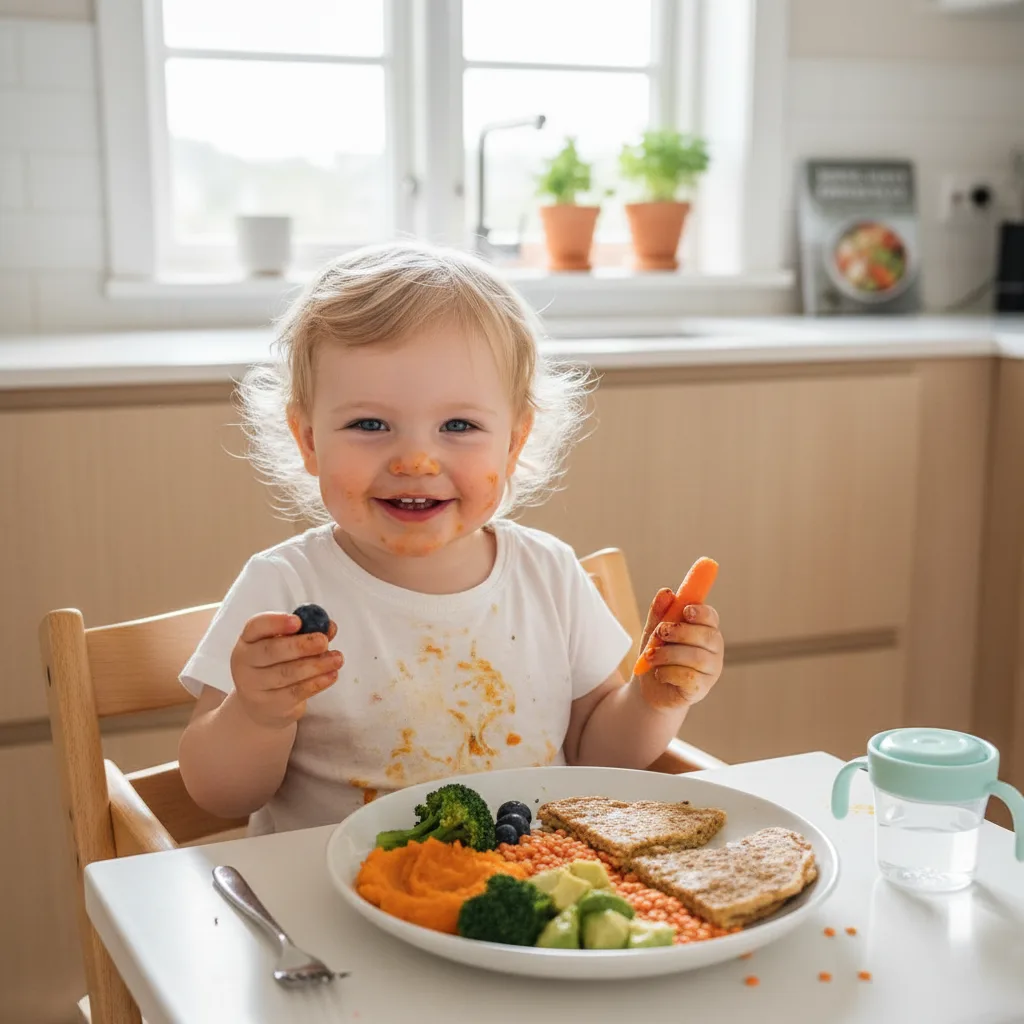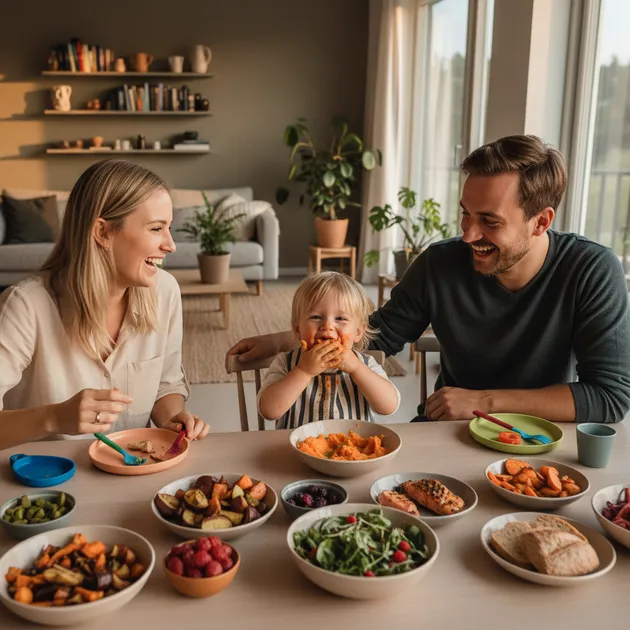
It's 4:30 pm, the baby is crying, the two-year-old refuses everything you're making, and you forgot to defrost something for dinner. Sound familiar?
Dinner with young children is often the most stressful part of the day. But it doesn't have to be hard. With a few solid techniques and a repertoire of simple meal ideas in the back of your mind, you can serve healthy, tasty food without spending hours in the kitchen.
Here are 20 tried-and-tested dinner ideas for families with kids, sorted by type, with tips to make everyday life easier.
Ground Rules for Dinner with Young Children
Before we get to the ideas, a few simple principles that make life easier:
- Make one meal for the whole family. Don't make separate food for kids and adults. Children learn to eat a varied diet by eating the same as their parents.
- Season after serving. Cook the food mild, and let the adults add more seasoning on their own plates.
- Accept that your child won't eat everything. According to AAP feeding guidelines, you decide what is offered, your child decides how much they eat.
- Offer something familiar on the side. If the dinner is new, include something your child knows (bread, cucumber, fruit).
- Don't stress about mess. Mess is part of learning to eat. Cover the floor with a mat and relax.
AAP recommendation: Children over 1 year can eat most of what the family eats. Use less salt than in standard recipes, and avoid added sugar. Children under 1 year should not have honey, whole cow's milk as a drink, or rice products as a staple.
Chicken Dinners
1. Chicken Stew with Root Vegetables
Cut chicken thighs into pieces and brown in a pot. Add carrot, parsnip, sweet potato, and potato in cubes. Pour over chicken broth and simmer for 25–30 minutes. Season with a little thyme. Perfect for the youngest, soft and easy to chew.
2. Chicken Stir-Fry with Noodles
Sauté chicken strips with bell pepper, broccoli, sugar snap peas, and carrot. Toss with cooked egg noodles and a dash of soy sauce. Use very little soy in the kids' portions. Quick and colorful, ready in 15 minutes.
3. Chicken Burger with Sweet Potato Fries
Finely chop chicken breast (or use ground chicken), mix with finely chopped onion and a little breadcrumbs. Shape into small patties and pan-fry. Serve with sweet potato fries baked in the oven and cucumber sticks.
4. Oven-Baked Chicken with Couscous
Place chicken thighs in a baking dish with zucchini, bell pepper, and onion. Drizzle with a little olive oil and herbs. Bake at 400°F / 200°C for 35 minutes. Cook couscous according to package directions, done in 5 minutes. One tray means minimal dishes.
Chicken is a great source of protein and B vitamins. Chicken thighs are preferable to breast, they're juicier, cheaper, and tolerate longer cooking times without drying out.
Fish Dinners
5. Salmon Pasta with Broccoli
Pan-fry salmon fillet and flake into pieces. Cook pasta and broccoli in the same pot for the last 3 minutes. Toss with crème fraîche, a squeeze of lemon, and dill. Quick, nutritious, and popular with most children.
6. Fish Gratin with Mashed Potato
Place fish fillet (cod or pollock) in an oven dish. Pour over a simple white sauce (butter, flour, milk). Top with grated cheese. Bake at 400°F / 200°C for 20 minutes. Serve with mashed potato and peas.
7. Fish Soup
A family classic. Bring fish broth to a boil with carrot, potato, and leek. Add fish pieces (cod, salmon, or haddock) and crème fraîche. Simmer for 5–8 minutes. Serve with bread. Soup is surprisingly popular with many children.
8. Fish Cakes with Potato and Vegetables
Use store-bought fish cakes or make your own with minced fish, egg, flour, and a little onion. Pan-fry golden in butter. Serve with boiled potato, melted butter, and mushy peas. A classic weeknight dinner that comes together fast.
Fish 2–3 times a week is recommended by the AAP and WHO, even for children. Vary between fatty fish (salmon, mackerel, trout) and lean fish (cod, pollock, haddock) for the best nutritional range.
Vegetarian Dinners
9. Lentil Soup
Sauté onion, garlic, carrot, and celery. Add red lentils, canned tomatoes, and vegetable broth. Cook for 20 minutes until lentils are soft. Blend half for a creamy consistency. Serve with bread. Iron-rich and budget-friendly.
10. Bean Stew (Chili Sin Carne)
Sauté onion and garlic, add canned tomatoes, kidney beans, and corn. Season carefully with paprika and cumin (skip chili for kids' portions). Serve with rice and a dollop of sour cream. Hearty and filling.
11. Veggie Pancakes
Grate carrot and zucchini into regular pancake batter. Fry thin pancakes in butter. Serve with cheese, avocado, and cucumber. Kids love pancakes, and rarely realize there are vegetables inside.
12. Pasta with Tomato Sauce and White Beans
Cook pasta. Blend canned tomatoes with white beans, garlic, and basil into a smooth sauce. Warm through and toss with the pasta. Top with grated cheese. Quick, protein-rich, and familiar for most kids.
13. Potato Salad with Egg and Vegetables
Boil potatoes and eggs. Toss cooled potatoes with egg, cucumber, corn, peas, and a mild dressing (yogurt, mustard, a splash of vinegar). Perfect on warm days or as a light dinner.
Legumes (beans, lentils, chickpeas) are recommended from 6 months of age according to the AAP. They are rich in iron, protein, and fiber, perfect for the whole family.
Pasta and Rice
14. Bolognese
Brown ground beef with finely chopped onion and carrot. Add canned tomatoes, tomato paste, and a little broth. Simmer for 20 minutes. Serve with spaghetti or penne. Make a double portion and freeze half.
15. Mac and Cheese
Cook macaroni. Make a cheese sauce with butter, flour, milk, and grated cheese. Toss with the pasta. For extra nutrition: blend in pureed cauliflower, kids won't notice. Bake in the oven with extra cheese on top if you like.
16. Risotto with Peas and Parmesan
Sauté onion in butter. Add arborio rice and stir for 1 minute. Add warm broth a little at a time while stirring. After 18–20 minutes, stir in frozen peas and grated parmesan. Creamy and nutritious.
17. Salmon Wrap
Pan-fry salmon pieces. Warm tortilla wraps. Let kids fill their own with salmon, cucumber, corn, lettuce, and a mild dressing. Kids love building their own food, and they eat more when they get to choose.
Quick Stews and One-Pot Dishes
18. Sausage and Bean Stew
Slice sausages and sauté with onion. Add canned tomatoes, baked beans, and a little broth. Cook for 15 minutes. Serve with crusty bread. A simple weeknight dinner that works for everyone.
19. Simple Vegetable Stew
Boil potato, carrot, turnip, and onion in cubes. Add meat if desired (or skip for a vegetarian version) and broth. Cook until everything is soft. Mash lightly with a fork for babies; serve in pieces for older children. A comfort food classic that is perfect for young families.
20. Sheet Pan Salmon with Vegetables
Place salmon fillet and vegetables (broccoli, bell pepper, zucchini) on a parchment-lined baking sheet. Drizzle with a little olive oil. Bake at 400°F / 200°C for 15 minutes. Minimal effort, minimal cleanup. Serve with cooked rice or bread.
Tips for an Easier Dinner Routine
Meal Prep. Prep on the Weekend
Use an hour on the weekend to make weeknights easier:
- Cook a large batch of rice or pasta, keeps 3–4 days in the fridge
- Cut vegetables, have ready-cut carrots, bell pepper, and cucumber on hand
- Make double portions and freeze half in individual portions
- Hard-boil eggs, boiled eggs in the fridge are invaluable as a side
The Freezer. Your Best Friend
These dinners freeze well:
- Bolognese sauce
- Lentil and bean soups
- Fish gratin (without mashed potato)
- Meatballs and fish cakes
- Vegetable purees for babies
Freezer tip: Label bags with date and contents. Use within 3 months for best quality. Thaw in the fridge overnight or in the microwave just before serving.
Involve the Kids
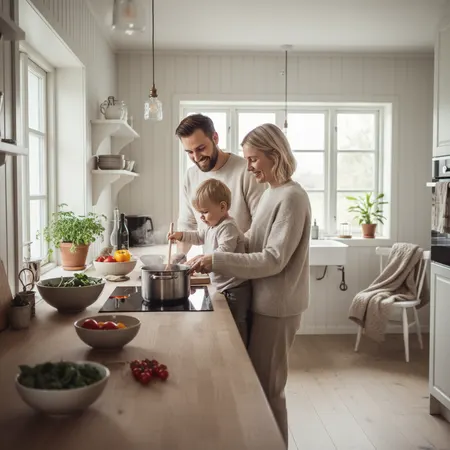
Children who help cook eat more varied food. From age 1–2, children can:
- Rinse vegetables
- Tear salad leaves
- Pour ingredients into the bowl
- Stir dough or sauce
- Place items in the baking dish
From age 3, they can also:
- Cut soft vegetables with a children's knife
- Spread things on bread
- Measure out ingredients
- Decorate the food
Useful Tools on Babysential
- SmartStart, food database. Check which foods are right for your child's age
- Shopping list. Create this week's grocery list from your phone
- Checklists. Find checklists for starting solids, allergens, and more
- Articles on food and nutrition. More tips on feeding children
Frequently Asked Questions
How much food does a toddler need at dinner?
Children between 1 and 3 years need roughly a quarter to a third of an adult portion. But the amount varies from day to day and meal to meal. Let your child decide how much they eat, research shows children who are allowed to self-regulate eat well overall.
What do I do when my child refuses dinner?
Don't pressure, threaten, or bribe with dessert. Offer the food calmly, let your child taste it if they want, and accept that some days they won't eat dinner. Offer a small snack (fruit, bread, yogurt) a little later. Most children go through phases of picky eating, it's normal and passes.
Should I avoid spices in children's food?
No, children can have spices from when solids start (6 months). Mild paprika, cinnamon, basil, oregano, and thyme are good starter spices. Avoid strong chili and large amounts of salt. According to the AAP, food for children under 1 year should be made without added salt, and children between 1 and 3 should have very little salt.
Is it okay to use frozen fish and frozen vegetables?
Absolutely! Frozen fish is often just as nutritious as fresh, it is frozen shortly after being caught. Frozen vegetables are picked and frozen at peak ripeness and retain their nutritional value well. It is also quicker, cheaper, and produces less food waste.
Need help figuring out which foods are right for your child's age? Use SmartStart to explore our food database with age recommendations based on AAP and WHO guidelines.
Read More
- Baby food from 6 months
- Baby food from 8 months
- Food for 1-year-olds
- Snacks for kids
- Family dinners with baby
- Iron-rich foods for baby
Sources
- AAP. Feeding and Nutrition
- CDC. Infant and Toddler Nutrition
- WHO. Infant and Young Child Feeding
- AAP. Starting Solid Foods
🔧 Helpful Tools
- Baby Food Guide. Safe foods and introduction schedule for your baby
- Breastfeeding Tracker. Log feeds, track supply, and monitor nursing sessions
- All Baby Tools. Browse all free tools for pregnancy and baby care
📖 Related Articles
- Quick Dinners: 15 Easy Meals for Busy Parents, 15 easy dinners ready in under 30 minutes for families with young children. Quick weeknight meals with few ingredients that the whole family will enjoy, perfect when time is short.