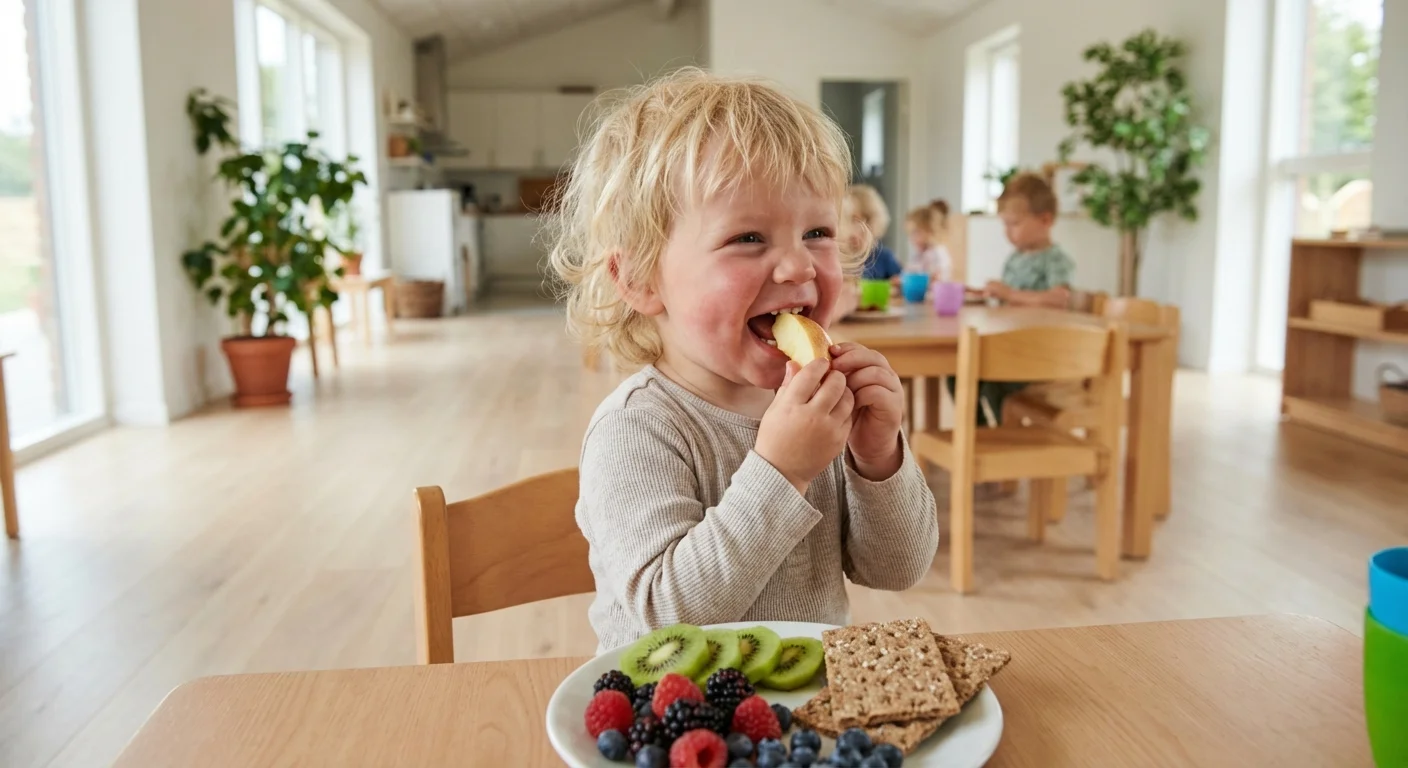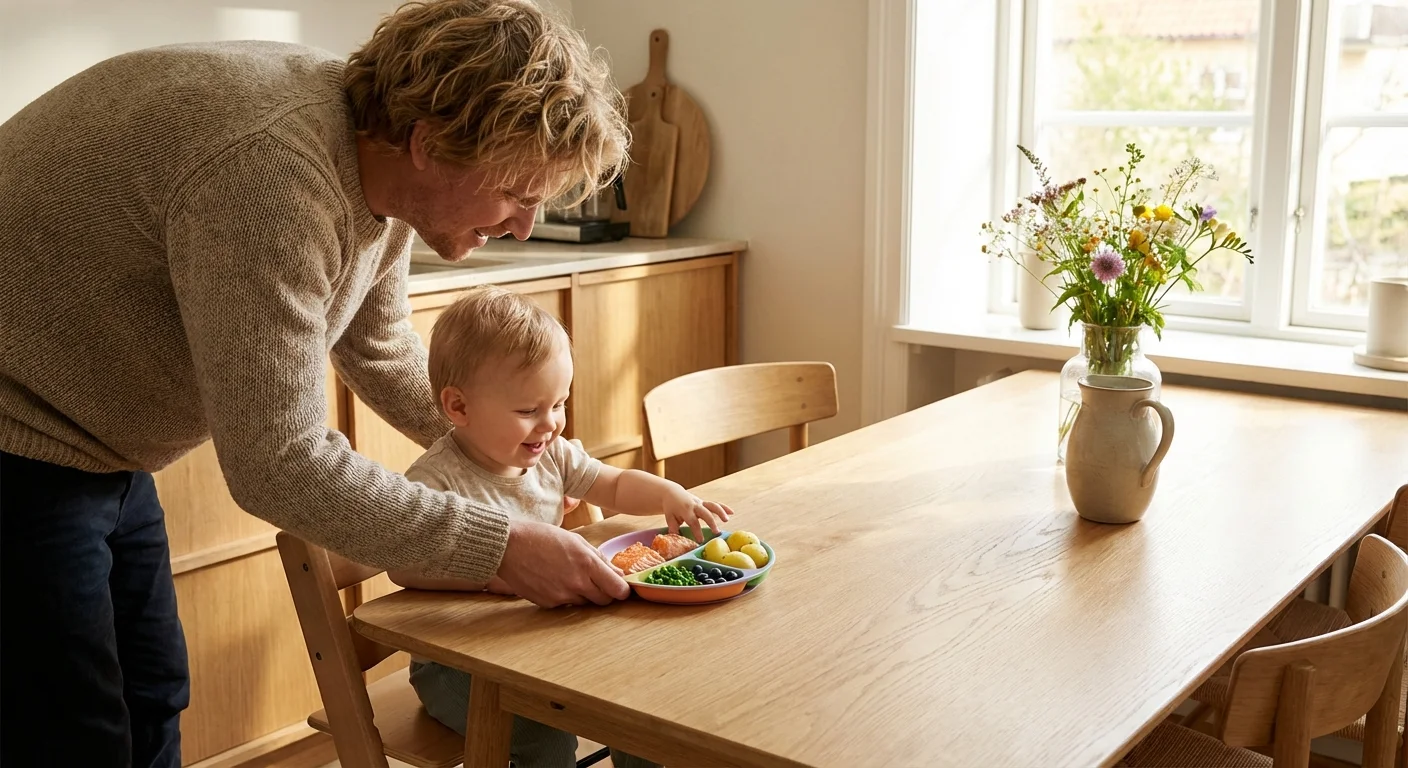
Snacks play an important role in your child's nutrition, especially as solid foods are introduced and as toddlers grow rapidly. But what makes a good snack? When should children have them? And what should you avoid? In this guide, you'll find practical, age-appropriate snack ideas from 6 months to 3 years.
Why Snacks Matter
Young children have small stomachs that can't hold large amounts of food at once. At the same time, they have high energy and nutritional needs relative to their size. This means that for most children from around 6–8 months onward, 2–3 small snacks per day in addition to main meals is appropriate.
Snacks are not just fillers, they are an opportunity to:
- Provide important nutrients (iron, calcium, healthy fats, vitamins)
- Keep blood sugar stable and prevent excessive hunger between meals
- Introduce new textures and flavors in a low-pressure way
- Practice self-feeding and fine motor skills
The key is choosing snacks that are nutrient-dense rather than calorie-dense without nutrition. A good snack keeps a child satisfied without replacing the appetite for main meals.
Snacks by Age
6–8 Months
At this stage, babies are just beginning solid foods. Everything is about exploration, tasting, touching, and getting used to texture and flavor. Solid food at this age is a supplement to breast milk or formula, which remains the primary source of nutrition.
Good snack options:
- Smooth fruit purees, apple, pear, mango, banana
- Vegetable purees, sweet potato, carrot, butternut squash, pea
- Plain full-fat yogurt (no added sugar)
- Soft-cooked vegetable pieces for exploring (broccoli florets, carrot sticks, if following baby-led weaning)
- Mashed avocado on a soft piece of bread
Tips for this age:
- Keep portions very small, a few spoonfuls is enough
- Offer one new food at a time and wait 3–4 days before introducing the next new food (to monitor for allergic reactions)
- Always supervise closely during eating
- No honey until after 12 months (risk of infant botulism)
- No cow's milk as a main drink (breast milk or formula remains primary)
8–10 Months
Babies at this age are becoming more skilled at eating and can handle slightly more texture. Many are practicing picking up food with their fingers (the "pincer grasp" develops around 9–10 months).
Good snack options:
- Soft fruit pieces, ripe banana, peach, melon, mango
- Soft-cooked vegetable pieces, carrot, sweet potato, zucchini, peas
- Small cubes of soft cheese (full-fat)
- Plain full-fat yogurt
- Soft scrambled egg
- Small pieces of soft-cooked pasta
- Strips of soft bread or toast (without added salt or sugar)
- Hummus with soft bread or vegetable sticks for dipping
Tips for this age:
- Cut all food into small, soft pieces to reduce choking risk
- Sit with your baby during eating, never leave them unattended
- Gagging is normal and different from choking; learn to distinguish the two
- Continue avoiding: honey, added salt, added sugar, whole nuts, whole grapes (must be quartered)
10–12 Months
By now, many babies eat family food with adjustments for texture and seasoning. Snacks can be more varied, and self-feeding is increasingly possible.
Good snack options:
- Ripe fruit pieces (cut into appropriate sizes)
- Cooked vegetable pieces
- Small pieces of cheese
- Plain yogurt with fruit
- Oatmeal or porridge
- Crackers (low-salt, no added sugar) with avocado, hummus, or cream cheese
- Small pieces of cooked chicken, fish, or legumes
- Mini rice cakes (low-salt), see arsenic note below
- Toast fingers with nut butter (spread thinly; introduce allergens early as recommended by the AAP)
Tips for this age:
- Limit juice, the AAP recommends no juice before 12 months
- Offer water in a cup with meals and snacks
- Continue to avoid: honey, large pieces of hard raw vegetables or fruit, whole grapes or cherry tomatoes, whole nuts, added salt and sugar
Rice cakes and arsenic: The FDA has noted that rice-based products contain inorganic arsenic, a naturally occurring contaminant found in rice. While occasional rice cakes are not harmful, they should not be a daily staple. Vary snacks with oat-based, corn-based, or other grain-based alternatives. Offering a varied diet naturally reduces arsenic exposure.
1 Year (12 Months)
At 12 months, many milestones converge: cow's milk can now be introduced as a main drink, juice in small amounts is permissible, and children are typically eating a wide variety of family foods. Most toddlers this age do well with 3 main meals and 2 snacks per day.
Good snack options:
- Fresh fruit, sliced strawberries, blueberries (halved), banana pieces, melon cubes
- Vegetable sticks, soft-cooked or raw if soft enough (cucumber, bell pepper strips)
- Cheese cubes or cheese slices
- Plain yogurt
- Crackers with cream cheese, hummus, or avocado
- Mini sandwiches on soft bread
- Boiled egg (quartered or sliced)
- Smoothie made with full-fat yogurt and fruit (no added sugar)
- Cooked beans or lentils
Cow's milk: From 12 months, full-fat (whole) cow's milk can be offered as the main drink (up to 16–24 oz / 470–700 ml per day). More than this can reduce appetite for solid foods.
Tips for this age:
- Limit juice to 4 oz (120 ml) per day of 100% fruit juice
- Grapes, cherry tomatoes, berries: cut in halves or quarters
- Avoid hot dogs, large pieces of raw carrot, whole nuts, hard candies
- Popcorn is not recommended for children under age 4 (choking hazard)
2–3 Years
Toddlers in this age group are increasingly assertive about food preferences and may go through phases of food refusal ("picky eating"). Regular, structured snack times help stabilize energy and mood.
Good snack options:
- Fresh fruit (most fruits are now safe in larger pieces, but grapes still need halving)
- Vegetable sticks with hummus or cream cheese dip
- Full-fat cheese and whole grain crackers
- Yogurt with granola or muesli (low-sugar)
- Nut butter on toast or apple slices (if no allergy)
- Mini muffins made with oats, fruit, or vegetables (low-sugar, homemade)
- Boiled eggs
- Edamame (shelled)
- Smoothies
- Leftovers from main meals
Tips for this age:
- Let your toddler have some say in snack choices when possible (offer two acceptable options)
- Keep snack times structured, at consistent times and seated at the table
- Avoid allowing free grazing throughout the day, which disrupts appetite for meals
- A snack 1.5–2 hours before a main meal is usually well-timed
Snacks on the Go
Busy families need portable snack options. Here are reliable choices that travel well:
- Fresh fruit: Bananas, apple slices (in a container with a little lemon juice to prevent browning), grapes (halved), berries
- Pouches: Fruit or vegetable puree pouches (choose no-added-sugar varieties), useful for younger babies
- Cheese sticks or cheese cubes (keep cool)
- Crackers or rice cakes (individual-portion packs)
- Homemade mini muffins (freeze in batches and pack frozen, thaws within an hour)
- Hummus with vegetable sticks or crackers (small containers)
- Hard-boiled eggs (pre-peeled, in a container)
- Nut butter packets with crackers or fruit (for children without nut allergy)
Pack snacks in insulated bags with an ice pack when including dairy or protein. Avoid open-topped snack containers for babies in strollers or car seats.
Snacks to Avoid
Some snacks are best avoided for young children due to choking risk, high sugar content, or nutritional concerns:
| Snack | Reason to Avoid |
|---|---|
| Whole grapes, cherry tomatoes, blueberries | Choking hazard, always halve or quarter |
| Whole nuts | Choking hazard for children under 4 |
| Popcorn | Choking hazard for children under 4 |
| Hard raw vegetables (large pieces of carrot) | Choking hazard |
| Candy, hard candy, gummies | Choking hazard, sugar, no nutritional value |
| Juice (large amounts) | High sugar, fills up without nutrients; limit to 4 oz/day |
| Sweetened yogurt | High added sugar; opt for plain full-fat yogurt |
| Store-bought cookies, cakes | Usually high in sugar, refined flour, and salt |
| Honey (under 12 months) | Risk of infant botulism |
| Rice cakes (as a daily staple) | Arsenic content per FDA; vary with other grains |
| Processed snack foods (chips, puffs) | High salt, low nutrition |
| Sweetened drinks (juice drinks, soda) | High sugar, no nutritional value |
When and How Often?
Here is a general framework for snack timing by age:
| Age | Meals | Snacks | Notes |
|---|---|---|---|
| 6–8 months | 2–3 small "meals" | 1–2 as needed | Breast milk/formula still primary |
| 8–10 months | 3 small meals | 1–2 | Solids increasing |
| 10–12 months | 3 meals | 2 | Solids nearly equal to milk feeds |
| 12–24 months | 3 meals | 2 | Full cow's milk from 12 months |
| 2–3 years | 3 meals | 2 | Regular meal/snack schedule |
Key principles:
- Structured timing is better than free grazing, regular meal and snack times help children regulate hunger and appetite
- Snacks 1.5–2 hours before a meal, close enough to keep energy up, far enough to maintain appetite
- Avoid snacks right before meals, this reduces meal intake
- Let hunger guide portion size, children have natural appetite regulation; avoid pressuring them to finish
Division of responsibility (developed by dietitian Ellyn Satter): You decide what, when, and where food is offered; your child decides how much (and whether) to eat. Applying this principle to snack time helps prevent power struggles and supports healthy eating habits long-term.
Key Takeaways
- Children from 6 months onward benefit from 1–2 nutritious snacks per day in addition to main meals.
- The best snacks are nutrient-dense, age-appropriate in texture, and low in added sugar and salt.
- Avoid rice cakes as a daily staple due to arsenic content (per FDA guidance); vary with oat- or corn-based alternatives.
- Always cut foods into appropriate sizes for your child's age and supervise eating.
- Structure snack times consistently rather than allowing free grazing throughout the day.
Sources
- American Academy of Pediatrics (AAP). "Starting Solid Foods." aap.org
- FDA. "Arsenic in Rice and Rice Products." fda.gov
- WHO. "Complementary Feeding." who.int
- USDA. "Dietary Guidelines for Americans." dietaryguidelines.gov
🔧 Helpful Tools
- Baby Food Guide. Safe foods and introduction schedule for your baby
- Breastfeeding Tracker. Log feeds, track supply, and monitor nursing sessions
- All Baby Tools. Browse all free tools for pregnancy and baby care
📖 Related Articles
- Healthy Snacks for Babies and Toddlers: Ages 6 Months to 3 Years. Healthy snacks for babies and toddlers. Age-appropriate snack ideas, portion sizes, and tips for avoiding added sugar. Based on AAP and WHO dietary guidelines.
- Food on the Go with Baby and Toddlers: Practical Guide. How to handle food on trips and outings with baby and toddlers. Packing tips, shelf-stable snacks, and meal ideas that work away from home.
- Healthy Snacks and Smoothie Bites for Babies, 10 healthy and easy snacks for babies and toddlers. Smoothie bites, fruit pieces, and energy balls the whole family will love.