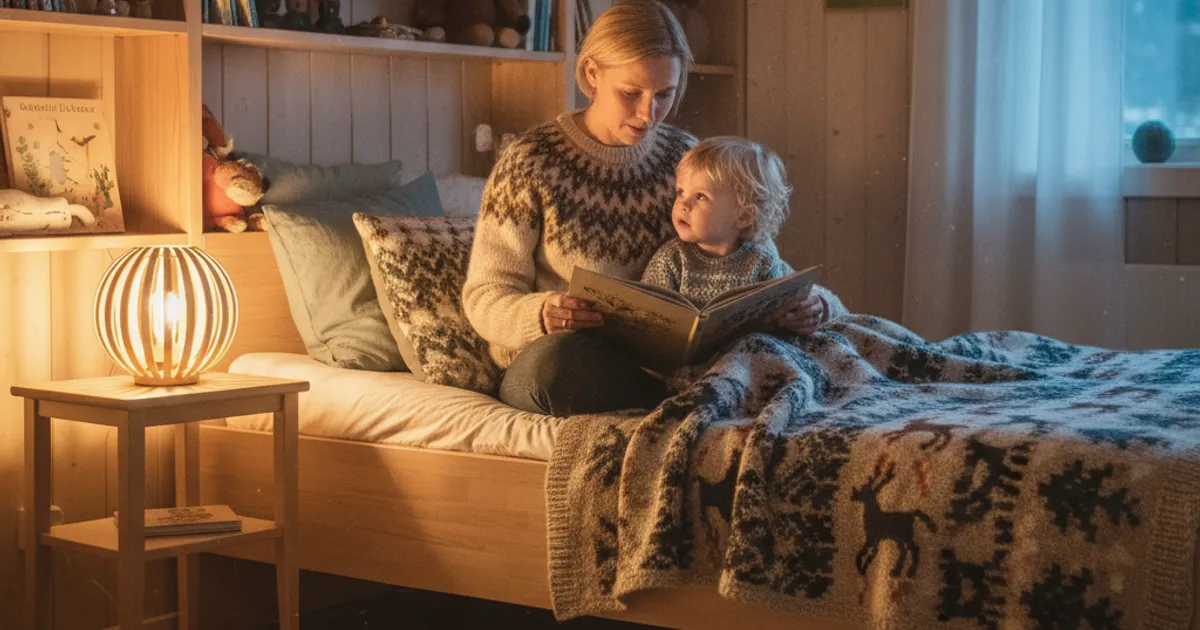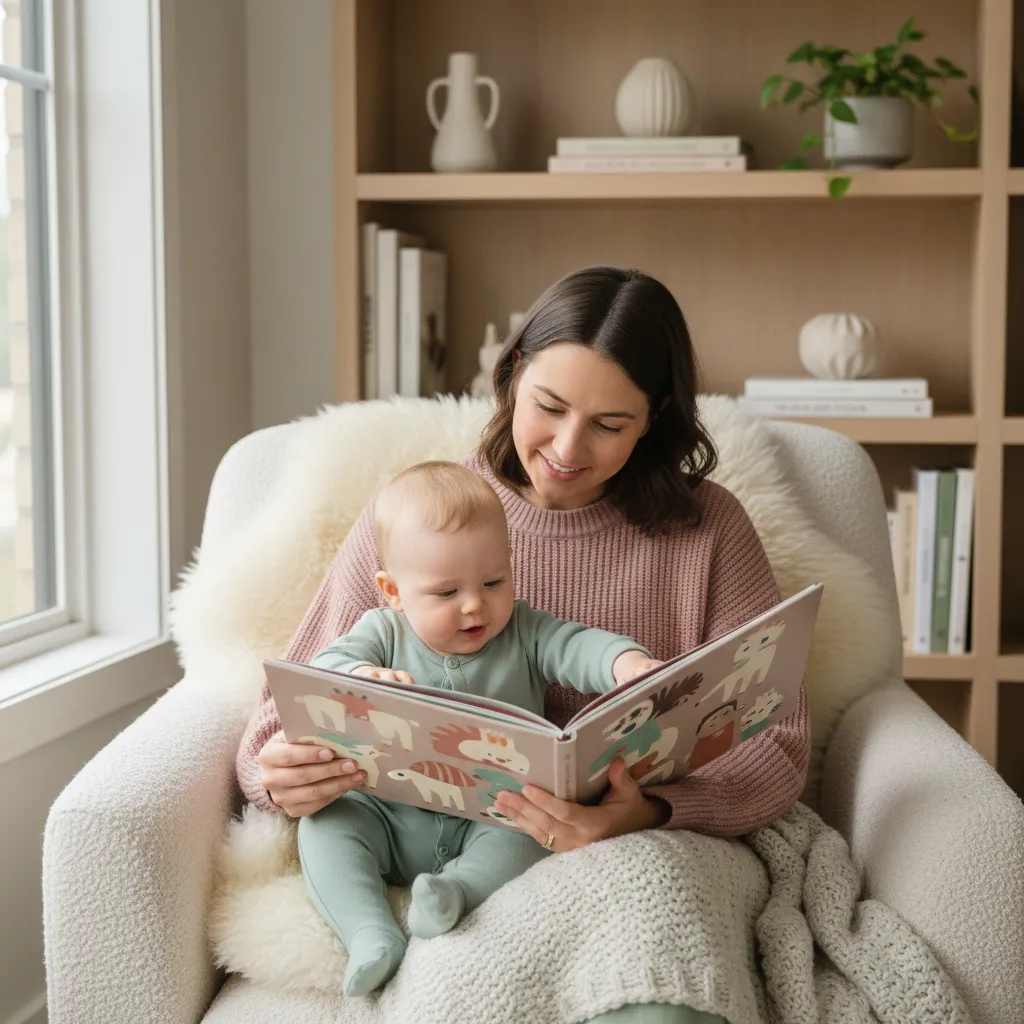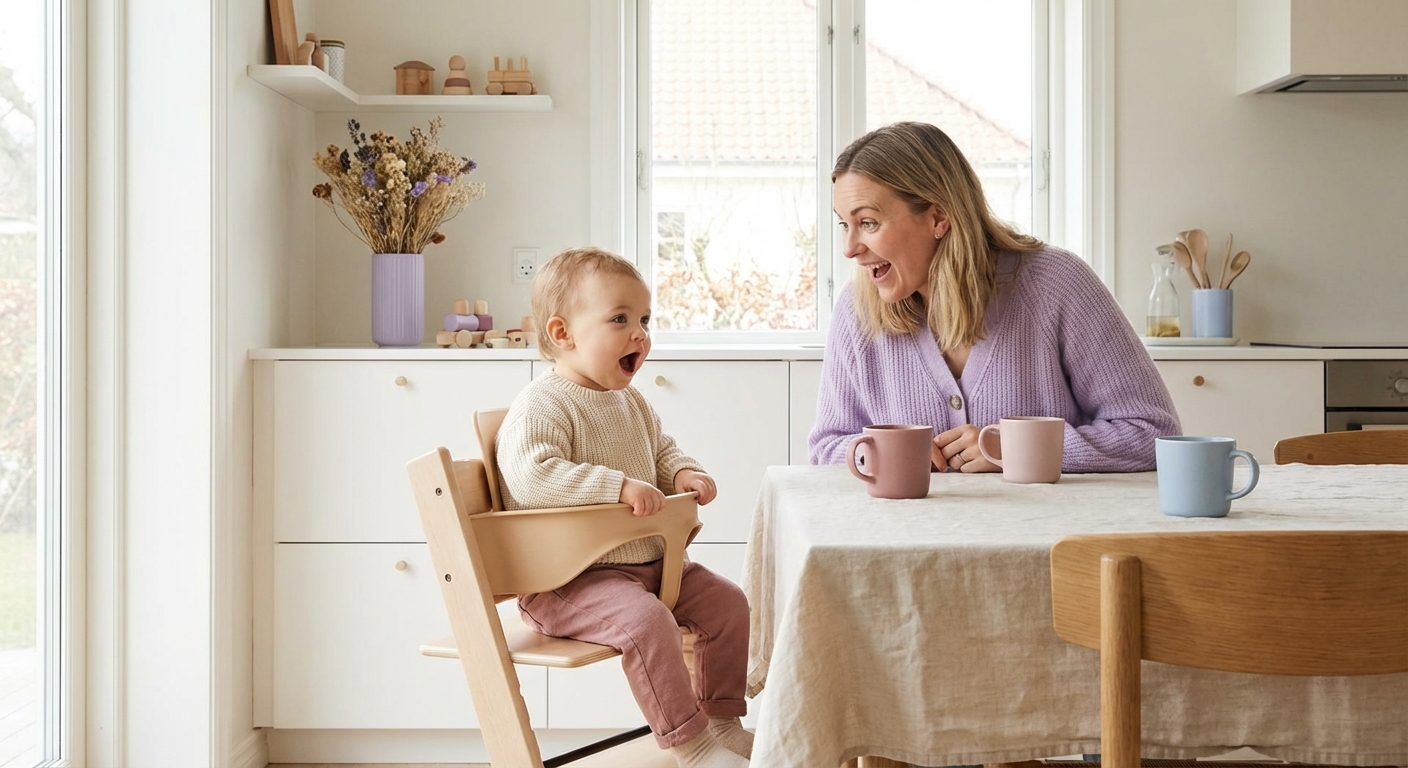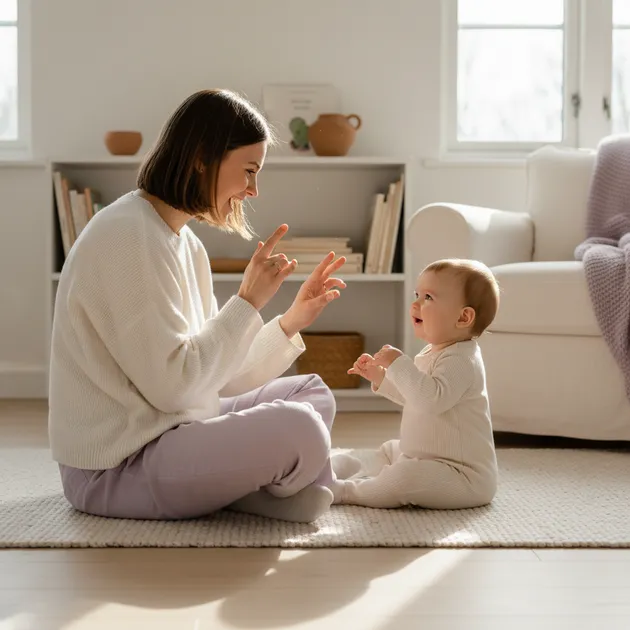
A one-year-old can understand far more than they can express with words. The gross motor control in the hands develops faster than the fine motor control in the mouth, which means a baby can make signs long before they can speak.
Baby sign language gives your child a tool to express needs like hunger, thirst, and tiredness, and reduces frustration for both babies and parents.
Key Takeaways
- Research shows that baby sign language does not delay spoken language, signed babies often develop a richer vocabulary than non-signing peers.
- Most babies can learn their first sign between 6 and 9 months, with consistent daily practice; expect 1–2 months before they sign back.
- Start with high-frequency signs, "more," "milk," "all done," "eat," and "sleep", to immediately reduce feeding and bedtime frustration.
- Always say the word aloud while signing: the goal is to pair spoken language with the sign, not replace speech.
- Children naturally stop signing as spoken language develops, typically between 18 and 24 months, without any effort needed from parents.
What Is Baby Sign Language?
Baby sign language uses simplified signs borrowed from American Sign Language (ASL) or other established sign languages, combined with regular speech. You always speak at the same time as you make the sign. The goal is to support spoken language development, not replace it.
Baby signing and full sign language are two different things. A complete sign language (like ASL) is a full minority language with its own grammar. Baby signing is a communication tool where you borrow simple signs and use them together with your spoken language.
Research shows that using signs does not delay spoken language development. On the contrary: children who use signs often develop a richer vocabulary than children who are not exposed to signs. Children naturally drop the signs as their spoken language develops.
Benefits of Baby Sign Language
Less Frustration
Babies who can express basic needs through signs cry and fuss less. When your child can show you they are thirsty instead of crying in frustration, everyday life becomes calmer for everyone.
Strengthens Language Development
Signs give the child an active vocabulary before spoken language is in place. Each sign is connected to a word you say aloud, so the child builds language comprehension from an early age.
Improves Connection
When a child can make themselves understood, mutual communication occurs. The child experiences being heard and understood, which strengthens the bond between parent and child.
Insight into Your Baby's World
Signs reveal what your child is thinking about and noticing. When your baby suddenly makes the sign for "bird" while you are out on a walk, you get a window into their experience of the world.
When Should You Start?
6–8 Months: Ideal Starting Age
Many child development experts recommend starting signs when your baby is around 6 months old. At this age, your baby recognizes their own name, uses body language actively, and is beginning to understand simple words and expressions.
Your baby will not sign back right away. It can take 2–3 months of consistent use before your child begins to use the signs themselves. Patience is the key.
Never Too Late
You can start baby sign language at any point in your baby's first year. Older babies (10–12 months) may pick up signs more quickly because they have better motor control and greater language comprehension.
The First Signs to Learn
Start with signs that cover your baby's basic needs. These are called "utility signs" and are the most motivating for your child to learn:
The 8 Most Important Signs
- Milk / nursing. Open and close your fist repeatedly (like milking)
- More. Fingertips of both hands meet repeatedly
- All done / finished. Turn palms up and out to the sides
- Eat / food. Bring fingers together toward the mouth
- Drink. Lift an invisible cup toward the mouth
- Sleep / tired. Place hand against cheek and close eyes
- Diaper / change. Pat your own hip
- Help. One hand lifts the other upward
Next Step: Everyday Signs
Once your baby has learned the first signs, you can expand with:
- Water. Three fingers toward the mouth (different from "drink")
- Book. Open both palms like opening a book
- Ball. Form a round ball shape with both hands
- Dog. Pat your thigh
- Cat. Stroke fingers out from your cheek (like whiskers)
- Bird. Flap hands like wings
- Hot. Blow on your hand
- Hurt / ouch. Index fingers meet and twist
How to Teach Your Baby Signs
1. Use the Sign in Natural Situations
Make the sign for "milk" every time you are about to nurse. Say the word aloud at the same time: "Do you want milk?" while making the sign. Repetition in meaningful situations is the key.
2. Be Consistent
Use the same sign every time. Get your partner, grandparents, and childcare workers involved so your child sees the sign from multiple people.
3. Name What Your Baby Does
If your baby reaches toward your breast, make the sign for "milk" and say "Oh, you want milk!" You confirm your baby's signal and connect it to a sign and a word.
4. Wait Patiently for a Response
Your baby may make an imprecise version of the sign at first. That is completely fine. Just as a first attempt to say "mommy" might sound like "mama" or "baba," the signs will become clearer with time.
5. Celebrate Every Attempt
When your baby makes a sign, even if it is imprecise, give an enthusiastic response: "Yes! More! You want more!" Positive reinforcement motivates your child to keep going.
Start with 2–3 signs and use them consistently for a few weeks. When your baby shows they understand (either by making the sign themselves or responding to your sign), you can gradually add new signs.
Common Questions and Myths
"Will signing delay my baby's speech?"
No. Research shows that baby signing supports, does not hinder, spoken language development. Children naturally reduce their use of signs as their speaking abilities increase.
"My child isn't using the signs correctly"
Completely normal. Young children adapt signs to their motor capacity. A sign for "milk" may look different from the adult version, just as a child's first words are rarely perfectly pronounced. You will learn to recognize your child's versions.
"We've started, but my baby isn't making any signs yet"
Give it time. Most babies need 2–3 months of regular exposure before they start using signs themselves. Your baby understands the signs long before they use them actively.
Signs in Childcare
Many childcare programs incorporate signs as a natural part of communication, especially with the youngest children. Some use signs as a standard tool during circle time, mealtimes, and transition routines.
Talk with your childcare provider about which signs they use, so you can use the same signs at home. Consistency between home and care setting helps children learn more quickly.
Resources to Learn Signs
- ASL University (Lifeprint.com). Free online resource for American Sign Language
- Baby Sign Language Dictionary. Online dictionary with videos of baby signs
- YouTube. Search "baby sign language" for video tutorials
- Signing Time. Popular DVD/streaming series teaching baby signs
Frequently Asked Questions
From what age can a baby use signs?
Most babies can start making signs back to you between 8 and 12 months, depending on when you start and your child's motor development. Start showing signs from around 6 months, your baby understands long before they can make the signs themselves.
How many signs should we learn?
Start with 2–3 signs (for example, milk, more, and all done) and expand gradually. It is better to use a few signs consistently than many signs sporadically.
Does signing work for multilingual families?
Yes, baby signing works excellently in multilingual families. The sign stays the same regardless of which language you are speaking and can actually help your child connect words from different languages to the same concept.
When will my child stop using signs?
Most children gradually stop using signs as their spoken language becomes good enough to express what they want. This typically happens between 18 months and 2 years. Some children continue using signs as a supplement to speech for longer.
Read More
- Language development in children: What to expect
- When does my baby start to crawl, walk, and talk?
- Sensory development in babies
- Play and learning with your baby
- Emotional development in children
Sources
- American Academy of Pediatrics (AAP). Language Development
- Goodwyn SW, Acredolo LP, Brown CA: Impact of symbolic gesturing on early language development (Journal of Nonverbal Behavior, 2000)
- Pizer G, Walters K, Meier RP: Bringing up baby with baby signs (Sign Language Studies, 2007)
🔧 Helpful Tools
- Baby Milestones Tracker. Track your baby's developmental milestones
- Development Leaps. Understand your baby's developmental leaps
- All Baby Tools. Browse all free tools for pregnancy and baby care