"Can you tell me a story?" Few things are as magical as the moment a child crawls under the covers, hugs their stuffed animal, and looks up at you with wide eyes. Stories for children are more than entertainment, they are some of the most important things you do for your child's development.
Children have grown up with fairy tales for generations. And did you know you can start telling stories from birth? Here is a complete guide to fairy tales and bedtime stories for children from 0 to 3 years, with age-appropriate recommendations, classic tales, and practical tips for the bedtime routine.
Why Stories for Children Are So Important
Reading aloud and storytelling do far more than entertain your child. They build the brain, strengthen language, and bring you closer together.
Language Development and Vocabulary
Children who are read to daily hear far more words than children who are not. According to the American Academy of Pediatrics (AAP), reading aloud is one of the most important activities for supporting language development in young children. Through stories, the child encounters words and phrases not heard in everyday life, "the dragon roared," "the princess wandered through the forest," "the goat spoke in its finest voice." This richness of language lays the foundation for vocabulary, comprehension, and later reading skills.
Attachment and Security
The bedtime story is one of the most intimate moments of the day. The child sits in your lap or lies next to you in bed. They hear your voice, feel warmth and calm. This closeness builds secure attachment, the child knows you are there, that the day ends with something good.
Imagination and Emotional Development
Stories allow the child to experience feelings in a safe setting. They can be scared alongside a character, brave alongside another, and happy when it ends well. Processing emotions through stories is an important part of emotional development.
Concentration and Listening Skills
Listening to a story trains the child's ability to hold attention over time. For the youngest children, this is a matter of seconds, but gradually the ability to follow an entire story from start to finish grows.
You don't need to read word for word from the book. Simplify, add, use voices, and bring the story to life. It's your voice and the closeness that matters most to the child.
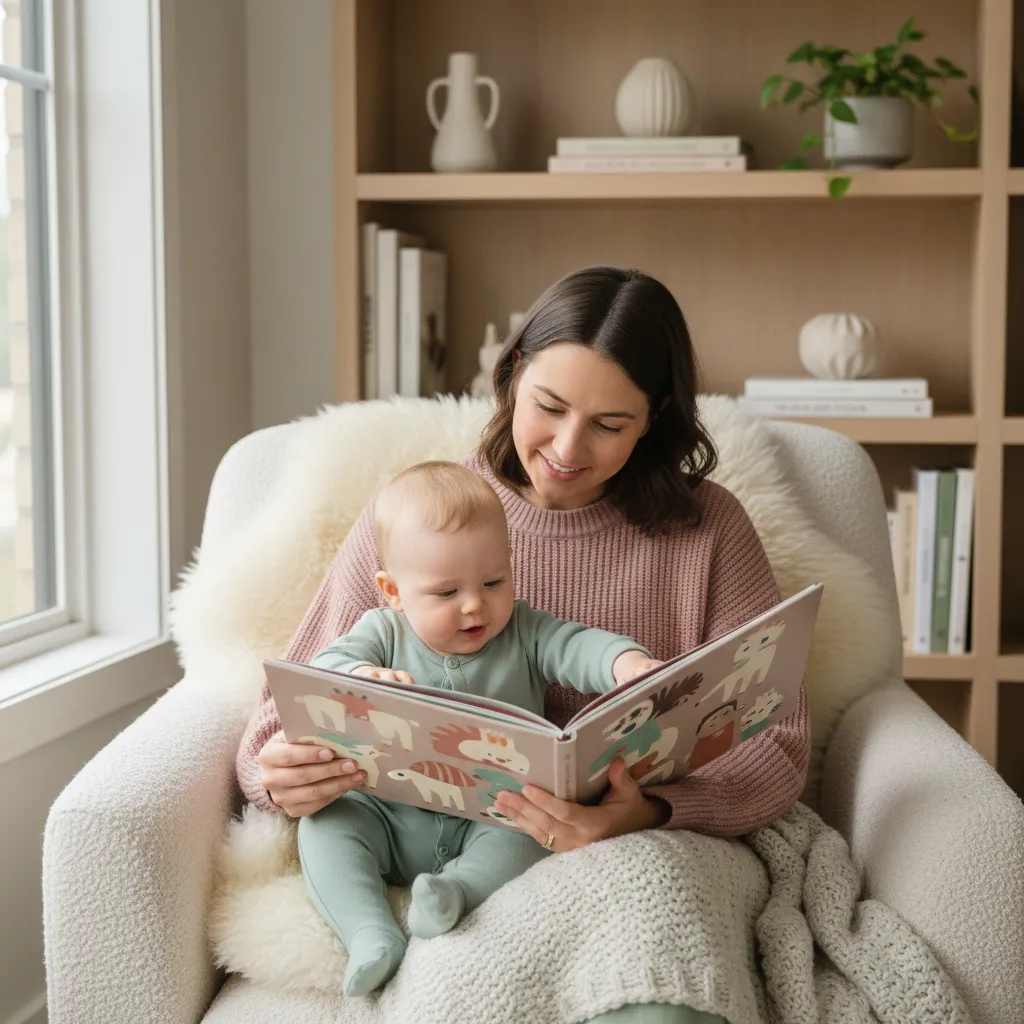
Stories for the Youngest (0-1 Year)
Babies don't understand the words, but they understand your voice. From birth, babies actively listen to tone, rhythm, and melody in what you say.
What Works?
- Rhymes and songs, short verses with rhythm. Babies love repetition and predictability
- Cloth books and picture books with bright colors and simple images. The baby explores with their hands as much as with their eyes
- High-contrast books in black and white for the very first weeks. Newborns see best at 8-12 inches
- Short stories told freely, about the dog in the park, the bird outside the window, what the baby experienced today
Recommended Books for 0-1 Year
- Black and white contrast books, specifically made for newborn vision
- Soft cloth books designed for baby hands to grab and chew
- Simple board books with one picture per page and a single word
- Nursery rhyme books, combine reading with singing
Tips for Story Time
Keep sessions short, two to five minutes is enough. Read in your lap and let the baby handle the book and explore it freely. It doesn't matter if the baby would rather chew the pages than look at the pictures. Use exaggerated tones and lots of pauses.
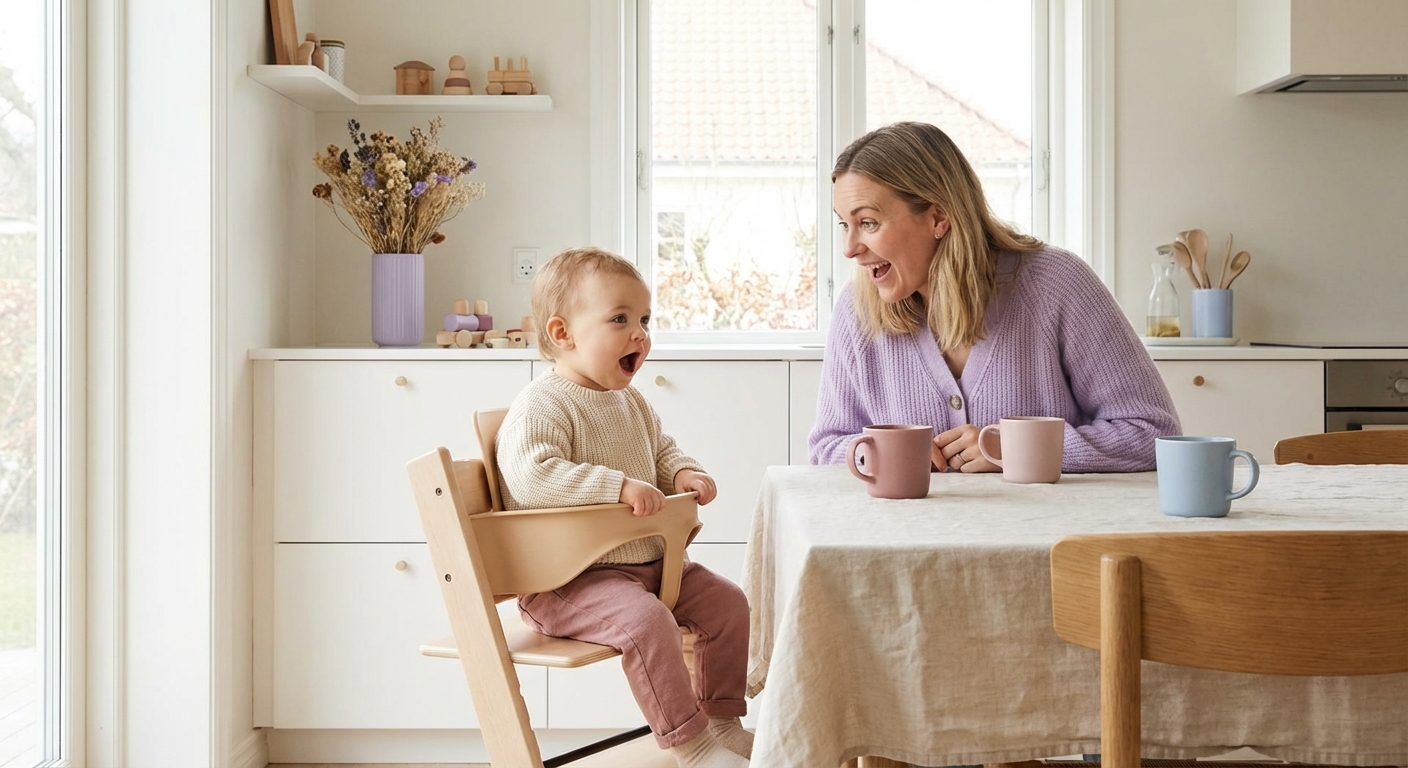
Stories for Children 1-2 Years
A lot happens now. The child points, says their first words, and wants to hear the same story over and over again. Repetition is not boring for a one-year-old, it is safe and educational.
What Works?
- Lift-the-flap books, lifting the flap to discover what's hiding is pure magic for one-year-olds
- Books about everyday life, going to bed, eating breakfast, going to daycare. The child recognizes themselves
- Simple stories with animals, stories where animals speak and do human things
- Books with sound words, "Woof!", "Meow!", "Vroom!", the child begins to repeat the sounds
Classic Picture Books for 1-2 Years
- "The Very Hungry Caterpillar" by Eric Carle, counting, colors, and a simple story
- "Goodnight Moon" by Margaret Wise Brown, peaceful and perfect for bedtime
- "Where's Spot?" by Eric Hill, lift-the-flap with a dog, perfect for this age
- "Brown Bear, Brown Bear, What Do You See?" by Bill Martin Jr., repetitive text children love to "read" along
Tips for Story Time
Let the child lead. If they want to go back a page, let them go back. Point at pictures and ask simple questions: "Where's the dog?" Use animal sounds and build anticipation: "And then the bear said..." (pause) "ROAR!" The child loves it.
Children at this age will often want to hear the same book many times. What feels repetitive to you is deep learning for the child. With each reading, the child picks up new details and words.
Stories for Children 2-3 Years
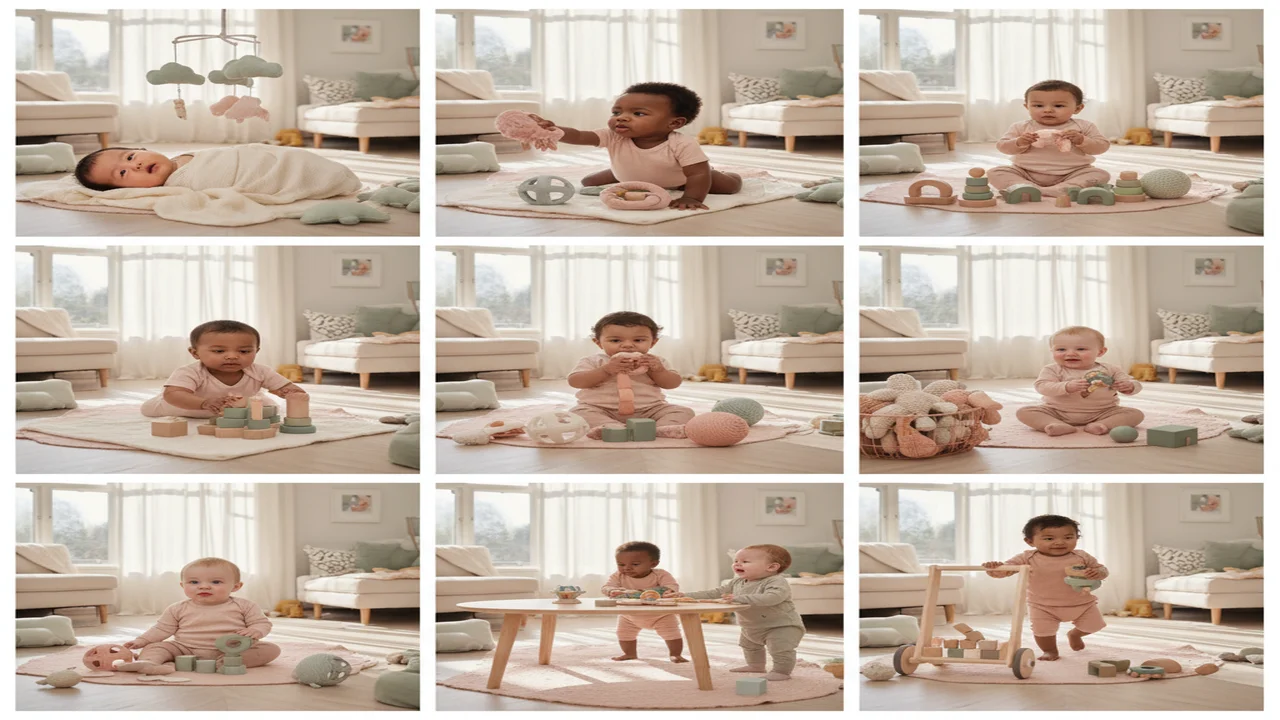
A whole new world opens up here. Two-year-olds begin to understand simple storylines, recognize characters, and can continue telling the story themselves. Three-year-olds can follow longer narratives and ask questions about everything.
What Works?
- Fairy tales with simple plots, a character who has a problem and finds a solution. Beginning, middle, end
- Classic fairy tales in simplified versions, many publishers offer adaptations for the youngest
- Books about feelings, stories about getting angry, scared, sad, and happy. The child gets words for what they feel
- Longer bedtime stories, two-year-olds can manage five to ten minutes; three-year-olds can sit for a long time with a good book
Classic Stories for 2-3 Years
- "The Three Billy Goats Gruff", suspense, repetition, and a satisfying ending
- "Goldilocks and the Three Bears", three sizes of everything, easy to remember and retell
- "The Three Little Pigs", classic repetitive structure with a strong ending
- "Where the Wild Things Are" by Maurice Sendak, emotions, imagination, and the comfort of home
- "The Gruffalo" by Julia Donaldson, a favorite for this age, with clever rhyming text
- "Guess How Much I Love You", gentle and perfect for bedtime
Classic Fairy Tales You Can Tell Freely
Many classic fairy tales are simple enough to tell without a book:
- The Three Billy Goats Gruff, three goats, a bridge, a troll. Simple structure, perfect for free telling
- The Gingerbread Man, repetitive text the child can participate in: "Run, run, as fast as you can!"
- Goldilocks and the Three Bears, three sizes of everything, easy to remember
Look for your local public library's collection of children's picture books. Librarians can recommend books perfectly suited to your child's age and interests.
Stories and Emotions: How Stories Help Children Understand the World
Stories often deal with fundamental feelings, fear, courage, joy, jealousy, and fairness. For children, this is a safe way to experience and process difficult emotions.
Safe Suspense
The troll under the bridge in The Three Billy Goats Gruff is frightening, but it ends well. The child experiences suspense in a safe setting, they are sitting in your lap, they know you are there. This experience of "safe fear" helps the child manage real emotions later.
Justice and Morality
Classic fairy tales often have clear distinctions between good and evil, and the good prevails in the end. For toddlers who are learning the difference between right and wrong, this is valuable. The child understands that it pays to be good.
Empathy Through Characters
When the child lives through a character, they practice seeing the world from someone else's perspective. "Poor little pig, the wolf was so scary", the child can feel for the character. This ability for empathy is the basis for social development.
If the child becomes frightened by a story, don't dismiss the feeling. Say: "Yes, the troll was scary, but do you remember what happened in the end? The big goat knocked the troll into the river!" Talking about feelings makes them manageable.
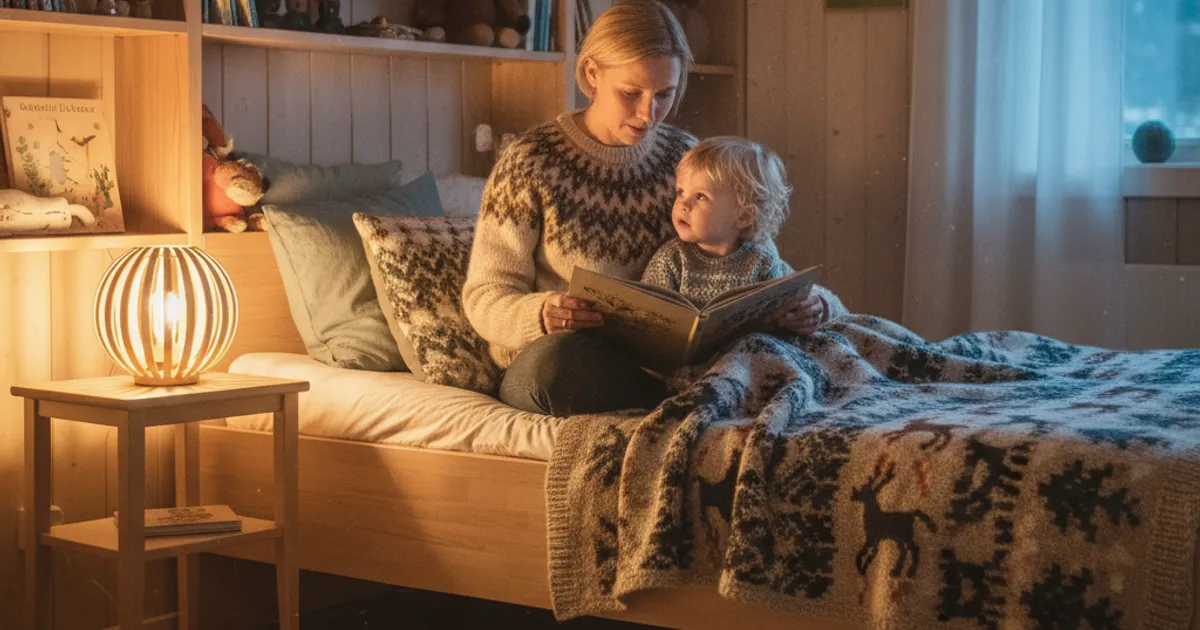
Bedtime Stories: Building a Good Bedtime Routine
A consistent reading routine at bedtime provides predictability and security. The child knows what is coming and can relax.
Step by Step
- Calming activities, end active play 30-60 minutes before bedtime
- Evening routine, tooth brushing, pajamas, possibly a bath
- Story time, sit in a consistent spot: the bed, an armchair, or a reading nook
- Choose a book together, let the child choose between two or three books. It gives a sense of agency
- Read calmly, slow down toward the end. Use a softer voice as the story nears its end
- End the same way every evening, a consistent closing phrase gives a clear signal
How Long Should You Read?
| Child's age | Recommended reading time |
|---|---|
| 0-6 months | 2-5 minutes |
| 6-12 months | 5-10 minutes |
| 1-2 years | 10-15 minutes |
| 2-3 years | 15-20 minutes |
This is a guide. Some evenings the child is tired and you read one minute. Other evenings they want three books. Flexibility is more important than perfection.
When the Child Wants "One More"
Most parents of toddlers know this: "One more book!" Set a clear limit from the start, "We're reading two books tonight", and hold to it. It is easier to hold the boundary when it was set in advance. The child learns that two books means two books, and calm comes more quickly.
Telling Stories Without a Book
You don't always need a book. Telling stories freely is an old tradition that strengthens language, imagination, and connection.
Simple Storytelling Techniques
- Retell the day, "Today you and daddy went to the park. You saw a big dog. Do you remember what the dog's name was?" The child loves hearing about themselves
- Make up stories with the child as the hero, "Once upon a time there was a brave child named [child's name]..." The child lights up when they hear their own name
- Use pictures as a starting point, point to a picture and tell a story around it
- Use finger puppets or stuffed animals, let the bear "tell" the story. The child doesn't need to know it's you speaking
Traditional Stories You Can Tell Freely
Many classic fairy tales are simple enough to tell without a book:
- The Three Billy Goats Gruff, three goats, a bridge, a troll. Simple structure
- The Gingerbread Man, repetitive text the child can join in on
- Jack and the Beanstalk, clear three-act structure, easy to remember
Free Resources for Stories and Books
You don't need to spend a lot of money on children's books. There are wonderful free resources available.
Public Library
The public library is a goldmine for families with children. The child can get their own library card from birth, and children's sections are specially designed for the youngest with reading nooks, toys, and large book collections.
- Story times, most libraries offer regular story times for young children. Check what your local library offers
- Book bags, librarians will often put together book bags tailored to your child's age
- Digital books, many libraries offer e-books and audiobooks through their digital lending services
Free Digital Resources
- Storyline Online, professional actors reading aloud from popular picture books. Free at storylineonline.net
- Khan Academy Kids, free educational app with stories and activities
- PBS Kids, free content with stories and classic shows
Make the library visit a regular weekly routine. Let the child explore the children's section freely and choose their own books. Giving the child ownership of their book choices builds a love of reading that lasts.
Tips for Bringing Stories to Life
Use Voices and Sounds
Give the troll a deep rumbling voice, give the goats bright, eager voices, and give the fox a sly tone. Exaggeration is good, children love drama.
Use Your Body
Stamp on the floor when the troll comes, clap when something exciting happens, whisper when things should be quiet. Let the child participate with movements.
Ask Questions Along the Way
"What do you think will happen now?" and "Was that scary?" invites the child into the story. Children from age 2 love to guess what happens next.
Let the Child Tell the Ending
From around 2.5 years, many children can finish sentences they know: "Run, run, as fast as you...", and the child shouts "CAN!" This active participation is excellent for language development.
Make Up Your Own Stories
You don't need to be an author to make a good bedtime story. The child doesn't care about perfect plot structure, they care that it's you telling it.
Simple Recipe for Homemade Stories
- Choose a hero, the child themselves, a stuffed animal, or an imaginary creature
- Give the hero a wish, "Bear wanted to find the golden honey jar"
- Add a challenge, "But the path went through the dark forest"
- The hero finds a solution, often with help from a friend
- Happy ending, all good bedtime stories end safely
Use the Child's Day as Inspiration
The best stories are often based on something the child has experienced. Were you at daycare today? Make up a story about a little mouse who went to mouse daycare. Did you see a cat on a walk? Tell about the cat who went on an adventure. The child recognizes themselves, and the story becomes personal and meaningful.
Stories and Screen Time: A Conscious Balance
In an age of tablets and phones, it can be tempting to put on an audiobook or a story program instead of reading yourself. Digital stories can have a place, but the physical story time has qualities that cannot be replaced.
Benefits of Physical Reading Over Screen
- Interaction, you and the child share the experience, point, comment, and laugh together
- Pace, the child determines the speed. They can stop, go back, and linger on a picture
- Sensory experience, holding the book, feeling the pages, and turning leaves is a motor and tactile experience
- No light exposure, screen light before bedtime can disturb sleep. A paper book doesn't
When Digital Stories Can Work
Audiobooks are great for car trips, waiting times, or as a supplement. But use them as an addition, not a replacement. The bedtime story should ideally be analog, a book, a voice, and a child in your lap.
Frequently Asked Questions
When should I start reading stories to my child?
You can start from birth. The very youngest babies don't benefit from the story itself, but they hear your voice, feel the rhythm of language, and experience closeness. From around 6 months, babies begin showing interest in pictures, and from 1-2 years the child understands simple storylines. The earlier you start, the stronger reading habits become.
My child only wants to hear the same story every night, is that normal?
Completely normal, and actually great for development. Repetition is how children learn. With each telling of the same story, the child picks up new words, new details, and new connections. Try varying your voice and pace, it becomes a little new for you too, even if the text is the same.
Are digital stories (audiobooks, apps) as good as reading yourself?
Audiobooks and apps are good supplements, but do not replace the physical story time. The value in the bedtime story lies in the interaction between you and the child, being close to each other, pointing, commenting, and sharing the experience. The social component cannot be replaced by a screen.
My 3-year-old can't sit still during reading, what do I do?
Some children are more active than others, and that's completely fine. Let the child play quietly while you tell the story. They hear you even if they're not sitting perfectly still. Try shorter stories, choose books with flaps or pictures the child can interact with, and let the child set the pace.
Which classic fairy tales make the best bedtime stories?
The Three Billy Goats Gruff, The Gingerbread Man, and Goldilocks and the Three Bears are excellent bedtime stories because they have a clear structure with beginning, middle, and end. Avoid stories with very frightening elements right before bedtime, and choose stories that end positively.
Read More
- Reading With Your Baby: Starting From Birth
- Language Development in Children: From Babbling to Sentences
- Songs and Rhymes for Toddlers
- Play and Learning With Your Baby
Sources
- AAP. Reading Aloud to Children
- Zero to Three. Reading and Language Development
- Reach Out and Read
- Storyline Online
Last updated: March 2026
🔧 Helpful Tools
- Baby Milestones Tracker. Track your baby's developmental milestones
- Development Leaps. Understand your baby's developmental leaps
- All Baby Tools. Browse all free tools for pregnancy and baby care