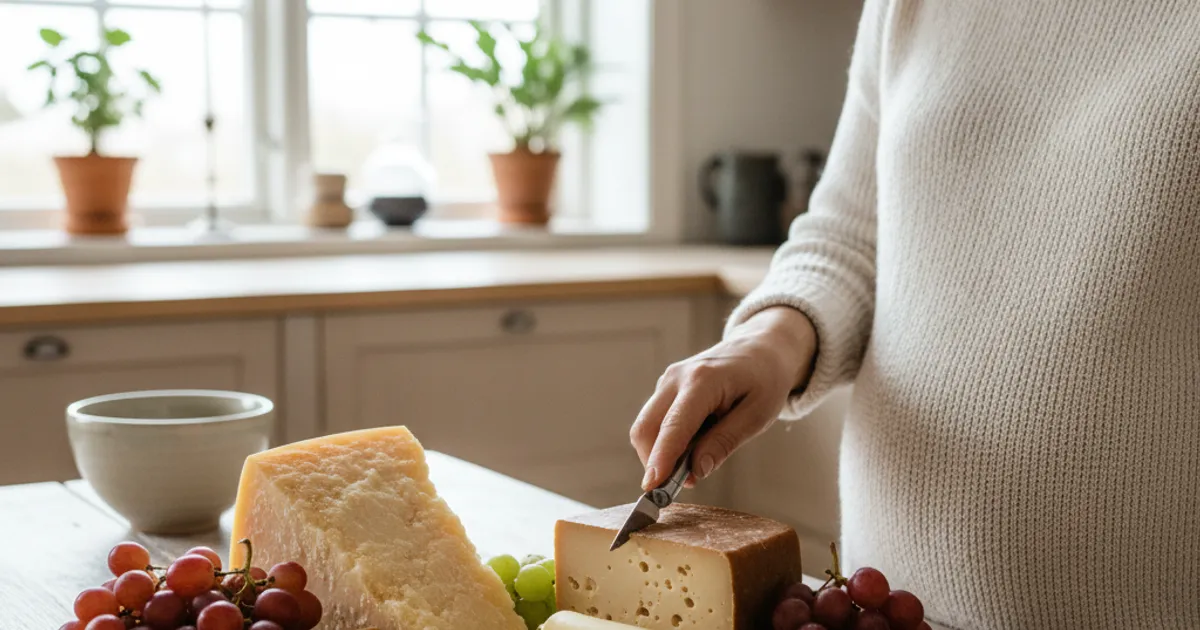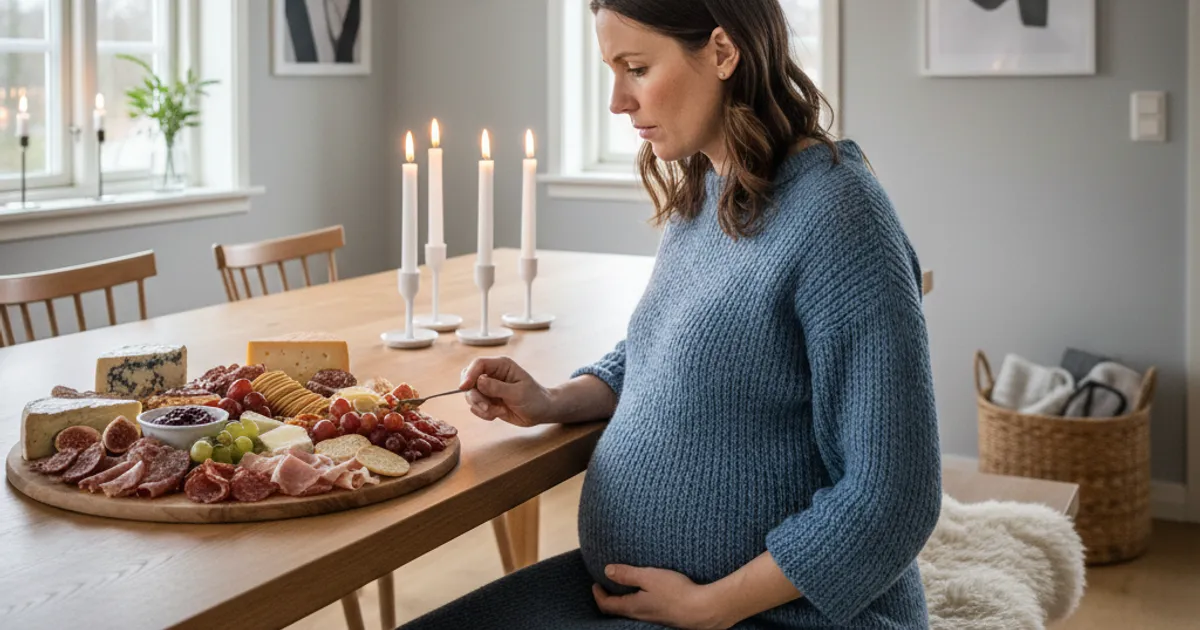
Yes, mozzarella made from pasteurized milk is safe to eat during pregnancy, and that covers most mozzarella sold in grocery stores, whether on pizza, in salads, or in caprese.
There are still some important caveats you should know, especially for soft, fresh varieties, which should be eaten freshly opened. Here is a complete guide based on FDA, WHO, and CDC guidelines.
Quick Answer: Is Mozzarella Safe During Pregnancy?
Yes, pasteurized mozzarella from grocery stores is safe during pregnancy. This applies to both firm pizza mozzarella and the soft, fresh variety packed in water, as long as it is made from pasteurized milk and eaten relatively soon after opening.
According to dairy industry guidelines, which align with FDA recommendations, pregnant women can eat both soft and firm mozzarella made from pasteurized milk. Soft varieties should be eaten freshly opened because the higher moisture content creates better conditions for bacterial growth over time.
The key rule from the FDA: Mozzarella made from pasteurized milk is safe during pregnancy. Soft mozzarella should be eaten freshly opened. All mozzarella that has been heat-treated above 165°F (74°C), such as on pizza, is always safe.
Different Types of Mozzarella and Their Risk
Not all mozzarella is the same. Here is an overview of the most common types and what you need to know as a pregnant woman.
Industrial Mozzarella (Pizza Mozzarella)
The firm, block-shaped mozzarella you find in the refrigerated section (commonly from brands like Galbani or store brands) is safe for pregnant women. This type is:
- Made from pasteurized milk
- Industrially produced under controlled conditions
- Lower in moisture than fresh mozzarella
- Can be stored somewhat longer after opening
Pizza mozzarella is the safest variety, especially when melted on pizza or used in hot dishes.
Fresh Mozzarella in Water
The soft, white mozzarella packed in water (the kind used in caprese salad) is safe if it is pasteurized and freshly opened. Fresh mozzarella has a higher water content than firm mozzarella, which means bacteria can potentially grow faster.
Tips for fresh mozzarella:
- Check that the package states pasteurized milk
- Eat it the same day you open the package
- Store in the refrigerator at below 40°F (4°C)
- Do not eat mozzarella that has been open for several days
Mozzarella di Bufala
Buffalo mozzarella is made from buffalo milk and is a specialty from Italy. At grocery stores in most countries, it is typically made from pasteurized milk and is therefore safe for pregnant women. Be aware though:
- At the grocery store: Usually pasteurized, check the label
- Traveling in Italy: Traditionally made from unpasteurized milk, ask the restaurant
- From specialty deli counters: Harder to know if it is pasteurized
Buffalo mozzarella is a fresh, soft cheese with high moisture content. Follow the same rules as for regular fresh mozzarella: pasteurized and freshly opened.
Burrata
Burrata is a variant of mozzarella with a creamy stracciatella filling. It has an even higher moisture content than regular fresh mozzarella, which means bacteria can grow faster.
Pregnant women can eat burrata if it is made from pasteurized milk and is completely fresh. But burrata should be eaten the same day you buy or open it. Avoid burrata from deli counters or restaurants if you are unsure about storage conditions and pasteurization.
Mozzarella on Pizza and in Hot Food
Always safe. Mozzarella melted on pizza, in casseroles, or in other hot dishes is safe regardless of type. Heat treatment above 165°F (74°C) kills listeria and other harmful bacteria. When the mozzarella bubbles and melts in the oven, the temperature is more than sufficient.
The Listeria Risk. What You Should Know
The reason pregnant women should be cautious about certain cheeses is the bacterium Listeria monocytogenes. Here is the most important information.
What Is Listeria?
Listeria is a bacterium found naturally in soil, water, and the intestines of animals. What makes listeria unique is that it can grow even at refrigerator temperatures, where most other bacteria stop multiplying.
Why Is Listeria Dangerous for Pregnant Women?
According to the CDC, pregnant women are more susceptible to listeriosis because the immune system is naturally suppressed during pregnancy. For most adults, listeria causes only mild flu-like symptoms, but for pregnant women the consequences can be severe:
- Miscarriage
- Premature birth
- Stillbirth
- Serious illness in the newborn
How Common Is Listeriosis?
According to the CDC, listeriosis is relatively rare. In the United States, approximately 1,600 people get listeriosis each year, and about 260 die. Pregnant women are about 10 times more likely than the general population to get listeriosis. Known outbreaks have been linked to deli meats, soft cheeses, and smoked seafood, not typically mozzarella.
Even though the risk is very low, the consequences are serious enough that the FDA recommends a precautionary approach. Follow the guidelines, but don't let it cause unnecessary anxiety.
What Makes Listeria Thrive in Mozzarella?
Listeria thrives best in foods with high moisture content stored in the refrigerator over time. Fresh mozzarella in water has exactly these characteristics. Therefore, the main rule is simple:
- Pasteurized mozzarella = safe (pasteurization kills listeria)
- Freshly opened = safe (listeria needs time to grow)
- Heat-treated = always safe (heat above 165°F kills listeria)
Safe Handling and Storage
To minimize risk further, follow these practical guidelines:
Storage
- Keep mozzarella in the refrigerator below 40°F (4°C)
- Eat fresh mozzarella the same day you open the package
- Pizza mozzarella can last a few days after opening, but use it quickly
- Discard mozzarella that has changed color, smell, or texture
- Store mozzarella separately from raw meat, fish, and vegetables
At the Store
- Choose mozzarella in unopened original packaging
- Check the use-by date
- Look for "pasteurized milk" in the ingredient list
- Avoid mozzarella from open deli counters where cross-contamination can occur
At a Restaurant
- Mozzarella on pizza, in casseroles, or other hot food is always safe
- Fresh mozzarella in salad, ask if it is pasteurized and freshly opened
- When traveling abroad: be extra vigilant, especially in Italy and Mediterranean countries
- If in doubt, choose dishes where the mozzarella is heat-treated
Simple tip: Making caprese salad at home? Open a new package of pasteurized mozzarella and use it right away. Then you're completely on the safe side.
Other Cheeses to Eat and Avoid During Pregnancy
Mozzarella is just one of many cheeses you may be wondering about. Here is a complete overview based on FDA and CDC guidelines.
Safe Cheeses During Pregnancy
| Cheese | Explanation |
|---|---|
| Mozzarella (pasteurized) | Safe, eat freshly opened |
| Cheddar, Colby, Monterey Jack | Semi-firm cheese from pasteurized milk |
| Parmesan, Grana Padano | Hard cheese, safe even if made from unpasteurized milk |
| Emmental, Gruyère, Swiss | Hard cheese, safe regardless of milk type |
| American cheese, processed cheese | Heat-treated during production |
| Cream cheese, cottage cheese | Pasteurized and industrially produced |
| Feta (packaged) | Pasteurized and freshly opened |
| Ricotta | Pasteurized, completely safe |
Cheeses to Avoid
| Cheese | Why |
|---|---|
| Brie, Camembert | Soft white-mold cheeses, listeria can grow in the moist environment |
| Gorgonzola, Roquefort, Stilton | Blue-mold cheeses, good growing conditions for listeria |
| Taleggio, Limburger | Washed-rind cheeses, risk regardless of pasteurization |
| Chèvre with white mold | Soft moldy cheese, same risk as brie |
| Unpasteurized fresh cheese | Raw milk + soft texture = higher risk |
The Big Exception
All cheeses are safe when heat-treated to above 165°F (74°C). This means baked brie, gorgonzola in pasta, and blue cheese on thoroughly heated pizza are completely safe. Heat kills listeria bacteria.
Read more about other cheeses in our detailed guides on parmesan during pregnancy and feta cheese during pregnancy.
Frequently Asked Questions
Can pregnant women eat mozzarella on pizza?
Yes, completely safe. Mozzarella melted on pizza is heat-treated to well above 165°F (74°C), which kills all disease-causing bacteria. You can safely eat pizza with mozzarella throughout your pregnancy, regardless of whether the mozzarella was originally pasteurized or not.
Can pregnant women eat caprese salad?
Yes, as long as the mozzarella is made from pasteurized milk and is freshly opened. Most mozzarella in grocery stores is pasteurized. Open a new package and use it immediately to be completely safe. Avoid caprese at restaurants if you are unsure about the storage conditions.
Are mozzarella sticks (fried) safe during pregnancy?
Yes, fried mozzarella sticks are safe. They are heat-treated to well above 165°F (74°C) during frying, which kills any listeria bacteria. Make sure they are cooked through and eat them freshly fried.
What if I ate mozzarella that had been sitting open in the refrigerator?
Don't panic. The chance of getting sick is very low. According to the CDC, listeriosis remains relatively rare even among pregnant women. Monitor yourself for symptoms (fever, muscle aches, flu-like feelings) over the next 2–4 weeks. Contact your doctor if you develop a fever above 100.4°F (38°C).
Can pregnant women eat mozzarella from a deli counter?
Be cautious. Mozzarella from an open deli counter may have been sitting out, and there is a risk of cross-contamination with other products. Instead, choose mozzarella in sealed original packaging from the refrigerated section. If you buy from a deli counter, ask whether the cheese is pasteurized and how fresh it is.
Read Also
Want to read more about safe eating during pregnancy? Here are more of our guides:
- Parmesan during pregnancy: Which cheeses are safe?. Complete cheese guide for pregnancy
- Feta during pregnancy: Can you eat it safely?. Everything about feta in pregnancy
- Sushi during pregnancy: What can you eat?. Detailed sushi guide
- Smoked salmon during pregnancy: Safe or not?. About smoked fish in pregnancy
- Foods to avoid during pregnancy. Complete overview of foods to skip
- Pregnancy nutrition guide. What you should eat more of
Useful tools:
- Due Date Calculator. Calculate your due date
- Pregnancy calendar week by week. Follow your pregnancy
- Pregnancy checklists. Keep track of everything you need
Sources
- FDA. "Advice About Eating Fish." fda.gov (updated 2024). Read here
- FDA. "Listeria (Listeriosis)." fda.gov. Read here
- CDC. "Listeria (Listeriosis). Prevention." cdc.gov (updated 2024). Read here
- WHO. "Listeriosis." who.int (updated 2024). Read here
- American College of Obstetricians and Gynecologists (ACOG). "Nutrition During Pregnancy." acog.org (updated 2023). Read here
Last updated: July 2026. This article is based on current guidelines from the FDA, CDC, and WHO. It does not replace medical advice, contact your midwife or doctor if you have specific questions.
🔧 Helpful Tools
- Due Date Calculator. Calculate your estimated due date
- Contraction Timer. Track your contractions during labor
- All Baby Tools. Browse all free tools for pregnancy and baby care
📖 Related Articles
- Deli Meats During Pregnancy: What Is Safe to Eat?. Can you eat deli meats and cured meats while pregnant? Learn about toxoplasmosis risk, which meat products are safe, and official guidelines for cured meats during pregnancy.
- Feta Cheese During Pregnancy: Is It Safe?. Can you eat feta cheese while pregnant? Learn about pasteurized vs. unpasteurized cheese, listeria risk, and which cheeses are safe. Based on WHO and food safety guidelines.
- Foods to Avoid During Pregnancy: Complete Safety Guide. Complete guide to safe and unsafe foods during pregnancy. Sushi, smoked salmon, cheese, coffee, seafood, meat and supplements - based on FDA and WHO guidelines.