You're pregnant, congratulations! But what can you actually eat?
There's a lot of information out there. Some is outdated, some is excessively cautious. Here you'll find up-to-date, evidence-based recommendations you can trust.
What Is Best to Eat When Pregnant?
Pregnant women should generally follow healthy eating guidelines, with a few extra adjustments.
According to the WHO and major nutrition bodies, you should eat:
- Whole grains, whole grain bread, oats, brown rice
- Vegetables, fruits, and berries, with every meal
- Fish and seafood, 2–3 times per week
- Beans, lentils, and peas, excellent protein sources
- Low-fat dairy, for calcium
- Nuts and seeds, healthy fats
Cook at home when you can. Choose minimally processed foods and aim for a colorful plate with plenty of variety.
Are Oats Good for Pregnant Women?
Yes! Oatmeal is an excellent breakfast during pregnancy. Oats contain fiber, iron, and help keep blood sugar stable, all important during pregnancy.
Important Vitamins and Supplements During Pregnancy
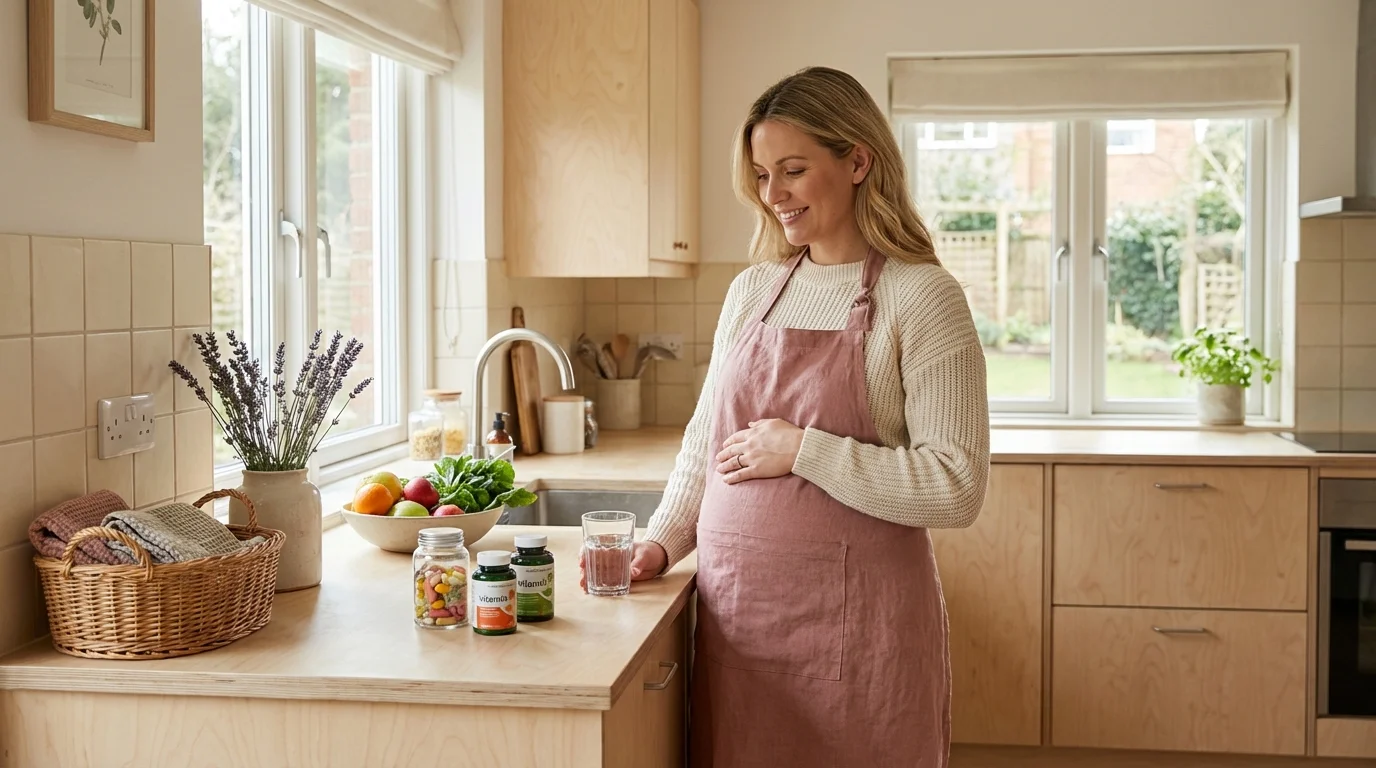
Even with a varied diet, most women need a few extra supplements during pregnancy.
Folic Acid. The Most Important Supplement
Take 400 micrograms of folic acid daily from at least one month before you start trying to conceive, and through the first trimester.
Folic acid protects against neural tube defects (such as spina bifida) in the baby. This is so important that you should take a supplement even if you eat folate-rich foods.
Iron. Based on Your Iron Stores
Iron requirements increase during pregnancy. The recommended approach varies:
| Ferritin Level | Recommendation |
|---|---|
| Over 70 µg/L | Supplement not needed |
| 30–70 µg/L | 40 mg iron daily from weeks 18–20 |
| Under 30 µg/L | Higher dose, discuss with your provider |
Good iron sources include lean red meat, liver pâté, fortified cereals, legumes, and eggs.
Omega-3. Important for Baby's Brain Development
You need at least 200 mg DHA daily. DHA is an omega-3 fatty acid that's crucial for your baby's brain and eye development.
Eating fatty fish 2–3 times per week? Then you're likely getting enough. Otherwise, take an omega-3 supplement (from algae or fish oil).
Vitamin D
Most pregnant women need 10–15 micrograms (400–600 IU) of vitamin D daily, especially during winter months or if you have limited sun exposure.
Sources: fatty fish, eggs, fortified milk, and fortified cereals.
What Should You Absolutely NOT Eat When Pregnant?
Here is the complete list of foods to avoid.
Avoid Due to Listeria and Toxoplasmosis Risk
- Raw or undercooked meat, carpaccio, steak tartare, pink/rare beef
- Cold cured meats, salami, prosciutto, chorizo (unless cooked through)
- Raw or smoked seafood, including smoked salmon and gravlax unless thoroughly heated
- Unpasteurized milk and cheeses made from it
- Soft mold-ripened cheeses, brie, camembert, gorgonzola, and blue cheese. These can contain Listeria even when made from pasteurized milk, because the ripening process creates favorable conditions for bacterial growth. Safe only when heated until steaming throughout (above 75°C/165°F)
All meat must be cooked through. There should be no pink, and the juices must run clear.
Fish and Seafood to Avoid
Some fish species contain too many environmental pollutants (mercury, PCBs):
- Shark, swordfish, and king mackerel, avoid completely (high mercury)
- Tilefish and bigeye tuna, avoid
- Albacore tuna, limit to 6 oz (170g) per week
- Raw shellfish, oysters, clams, mussels (when raw)
The FDA and EPA recommend pregnant women eat 2–3 servings per week of low-mercury fish (salmon, shrimp, cod, tilapia, sardines).
Liver. What's Actually Okay?
Regular liver and liver products from beef, pork, or chicken contain very high levels of vitamin A (retinol). Too much preformed vitamin A can harm fetal development.
Avoid: liver, liver pâté, and supplements containing high-dose vitamin A (retinol).
Safe: beta-carotene from fruits and vegetables (such as carrots and sweet potatoes), the body converts this to vitamin A safely without risk of overdose.

Sushi During Pregnancy. Can You Eat It?
Sushi with raw fish should be avoided during pregnancy. Raw and lightly cured fish can contain Listeria bacteria and parasites, both of which can be dangerous for the baby.
The FDA, CDC, and most international health authorities recommend that pregnant women avoid raw fish, including sushi with raw salmon or tuna. The risk of Listeria is small, but the consequences can be serious.
Sushi you CAN eat when pregnant:
- Sushi with cooked shrimp
- Sushi with cooked or baked salmon
- Sushi with cooked egg (tamago)
- Vegetarian sushi, with avocado, cucumber, mango
- Sushi with fried fish (tempura) that is cooked through
In short: choose sushi where the ingredients are cooked, baked, or plant-based.
Caffeine During Pregnancy. How Much Is Okay?
Maximum 200 mg of caffeine per day.
That's approximately:
- 1–2 cups of drip coffee
- 2–3 cups of tea
- 3–4 glasses of cola
Remember that caffeine is found in coffee, tea, cola, energy drinks, and chocolate, and it all counts together!
One cup of drip coffee contains approximately 95–100 mg of caffeine. A single espresso shot has a similar amount.
Can Pregnant Women Eat Fast Food?
Yes! Burgers and other fast food are safe as long as they are fully cooked through.
Regular hard cheeses like cheddar on a burger are perfectly safe. Just avoid soft, unripened cheeses.
Foods That Are Safe Despite the Confusion
Here is a list of foods that often cause concern but are actually fine:
Safe to eat:
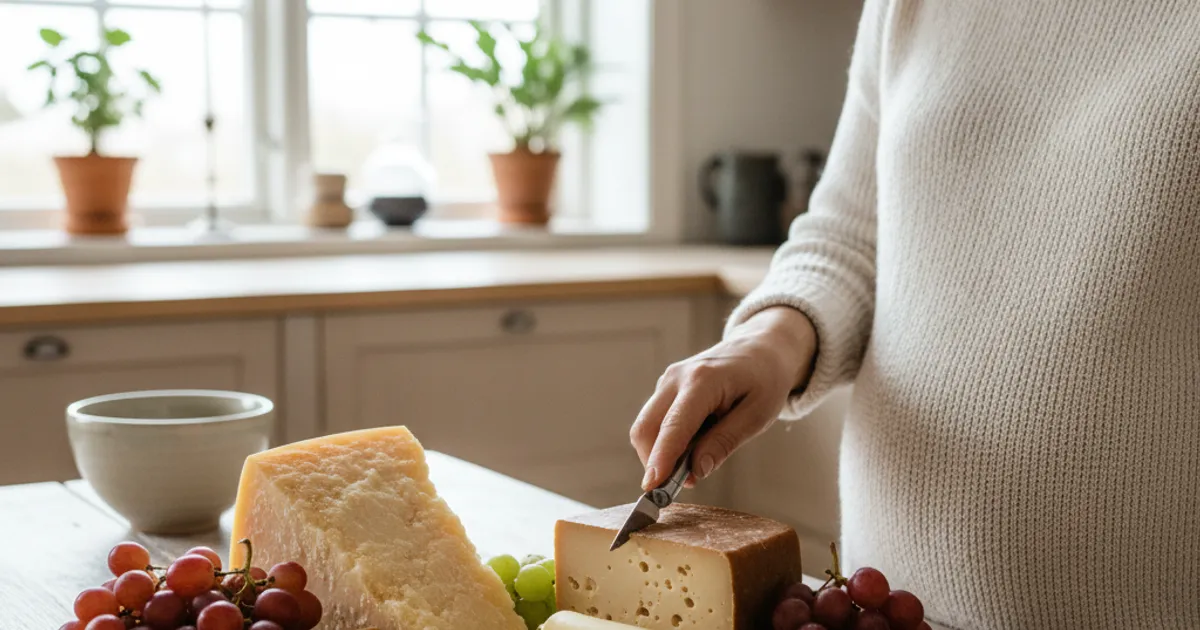
- Hard cheeses, cheddar, parmesan, Swiss
- Pasteurized milk and yogurt
- Fully cooked eggs
- Sushi with cooked/heated ingredients (shrimp, egg, vegetables)
- Smoked salmon when thoroughly heated (in a casserole, on hot pizza)
- Decaf coffee
- Up to 2 cups of regular coffee per day
Avoid:
- Raw fish, including raw sushi
- Cold smoked salmon (unless thoroughly heated)
- Cold cured meats (unless cooked through)
- Raw eggs in homemade mayonnaise or dressings
- Unpasteurized cheese and soft mold-ripened cheeses (brie, camembert, gorgonzola)
- Liver and liver products
- More than 200 mg caffeine per day

Frequently Asked Questions
Can pregnant women eat sushi?
Sushi with raw fish should be avoided during pregnancy due to the risk of Listeria and parasites. You can safely eat sushi with cooked shrimp, baked salmon, egg (tamago), fried fish (tempura), and vegetarian sushi with avocado and cucumber.
How much coffee can I drink when pregnant?
A maximum of 200 mg of caffeine per day, which is roughly 1–2 cups of drip coffee. Remember that caffeine is also found in tea, cola, energy drinks, and chocolate, it all adds up.
Is liver safe during pregnancy?
Liver and liver products should be avoided during pregnancy because they contain very high levels of vitamin A (retinol), which can be harmful to the developing baby in large amounts.
What supplements do I need during pregnancy?
Folic acid (400 micrograms daily) is the most important. You may also need iron (depending on your ferritin level), omega-3 (DHA), and vitamin D. Talk to your midwife or OB about what's right for you.
Key Recommendations Summary
- Eat varied, mostly plant-based with plenty of vegetables
- Take folic acid, 400 µg daily in the first trimester (ideally before conception too)
- Check your iron levels, supplement if needed
- Eat fish, 2–3 times per week (low-mercury varieties)
- Avoid raw or undercooked food, everything should be thoroughly cooked
- Max 200 mg caffeine, roughly 1–2 cups of coffee
When in doubt, ask your midwife or OB. They know your individual situation best.
Read More
- Pregnancy symptoms guide
- Glucose tolerance test in pregnancy
- Flying during pregnancy safely
- Traveling during pregnancy tips
Sources
- WHO. Nutrition during pregnancy
- FDA. Advice about eating fish
- CDC. Foods to avoid or limit during pregnancy
- ACOG. Nutrition during pregnancy
🔧 Helpful Tools
- Due Date Calculator. Calculate your estimated due date
- Contraction Timer. Track your contractions during labor
- All Baby Tools. Browse all free tools for pregnancy and baby care
📖 Related Articles
- Feta Cheese During Pregnancy: Is It Safe?. Can you eat feta cheese while pregnant? Learn about pasteurized vs. unpasteurized cheese, listeria risk, and which cheeses are safe. Based on WHO and food safety guidelines.
- Foods to Avoid During Pregnancy: Complete Safety Guide. Complete guide to safe and unsafe foods during pregnancy. Sushi, smoked salmon, cheese, coffee, seafood, meat and supplements - based on FDA and WHO guidelines.
- Ginger During Pregnancy: Safe for Nausea?. Can pregnant women use ginger for nausea? Learn about safe amounts, ginger tea vs. ginger shots, and what health authorities say. Based on current medical guidelines.