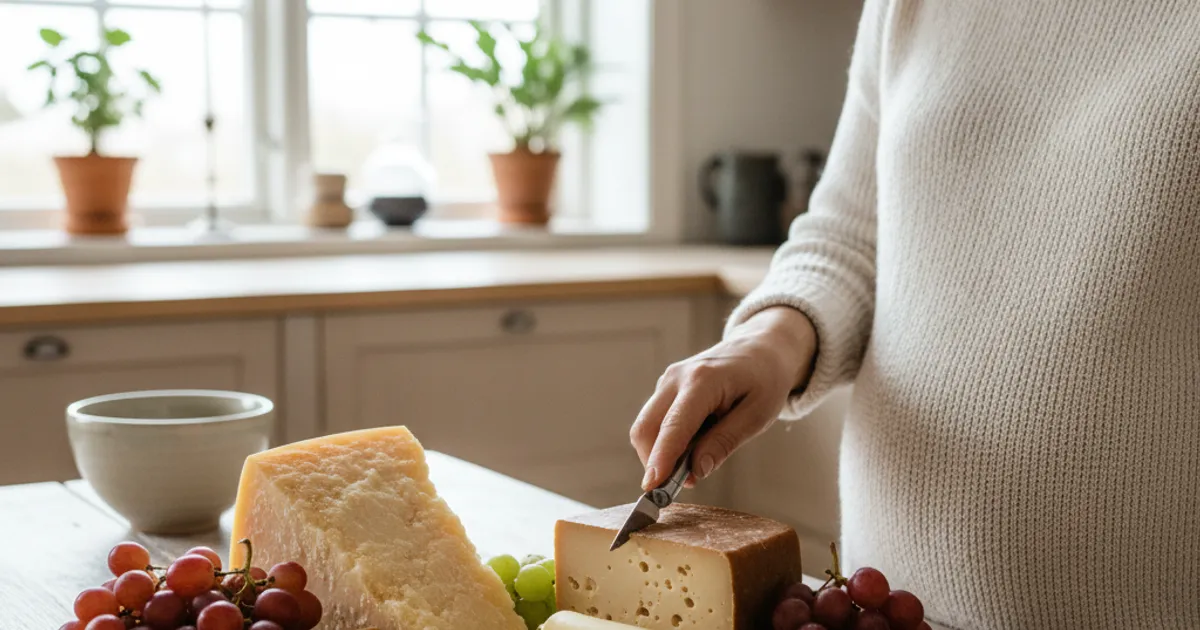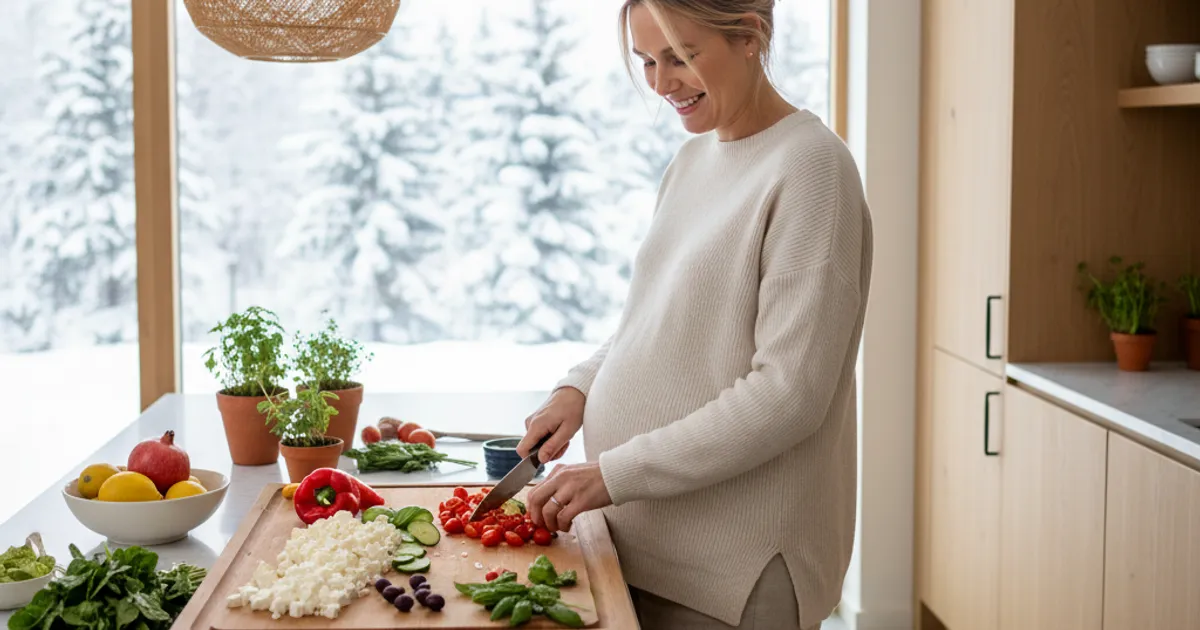
You've just found out you're pregnant, and suddenly every meal feels like a minefield. Feta in the salad? Brie for lunch? Parmesan on the pasta? Which cheeses are actually safe?
The short answer: Yes, pregnant women can eat feta cheese, but it depends on the type and how it's stored. Here is a complete guide to cheese during pregnancy, based on guidelines from the WHO, FDA, and food safety authorities.
Why Are Some Cheeses Risky During Pregnancy?
The concern is about one specific bacterium: Listeria monocytogenes.
Listeria occurs naturally in soil, water, and the intestines of many animals. What makes this bacterium particularly dangerous is that it can grow even at refrigerator temperature, unlike most other harmful bacteria.
What Can Listeria Do to the Baby?
For most adults, listeriosis causes only mild flu-like symptoms. But for pregnant women, the consequences can be serious:
- Miscarriage
- Stillbirth
- Premature birth
- Serious illness in the newborn
According to the CDC, the likelihood of contracting listeria is very low, but the consequences can be severe. Pregnant women are especially vulnerable because the immune system is naturally suppressed during pregnancy.
Why Does Listeria Thrive in Some Cheeses?
Listeria thrives best in foods that:
- Have a long shelf life
- Are stored in the refrigerator
- Are eaten without heating
- Have high water content (like soft cheeses)
Soft cheeses contain more moisture than hard cheeses, which provides better conditions for bacterial growth. Even when listeria is rarely found in cheese, if it is present, it can grow to harmful levels during storage.
Can Pregnant Women Eat Feta Cheese? Yes, But...
According to food safety guidelines, pasteurized feta cheese is safe for pregnant women under the following conditions:
- The cheese is made from pasteurized milk, check the ingredients list
- The package is freshly opened, eat soon after opening
- The cheese has been properly refrigerated
Feta in jars of oil or brine is generally considered safe for pregnant women, provided it is pasteurized and freshly opened.
Practical tip: Most commercially produced feta in grocery stores is made from pasteurized milk. If the ingredient list just says "milk" (without "unpasteurized" or "raw"), the milk is pasteurized.
Feta to Avoid
- Feta made from unpasteurized (raw) milk, may contain listeria
- Feta from a deli counter where it has been cut, risk of cross-contamination
- Feta that has been open for a long time in the refrigerator, listeria grows over time
Complete Overview: Safe and Unsafe Cheeses During Pregnancy
Cheeses You CAN Eat While Pregnant
| Cheese | Explanation |
|---|---|
| Cheddar, Colby, Monterey Jack | Semi-hard cheese made from pasteurized milk, listeria does not thrive here |
| Parmesan and Grana Padano | Hard cheese, safe even if made from unpasteurized milk |
| Emmental and Gruyère | Hard cheese, safe regardless of milk type |
| Processed cheese slices | Heat-treated during production |
| Cream cheese (from pasteurized milk) | Safe when freshly opened |
| Feta/salad cheese in jars | Pasteurized and freshly opened |
| Mozzarella from pasteurized milk | Fresh, soft mozzarella, eat soon after opening |
| Cottage cheese | Pasteurized, completely safe |
| Ricotta (pasteurized) | Safe when from pasteurized milk |
| Quark/fromage blanc (pasteurized) | Completely safe |
Cheeses to AVOID During Pregnancy
| Cheese | Why |
|---|---|
| Brie, Camembert | Soft white mold cheeses, good conditions for listeria growth, even when pasteurized |
| Gorgonzola, Roquefort, Stilton | Blue mold cheeses, good conditions for listeria growth, even when pasteurized |
| Chèvre (soft goat cheese) | Soft mold cheese, same risk as brie |
| Taleggio, Munster, Limburger | Washed rind cheeses, listeria risk regardless of pasteurization |
| Unpasteurized semi-soft cheeses | Made from raw milk without sufficient aging |
| Fresh cheese from unpasteurized milk | Raw milk + soft consistency = higher risk |
Easy rule: Hard cheeses and firm cheddar-style cheeses = safe. Soft mold cheeses (brie, camembert, gorgonzola) = avoid, even if pasteurized. All cheese heated to over 160°F (70°C) = safe.
How Do You Know If Cheese Is Pasteurized?
In the US, EU, and many other countries, cheese producers are required to label cheeses made from unpasteurized milk. The label should indicate:
- "Made from raw milk"
- "Made from unpasteurized milk"
- Or similar wording
If there is no mention of unpasteurized or raw milk, the cheese is made from pasteurized milk.
Check the Ingredients List
- "Milk" = pasteurized (safe)
- "Unpasteurized milk" or "raw milk" = not pasteurized (use caution)
Pasteurization involves heat treatment at at least 161°F (72°C) for 15 seconds, which kills listeria and other harmful bacteria.
Still Unsure?
Contact the manufacturer or importer directly if you are uncertain about a cheese product.
The Big Exception: Heat-Treated Cheese
Here is the good news for cheese lovers: All cheeses are safe when heated to over 160°F (70°C).
That means you can safely eat:
- Baked brie, as long as it is thoroughly hot
- Gorgonzola in pasta, in a cooked sauce
- Cheese on pizza, thoroughly cooked
- Cheese in lasagna or gratin, heated through
- Toasted cheese sandwiches, heated until the cheese bubbles
Listeria is killed by heat treatment above 160°F (70°C) for at least 15 seconds. So if you're craving brie, bake it in the oven!
Freezing is NOT enough! Contrary to what many people believe, listeria survives freezing. Only heat treatment kills the bacteria.
Deli Counter Cheese. Extra Caution
Some stores have deli counters with pre-sliced cheeses. Be extra careful here because:
- Cheeses can become cross-contaminated when cut in the store
- Pasteurized and unpasteurized cheeses may be handled on the same cutting board
- Sliced cheese has a larger surface area where bacteria can attach
Choose instead pre-packaged cheeses in sealed packaging from the manufacturer.
Practical Tips for Safe Cheese During Pregnancy
Storage
- Keep cheese refrigerated below 40°F (4°C)
- Eat opened cheese quickly, don't let it sit for weeks
- Check expiration dates, listeria can grow even in the refrigerator
- Store cheese separately from raw meat and fish
Shopping
- Read the ingredients list, check for pasteurized milk (or simply "milk")
- Choose commercially packaged products as a safe default
- For imported cheese: look for labeling about unpasteurized/raw milk
- At the deli counter: choose pre-packaged products
Eating Out
- Ask if the cheese is pasteurized
- Avoid cheese boards with soft mold cheeses
- Pizza, gratin, and other hot cheese dishes are safe
- Ask to swap brie/camembert for cheddar or parmesan
How Much Cheese Should Pregnant Women Eat?
Cheese is an excellent source of nutrition during pregnancy. It contains:
- Calcium, essential for the baby's bone development
- Protein, necessary for fetal growth
- B vitamins, support the nervous system
- Iodine, important for brain development
WHO and AAP dietary guidelines recommend dairy products as part of a balanced diet during pregnancy. You do not need to limit the amount of safe cheeses, they are a valuable part of a healthy pregnancy diet.
Did you know? Hard cheeses like parmesan contain about 35g of protein per 100g. A single serving of cheddar provides a significant portion of your daily calcium needs.
Cheese While Traveling. Extra Care Abroad
When traveling during pregnancy, be extra cautious about cheese:
Mediterranean Countries (Italy, Greece, France)
Many traditional cheeses in Mediterranean countries are made from unpasteurized milk. Traditional feta in Greece, for example, is made from raw sheep and goat milk. In restaurants, it may be difficult to know whether cheese is pasteurized.
Tip: Order dishes where the cheese is thoroughly heated (for example, baked feta, pizza, gratin dishes). Ask if the cheese is "pasteurized" if you are unsure.
France
French cheeses such as brie, camembert, roquefort, and chèvre are often made from unpasteurized milk. Many of these are also soft mold cheeses that should be avoided regardless of pasteurization.
Supermarket Cheese. Safest Option
Commercial dairy products from established grocery store brands are generally safe because most commercially sold milk is pasteurized. When in doubt, opt for major brands and check labels carefully.
What Should You Do If You've Eaten the "Wrong" Cheese?
Have you accidentally eaten unpasteurized cheese or mold cheese? Don't panic.
According to the CDC, the risk of listeriosis is very low, even after eating risk products. But be alert to symptoms over the next few weeks:
- Fever
- Flu-like symptoms
- Mild digestive symptoms
Contact your doctor if you develop fever or other symptoms after eating risk products. If you are symptom-free, the risk is very low, but remain alert for any symptoms.
Frequently Asked Questions
Can pregnant women eat feta cheese in salad?
Yes, pregnant women can eat feta cheese in salad, provided the cheese is made from pasteurized milk and is freshly opened. Feta in jars of oil or brine from grocery stores is generally pasteurized. Check the ingredients list to be sure. Avoid feta from a deli counter where it may have been pre-sliced.
Can pregnant women eat mozzarella?
Yes, mozzarella from pasteurized milk is safe for pregnant women. Both fresh (soft) and firm mozzarella can be eaten. Fresh mozzarella should be eaten soon after opening. Mozzarella on pizza is always safe because it is heat-treated.
Is ricotta safe during pregnancy?
Yes! Ricotta made from pasteurized milk is completely safe for pregnant women. Check the label to confirm it's made from pasteurized milk.
Can pregnant women eat parmesan?
Yes, parmesan is safe during pregnancy, even though it is made from unpasteurized milk. Because parmesan is a hard, dry, and well-aged cheese, listeria does not thrive in it. The same applies to Grana Padano, Emmental, and Gruyère.
What is the difference between pasteurized and unpasteurized cheese?
Pasteurized cheese is made from milk that has been heat-treated to at least 161°F (72°C) for 15 seconds. This process kills harmful bacteria such as listeria. Unpasteurized (raw) cheese is made from untreated milk. Manufacturers are required to label cheeses made from unpasteurized milk. If the ingredient list just says "milk," the cheese is pasteurized.
Summary: Simple Cheat Sheet for Cheese During Pregnancy
Always safe:
- Cheddar, Colby, Monterey Jack, and similar firm cheeses
- Parmesan and Grana Padano
- Processed cheese slices
- Pasteurized feta (freshly opened)
- Cottage cheese, ricotta, cream cheese (pasteurized)
- Any cheese heated to over 160°F (70°C)
Avoid:
- Brie, Camembert, Gorgonzola, Chèvre, Roquefort, Stilton
- All cheeses made from unpasteurized milk (unless hard and well-aged)
- Deli counter cheese (pre-sliced)
- Cheese that has been open for a long time
Easy rule: Commercial hard cheeses are always safe. Soft mold cheeses are always no. When in doubt, check the ingredients list or choose a heated cheese dish.
Read More
- Complete Guide: Foods to Avoid During Pregnancy
- Sushi and Pregnancy: What Can You Eat?
- Complete Nutrition Guide for Pregnancy
Sources
- FDA. "Advice About Eating Fish." fda.gov
- CDC. "Listeria (Listeriosis)." cdc.gov
- WHO. "Food Safety During Pregnancy." who.int
- American College of Obstetricians and Gynecologists (ACOG). "Nutrition During Pregnancy."
🔧 Helpful Tools
- Due Date Calculator. Calculate your estimated due date
- Contraction Timer. Track your contractions during labor
- All Baby Tools. Browse all free tools for pregnancy and baby care
📖 Related Articles
- Parmesan During Pregnancy: Which Cheeses Are Safe?. Can pregnant women eat parmesan, goat cheese, brie, and mozzarella? Complete guide to cheese during pregnancy with international guidelines on listeria risk.
- Smoked Salmon During Pregnancy: Is It Safe to Eat?. Can pregnant women eat smoked salmon? Complete guide to smoked salmon, gravlax, and sushi during pregnancy. Guidelines from food safety authorities and WHO on listeria risk.
- Deli Meats During Pregnancy: What Is Safe to Eat?. Can you eat deli meats and cured meats while pregnant? Learn about toxoplasmosis risk, which meat products are safe, and official guidelines for cured meats during pregnancy.