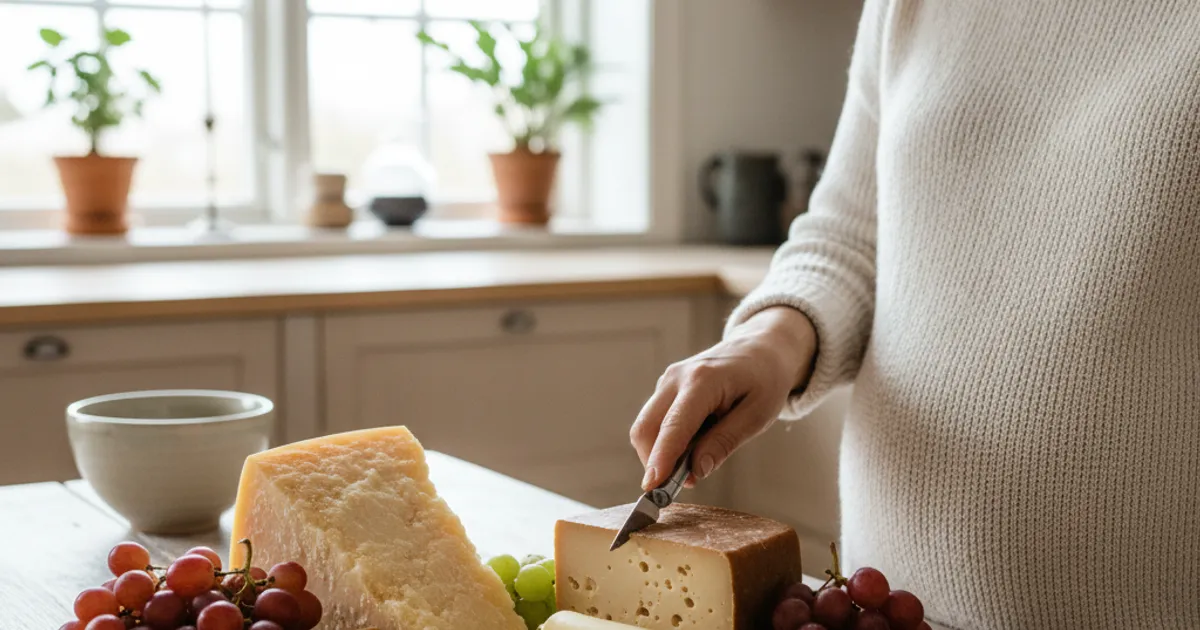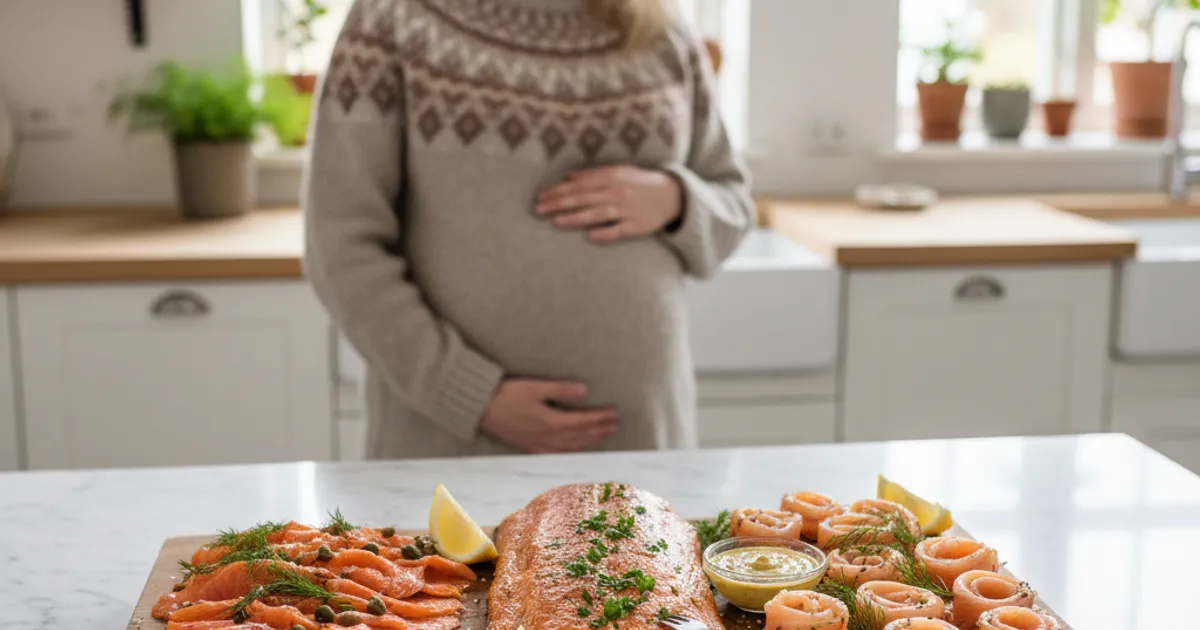
It depends on the type: hot-smoked salmon is safe during pregnancy, while cold-smoked salmon and gravlax (cured salmon) should be avoided due to the risk of listeria, according to food safety authorities.
Fully cooked salmon, pan-fried, baked, or poached, is always a safe and nutritious choice. Here you'll find a complete overview of what is safe and what to avoid.
Can pregnant women eat smoked salmon? The short answer: it depends on the type. Cold-smoked salmon and gravlax are not safe, they are not heat-treated and can harbor listeria bacteria. Hot-smoked salmon (cooked to at least 70°C / 160°F internal temperature) is safe. Fully cooked salmon, pan-fried, baked, or poached, is always a safe and nutritious choice during pregnancy. The salmon cook temp for pregnancy recommended by food safety authorities is 70°C (160°F) throughout.
Quick Answer: What Is Safe and What Is Not?
| Type of salmon | Safe for pregnant women? | Reason |
|---|---|---|
| Hot-smoked salmon | Yes | Heat-treated, kills listeria |
| Cold-smoked salmon | No | Not sufficiently heat-treated |
| Gravlax (cured salmon) | No | Not heat-treated, only cured |
| Cooked/pan-fried salmon | Yes | Fully heated through |
| Oven-baked salmon | Yes | Fully heated through |
| Sushi with raw salmon | No | Raw fish |
| Salmon in hot stir-fry | Yes | Fully cooked |
| Smoked salmon on pizza | Yes, if fully heated | Hot pizza kills bacteria |
The main rule from food safety authorities: Pregnant women should avoid all fish and seafood that has not been thoroughly heated. This means that smoked salmon that has been heated to at least 70°C (160°F) internal temperature is safe.
Why Is Smoked Salmon Risky for Pregnant Women?
The risk is related to the bacterium Listeria monocytogenes. Listeria can survive and multiply in the refrigerator, unlike most other foodborne bacteria.
What Is Listeria?
Listeria is a bacterium found in soil, water, and in animals. It can contaminate foods during production and survives:
- Refrigerator temperature (40°F / 4°C)
- Vacuum packaging, can grow without oxygen
- Salting and smoking, survives cold-smoking and curing
Listeriosis During Pregnancy
Pregnant women are 10–20 times more likely to develop listeriosis than the general population, according to the CDC. This is because the immune system is naturally suppressed during pregnancy.
Symptoms can include:
- Fever and flu-like symptoms
- Muscle pain and headache
- Nausea and diarrhea
- Can occur up to 70 days after infection
Consequences for the Baby
Listeriosis during pregnancy can lead to serious complications:
- Premature birth
- Infection in the newborn
- In the worst case, stillbirth
Important: Listeriosis is fortunately rare. The CDC registers relatively few cases annually, and only a fraction occur in pregnant women. It is about taking sensible precautions.
Different Types of Smoked Salmon. What Is the Difference?
There are several types of smoked salmon available in stores, and the differences are important for pregnant women.
Cold-Smoked Salmon (Avoid)
Cold-smoked salmon is smoked at low temperatures (below 30°C / 86°F). This process creates wonderful flavor, but the temperature is not high enough to kill listeria bacteria. Most vacuum-packed smoked salmon in stores is cold-smoked.
Hot-Smoked Salmon (Safe)
Hot-smoked salmon is smoked at temperatures above 60°C (140°F), usually 70–80°C (160–175°F). This temperature kills listeria effectively. Hot-smoked salmon has a firmer texture and more intense smoky flavor than cold-smoked.
How to tell the difference: Check the package. It should say "hot-smoked." If you are unsure, ask at the fish counter.
Gravlax (Avoid)
Gravlax is cured with salt, dill, sugar, and pepper, but never heat-treated. Although the curing inhibits some bacterial growth, it is not sufficient to eliminate listeria.
Fermented Fish (Avoid)
Fermented fish is not cooked. Pregnant women should avoid fermented fish entirely for the same reason as gravlax.
How to Make Salmon Safe
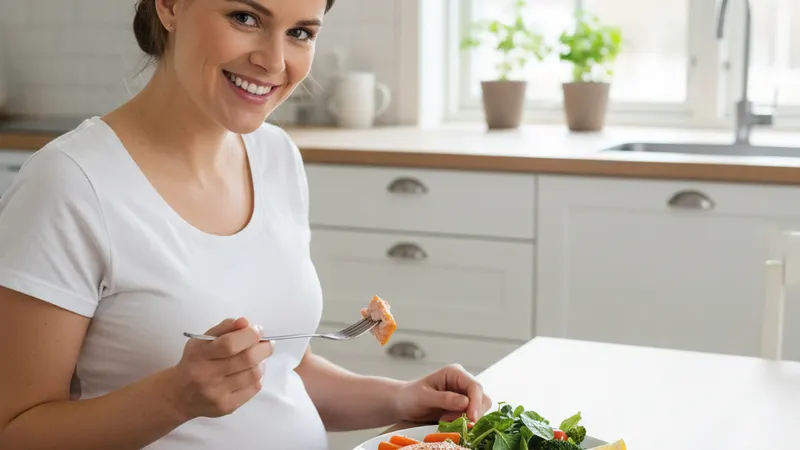
Salmon is an excellent source of nutrients for pregnant women. According to the WHO and AAP, pregnant women should eat 2–3 portions of fish per week. The key is to prepare it correctly.
Always Safe
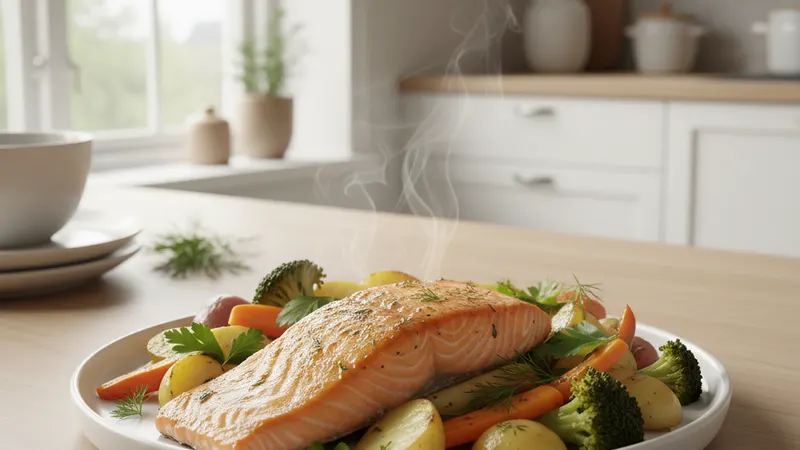
- Pan-fry the salmon until cooked through (at least 70°C / 160°F internal temperature)
- Bake in the oven at 180–200°C (350–400°F) for 15–20 minutes
- Boil or poach, salmon in broth or oven-baked in foil
- Stir-fry on high heat until the salmon is cooked through
Safe with Conditions
- Smoked salmon on hot pizza, if the pizza is freshly made and fully heated through
- Smoked salmon in hot pasta, if heated until fully warm throughout
- Salmon omelet, fully cooked with smoked salmon inside
Always Avoid
- Cold-smoked salmon straight from the package, on bread, in salad
- Gravlax, regardless of preparation
- Sushi with raw salmon, any raw fish, see our sushi during pregnancy guide
- Ceviche, marinade does not kill listeria
- Salmon tartare, raw salmon
Freezing does not kill listeria! Even if fish has been frozen, listeria can survive and multiply again when the fish thaws. Only heat treatment above 70°C (160°F) reliably kills the bacteria.
What About Other Fish and Seafood?
Safe for Pregnant Women (Fully Heated)
- Cod, haddock, pollock, white fish is excellent
- Mackerel, hot-smoked mackerel is safe
- Shrimp, cooked shrimp is safe
- Mussels, fully cooked
- Tuna, in moderate amounts (max 2 cans per week due to mercury)
Should Be Avoided
- Raw sushi and sashimi, all raw fish and raw seafood
- Undercooked scallops, must be cooked through
- Tube caviar, may contain listeria
- Cold-smoked trout and mackerel, same risk as cold-smoked salmon
Limit the Amount of
- Tuna, swordfish, shark, high mercury content
- Pike, high mercury content
- Fish liver, high content of vitamin A and environmental contaminants
Read our complete guide on foods pregnant women should avoid for a full overview, and see our pregnancy nutrition guide for what you should eat more of.
Why Is Salmon Good for Pregnant Women?
Despite the restrictions, salmon is one of the best foods for pregnant women, as long as it is fully cooked:
- Omega-3 fatty acids, important for the baby's brain development
- Protein, building blocks for the baby's growth
- Vitamin D, many people don't get enough, especially in winter
- Iodine, important for the thyroid and the baby's development
- Selenium, antioxidant
The WHO and AAP recommend that pregnant women eat fish 2–3 times per week, and salmon is an excellent choice as long as it is prepared safely.
What Should You Do If You Have Already Eaten Smoked Salmon?
First of all: don't panic. The chance of getting sick from listeria is small, even if you have eaten cold-smoked salmon.
- Monitor yourself over the coming weeks for symptoms (fever, muscle aches, nausea)
- Contact a doctor if you develop a fever above 38°C (100.4°F) with flu-like symptoms
- Listeriosis is treated with antibiotics that are safe during pregnancy
- Most people who eat contaminated food do not get sick, the immune system handles it
According to food safety authorities, only a small proportion of cold-smoked salmon actually contains listeria. Food authority recommendations follow the precautionary principle, not because every package of smoked salmon is dangerous.
Practical Tips for Everyday Life
At the Grocery Store
- Check the expiration date carefully
- Choose hot-smoked salmon if you want a smoked salmon flavor
- Fresh salmon for pan-frying is always safe
- Frozen salmon is just as nutritious as fresh
At a Restaurant
- Ask if the salmon is fully heated through
- Avoid sushi with raw fish, ask for a heat-treated alternative
- Salmon dishes prepared in the oven, stir-fry, or stew are safe choices
- Ask whether cold-smoked or hot-smoked salmon is used
At Social Gatherings
- It is perfectly fine to decline gravlax or cold-smoked salmon
- Explain briefly: "I'm avoiding cold-smoked fish while pregnant"
- Feel free to bring your own food to gatherings if you are unsure
Frequently Asked Questions
Can pregnant women eat vacuum-packed smoked salmon?
Most vacuum-packed smoked salmon is cold-smoked and should be avoided. Check the package for "hot-smoked", then it is safe. If it just says "smoked salmon" without further specification, it is most likely cold-smoked.
Can pregnant women eat smoked salmon that has been heated?
Yes, if the smoked salmon has been heated to at least 70°C (160°F) internal temperature. Smoked salmon in a hot omelet, on a fully heated pizza, or in cooked pasta is safe. However, cold bread with smoked salmon that has been sitting out is not safe.
Is fresh sushi with salmon dangerous for pregnant women?
Food safety authorities recommend that pregnant women avoid all raw fish, including sushi with raw salmon. The risk includes both listeria and other parasites. Sushi with cooked shrimp, avocado, or fully cooked salmon are safe alternatives.
Is gravlax safe if it has been frozen first?
No. Freezing kills parasites (such as Anisakis) but does not kill listeria bacteria. Listeria survives freezing and begins to multiply again at refrigerator temperature after thawing.
Sources and References
- FDA, Fish: What Pregnant Women and Parents Should Know
- CDC, Listeria (Listeriosis)
- WHO. Nutrition in Pregnancy
- AAP. Dietary Guidance for Pregnant and Breastfeeding Women
- USDA, Food Safety for Pregnant Women
🔧 Helpful Tools
- Due Date Calculator. Calculate your estimated due date
- Contraction Timer. Track your contractions during labor
- All Baby Tools. Browse all free tools for pregnancy and baby care
📖 Related Articles
- Feta Cheese During Pregnancy: Is It Safe?. Can you eat feta cheese while pregnant? Learn about pasteurized vs. unpasteurized cheese, listeria risk, and which cheeses are safe. Based on WHO and food safety guidelines.
- Deli Meats During Pregnancy: What Is Safe to Eat?. Can you eat deli meats and cured meats while pregnant? Learn about toxoplasmosis risk, which meat products are safe, and official guidelines for cured meats during pregnancy.
- Foods to Avoid During Pregnancy: Complete Safety Guide. Complete guide to safe and unsafe foods during pregnancy. Sushi, smoked salmon, cheese, coffee, seafood, meat and supplements - based on FDA and WHO guidelines.