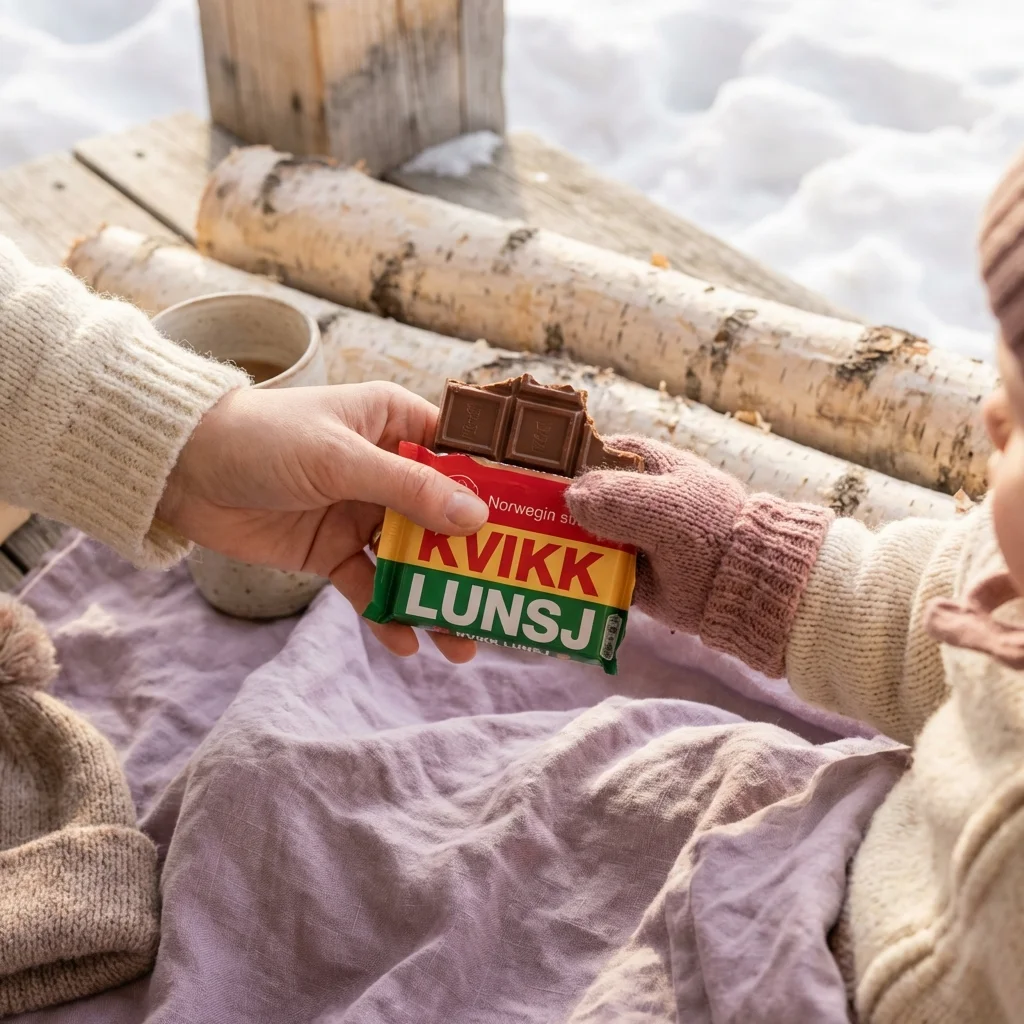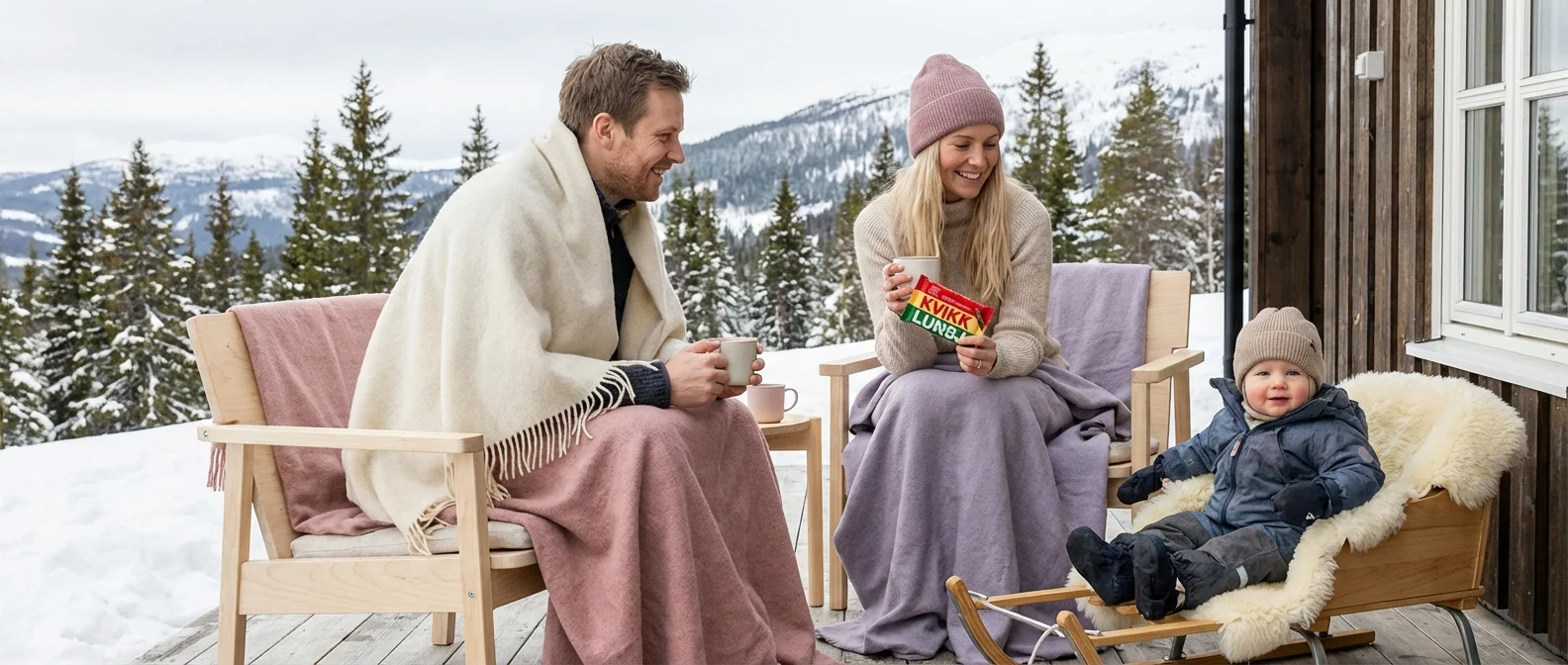
A cabin in the mountains, sunshine on the snow, and a chocolate bar at midday. For many families, an Easter holiday in the mountains is the highlight of the year. But with a baby or toddler in tow, you need a bit of extra planning to make the trip enjoyable for everyone.
This guide covers everything you need, from packing lists and sleep tips to activities and safety in the snow with the youngest family members.
Preparation: Planning Your Easter Holiday
Booking and Travel
Start planning early. Popular cabin areas book up well before Easter.
- Choose a cabin with a short drive, long car trips with a baby are exhausting. Under 3–4 hours is ideal.
- Check the facilities, is there a separate bedroom for children, a dishwasher, a washing machine?
- Drive during your baby's nap or bedtime, plan your departure so the baby sleeps in the car
- Pack the car the evening before, mornings with small children are hectic enough
- Take frequent breaks, stop every 1.5–2 hours to get fresh air, feed, and change diapers
Traveling by plane? Read our guide to flying with a baby for practical tips.
Book a cabin where you can drive all the way to the door. Carrying a baby, baby gear, and food through the snow to a cabin with no road access is not something you want with a little one.
The Complete Packing List for Easter in the Mountains
Here is everything you need to bring. It may seem like a lot, but it's better to have too much than to be stuck in a remote cabin without the essentials.
Sleep
- Travel cot or foldable baby bed
- Fitted sheet for the travel cot
- Blackout curtains or dark blankets for the windows (the Easter sun stays up late!)
- Sleeping bag or duvet of the right thickness
- White noise machine or sound app
- Comfort cloth or stuffed animal
- Baby monitor
Struggling with sleep away from home? Use a sleep tracker to monitor sleep patterns while traveling.
Food
- Baby cereal or infant porridge
- Squeezable fruit pouches
- Rice cakes and crackers
- Favorite snacks (fruit pieces, puff snacks, rice cakes)
- Drinking cup and cutlery
- High chair or travel booster seat that clips onto a regular chair
- Bibs (bring extras!)
- Food storage containers
Clothing
Easter in the mountains can bring everything from sunshine to snowstorms, sometimes on the same day. Dress your baby in layers.
- Wool base layer, body and pants in merino wool (at least 2 sets)
- Mid layer, fleece or wool fleece
- Outer layer, wind- and waterproof winter suit
- Sunglasses with UV filter, a must in bright snowy conditions!
- Sunscreen SPF 50, mineral filter for babies under 1 year
- Mittens, bring several pairs (they get wet quickly)
- Hat and neck warmer, for warm ears in the wind
- Wool socks, warm toes are happy toes
- Extra change of clothes, because things always get wet and muddy
Safety and Health
- First aid kit with band-aids, bandages, and antiseptic
- Thermometer
- Children's paracetamol (acetaminophen) in appropriate dosage
- Saline nasal drops for a stuffy nose
- Sunscreen and lip balm
- Allergy medication (if your child has known allergies)
- Diapers and wet wipes (bring extras, the nearest store may be far away)
Entertainment
- 2–3 favorite books
- Drawing supplies and colored pencils
- A small board game or puzzle
- A bag of favorite toys
- Sand molds for snow play
Activities in the Snow with Young Children
You don't need to ski to have a great time in a snowy mountain setting. Here are activities suited for the youngest.
Short Hikes in a Baby Carrier or Sled
For babies under 1 year, a baby carrier is the best option. Keep trips short, 30 to 60 minutes is enough. Make sure your baby is warm and that their face is protected from sun and wind.
For children from 1 year, you can use a sled. Place a sheepskin in the bottom and wrap them up well with wool blankets.
Sledding
From around 1 year old, a child can sit on a sled with an adult. Choose gentle slopes without trees or rocks in the runout. Hold your child securely and enjoy the ride!
Building a Snowman
All children love making something in the snow. Help your child roll snowballs and let them decorate with sticks, stones, and a carrot. Easter chicks and Easter bunnies made of snow are always a hit.
Easter Egg Hunt in the Snow
Make a traditional egg hunt extra exciting by hiding colorful eggs (plastic or hard-boiled) in the snow around the cabin. For the youngest: place the eggs visibly on top of the snow. Older children like them half-hidden.
Picnic Spot in the Sun
Find a sheltered spot out of the wind, spread out a sitting mat, and enjoy the sunshine. For the baby: bring a fruit pouch and a drinking cup. For the adults: coffee and snacks. These are the moments you remember.
Make a Snow Lantern
Roll snowballs of different sizes and stack them in a circle. Place a tea light in the middle (or use a flashlight for younger children). Magical to look at when it gets dark.
Track Animals in the Snow
With a bit of luck, you'll find tracks from rabbits, foxes, or birds in the snow. Turn it into a little discovery walk. Children from 2 years old love to guess which animals have passed by.
Sleep at the Cabin: Keeping Your Routines
A new place, different sounds, light late into the evening. Sleep at the cabin can be challenging for young children. Here is what helps:
- Keep the bedtime routine as similar to home as possible, bath, book, song, bed
- Darken the bedroom, bring blackout curtains or use blankets over the windows. The Easter sun can bring light well into the evening
- Use white noise, it covers unfamiliar sounds like creaking, wind, and fireplace crackles
- Bring something familiar, comfort cloth, sleeping bag, the sheets from home. Familiar smells provide reassurance
- Be patient the first few nights, it takes 2–3 nights to adjust to a new place
Read more about bedtime rituals that work for more tips.
Food at the Cabin: Simple Easter Menu for Families
Nobody wants to spend hours in the kitchen on vacation. Plan simple and prepare what you can at home.
- Make a meal plan before you leave and a shopping list based on it
- Prepare frozen dinner portions to take in a cooler bag, stews, meat sauce, fish gratin
- Bring your baby's favorite foods, a new place is enough change; familiar food provides comfort
- Simple Easter favorites: Boiled eggs, rolls, fruit, lamb (finely chopped for the youngest)
- Snacks on the go: Rice cakes, banana, fruit pouches, dried fruit (for children over 1 year)
Safety in the Mountains at Easter
Sun and Snow Reflection
UV rays are reflected by up to 80% by the snow surface. This means your baby can get sunburned even in the shade, because the radiation comes from below. UV levels are also higher in the mountains than at sea level. Always use SPF 50 sunscreen and UV-filter sunglasses, even on overcast days.
- Babies under 1 year should avoid direct sun. Use shade, sun hats, and clothing that covers
- Apply sunscreen 20 minutes before going outside, and again every 2 hours
- Sunglasses are not optional, children's lenses let through more UV than adults'
- Avoid being outside between 10 a.m. and 2 p.m. when UV radiation is strongest
Cold and Wind
- Check a weather app for wind chill (effective temperature), not just air temperature
- Feel your baby's neck and chest, if it's warm and dry, the clothing is right
- Keep trips short in severe cold (below 14°F / -10°C). Babies regulate body temperature worse than adults
- Use wind-resistant face protection in strong wind
Childproofing the Cabin
Cabins are rarely childproofed. Check these things as soon as you arrive:
- Fireplace and wood stove, use a fireplace guard and keep the child at a safe distance
- Stairs, install safety gates at the top and bottom
- Sharp corners, place cushions around low tables
- Kitchen, move knives, pans, and chemicals out of reach
- Windows and balcony, make sure your child cannot climb up and out
Mountain Safety with Children
- Short hikes, cut your planned distance in half when hiking with children
- Check weather, check forecasts and avalanche warnings before heading out
- Tell someone your plan, always let someone know where you are going and when you'll be back
- Set a turn-back point, decide in advance when you will turn around. With children, it's better to turn back too early than too late
- Emergency supplies, bring extra food, water, and dry clothing on all trips
Read More About Easter Vacation with Children
Planning the perfect Easter getaway? Here are more useful articles:
- Easter with Baby: Complete Guide, sun protection, food, and safety
- Baby Clothing for All Seasons, proper layering all year round
- Winter with Baby, wool layers, cold weather, and outdoor naps
Frequently Asked Questions
Can a baby be outside in temperatures below freezing?
Yes, babies can be outside at temperatures below freezing as long as they are properly dressed with wool closest to the skin, an insulating mid layer, and a wind-proof outer layer. Keep outings short (max 30–60 minutes) and check that the neck is warm and dry. In strong wind, consider staying indoors, as wind chill can make the effective temperature much lower.
Is sunscreen necessary in the snow?
Absolutely. Snow reflects up to 80% of UV radiation, meaning your baby is exposed to nearly double the dose compared to a regular winter day without snow. UV levels are also higher in the mountains. Use mineral SPF 50 for babies, and reapply regularly.
Does altitude affect the baby?
Most mountain cabins sit between 2,000 and 4,000 feet (700–1,200 meters) above sea level, and this is generally fine for healthy babies. Babies may need a little time to adjust, and some can be unsettled the first few nights. Drink more than usual, dry mountain air means everyone loses more fluids. If you are concerned, speak with your pediatrician.
What do we do if our child gets sick at the cabin?
Bring a well-stocked medicine kit (acetaminophen, thermometer, saline nasal drops). Check the distance to the nearest urgent care clinic before you leave. For high fever, breathing difficulties, or a seriously unwell child, call emergency services or your local medical helpline.
Sources
- AAP. Safe sleep guidelines for infants
- NICHD. Safe to Sleep campaign. SIDS prevention
- CDC. Infant safe sleep practices
🔧 Helpful Tools
- All Baby Tools. Browse all free tools for pregnancy and baby care
📖 Related Articles
- Traveling Abroad With a Baby or Toddler: Complete Guide. Planning an international trip with a baby? Here's everything about passports, insurance, health tips, packing, and the best travel destinations for families.
- Food on the Go with Baby and Toddler: Practical Guide. How to manage meals on trips, travel, and outings with a baby or toddler. Packing tips, shelf-stable snacks, and meal ideas that work away from home.
- Motion Sickness in Babies and Toddlers: How to Prevent Car Sickness. Does your child get nauseous in the car? Learn about signs of motion sickness in babies and toddlers, what helps, and how to prevent car sickness on long road trips.