Camping with a baby or toddler is something many parents dream about, but perhaps also fear a little. Will the baby sleep in a tent? What do we do about diapers? Is it safe?
The good news is that children love the outdoors. With the right preparation, camping with little ones can become some of the best memories your family makes together. Here is the complete guide.
When Can a Baby Go Camping?
There is no minimum age for camping, but most families start when the baby is 3–6 months old. The most important thing is that you feel ready and confident.
Good conditions to have in place:
- Your baby has a reasonably predictable routine
- You are comfortable with feeding and changing outside the home
- The weather is mild and stable (aim for summer months)
- You are within a reasonable distance of civilization
Start simple: Your first camping trip does not need to be a week-long wilderness expedition. One overnight stay at a campground close to home is a perfect start. That way you can go home if things are not working out.
Tent and Sleeping Space
Choosing the Right Tent
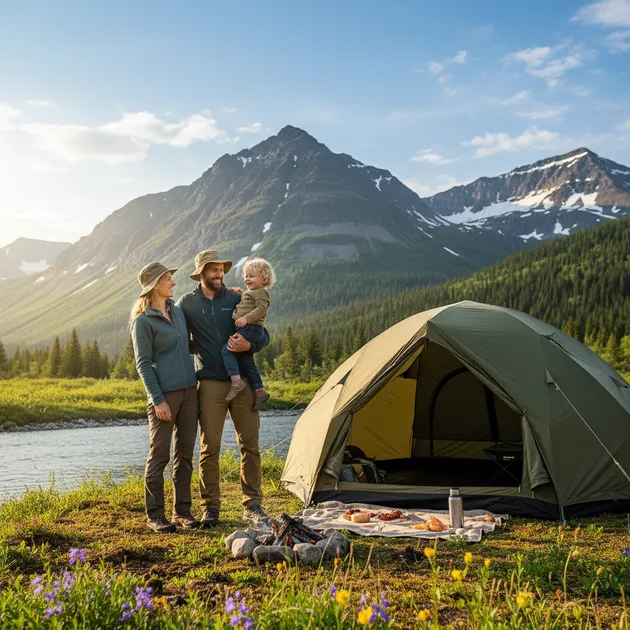
- A family tent with good headroom is preferable, you need space to change diapers, feed, and organize
- Minimum 4-person tent for a family with one child (you will need the room)
- A vestibule or porch area is important for storing shoes, gear, and diapers
- Check that the tent is waterproof and has good ventilation
Sleeping Space for Baby
- A travel cot fits in most family tents and gives your baby a safe, familiar sleeping environment
- A sleep mat with an infant sleeping bag also works, position the baby between the adults
- A pram with lie-flat function can be used as a sleeping space in the vestibule
- Avoid letting your baby sleep directly on the ground without insulation (it gets cold)
Temperature: Night temperatures can drop significantly in a tent. Have wool layers and extra clothing ready. Check the baby by feeling the back of their neck or chest. Overheating is also a risk in hot summer weather.
Sleep Tips
- Dress the baby in a wool base layer (regulates temperature)
- Use a sleeping bag rated for the temperature
- A light-blocking sleep mask or hat can help in areas with long summer evenings
- Bring familiar items from home (comfort cloth, familiar sheet)
- Be prepared for the first night to be unsettled
Gear List for Camping with Baby
Sleep and Rest
- Travel cot or sleep mat
- Temperature-appropriate sleeping bag
- Extra wool blankets
- Battery-powered baby monitor
- Light-blocking fabric or cover
Food and Drink
- Camping stove or camp kitchen
- Clean water (brought along or able to boil)
- Formula/porridge if needed
- Bottles and cold-water sterilizing tablets
- For babies 6 months+: ready-made baby food in jars, fruit pouches, bread
- Travel high chair that clips to a table, or a foldable booster seat
- Bib and wet wipes
Clothing
- Wool base layer (regulates temperature in the tent)
- Fleece or wool fleece mid-layer
- Waterproof outer layer (rain suit)
- Sun hat and UV-protective swimsuit (summer)
- Lots of extra socks
- 2–3 spare outfit changes per day
Changing and Hygiene
- Diapers (bring plenty, plus extra)
- Wet wipes (lots!)
- Changing mat
- Small collapsible basin for baby bathing
- Sunscreen SPF 50+ (from 6 months)
- Child-safe insect repellent
- Bags for used diapers
Safety and Health
- First aid kit
- Thermometer
- Infant paracetamol/acetaminophen
- Tick remover
- Insect netting for the pram and tent
- Reflective vest (for low-light hours)
Food and Feeding
Breastfeeding
Breastfeeding is the easiest option when camping, no heating, sterilizing, or refrigerator needed. Find a comfortable position in a camp chair, on a sleeping mat, or in a carrier.
Bottle Feeding
- Boil water and let it cool in a thermos flask, ready to use throughout the day
- Cold-water sterilizing tablets take up minimal space
- Ready-made formula in cartons is a perfect backup
Solid Foods (from 6 months)
- Ready-made baby food in jars is practical and shelf-stable
- Fruit pouches are perfect camping snacks
- Banana, avocado, and bread need no preparation
- Cooked pasta and vegetables on the camp stove
- Keep foods at appropriate temperatures in a cooler bag
Food storage: Use a cooler bag with ice packs for dairy products and fresh food. Ready-made baby food in jars keeps well at room temperature as long as it is unopened.
Safety While Camping
General Camping Rules with Children
- Never leave a child unsupervised near water (rivers, lakes, pools)
- Keep children away from open flames and camp stoves
- Check the area for hazards (broken glass, sharp rocks, toxic plants)
- Always keep track of where your child is
- Know basic first aid for children
Insects and Ticks
- Check your child for ticks after outdoor play, especially in armpits, groin, and along the hairline
- Use insect netting over the pram and sleeping area
- Dress children in long sleeves and pants when in wooded areas
- Light, pale clothing makes it easier to spot ticks
Sun and Heat
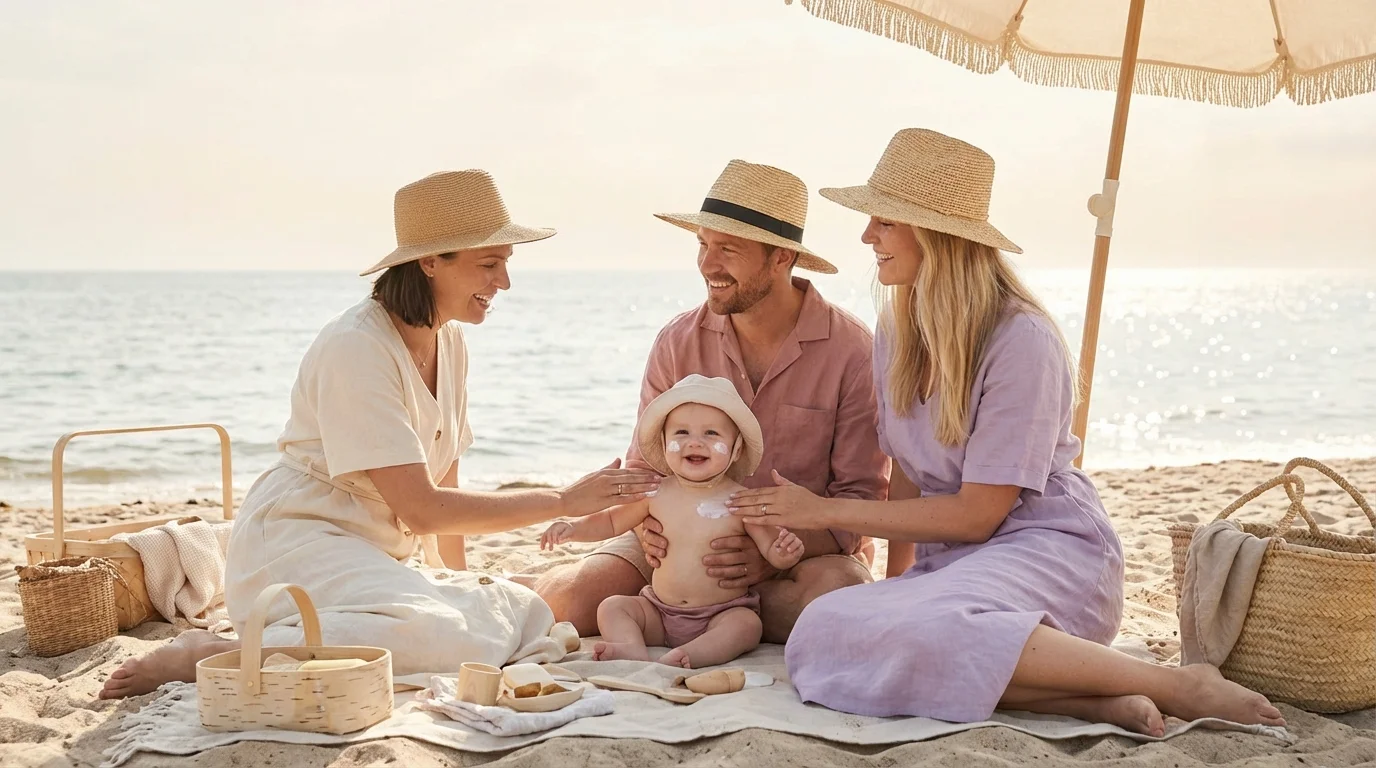
- Babies under 6 months should not be exposed to direct sunlight
- Apply SPF 50+ sunscreen to older babies
- A wide-brimmed sun hat is essential
- Make sure there is shade at your campsite
- Keep children hydrated in warm weather
Camping with a Toddler (1–3 Years)
Toddlers bring new challenges and joys to a camping trip.
What becomes easier:
- They eat regular food (no special preparation)
- They can walk and explore on their own
- They communicate their needs better
- They remember experiences (a little)
What becomes more challenging:
- They run everywhere and need constant supervision
- They put things in their mouths
- They may refuse to sleep in unfamiliar surroundings
- They have strong opinions about everything
Tips for toddlers while camping:
- Let them help with simple tasks (collecting sticks, finding stones)
- Bring simple outdoor toys (bucket and spade, ball, fishing gear)
- Plan activities near the campsite
- Keep snacks available at all times
- Respect their need for rest and routine
Bad Weather: Plan B
Weather can be unpredictable. Always have a plan B.
Rain:
- A good vestibule on the tent is invaluable
- Rain suits and rubber boots mean children can play outside regardless
- Have board games, books, and drawing supplies available
- Visit nearby indoor activities (museums, aquatic centers, cafés)
Cold:
- Extra wool layers and thick sleeping bags
- A hot water bottle in the sleeping bag (remove before the baby is placed inside)
- Consider ending the trip early if it becomes too cold for the baby
Frequently Asked Questions
Can a baby sleep in a tent?
Yes, most babies sleep well in a tent, especially if they have familiar sleeping items with them (sleeping bag, comfort cloth). The first night may be unsettled, but it usually improves quickly.
What do I do with dirty diapers?
Bring extra bags and seal used diapers well. Dispose of them in waste bins at the campground. When camping in the wild, take all waste home with you.
Is it safe to have a campfire with a baby?
Yes, but keep a good distance and never leave children unsupervised near the fire. Create a boundary with rocks or camp chairs that the child cannot cross.
What if the baby gets sick while camping?
Always have a plan for getting to an urgent care clinic or emergency room. Bring necessary medications, and do not hesitate to cut the trip short if your child is unwell.
Do I need special equipment?
You do not need expensive specialist gear. A spacious family tent, a travel cot, wool layers, and plenty of diapers covers most of it. Start simple and build up your gear over time.
Read More
- First trip with baby - General travel tips
- Safe sleep for baby - Sleep safety principles
- Rainy day activities for toddlers - Ideas for indoor days
- Sledding with kids - Winter outdoor fun
Sources
- American Academy of Pediatrics (AAP). "Sun Safety." 2024.
- Centers for Disease Control and Prevention (CDC). "Tick Prevention." 2024.
- American Red Cross. "First Aid for Infants and Children." 2024.
🔧 Helpful Tools
- All Baby Tools. Browse all free tools for pregnancy and baby care
📖 Related Articles
- May 17th with baby and toddlers: Complete guide to Norway's National Day. How to celebrate May 17th with baby and toddlers. Tips for the children's parade, traditional costumes, food, and a stress-free day.
- Baby Food at 1 Year: Transitioning to Family Meals. What can your child eat at 1 year old? Guide to family foods, cow's milk, portions, and diet for one-year-olds based on WHO and AAP recommendations.
- How Much Should Your Baby Eat? Portion Sizes by Age. How much should your baby eat? A guide to portion sizes from 6 months to 3 years. Amounts per meal, signs of hunger and fullness, and when to talk to your pediatrician.