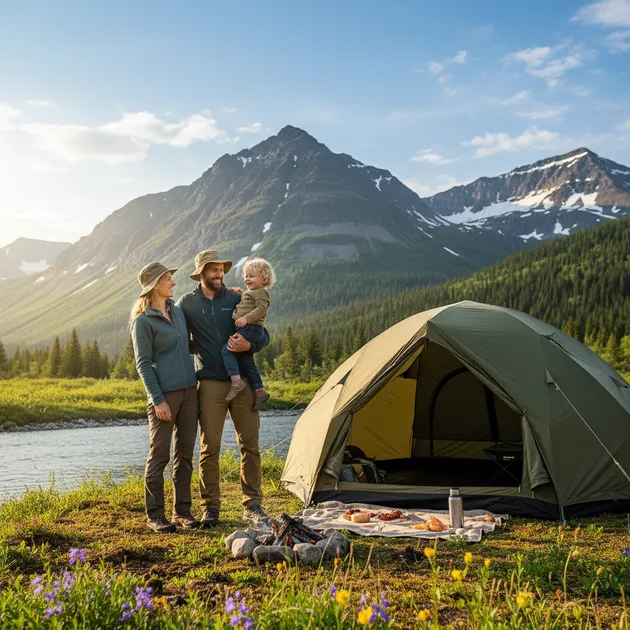
Your first international trip with a baby? It can feel overwhelming, but with the right preparation, the trip becomes a fantastic experience for the whole family. Here is everything you need to know.
This guide covers documents, insurance, health tips, packing, and destination ideas. Read on and make the planning easier.
Passports and Documents for Children
All children need their own passport for international travel, regardless of age. Even newborns need a valid passport. In most countries, you apply for a child's passport at the relevant government authority. Allow 2-4 weeks for processing.
Important about children's passports:
- Validity varies by country: typically 5 years for children under 16
- Both parents usually need to consent to passport issuance
- The child generally must be present for the passport photo
- Some countries require the passport to be valid for at least 6 months after the travel date
Apply for the passport well in advance. During peak travel season, processing times can extend to several weeks. Always check the passport's expiry date before booking travel.
European Health Insurance Card (EHIC)
If traveling within the EU/EEA, all family members should have a European Health Insurance Card. The card provides the right to necessary healthcare on the same basis as residents of the country you are visiting.
You can apply for the EHIC free of charge through your national health authority. Children receive their own card.
The card does not replace travel insurance, it covers only public healthcare, not transportation home or private treatment.
Travel Insurance for Families
Travel insurance is essential with young children. Children can become sick suddenly, and medical care abroad can cost thousands.
Make sure the insurance covers:
- Doctor's visits and hospital admission for children
- Cancellation due to illness before departure
- Emergency transport home in case of serious illness
- Medications and necessary equipment
Many comprehensive family insurance policies cover children automatically when the parents are insured. Check your policy conditions carefully.
Vaccinations and Health Check
Check your child's vaccination status before the trip. Your children should be up to date with their routine vaccinations regardless of travel plans.
Travel vaccinations for children:
- Consider additional vaccines when traveling to countries with higher infection risk
- Hepatitis A vaccine is recommended for children over 1 year when traveling outside Western Europe and other low-risk regions
- Some travel vaccines can be given from 6 months of age when necessary
Contact your doctor or a travel medicine clinic at least 6-8 weeks before departure. Some vaccines require multiple doses with weeks in between.
Health Tips for Travel With Children
Sun and Heat
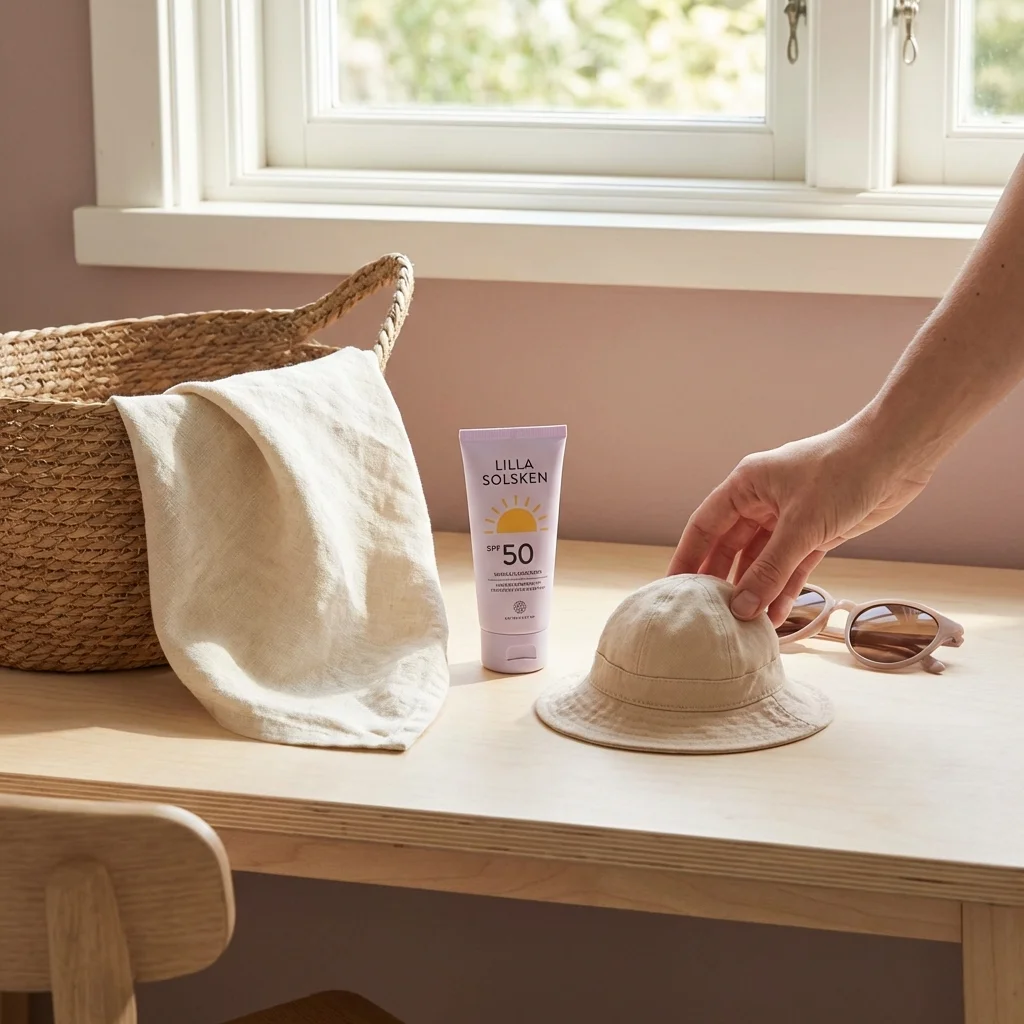
Babies under 6 months should avoid direct sunlight. Young children need high-factor sunscreen (SPF 30-50), a sun hat, and light clothing covering the shoulders. Read our complete guide to babies and sun.
Stay in the shade during the hottest part of the day (11 am-3 pm) and make sure the child drinks enough fluids.
Stomach Illness and Dehydration
Gastrointestinal infections are the most common health problem on vacation with children. Children dehydrate faster than adults, and it is important to act early.
Prevention:
- Wash hands thoroughly and frequently
- Use bottled water for drinking and tooth brushing in countries where tap water quality is uncertain
- Avoid ice cubes and raw food in countries with poor water quality
- Bring oral rehydration salts (ORS) in your travel first aid kit
Read more about stomach illness in children and fever in children.
Mosquitoes and Insects
Mosquito bites can be irritating and in some areas also carry disease risk. Use child-approved insect repellent and bring a mosquito net for the stroller and bed.
The CDC recommends DEET-based products from 2 months of age for travel to malaria areas. In Europe and low-risk areas, milder alternatives with Icaridin are sufficient.
Travel First Aid Kit for Families
A good travel first aid kit is worth its weight. Here are the most important items:
- Acetaminophen / paracetamol (infant drops or liquid), for fever and pain
- Ibuprofen, from 3 months and over 5 kg (5.5 lbs)
- Oral rehydration salts (ORS), for vomiting and diarrhea
- Sunscreen SPF 30-50, especially for children
- Insect repellent, appropriate for the child's age
- Bandages and plasters, for minor injuries
- Saline nasal drops, for a blocked nose
- Digital thermometer
- Antihistamine, for allergic reactions
- Motion sickness medication, if your child gets car or motion sick
Put medications in your carry-on bag, not checked luggage. Then you have access to what you need during the journey.
Food and Drink While Traveling
Are you breastfeeding? Breast milk is the easiest to have on the road, always the right temperature and always available. For babies on formula, bring enough for the whole trip plus a little extra.
For babies who have started solid food:
- Ready-made pouches and jars of baby food are practical for travel
- Fruit like banana and avocado requires no preparation
- Bread and crackers keep well
- Baby food is available in most pharmacies and supermarkets at popular destinations
In countries outside Western Europe and similar regions, use bottled water to prepare formula. Boil the water first if you are uncertain about the quality.
Jet Lag With a Baby or Toddler
Traveling to a place with a time zone difference? Prepare the child gradually.
Tips for jet lag:
- 1-2 hours difference: No adjustment needed, the child adapts naturally
- 3-5 hours difference: Shift bedtime by 30 minutes per day in the days before departure
- Natural light helps: Use natural daylight to reset the child's internal clock after arrival
- Maintain routines: Keep bedtime rituals even when the clock shows a different time
- Be patient: Most children need 2-4 days to adapt
Packing List. What to Bring and What to Buy There
Must Bring From Home
- Passport for everyone
- Insurance documents
- Child's health records and vaccination history
- Travel first aid kit (see list above)
- Car seat (if you'll be driving)
- Sunscreen and sun hat
- Favorite stuffed animal or comfort cloth
- Enough diapers for the travel day (buy the rest at the destination)
- Food and snacks for the travel day
Can Buy at the Destination
- Diapers (available everywhere, though brands may differ)
- Baby food (available at pharmacies and supermarkets)
- Swim diapers
- Beach toys
- Extra clothing if needed
Use checklists to keep track of everything you need to bring. Tick off as you go, and you won't forget anything.
Flying With a Baby
Planning to fly? We have a complete guide to flying with a baby covering ticketing rules, luggage, strollers on flights, and tips for ear pain.
The key tips in brief:
- Children under 2 can typically sit on a lap (reduced fare or free on most airlines)
- Strollers and car seats can usually be checked for free
- Baby food and formula are usually exempt from liquid restrictions
- Nursing or offering a bottle during takeoff and landing helps prevent ear pain
Best Travel Destinations for Families With Young Children
The Canary Islands (Spain)
Pleasant climate year-round, relatively short flight, family-friendly hotels, and calm beaches. Gran Canaria and Tenerife have excellent facilities for families.
Greece
Greek islands like Crete and Rhodes have shallow beaches, friendly locals, and good infrastructure. The food is simple and child-friendly, and prices are reasonable.
Portugal (Algarve)
Warm beaches, family-friendly restaurants, and reasonable prices. The Algarve coast has many sheltered coves well-suited to young children.
Florida (USA)
Year-round sunshine, world-famous theme parks (though these are best for older children), beautiful beaches, and excellent family infrastructure.
Scandinavia and Northern Europe
For a first trip abroad with a baby, neighboring countries can be perfect, shorter travel times, familiar culture, and easy to find products you're used to. Zoos and amusement parks are popular with slightly older children.
Hotel or Apartment?
Both have advantages. The choice depends on the baby's age and the family's needs.
Hotel works best when:
- The baby is under 6 months (less hassle with food)
- You want service and a breakfast buffet
- You need a crib and other facilities
Apartment works best when:
- The baby has started solid food (you need a kitchen)
- You need a separate bedroom for the child
- You want to maintain regular meal routines
- You're traveling with multiple children
Booking a hotel? Ask about a crib, changing table, and a high chair when booking, these are often free but must be reserved in advance.
Strollers and Car Seats While Traveling
A lightweight umbrella stroller is ideal for travel. It's easy to bring on planes, buses, and trains, and weighs under 6 kg.
If you're renting a car at the destination, bring your own car seat. Rental companies' car seats often have unknown histories and may be missing parts.
When Is the Best Time to Travel With a Baby?
There is no perfect age, but some periods are easier than others.
- 0-3 months: The baby sleeps a lot and is easy to bring along. Avoid crowds and strong sunlight.
- 4-8 months: The baby is more awake but can't crawl yet. Relatively easy travel.
- 9-14 months: The child crawls and explores, watch out for safety in unfamiliar environments.
- 15-24 months: The toddler phase can make flights more challenging. Plan rest days.
- 2-3 years: The child enjoys experiences, beaches, animals, and play in the water.

Frequently Asked Questions
How old should a baby be before traveling internationally?
Most airlines allow travel from 2 weeks of age. There is no official minimum age, but many families wait until after the 6-week postnatal check. Speak with your doctor or pediatrician if the baby was premature or has health issues.
Does the baby need travel insurance?
Yes. Even though national health cards cover some things, everyone should have travel insurance. Most comprehensive family policies cover children automatically. Check your policy and confirm that the child is covered.
What do we do if the child gets sick on vacation?
Contact the nearest emergency room or hospital. Bring your insurance card and policy documents. Call the insurance company for guidance. For serious illness, the insurance can arrange transport home.
Is it safe to travel to warm destinations with a baby?
Yes, but take precautions. Avoid direct sunlight, ensure adequate fluids, use high-factor sunscreen, and keep the child in the shade during the hottest part of the day. Most popular vacation destinations have good healthcare services.
Can we use our own car seat in a rental car?
Yes. Car seats with international safety approval (ECE R44 or ECE R129 / i-Size) can be used in rental cars in most countries. Bring your own seat to ensure quality and correct fit.
Summary
Traveling abroad with a baby requires a little extra planning, but is absolutely doable, and a lot of fun. Start preparations early, apply for passports and insurance in good time, and pack smart.
The best vacations with young children aren't about exotic destinations, but about relaxed days with sunshine, play, and quality time together. Choose a family-friendly place with a short travel time, and allow yourselves plenty of time to settle in.
Read More
- Flying With a Baby. Everything You Need to Know
- Babies and Sun. Summer Guide
- Vaccinations for Children
- Fever in Children
Sources: WHO. International Travel and Health, CDC. Traveling With Children, AAP. Travel With Children
Last updated: March 2026
Sources
- AAP. Infant and toddler nutrition guidelines
- WHO. Global infant feeding recommendations
- CDC. Infant and toddler nutrition resources
🔧 Helpful Tools
- All Baby Tools. Browse all free tools for pregnancy and baby care
📖 Related Articles
- Food on the Go with Baby and Toddler: Practical Guide. How to manage meals on trips, travel, and outings with a baby or toddler. Packing tips, shelf-stable snacks, and meal ideas that work away from home.
- Motion Sickness in Babies and Toddlers: How to Prevent Car Sickness. Does your child get nauseous in the car? Learn about signs of motion sickness in babies and toddlers, what helps, and how to prevent car sickness on long road trips.
- Mountain Easter with Baby and Toddler: Everything You Need to Know. Planning an Easter cabin trip with a baby? Complete guide with packing list, activities, sleep tips, and safety advice for an Easter holiday with young children.