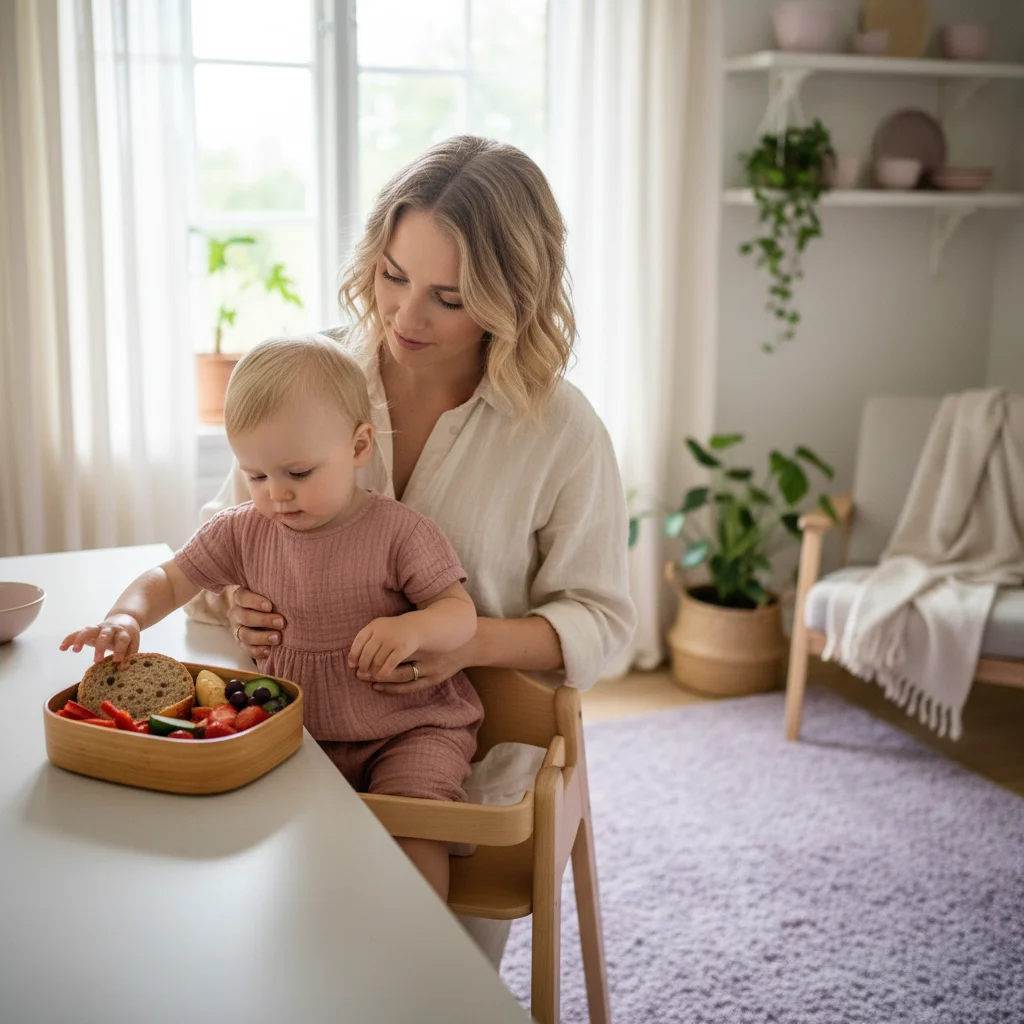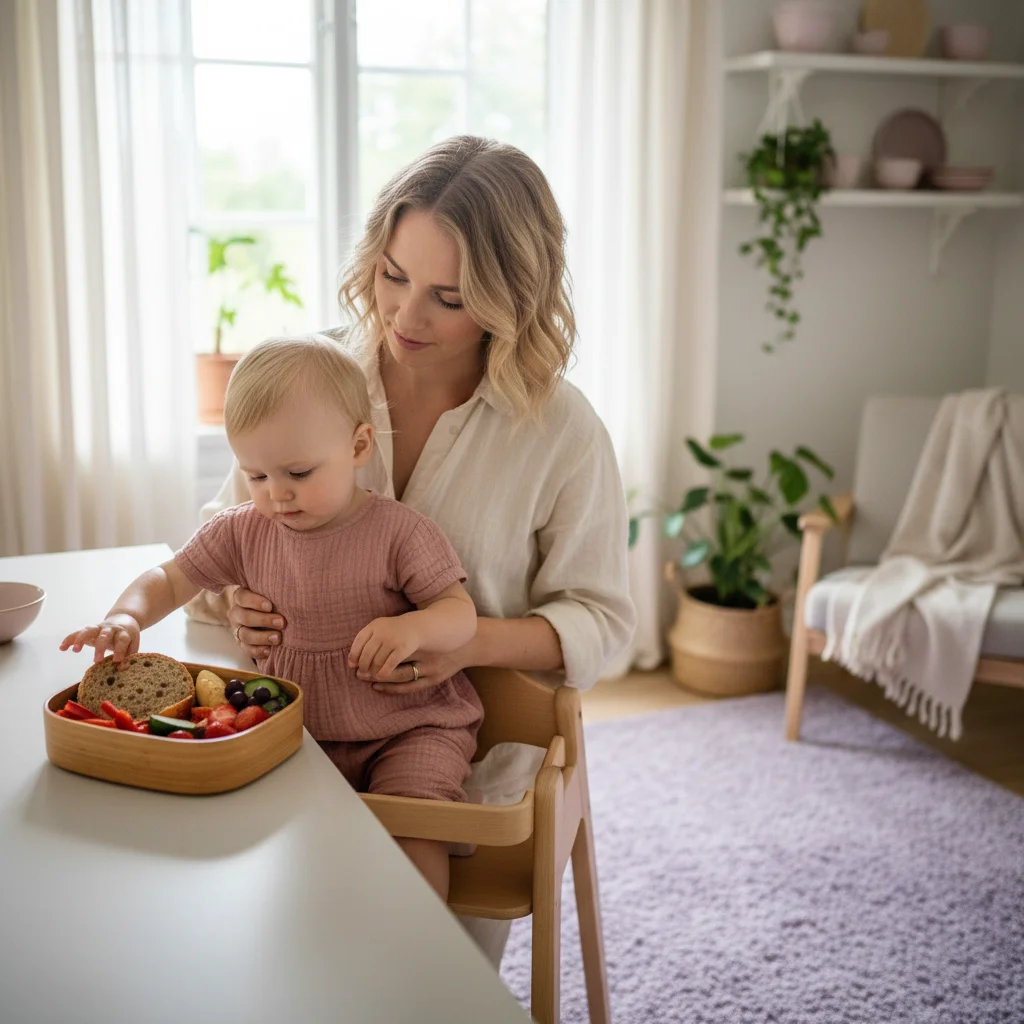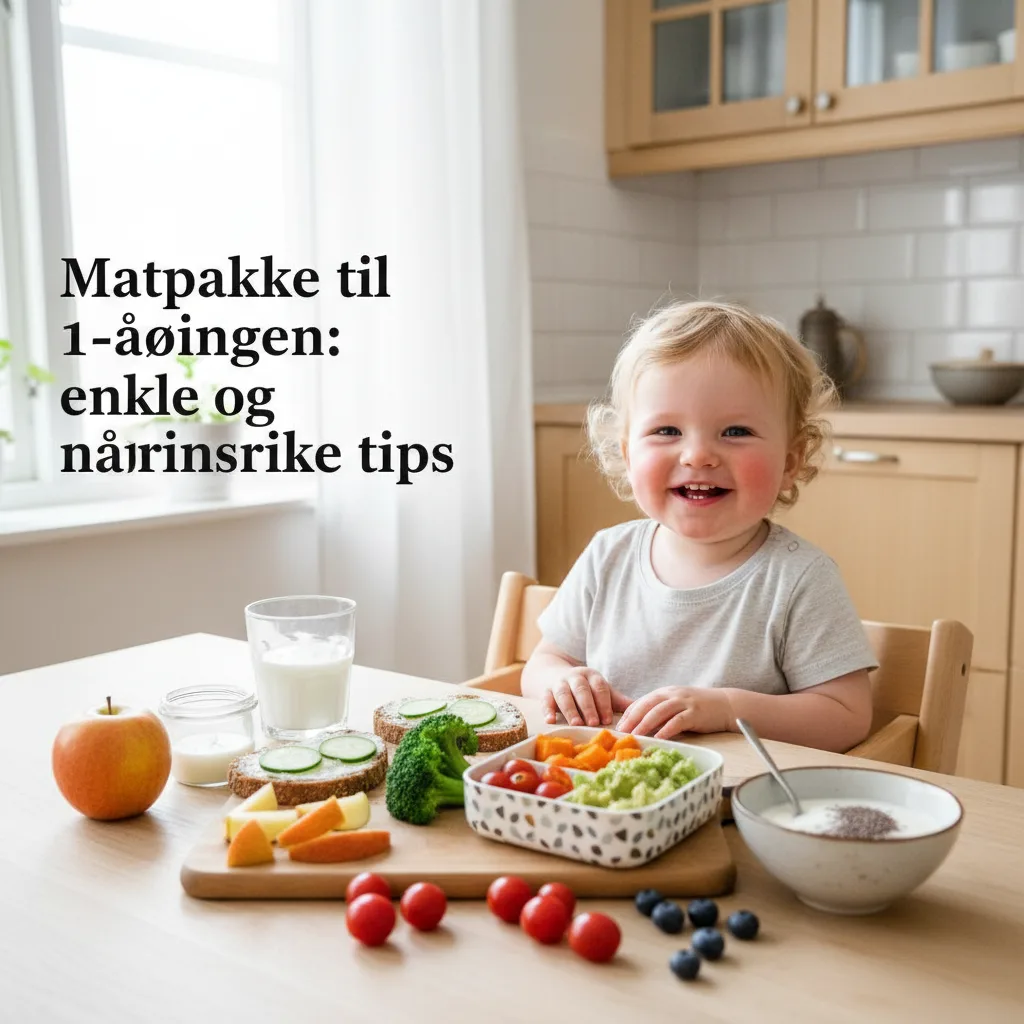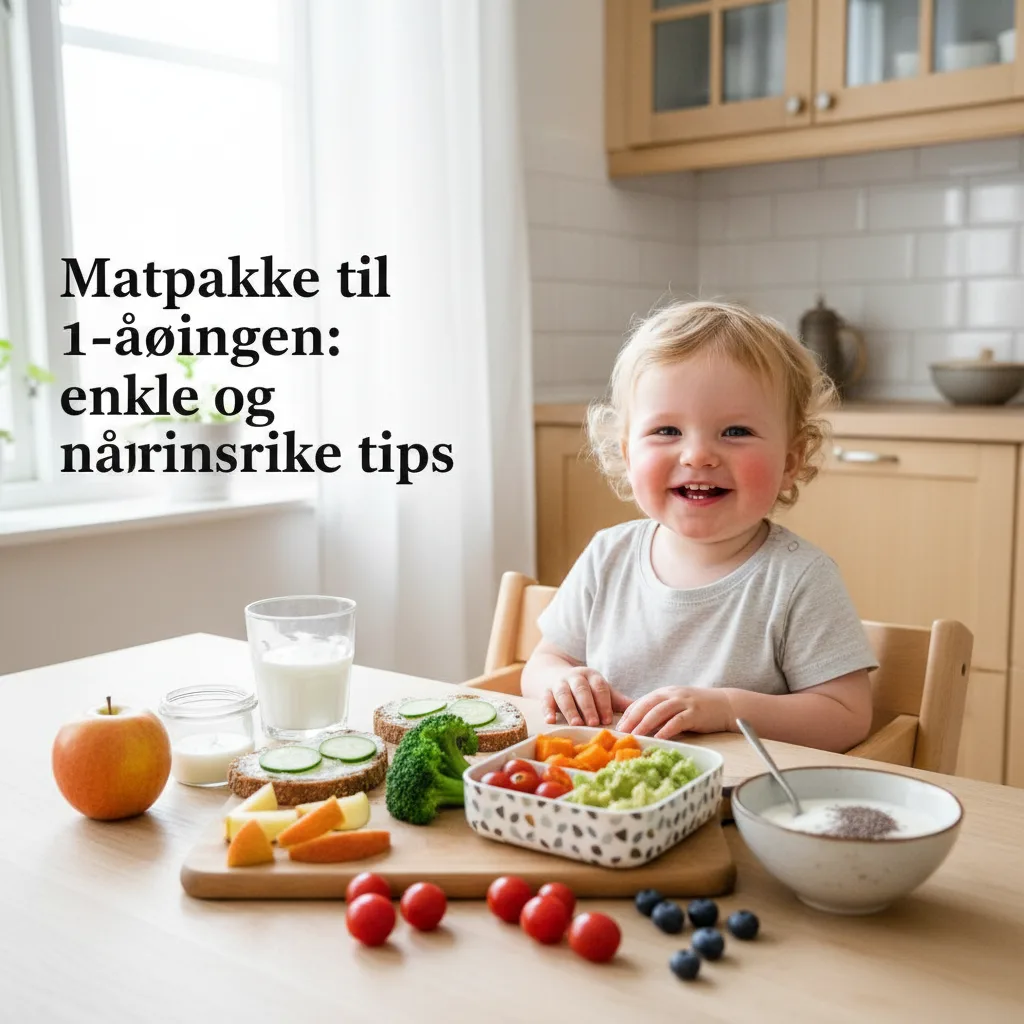
The daycare spot is secured, the start date is approaching, and then comes the big task: the lunchbox. What on earth do you put in a lunchbox for a 1-year-old?
Packing lunch for the littlest ones is about finding food that is safe, nutritious, and easy to eat with small fingers. It does not need to be elaborate, but there are some things worth thinking about.
Here you will find 10 concrete lunchbox ideas, tips on choking-safe food, and a practical checklist for the perfect 1-year-old lunchbox.
What Should the Lunchbox Contain?
A good lunchbox for a 1-year-old should cover roughly one meal and one snack. According to AAP guidelines it should include:
- Whole grain bread or grain product, the foundation of the lunchbox.
- Protein topping, liver pâté, cheese, egg.
- Fruit or vegetables, in appropriate-sized pieces.
- Drink, water in a cup or bottle.
Avoid added sugar, salt, and processed foods. Daycare often serves a warm lunch, the lunchbox therefore covers morning and afternoon food.
Check with the daycare what they serve and which meals the lunchbox should cover. Some daycares serve all meals; others expect a full lunchbox.
10 Lunchbox Ideas for a 1-Year-Old
1. Bread with Liver Pâté and Cucumber
The classic first choice, and for good reason.
- Whole grain bread (preferably without whole seeds that can get stuck) with butter.
- Liver pâté, iron-rich and soft.
- Cucumber sticks on the side.
2. Roll with Egg and Bell Pepper
- Half a whole grain roll with butter.
- Egg salad (hard-boiled egg, a little mayo).
- Bell pepper strips, soft and easy to grip.
3. Oat Pancakes with Banana
- Oat pancakes (banana, egg, rolled oats).
- Cut into strips the child can hold.
- Blueberries on the side.
4. Pita with Hummus
- Small pita (ideally whole grain, soft).
- Hummus as filling.
- Finely chopped tomato or avocado.
Hummus is a good source of iron and protein and can be given from 6 months.
5. Bread Sticks with Cheese and Fruit
- Whole grain breadsticks.
- Thinly sliced mild cheddar.
- Banana pieces or soft pear slices.
6. Rice Cakes with Nut Butter
- Whole grain rice cakes (limit rice-based products generally).
- Peanut butter or almond butter.
- Soft fruit on the side.
Rice cakes should be used in moderation for children under 6 years due to arsenic content. Use them as variation, not daily. Opt for bread as the base instead.
7. Mini Wraps with Chicken and Avocado
- Small whole grain tortilla.
- Finely shredded chicken.
- Mashed avocado.
- Roll up and cut into small pieces.
8. Oatmeal Muffins
Make on Sunday, freeze, take out as needed.
- Rolled oats, banana, egg, a little cinnamon.
- Bake in muffin molds.
- Perfect for small hands.
9. Cheese and Vegetable Sticks
- Cheddar sticks.
- Cooked carrot sticks (soft enough to break apart).
- Cooked broccoli florets.
- A little bread on the side.
10. Cottage Cheese with Fruit and Oats
- Plain cottage cheese in a small container with a lid.
- Mashed banana and berries mixed in.
- Rolled oats for fiber.
Choking-Safe Food. What You Need to Know
Children around age 1 have not fully developed their chewing ability and can easily choke. Follow these rules:
Foods That MUST Be Adapted
- Grapes, always cut lengthwise (never across).
- Cherry tomatoes, cut into quarters.
- Hot dogs or sausages, cut lengthwise, then into pieces.
- Whole nuts, never give whole nuts to children under 4 years (nut butter is fine).
- Hard vegetables, carrot, celery must be cooked soft.
- Popcorn, unsuitable for children under 3 years.
General Rules
- Cut food into pieces that fit in the child's hand (finger-food length).
- Soft foods can be a little larger.
- Hard foods should be in thin strips or cooked soft.
- Round foods should always be halved or quartered lengthwise.
Choking is a real risk for children under 3 years. Make sure daycare staff are aware of any specific adaptations needed for your child.
Keeping Food Fresh
The lunchbox for a 1-year-old will sit at daycare for several hours. Here is how to keep food safe:
- Cool lunchbox, use a lunchbox with an ice pack in summer.
- Tight packaging, keep wet and dry food separate.
- Labeling, label the lunchbox with the child's name and any allergies.
- Quantity, better to send a little too much than too little.
Lunchbox Tips
- Choose a lunchbox with compartments so foods do not mix.
- Silicone lunchboxes are freezer-safe and dishwasher-safe.
- A small thermos with a lid works well for warm oatmeal or soup.
Allergies and Special Considerations
Many daycares are nut-free or egg-free to protect children with allergies. Check the daycare's guidelines before packing lunch.
Common adaptations:
- Nut-free daycare, replace peanut butter with sunflower seed butter or tahini.
- Egg-free, replace egg with liver pâté, cheese, or hummus.
- Dairy-free, use plant-based toppings and fruit.
Does your child have allergies? Write a clear list for the daycare and label the lunchbox.
Talk to the daycare about allergy procedures right from the start. Most daycares have good systems in place, but clear communication from you makes their job easier.
Lunchbox Checklist
Use this checklist for a complete lunchbox:
- Whole grain bread or grain product
- Protein source (cheese, egg, liver pâté, hummus)
- Fruit or vegetables in appropriate-sized pieces
- Drink (water in a labeled bottle)
- Food adapted for choking safety
- Lunchbox labeled with name
- Ice pack in summer
- Checked daycare's allergy restrictions
Daycare Meal Culture
In many countries, especially in Scandinavia, the lunchbox tradition is strong. Most daycares expect children to bring a packed lunch for at least one meal. Some daycares have a shared meal arrangement where parents pay a food fee.
Typical lunchbox day at daycare:
- Morning snack (around 9:00–10:00), often fruit from the lunchbox.
- Lunch (around 11:00–12:00), daycare may serve warm food or lunchbox.
- Afternoon snack (around 14:00–14:30), the rest of the lunchbox.
Frequently Asked Questions
How much food does a 1-year-old need in their lunchbox?
A 1-year-old eats surprisingly little. Start with half to one slice of bread, some fruit, and a small protein snack. Adjust based on what comes home uneaten. The daycare will often give you feedback.
Can I send yogurt in the lunchbox?
Yes, but it should be kept cool. Use a small container with an ice pack. Plain yogurt is best, flavored yogurt contains a lot of added sugar.
What if the child does not eat the lunchbox?
It is common for children to eat unevenly. Talk to the daycare, perhaps the child eats better at warm lunch, or perhaps other children have a positive influence on their appetite. Do not stress about individual days.
Is it fine to send yesterday's dinner?
Yes, leftovers can make excellent lunchbox fillings. Pasta, meatballs, vegetable mash, anything that can sit for a few hours at room temperature (or in a cool bag). Avoid leftovers with lots of cream or mayo in summer.
When can I start with a regular lunchbox?
Most children can eat a regular lunchbox from 12 months, adapted in texture and for choking safety. Before 12 months the daycare usually adapts the food themselves.
The Lunchbox Does Not Have to Be Perfect
The best lunchbox is the one that gets eaten. Start simple, be flexible, and remember that daycare staff are good at helping children eat.
Do not compare your lunchbox to Instagram lunchboxes. Bread with cheese and a banana is a completely excellent lunchbox for a 1-year-old.
Use the shopping list to plan lunchbox groceries for the week. Find more food ideas in SmartStart and read about daycare lunchbox tips.
Read More
- Lunchbox ideas for daycare
- Easy meals for a 1-year-old
- Baby food from 1 year
- SmartStart food database
Sources
🔧 Helpful Tools
- Baby Food Guide. Safe foods and introduction schedule for your baby
- Breastfeeding Tracker. Log feeds, track supply, and monitor nursing sessions
- All Baby Tools. Browse all free tools for pregnancy and baby care
📖 Related Articles
- Daycare Lunchbox Ideas. Healthy and Easy. Practical lunchbox ideas for daycare. Healthy, simple, and child-friendly suggestions based on WHO and AAP dietary guidelines for toddlers.
- Lunchbox for Daycare: Healthy and Easy Ideas. Tired of packing the same lunch every day? Here are 10 easy and healthy lunchbox ideas for daycare, plus tips on keeping food fresh, nut-free options, and what to do when the lunchbox comes home full.
- Lunchbox for Your 1-Year-Old: Easy and Nutritious Tips. Your 1-year-old is starting daycare and you need to pack a lunchbox? Here's what to include, what to avoid, and 10 practical ideas that work for little ones.