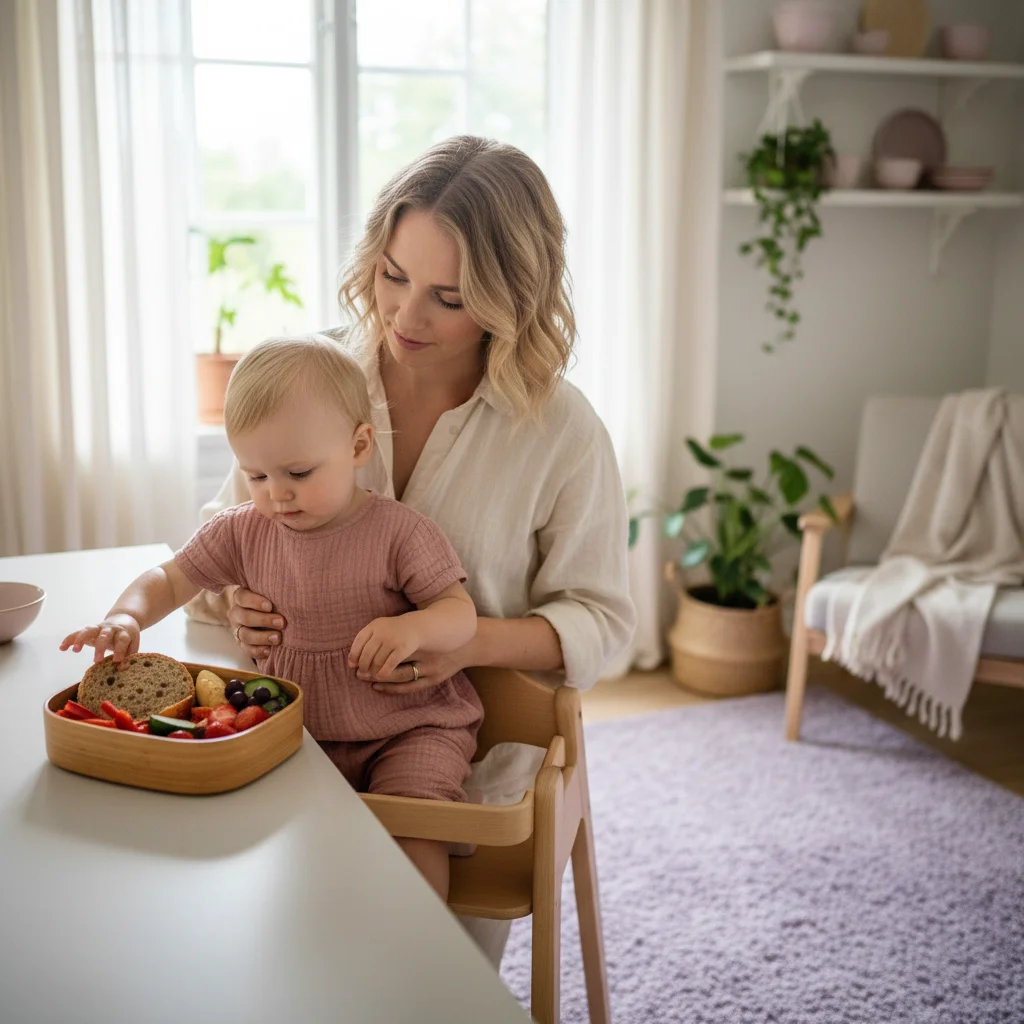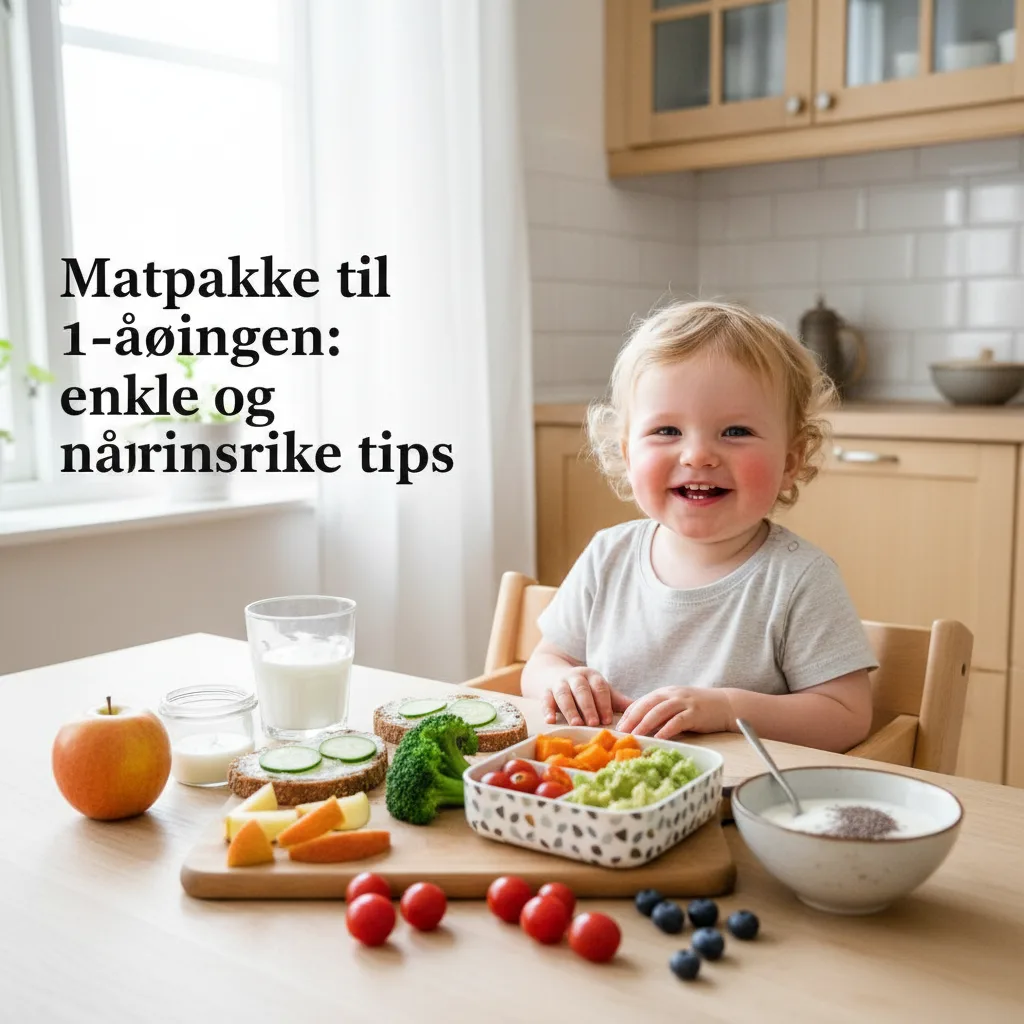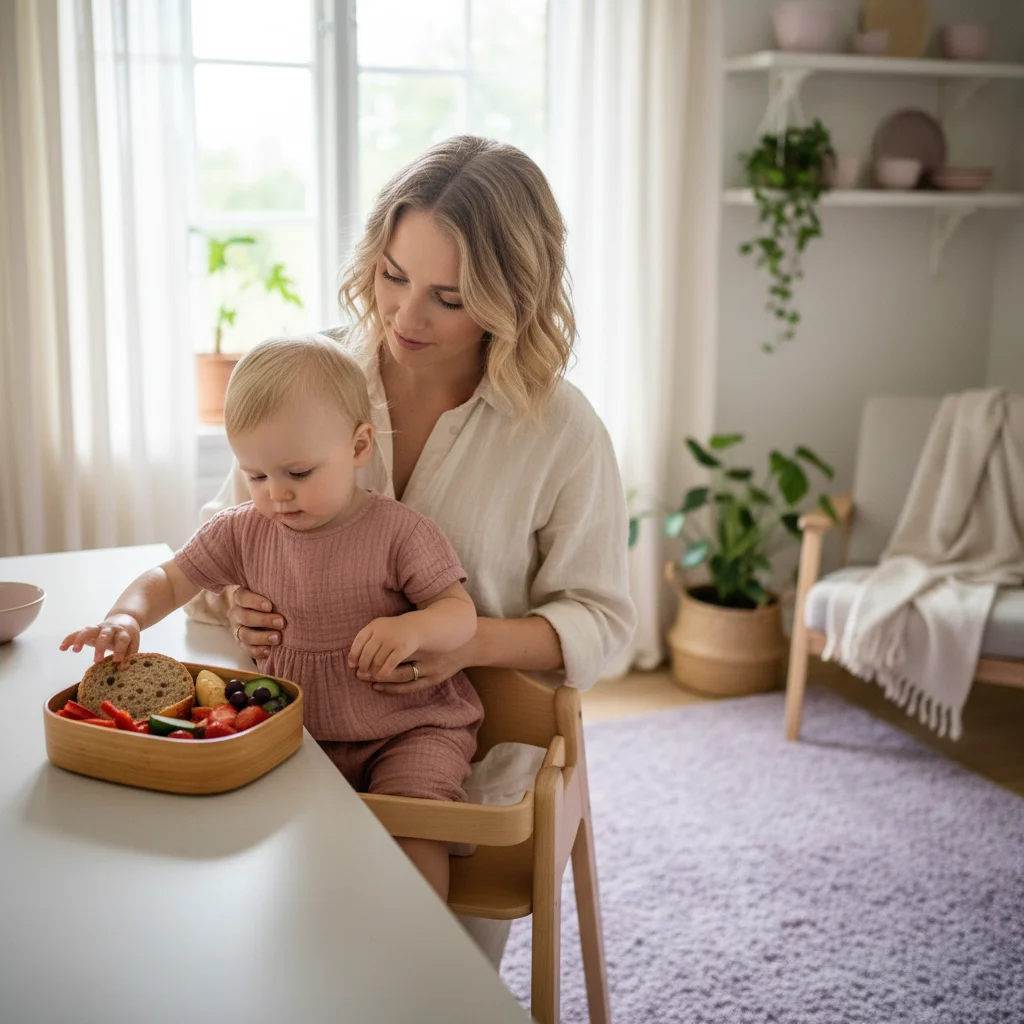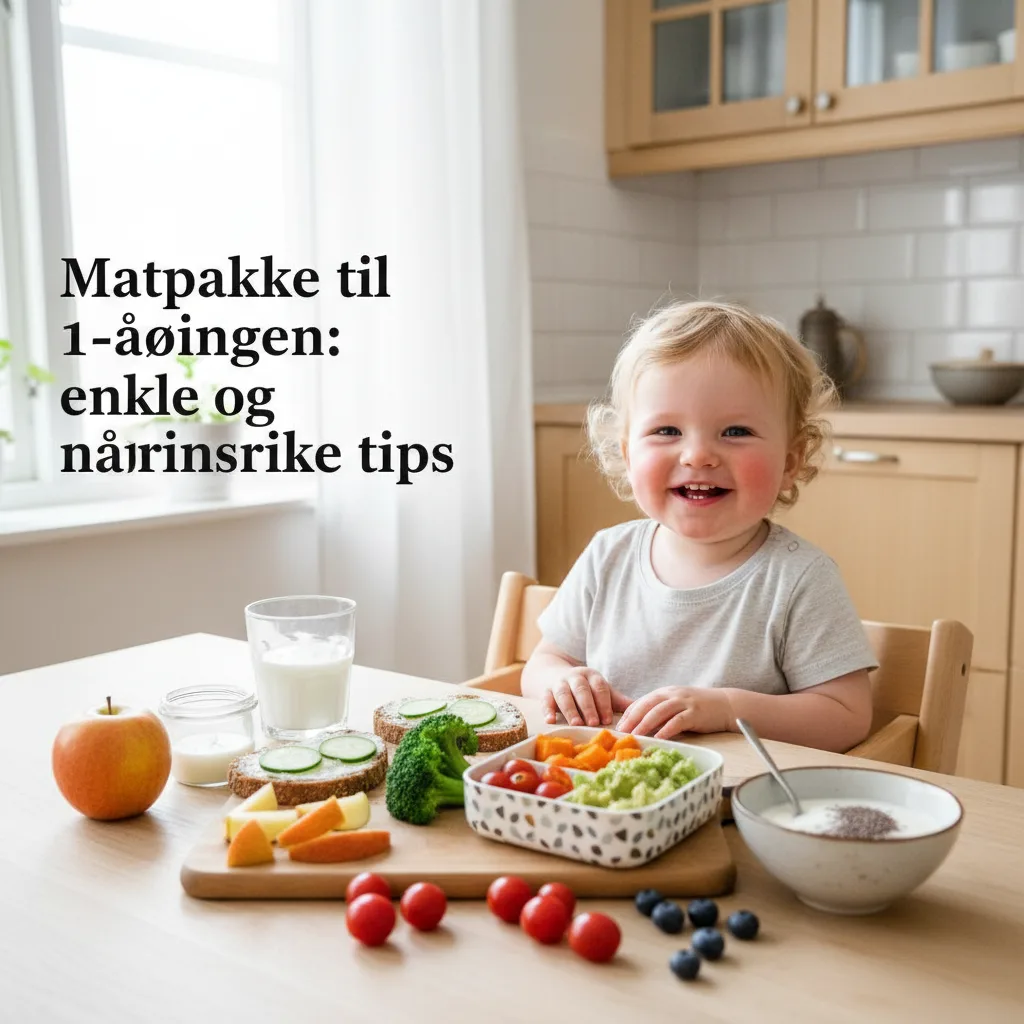
A 1-year-old is at a fascinating in-between stage: they're no longer a baby eating purees, but they're also not yet a proper toddler who can tackle most foods. Packing a lunchbox for this age group requires a bit of thought, but once you have a system, it becomes quick and easy.
What Should a 1-Year-Old's Lunchbox Contain?
At around 12 months, most children are transitioning to family foods and eating three meals per day with 1–2 snacks. Breast milk or formula is still an important part of nutrition at this age, though many families start to wean around 12 months.
A balanced lunchbox for a 1-year-old should include:
Energy (Carbohydrates)
- Soft whole grain bread or toast
- Soft-cooked pasta or rice
- Oat-based crackers
- Rice cakes
Protein
- Soft cheese (mild cheddar, mozzarella, cream cheese)
- Well-cooked egg (scrambled, hard-boiled cut small)
- Soft-cooked chicken or fish (flaked, no bones)
- Full-fat yogurt
- Hummus or mashed beans
Fruits and Vegetables
- Soft ripe fruit: banana, ripe pear, ripe peach, ripe melon
- Soft-cooked vegetables: carrot, broccoli, sweet potato
- Raw soft options: avocado, cucumber
Fat (for Brain Development)
- Butter on bread
- Avocado
- Cheese
- Full-fat yogurt
Portion Size
At 12 months, a full meal might look surprisingly small to an adult. A typical lunchbox might contain:
- 1 small sandwich (half a slice of bread) or equivalent carb
- 1–2 tablespoons of protein
- A small handful of soft fruit or veg
- 1 small "extra" like a few crackers or a spoonful of yogurt
Don't pack too much. Overwhelming a small child with a big lunchbox can actually lead to them eating less.
10 Lunchbox Ideas for 1-Year-Olds
1. Mini Cream Cheese Sandwiches
Soft whole grain bread cut into small squares or triangles. Spread with cream cheese, top with thin cucumber slices. Add soft banana pieces on the side.
2. Avocado Toast Fingers
Thick toast cut into finger strips with mashed ripe avocado spread. Add a few blueberries or raspberry halves on the side.
3. Pasta with Mild Tomato Sauce
Small pasta shapes (stars, orzo, or small shells) with a simple homemade tomato sauce. Pack cold or at room temperature. Add a cube of soft mozzarella.
4. Scrambled Egg and Toast
Soft scrambled egg in a small container, with toast strips for dipping. Add soft ripe pear slices.
5. Yogurt Pot with Fruit
Full-fat plain yogurt (small container), with soft fruit stirred in or on the side. Add 2–3 oat crackers.
6. Mini Cheese Quesadilla
A small tortilla with mild grated cheese, quickly warmed in a pan until cheese melts. Cut into small triangles. Add soft melon pieces.
7. Rice Cakes with Hummus
Plain rice cakes with a small pot of hummus for dipping, plus soft-cooked broccoli florets and a few halved grapes.
8. Soft Vegetable Frittata Squares
Make a mini frittata with eggs, soft cheese, and finely chopped vegetables. Cut into small squares. Pack cold. Add soft fruit on the side.
9. Mashed Bean Dip and Dippers
Mashed white beans or hummus as a dip, with soft-cooked vegetable sticks (carrot, sweet potato) and soft toast strips.
10. Banana Oat Mini Muffins
Batch-cook on the weekend: mash 2 ripe bananas with 1 cup oats and 1 egg. Add a little cinnamon. Bake at 350°F/175°C for 15 minutes. Pack 2–3 mini muffins with yogurt and soft fruit.
Choking-Safe Food at 12 Months
Safety is the most important consideration at this age. A 1-year-old is still learning to chew and swallow, and the risk of choking is real.
Always Do This:
- Cut grapes, cherry tomatoes, and blueberries in half (or quarters for larger ones)
- Cut round foods like sausage or hot dog into lengthwise strips, not coin rounds
- Flake fish to remove any bones and check carefully
- Cut meat into very small pieces or shred finely
- Cook vegetables until soft enough to squish between your fingers
- Remove pits and seeds from all fruit
High-Risk Foods to Avoid at This Age:
- Whole grapes
- Whole cherry tomatoes
- Whole blueberries (if large)
- Whole nuts or seeds
- Hard raw vegetables (whole carrots, celery sticks)
- Large chunks of meat
- Popcorn
- Hard candy
- Whole raisins (though chopped are fine)
- Chunky peanut butter (use smooth only, in thin layers)
Keeping Food Fresh
A 1-year-old's lunchbox often sits at room temperature for several hours before being eaten. To keep food safe:
- Use an insulated lunchbox with a small ice pack for anything perishable
- Keep dairy and eggs cool, food safety guidelines say perishables should stay below 40°F / 4°C
- Pack fruit separately from other foods to prevent moisture transfer
- Avoid foods that go brown quickly (cut apple without lemon juice) unless you treat them first
- Use airtight containers to prevent drying out
What's Safe Without Refrigeration?
- Whole fruits (banana, mandarin, apple, uncut)
- Plain crackers or rice cakes
- Bread (not dairy-topped sandwiches)
- Dried fruit (in very small amounts, choking risk, so chop raisins)
Allergies at 12 Months
By 12 months, your baby has likely been introduced to the main allergens at home. However:
- Check with daycare about their allergy policy (many are nut-free, some are egg-free for the whole room)
- Label the lunchbox with your child's name and note any food allergies clearly
- Keep introduction of new foods at home, not in the lunchbox. If your child reacts to something new, you want to be there to observe it
If your child has a known food allergy, make sure daycare staff are aware and have an action plan in place (including any prescribed medications like an epinephrine auto-injector if required).
Making Lunchbox Prep Easier
Prep in Batches
- Hard-boil eggs at the start of the week (last 5 days in the fridge)
- Make a batch of mini muffins on the weekend and freeze them
- Cook extra pasta at dinner and save some for the next day's lunchbox
- Wash and prep fruit and veg once and portion into containers
Evening Prep
Pack the lunchbox the night before when you're less rushed. Keep it in the fridge overnight, and it's ready to grab in the morning.
Keep Backups on Hand
Stock a few easy fallbacks for when you're completely out of ideas or time:
- Full-fat yogurt pouches
- Rice cakes
- Cheese sticks
- Ripe banana
- Oat crackers
These can assemble into a reasonable lunchbox in under 2 minutes.
Lunchbox Checklist for 1-Year-Olds
Before packing, run through this quick checklist:
- All foods are cut to appropriate, choking-safe sizes
- No honey (not until 12 months, wait until well past the first birthday)
- No added salt or sugar
- Perishable items are packed with an ice pack
- Containers are easy to open (or pre-opened for daycare staff)
- At least one familiar, accepted food is included
- Lunchbox is labeled with child's name
When Baby Refuses the Lunchbox
It's common for 1-year-olds to eat less at daycare than at home, especially in the first weeks. New environments are stimulating and can distract from eating. Signs this is temporary:
- They eat well at home before and after daycare
- They're growing normally
- Daycare staff haven't raised concerns
If your child regularly brings the lunchbox home full and seems hungry and tired at pickup, it's worth trying:
- Simpler, more familiar foods
- Smaller portions (less overwhelming)
- Talking to daycare staff about when and how lunchtime happens
See also: Lunchbox for Daycare: Ideas for All Ages and Baby Food Introduction: Complete Guide from 6 to 12 Months
Sources
- AAP. Infant and toddler nutrition guidelines
- WHO. Global infant feeding recommendations
- CDC. Infant and toddler nutrition resources
🔧 Helpful Tools
- Baby Food Guide. Safe foods and introduction schedule for your baby
- Breastfeeding Tracker. Log feeds, track supply, and monitor nursing sessions
- All Baby Tools. Browse all free tools for pregnancy and baby care
📖 Related Articles
- Lunchbox for Daycare: Healthy and Easy Ideas. Tired of packing the same lunch every day? Here are 10 easy and healthy lunchbox ideas for daycare, plus tips on keeping food fresh, nut-free options, and what to do when the lunchbox comes home full.
- Lunchbox for a 1-Year-Old: Easy and Nutritious Ideas. How to pack a great lunchbox for your 1-year-old at daycare. 10 easy and nutritious lunchbox ideas plus a practical checklist.
- Baby Food at 1 Year: Transitioning to Family Meals. What can your child eat at 1 year old? Guide to family foods, cow's milk, portions, and diet for one-year-olds based on WHO and AAP recommendations.