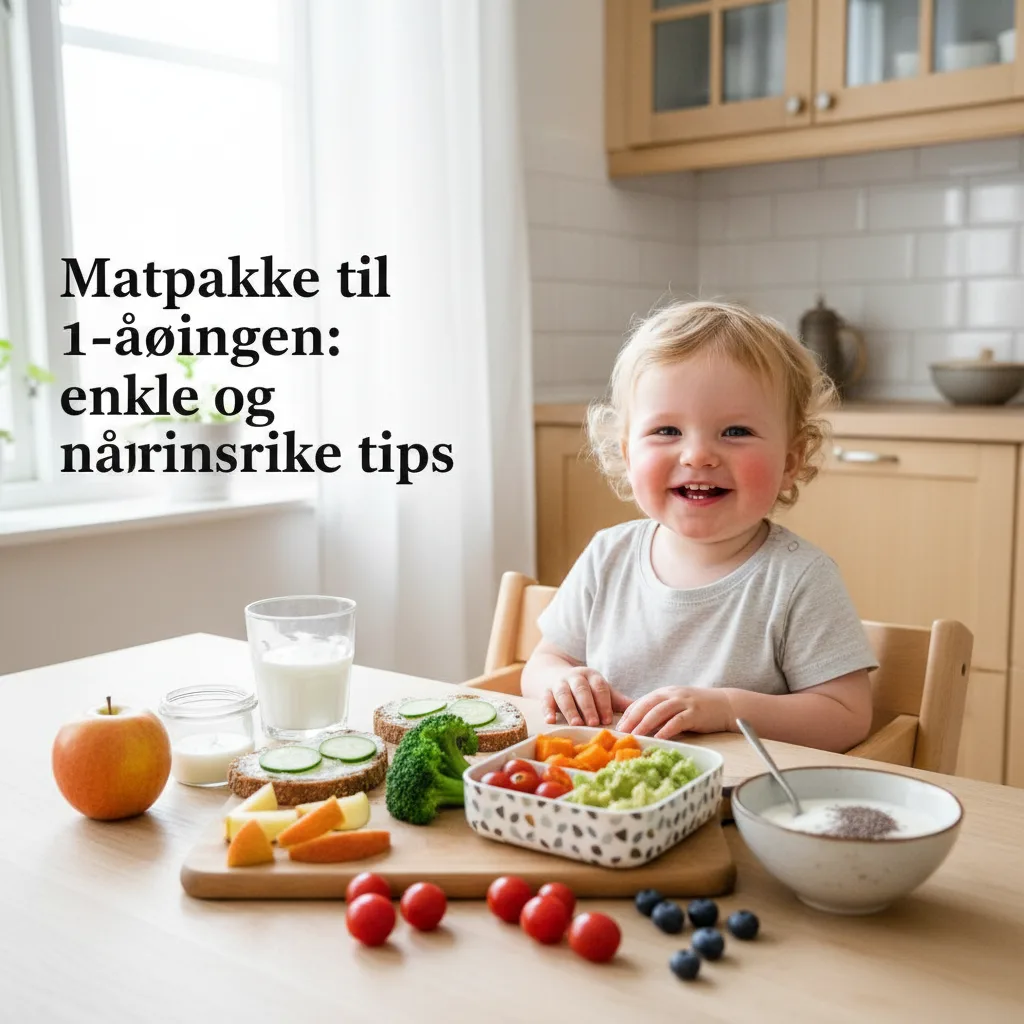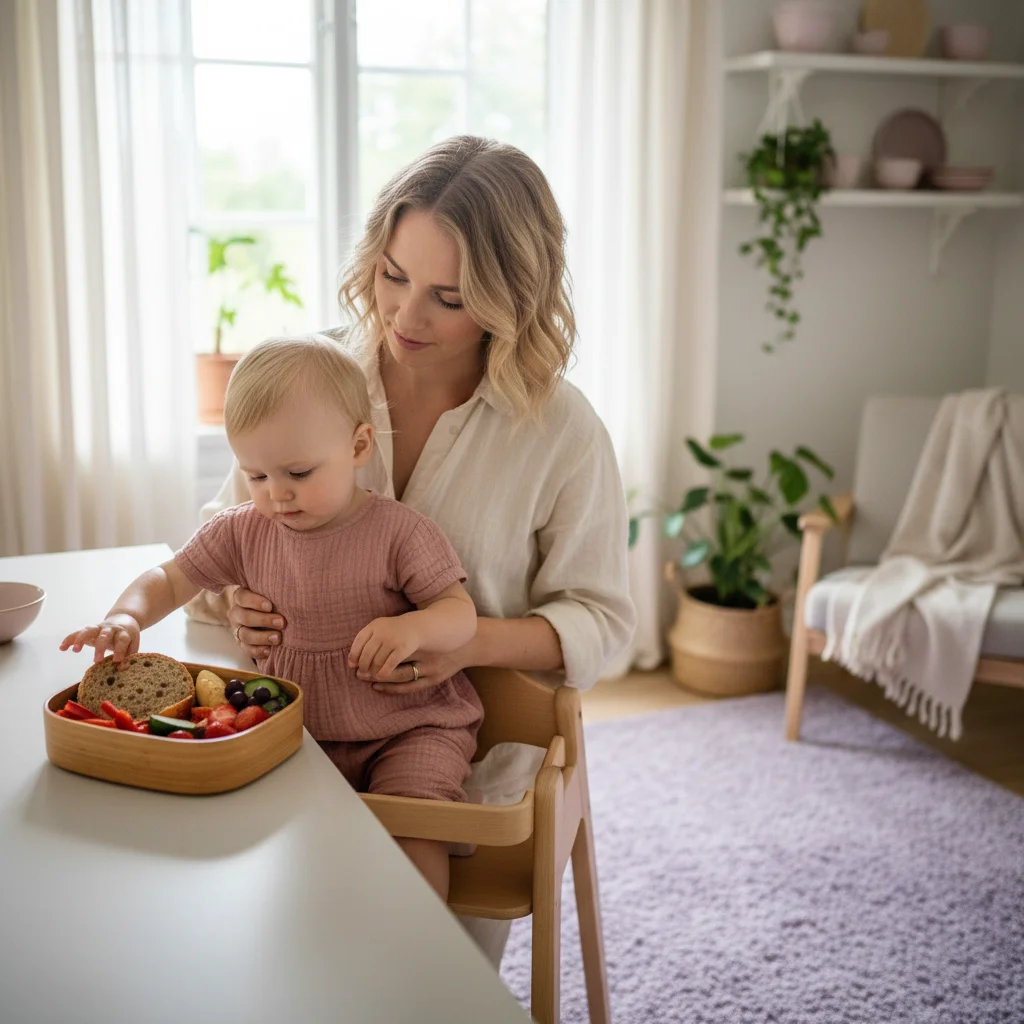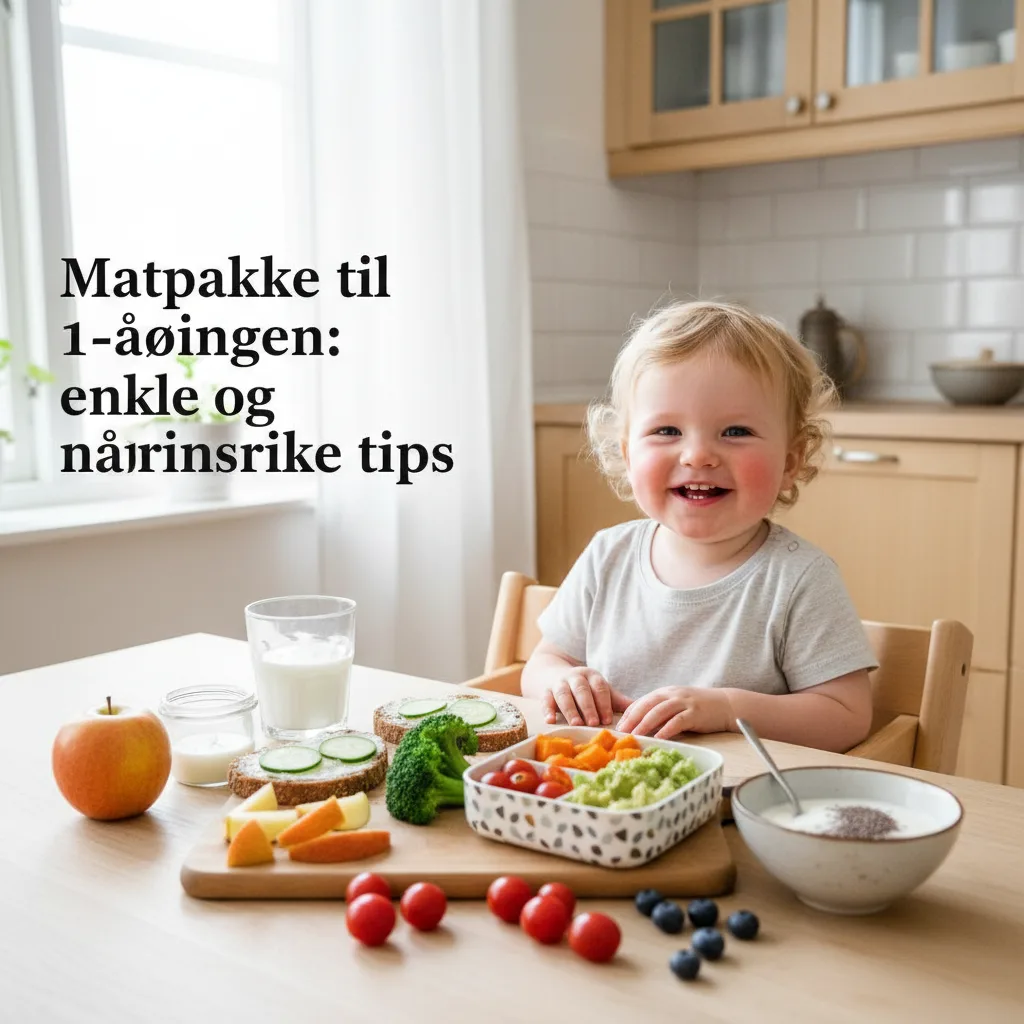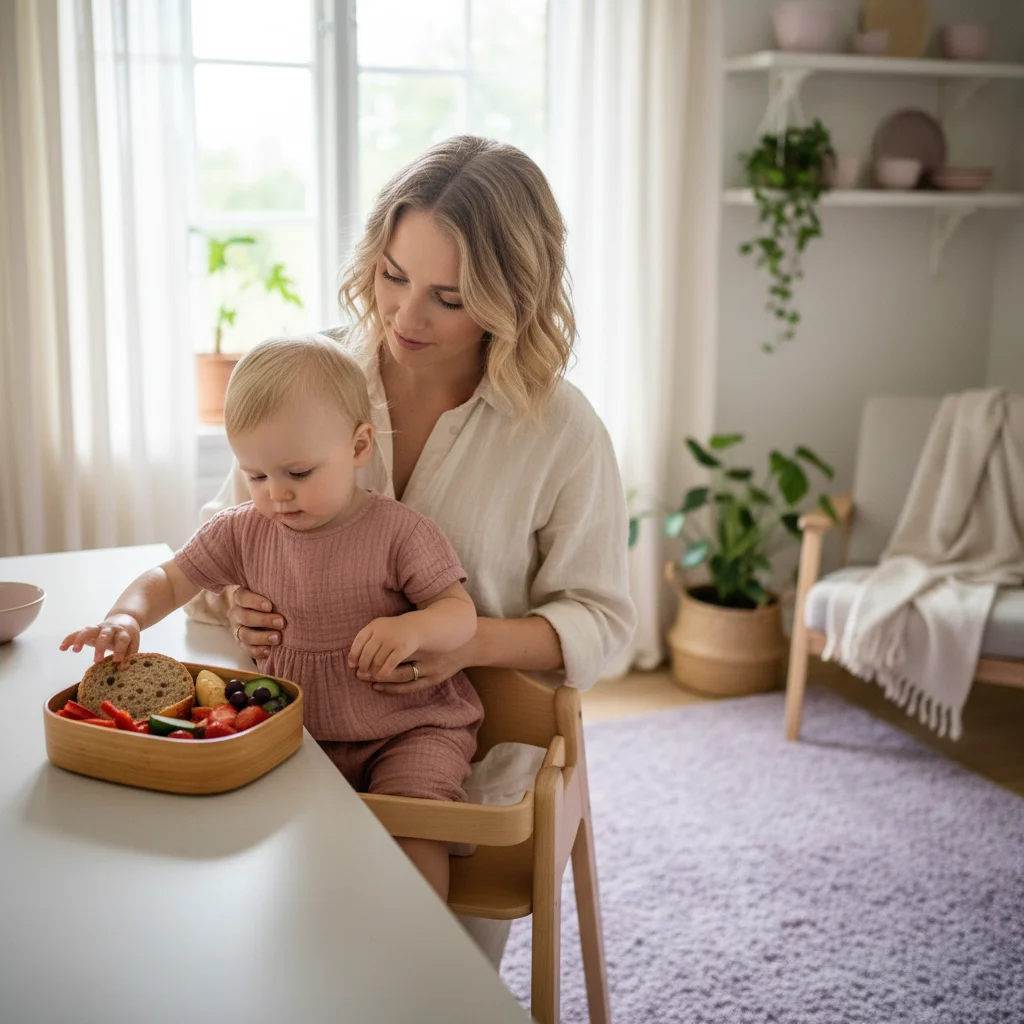
Every morning, the same question: what goes in the lunchbox today? The daycare lunchbox needs to be healthy, filling, and ideally something the child will actually eat. It does not have to be complicated.
Here you will find concrete ideas and practical tips for a lunchbox that provides energy for play and development, based on WHO and AAP dietary guidelines for children.
How to Build a Good Lunchbox
A good lunchbox contains four elements:
- Carbohydrates, whole grain bread, crackers, rolls, or wraps.
- Protein, toppings such as cheese, egg, liver pâté, or deli meat.
- Vegetables or fruit, cucumber, bell pepper, carrot, tomato, grapes (halved), apple.
- Drink, water or whole milk.
This combination provides stable energy throughout the day. Avoid sugary drinks and cookies that give a brief energy spike followed by a crash.
Vary the protein topping throughout the week. This ensures a broader nutrient range and keeps the child from getting bored.
10 Easy Lunchbox Ideas
Bread-Based
1. Classic Liver Pâté Sandwich Whole grain bread with liver pâté, cucumber, and bell pepper on the side. Liver pâté is iron-rich and popular with most children.
2. Egg Sandwich with Tomato Whole grain bread with sliced hard-boiled egg, a little butter, and cherry tomatoes on the side. Eggs provide protein and essential nutrients.
3. Cheese and Banana Whole grain bread with mild cheddar and banana slices. Simple, sweet, and nutritious.
4. Cheese and Cucumber Cheddar on whole grain bread with cucumber on the side. Simple, popular, and nutritious.
5. Cream Cheese and Chicken Whole grain bread with cream cheese, sliced chicken, and a lettuce leaf. Filling and protein-rich.
Bread Alternatives
6. Wraps with Hummus Soft tortilla with hummus, shredded chicken, and cucumber sticks. Roll up and cut into pieces.
7. Whole Grain Crackers with Cheese Crackers with cheddar or cream cheese, fruit on the side. Practical and stays fresh well.
8. Pancakes with Blueberries Thin pancakes (egg, flour, milk) with blueberries inside. Make a large batch on the weekend and freeze.
9. Oat Rolls Homemade rolls with rolled oats and little sugar. Serve with cheese or avocado.
10. Pasta Salad Leftovers Leftover whole grain pasta mixed with vegetables, cubed cheese, and a little olive oil. Perfect cold.
Fruit and Vegetables That Hold Up Well
Not all fruit and vegetables are equally suited to a lunchbox. Here is what works best:
Holds up well all day:
- Cucumber sticks
- Carrot sticks
- Bell pepper pieces
- Cherry tomatoes (whole, not cut, for children over 3 years)
- Apple slices (sprinkle a little lemon juice to prevent browning)
- Banana (with skin)
- Grapes (halved lengthwise for children under 4 years)
Needs refrigeration:
- Blueberries
- Strawberries
- Pear slices
- Avocado
Grapes, cherry tomatoes, and other round foods are a choking hazard for toddlers. Always cut grapes lengthwise. For children under 3, cherry tomatoes should be cut into halves or quarters.
Lunchbox for a Nut-Free Setting
Many daycares are nut-free to protect children with nut allergies. This means you should avoid:
- Peanut butter and other nut butters
- Granola bars with nuts
- Bread or crackers with visible nuts
- Chocolate spreads containing hazelnuts
Good alternatives: Sunflower seed butter, tahini (sesame paste), or plain cream cheese provide similar texture and satiety without nuts. Always check with the daycare about which rules apply.
Practical Everyday Tips
Prepare the Night Before
Spread the bread and put it in the lunchbox the evening before. Store in the refrigerator with the lid on. In the morning you just add the fruit and vegetables.
Use an Ice Pack
A small ice pack in the lunchbox keeps food fresh, especially in summer. Cheese, egg, and yogurt should be kept cool.
Good Lunchboxes
Choose a lunchbox with dividers. This keeps foods separate and the child can choose what to eat first. Bento-style boxes work well.
Make Extra at the Weekend
Pancakes, rolls, and muffins can be made in large batches on the weekend. Freeze in portions and take out as needed.
Involve the Child
Let the child choose between two or three options. "Do you want apple or pear in your lunchbox?" Children who have had a say in the decision eat more of their lunch.
Keeping Costs Down
A lunchbox does not have to be expensive. Some tips for saving:
- Buy seasonal fruit, local apples in autumn, berries in summer.
- Use leftovers, dinner leftovers are free lunchbox food.
- Bake at home, whole grain rolls and crackers are cheap to make.
- Buy in bulk, larger packs of cheese, liver pâté, and bread are cheaper per unit.
- Freeze bread, bread keeps well in the freezer and thaws quickly.
Adapt by Season
Spring/Summer: Fresh fruit, berries, cucumber, and tomatoes. Lighter meals. Remember extra water on warm days.
Autumn/Winter: Filling bread meals. Apple, pear, and carrot hold up well in the cold.
When the Child Comes Home with a Full Lunchbox
It happens. Some days the child barely touches their lunch. Before you worry:
- The child may have eaten well at the daycare's fruit or vegetable snack time.
- Some days play matters more than food.
- Check if the lunchbox is too large, smaller portions look less overwhelming.
- Ask the child (if old enough) what they would like.
Talk to the daycare about what the child eats there. Perhaps the morning snack or fruit time at daycare covers much of their nutritional need.
Frequently Asked Questions
How many slices of bread does a 2-year-old need?
One to two slices is typical, depending on the child's appetite. Add fruit and vegetables on the side. Keep in mind that the child also eats a fruit and vegetable snack at daycare.
Can I send a fish lunchbox to daycare?
Yes, but choose fish that does not smell too strong. Fish cakes and fish spread work well. Avoid tuna and other strongly smelling fish that may bother other children.
What if the daycare is sugar-free?
Many daycares have policies against added sugar. Use naturally sweet alternatives such as fruit, banana on bread, and plain yogurt. Homemade oat cookies with banana as sweetener are a good alternative to store-bought cookies.
Read also: Lunchbox tips for 1-year-olds | Snacks for toddlers | Food on the go with kids
Sources
🔧 Helpful Tools
- Baby Food Guide. Safe foods and introduction schedule for your baby
- Breastfeeding Tracker. Log feeds, track supply, and monitor nursing sessions
- All Baby Tools. Browse all free tools for pregnancy and baby care
📖 Related Articles
- Lunchbox for a 1-Year-Old: Easy and Nutritious Ideas. How to pack a great lunchbox for your 1-year-old at daycare. 10 easy and nutritious lunchbox ideas plus a practical checklist.
- Lunchbox for Daycare: Healthy and Easy Ideas. Tired of packing the same lunch every day? Here are 10 easy and healthy lunchbox ideas for daycare, plus tips on keeping food fresh, nut-free options, and what to do when the lunchbox comes home full.
- Food Fear and Neophobia in Toddlers: When Your Child Refuses to Try New Foods. Is your toddler afraid of new foods? Learn the difference between neophobia and picky eating, and get practical strategies to expand your child's food repertoire without pressure or force.