6:45 AM. The day is barely started and you're already staring into the fridge wondering what on earth to put in the lunchbox, again. Sound familiar?
Packing a healthy, appealing lunchbox for daycare doesn't have to be complicated. With a few good formulas and a rotating list of ideas, you can make it a quick morning task rather than a daily puzzle.
Building a Good Lunchbox: The 4 Elements
A balanced lunchbox for toddlers ideally contains:
- Carbohydrates (energy): bread, crackers, pasta, rice, oats
- Protein (satiety and growth): cheese, egg, meat, legumes, dairy
- Vegetables or fruit (vitamins, fiber): whatever your child accepts
- A little fat (brain development): avocado, butter, cheese, olive oil
You don't need to hit all four every single day. But keeping this framework in mind makes it easier to build something nutritious without overthinking it.
10 Lunchbox Ideas
Bread-Based Options
1. Classic with a Twist
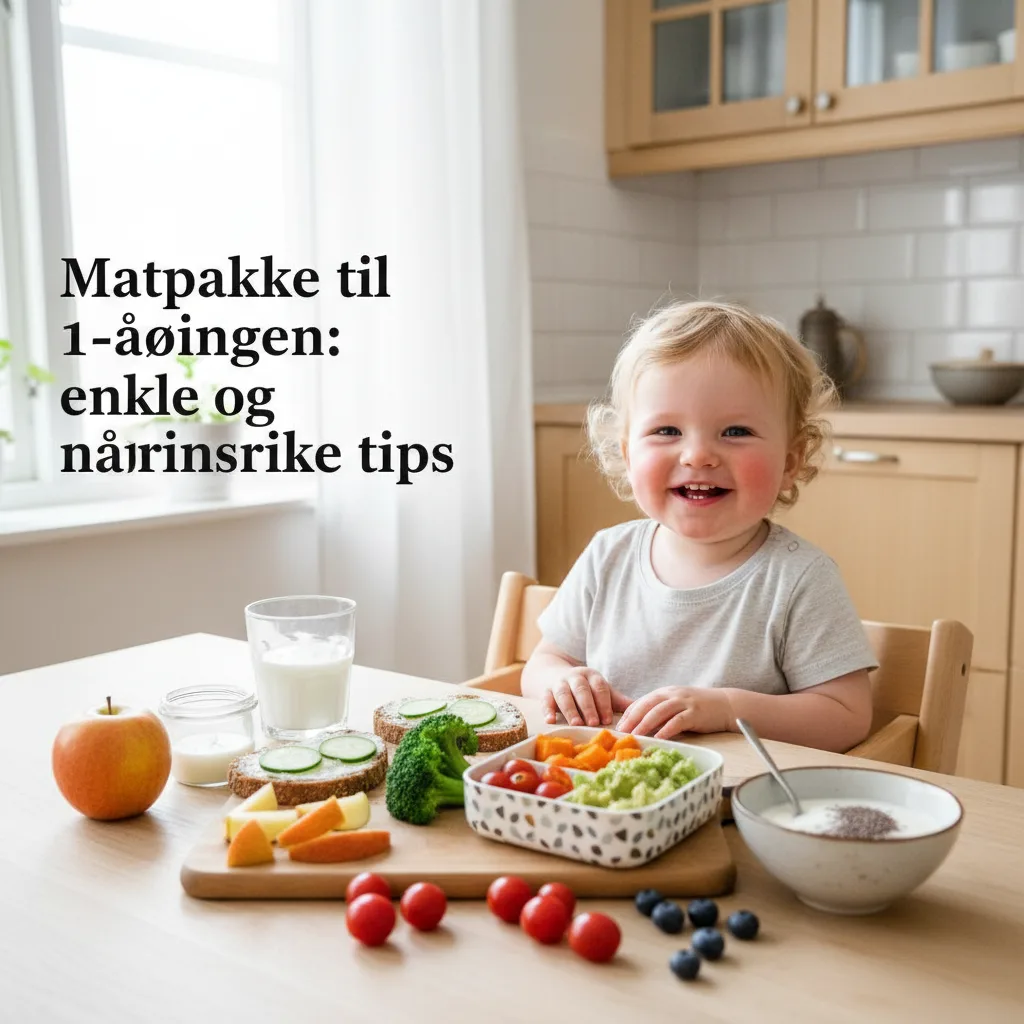
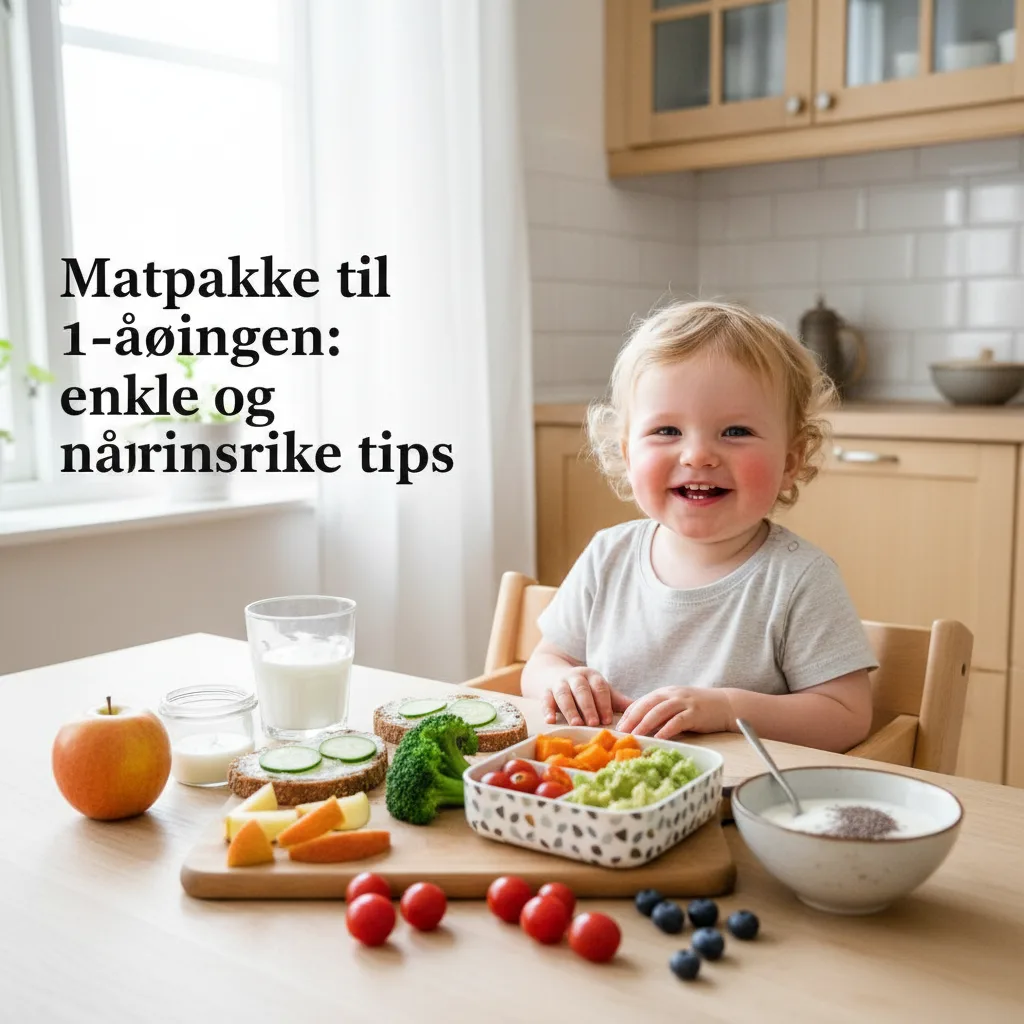
Whole grain bread with butter, mild cheese, and a few cucumber slices or cherry tomato halves. Add a small container of blueberries or strawberries on the side.
Why it works: Familiar and safe for almost all children. Easy to prep and pack.
2. Egg and Veggie Wrap
A small soft tortilla wrap with scrambled egg, a slice of mild cheese, and thin strips of sweet pepper. Cut into halves or roll tightly.
Why it works: Eggs are protein-dense and most toddlers enjoy them. Wraps are often more exciting than regular sandwiches.
3. Avocado Toast Strips
Thick toast cut into strips, spread with mashed avocado and a tiny pinch of lemon juice. Add a side of quartered grapes.
Why it works: Avocado is full of healthy fats. Toast strips are easy for little hands to hold.
4. Hummus and Veggie Dippers
Small pita bread or crackers with a pot of hummus for dipping, plus soft-cooked carrot sticks or cucumber batons.
Why it works: Dipping is interactive and fun, toddlers often eat more when they can dip.
5. Mini Sandwiches
Use a cookie cutter to cut sandwiches into fun shapes (stars, hearts, animals). Fill with cream cheese and thin cucumber, or mild turkey and cheese.
Why it works: Presentation matters to toddlers. A heart-shaped sandwich is objectively more exciting than a square one.
Alternatives to Bread
6. Pasta Salad
Cold cooked pasta (fusilli or penne work best) with cubed mild cheese, cherry tomatoes (halved), cucumber, and a drizzle of olive oil. Served cold or at room temperature.
Why it works: Pasta salad keeps well and travels without getting soggy. Many toddlers who are bored of sandwiches will eat pasta happily.
7. Rice Cakes with Toppings
Plain rice cakes with a generous spread of cream cheese or nut-free seed butter, plus sliced banana or soft berries on the side.
Why it works: Great for gluten-sensitive children and a nice change from bread.
8. Savory Muffins
Batch-cook these on the weekend: mini muffins with grated zucchini, cheese, and egg. Freeze a batch and pull them out as needed.
Why it works: Packed with nutrients, easy to eat, and freezer-friendly. Prep once, use all week.
9. Leftovers from Dinner
Yesterday's pasta, rice, or casserole works perfectly as a cold lunch. Pack in a small airtight container.
Why it works: Zero extra effort. Children often enjoy leftovers because the food is already familiar.
10. Yogurt Pot Box
Full-fat yogurt in a small container, with granola (low sugar) and fruit to stir in. Add crackers and cheese on the side.
Why it works: Great for warmer months when heavy foods feel like too much. The interactive "build your own" element appeals to toddlers.
Fruits and Vegetables That Keep Well in a Lunchbox
Not all produce survives a morning in a bag. These hold up well:
Fruits:
- Apple slices (toss in a little lemon juice to prevent browning)
- Grapes (halved for children under 4)
- Blueberries, raspberries, strawberry halves
- Mandarin orange segments
- Banana (pack whole and let daycare staff peel it)
Vegetables:
- Cucumber batons or rounds
- Cherry tomatoes (halved)
- Sugar snap peas
- Soft-cooked carrot sticks (cooled)
- Bell pepper strips (red and yellow tend to be sweeter and more accepted)
- Corn (off the cob, or baby corn)
Avoid in the lunchbox:
- Cut apples without lemon juice (they brown quickly)
- Leafy greens (wilts and gets unappetizing)
- Watery fruits like watermelon (leaks everywhere)
Nut-Free Options
Many daycares are nut-free due to severe allergy policies. Here's how to get the protein and healthy fat without nuts or peanut products:
Nut-free alternatives to peanut butter:
- Sunflower seed butter, similar texture and taste, widely accepted by toddlers
- Tahini, sesame paste (check if daycare is sesame-free too)
- Hummus, protein from chickpeas
- Cream cheese, mild and spreadable
- Mashed avocado, healthy fat alternative
Nut-free protein sources:
- Hard-boiled egg
- Cheese (mild cheddar, mozzarella, cream cheese)
- Cooked chicken or turkey, thinly sliced
- Full-fat yogurt
- Beans or lentils (in pasta salad or muffins)
Practical Tips
Keep It Familiar
Daycare can be overwhelming for toddlers. A familiar, safe lunchbox provides comfort. This isn't the place to introduce brand-new foods, save new tastes for home.
Portion Size
Toddler stomachs are small. A full lunch for a 2-year-old might be:
- 1 small sandwich or equivalent
- A handful of fruit or veg
- 1–2 small "extras" (cheese cube, cracker, small yogurt)
Don't pack too much, a lunchbox stuffed with food can be overwhelming.
Temperature Safety
If your daycare doesn't refrigerate lunchboxes, use an insulated bag with an ice pack for anything perishable (dairy, eggs, meat). Food should stay below 40°F / 4°C.
Easy-Open Packaging
Toddlers need to be able to open their own lunchbox containers. Check that lids and clasps are manageable for small hands, or pre-open containers before packing.
Involve Your Child
Let your toddler help choose what goes in the lunchbox the evening before (within reason). A child who helped pack their lunch is more likely to eat it.
Budget Tips
Healthy lunchboxes don't have to be expensive:
- Buy seasonal fruit and veg, they're cheaper and often tastier
- Batch cook on weekends: muffins, hard-boiled eggs, pasta salad
- Buy block cheese and slice/cube it yourself, significantly cheaper than pre-sliced
- Frozen fruit (berries, mango) is just as nutritious as fresh and often cheaper; thaw overnight
- Avoid individual portions: buy larger tubs of yogurt, crackers, etc. and portion yourself
Seasonal Adjustments
Summer:
- Keep it lighter, fruit, cold pasta, yogurt, cucumber
- Extra ice pack essential
- Smoothie pouches (homemade or store-bought) work well in warm weather
Winter:
- More warming options work if daycare has a microwave: mini thermos with leftover soup or pasta
- Add a small hot chocolate or warm oat milk in a thermos as a treat
- Denser foods like savory muffins and egg dishes are more satisfying in cold weather
When the Lunchbox Comes Home Full
This happens to everyone. It doesn't necessarily mean the food was wrong, it might mean:
- Your child was tired and ate less (common after busy mornings)
- They were distracted by friends and play
- Something happened (a disagreement at daycare, feeling under the weather)
- The texture or temperature was off after sitting in a bag for hours
If it becomes a regular pattern, it's worth gently asking your child what they'd prefer, or checking with daycare staff whether there's a pattern to when your child eats well versus not.
Don't turn it into a big deal. Children's appetites vary wildly day to day. As long as they're growing well and eating reasonably at home, an occasional untouched lunchbox is not a crisis.
Lunchbox Quick-Reference
| Lunchbox Element | Ideas |
|---|---|
| Carb/base | Bread, wrap, rice cakes, pasta, crackers, savory muffin |
| Protein | Cheese, egg, hummus, yogurt, chicken, seed butter |
| Veg | Cucumber, tomatoes, peppers, snap peas, carrots |
| Fruit | Grapes (halved), berries, apple slices, mandarin, banana |
| Fun extra | Small crackers, popcorn, dried mango slice, mini muffin |
Looking for age-specific lunchbox tips? See our guide on Lunchbox for Your 1-Year-Old.
Sources
- AAP. Infant and toddler nutrition guidelines
- WHO. Global infant feeding recommendations
- CDC. Infant and toddler nutrition resources
🔧 Helpful Tools
- Baby Food Guide. Safe foods and introduction schedule for your baby
- Breastfeeding Tracker. Log feeds, track supply, and monitor nursing sessions
- All Baby Tools. Browse all free tools for pregnancy and baby care
📖 Related Articles
- Lunchbox for Your 1-Year-Old: Easy and Nutritious Tips. Your 1-year-old is starting daycare and you need to pack a lunchbox? Here's what to include, what to avoid, and 10 practical ideas that work for little ones.
- Daycare Lunchbox Ideas. Healthy and Easy. Practical lunchbox ideas for daycare. Healthy, simple, and child-friendly suggestions based on WHO and AAP dietary guidelines for toddlers.
- Lunchbox for a 1-Year-Old: Easy and Nutritious Ideas. How to pack a great lunchbox for your 1-year-old at daycare. 10 easy and nutritious lunchbox ideas plus a practical checklist.