The Short Answer
Babies under 6 months should not be given water, not even a few sips. From around 6 months, when solid foods begin, small amounts of water (60–120 ml / 2–4 oz per day) can be offered with meals. This recommendation is consistent across the WHO, AAP, and NHS.
Key Takeaways
- No water before 6 months, not even in hot weather; breast milk and formula provide complete hydration (WHO, AAP, NHS)
- Even 2–3 oz of water given to a newborn can cause hyponatremia (water intoxication), a potentially life-threatening sodium imbalance
- From 6 months, offer up to 60–120 ml (2–4 oz) per day with meals using an open cup or free-flow sippy cup
- Breast milk and formula remain the primary fluids until 12 months, water supplements solids but does not replace milk
- Juice is not recommended before 12 months, it promotes tooth decay and displaces nutrition without benefit
Why No Water Before 6 Months?
Giving water to a baby under 6 months can be dangerous:
- Water intoxication: A baby's kidneys are immature and cannot process excess water. Even small amounts (as little as 2–3 oz) can dilute sodium levels in the blood, leading to hyponatraemia, a potentially life-threatening condition
- Displaces nutrition: Water fills a tiny stomach without providing calories, fat, or protein. Babies who drink water eat less breast milk or formula, risking weight faltering and nutrient deficiency
- Electrolyte imbalance: Low sodium can cause seizures, brain damage, and in severe cases, death
Breast milk and formula are approximately 87% water and provide complete hydration for infants under 6 months. No additional fluids are needed.
When Can Babies Start Water?
| Age | Water recommendation |
|---|---|
| 0–6 months | No water (breast milk/formula only) |
| 6–12 months | Up to 120 ml (4 oz) per day with meals |
| 12+ months | Up to 240 ml (8 oz) per day; water as primary drink alongside whole milk |
How to Offer Water From 6 Months
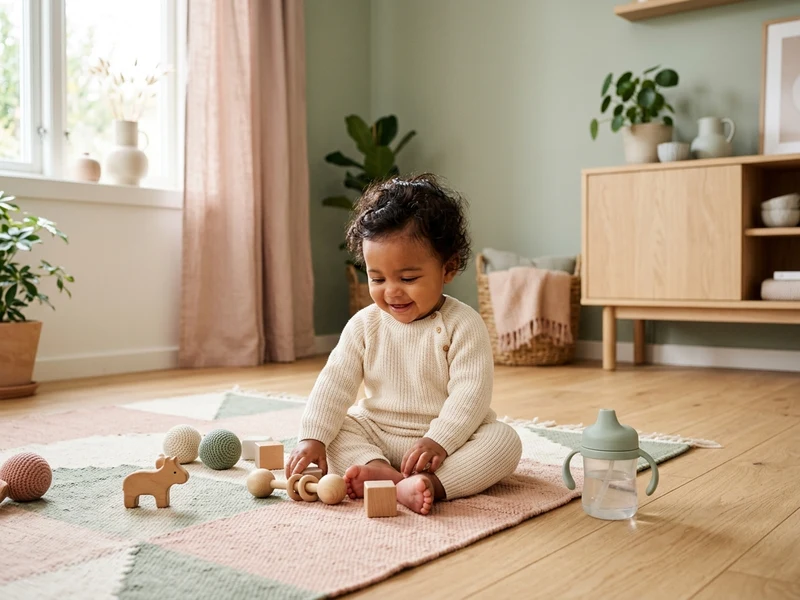
- Use an open cup or free-flow sippy cup, the NHS recommends open cups from 6 months to support oral development and reduce prolonged bottle use
- Offer small sips with meals, not between them
- Tap water is fine for babies over 6 months in countries with safe water supplies (including the US and UK)
- Water does not need to be boiled after 6 months in countries with safe tap water
What About Juice, Squash, or Other Drinks?
- Fruit juice: Not recommended under 12 months (NHS, AAP). High sugar content, promotes tooth decay, displaces nutrition
- Squash and flavoured drinks: Not appropriate for babies, too much sugar and additives
- Herbal teas: Not recommended under 12 months
- Cow's milk as main drink: Not before 12 months (may be used in cooking from 6 months)
Hot Weather and Illness
Even in hot weather, healthy babies under 6 months do not need water. If breastfeeding, offer the breast more frequently, breast milk provides all hydration needed. If formula-feeding, offer the normal amount of formula more frequently.
During illness with vomiting or diarrhoea, consult your doctor. Oral rehydration solutions (like Dioralyte) may be recommended, do not give water alone as a rehydration measure.
Explore Tools
Track feeds and hydration alongside solids introduction with our SmartStart Food Guide.
Related Articles
- When Can Babies Start Eating Solid Food?
- What Foods to Avoid for Babies Under 1
- How to Start Baby-Led Weaning
Frequently Asked Questions
When can babies start drinking water?
Babies should not have water before 6 months, not even small sips. From around 6 months, when solid foods begin, up to 60–120 ml (2–4 oz) of water per day can be offered with meals. This recommendation is consistent across the WHO, AAP, and NHS.
Why is water dangerous for babies under 6 months?
A baby's immature kidneys cannot process excess water. Even small amounts (as little as 2–3 oz) can dilute sodium levels in the blood, causing hyponatraemia, a potentially life-threatening condition causing seizures and brain damage. Water also displaces breast milk or formula, risking nutrient deficiency and weight faltering.
Does my baby need water in hot weather?
No, healthy babies under 6 months do not need water even in hot weather. Breast milk is approximately 87% water and provides complete hydration. Breastfeeding parents should offer the breast more frequently in heat. Formula-fed babies can receive their normal formula amount more often.
How much water can a baby have at 6–12 months?
From 6 months, small sips with meals, up to 120 ml (4 oz) per day, are appropriate. Water should be offered with meals, not between them, to avoid displacing milk intake. By 12 months, up to 240 ml (8 oz) per day is suitable, with water becoming the primary drink alongside whole milk.
Can babies have juice instead of water?
No, the NHS and AAP advise against fruit juice before 12 months. Juice has high sugar content, promotes tooth decay from the first tooth, and offers no nutritional benefit over whole fruit. After 12 months, juice is still not recommended as a routine drink, water and whole milk are preferred.
What type of cup should babies use for water?
The NHS recommends using an open cup or free-flow sippy cup from 6 months to support oral development and reduce prolonged bottle use. An open cup (beaker) is ideal. In countries with safe tap water supplies, including the US and UK, tap water does not need to be boiled for babies over 6 months.
What are signs of dehydration in a baby?
Signs of dehydration include fewer wet nappies than usual (fewer than 6 in 24 hours), dark yellow urine, dry mouth, sunken fontanelle (soft spot on head), or unusual lethargy. During illness involving vomiting or diarrhoea, consult a doctor, oral rehydration solutions may be needed rather than plain water.
Sources
- American Academy of Pediatrics (AAP), Recommended Drinks for Children Under 5
- NHS, What to feed young children
- World Health Organization (WHO), Complementary Feeding
- CDC, Water and Healthier Drinks for Babies and Toddlers
🔧 Helpful Tools
- Baby Food Guide. Safe foods and introduction schedule for your baby
- Baby Milestones Tracker. Track your baby's developmental milestones
- All Baby Tools. Browse all free tools for pregnancy and baby care