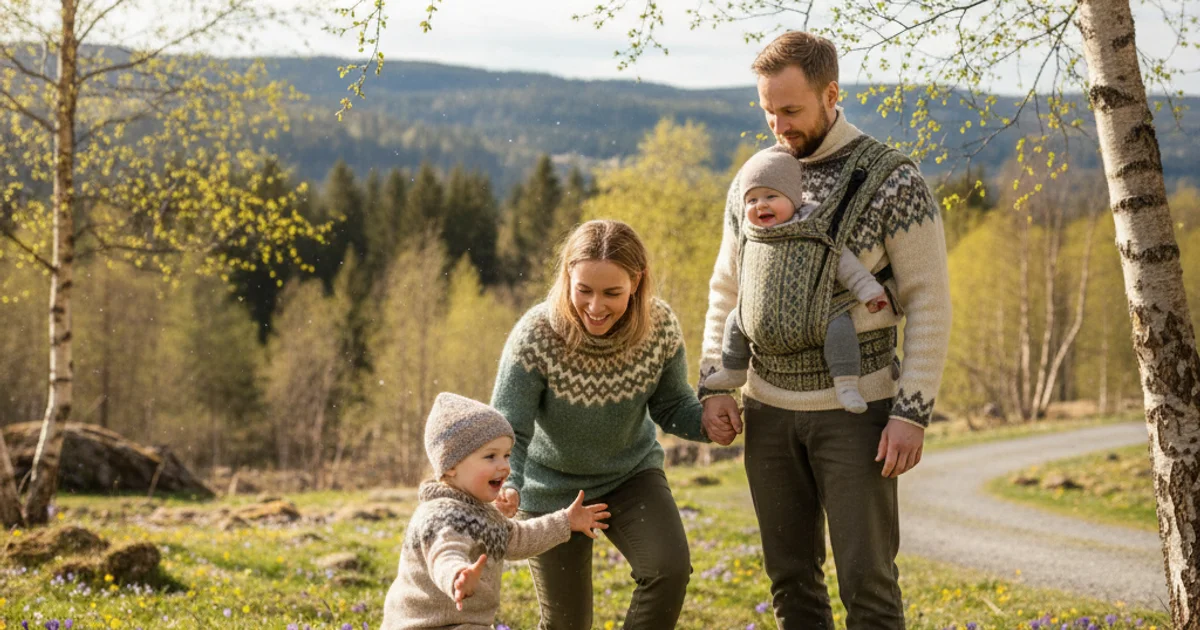
After a long, dark winter, few things beat getting outside with the kids when the sun finally starts to warm the world again. Crocuses push through the soil, birds are singing, and suddenly there are a thousand new things to discover for small, curious people.
Here are 20 concrete activities sorted by age, plus practical tips to make spring days safe and enjoyable.
Baby 0–12 months: The senses wake up
Babies don't need elaborate experiences. Spring offers free sensory stimulation in abundance, smells, sounds, light, and textures that are completely new to them.
1. Sensory stroller walk
Take a leisurely walk through the neighborhood or a park. Stop along the way and let your baby touch different textures: bark, grass, flower petals, moss. Describe what you see, colors, birds, trees. Your baby doesn't understand the words yet, but your voice and all those impressions stimulate brain development.
2. First picnic on a blanket
Lay out a blanket in the garden or park. Let your baby lie on their tummy and explore with all their senses. Grass between fingers, wind on skin, the play of shadows through leaves. Short sessions of 10–15 minutes are plenty for the youngest babies.
3. Listening to birds
Birds are especially active in spring. Sit under a tree and just listen. Point toward the birds and mimic the sounds. Even very young babies respond to birdsong and will try to locate the source with their eyes.
4. Feet in the grass
When the ground is warm enough, let your baby feel grass under their feet. It is a completely new sensory experience. Some babies love it immediately, others are skeptical. Both reactions are entirely normal and wonderful to see.
5. Picking dandelions
From around 6–8 months, babies can grasp and hold. Give your baby a dandelion to hold, feel, and study. Show them how to blow on a seed head. Simple moments like this are gold for fine motor development and curiosity.
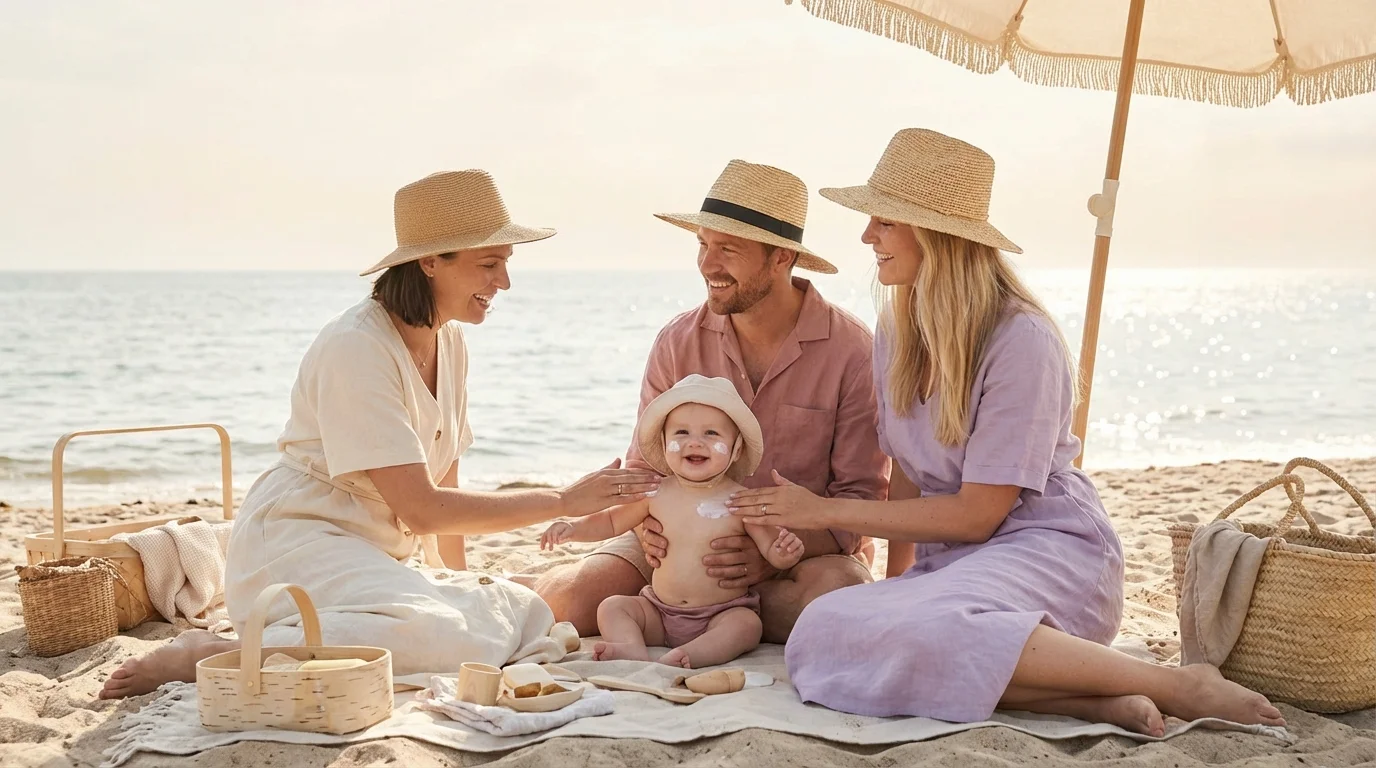
Babies under 1 year should not be in direct sunlight, according to the AAP. Choose shade, use a sun hat, and dress them in light clothing. From 1 year, you can apply sunscreen with at least SPF 30 to exposed areas.
1–2 years: Little explorers
Now that your little one is up and walking (or crawling with great enthusiasm), a whole new world opens up. Everything must be investigated, picked up, and ideally put in the mouth.
6. Jumping in puddles
Spring means melting snow and puddles everywhere. Put on rubber boots and a rain suit and let your child jump and splash. Puddle play trains gross motor skills, balance, and brings enormous joy. You will get wet. That is entirely the point.
7. Collecting nature treasures
Bring a bucket or bag and collect stones, sticks, pinecones, and leaves on a walk. Let your child decide what is worth bringing home. Afterwards you can lay the treasures in a bowl and study them together.
8. Feeding ducks
A classic spring outing. Bring birdseed or frozen peas (not bread, it is harmful to birds) and visit a pond or lake. Watching ducks swim over is a big experience for one-year-olds.
9. Planting seeds in a cup
Cress or sunflower seeds in a plastic cup with soil is a simple project. Your child can help press the seed into the soil and water it with a small watering can. Watching something grow is magical for young children.
10. Water play outside
Fill a basin with lukewarm water in the garden. Add cups, spoons, balls, and small toy boats. Water play trains fine motor skills, stimulates the senses, and can entertain for hours. Have dry clothes ready for afterwards.
Take photos of your spring activities and save them in Babysential's memory book. Next year it will be wonderful to look back and see how much your child has grown.
2–3 years: Active explorers
Two- and three-year-olds have boundless energy and want to do everything themselves. Spring offers endless opportunities for play that combines learning, motor skills, and time in nature.
11. Nature scavenger hunt
Make a simple list with pictures of things to find: a pinecone, a yellow leaf, a stone, a flower, something wet. Go for a walk and check things off as you find them. Perfect for practicing observation skills and making the walk more exciting.
12. Planting vegetables in a planter box
Carrots, peas, or lettuce in a planter box on the balcony or in the garden. Let your child help sow, water, and track the growth. Children who grow vegetables themselves are often more willing to taste the results.
13. Build an insect hotel
Use an empty milk carton and fill it with sticks, straw, and pinecones. Hang it in the garden or on the balcony. Check regularly to see if any insects have moved in. A lovely way to learn about nature.
14. Sidewalk chalk drawing
Get some large sidewalk chalk and find a paved surface. Draw animals, letters, hopscotch lanes, or free-form artwork. Rain washes it all away, so you can start fresh the next day.
15. Bike or balance bike ride
Many two-year-olds manage a tricycle or balance bike. Find a safe path or sidewalk and let your child ride while you walk alongside. Fresh air, motor skills, and a sense of achievement all in one.
Children over 2 should wear a sun hat and sunscreen with at least SPF 30 on sunny spring days, according to the AAP. UV radiation can be strong from March onward, especially at higher altitudes.
For the whole family: 5 spring activities everyone can join
16. Family picnic in the park
Pack lunch boxes, a blanket, and a thermos. Find a nice spot in the sun and eat outside. Children love eating outdoors, even an ordinary sandwich tastes better on a trip. Bring a ball or frisbee for play afterwards.
17. Visit a farm
Many farms open for visits in spring, especially during lambing season. Seeing lambs, chicks, and calves up close is a wonderful experience for children of all ages. Check if there is an open farm near you.
18. Explore a new playground
Break your routine and visit a playground you haven't been to before. New swings, slides, and climbing frames bring new challenges and inspiration. Your local council website may have a map of playgrounds in your area.
19. Photograph signs of spring
Give your child (from age 2–3) an old camera or use your phone together. Go hunting for signs of spring: crocuses, snowdrops, buds, insects, running streams. Print the best photos and make a spring poster together.
20. Spring clean with a helper
Young children love to "help" with cleaning. Give your child a cloth and let them wash windows (they only reach the bottom panes anyway). Sweep the terrace together. Tidy up the garden. It is not efficient, but it is fun and builds togetherness.
Practical tips for spring outings
Clothing: Layer up
Spring weather is unpredictable. Morning temperatures can be cool while afternoons in the sun feel warm. Dress children in layers:
- Inner layer: Wool or cotton against the skin
- Middle layer: Fleece or a wool sweater
- Outer layer: Windproof and water-resistant jacket
- Always pack: An extra hat and mittens in the bag, spring evenings can be chilly
Sun protection
The AAP recommends:
- Infants under 6 months should be kept in the shade and protected with clothing and a hat
- From 6 months, use sunscreen with at least SPF 30 on exposed areas
- A wide-brimmed sun hat is recommended for all children
- UV radiation is strongest between 10 am and 4 pm
Pollen allergy in children
Some children react to pollen from as early as age 2–3. Symptoms such as a runny nose, itchy eyes, and sneezing during pollen season should be discussed with your pediatrician. Tips to manage pollen exposure:
- Check pollen forecasts from your local weather or allergy service
- Air out the bedroom before pollen season begins
- Wash hands and face after outdoor play
- Change clothes after outdoor activities on high-pollen days
Keep track of your baby's milestones through spring. Many children make major motor progress when they have more space and freedom to move outdoors.
Spring is for exploring
You don't need expensive equipment or carefully planned activities. A puddle, a dandelion, and a little time are often enough. The greatest gift you can give your child is discovering the world together, at whatever pace feels right.
So dress up, head outside, and enjoy that the days are finally getting longer and warmer. Getting a little dirty is perfectly fine.
Frequently asked questions
When can my baby be out in spring sunshine?
Newborns can go outside from day one, but keep them in the shade and avoid direct sun. From 6 months you can use high-SPF sunscreen. Dress your baby in light layers and always have a sun hat available. Shorter outings are wise at first.
What should I do if my child eats soil or plants outside?
It happens. Most common garden plants are harmless, and a little soil is not dangerous. Calmly remove anything remaining from their mouth without making a big fuss. Watch out for toxic plants such as lily of the valley, foxglove, and laburnum. If in doubt, contact Poison Control immediately.
How cold is too cold to go outside with a baby?
Babies can go outside in most temperatures with appropriate clothing. Feel the back of their neck, it should be warm, not sweaty or cold. Start with shorter outings and remember that babies in a stroller don't generate heat through movement the way older children do.
Read more
- Summer Activities with Baby and Toddler
- Outdoor Play with Young Children in All Seasons
- Milestones. Track Your Baby's Development
- Memory Book. Preserve the Moments
- Spring and Easter with Your Baby
Sources
- AAP. Sun Safety
- WHO. Child Development and Early Stimulation
- National allergy and asthma organizations, pollen information
🔧 Helpful Tools
- All Baby Tools. Browse all free tools for pregnancy and baby care
📖 Related Articles
- Summer Activities with Baby and Toddler. Enjoy the summer with your baby! Safe and fun summer activities for babies and toddlers of every age.
- Play for 2-Year-Olds: 20 Fun Activities, 20 fun activities for your 2-year-old that spark creativity, language, and motor skills. Easy ideas for home and outdoors, all year round.
- May 17th with baby and toddlers: Complete guide to Norway's National Day. How to celebrate May 17th with baby and toddlers. Tips for the children's parade, traditional costumes, food, and a stress-free day.