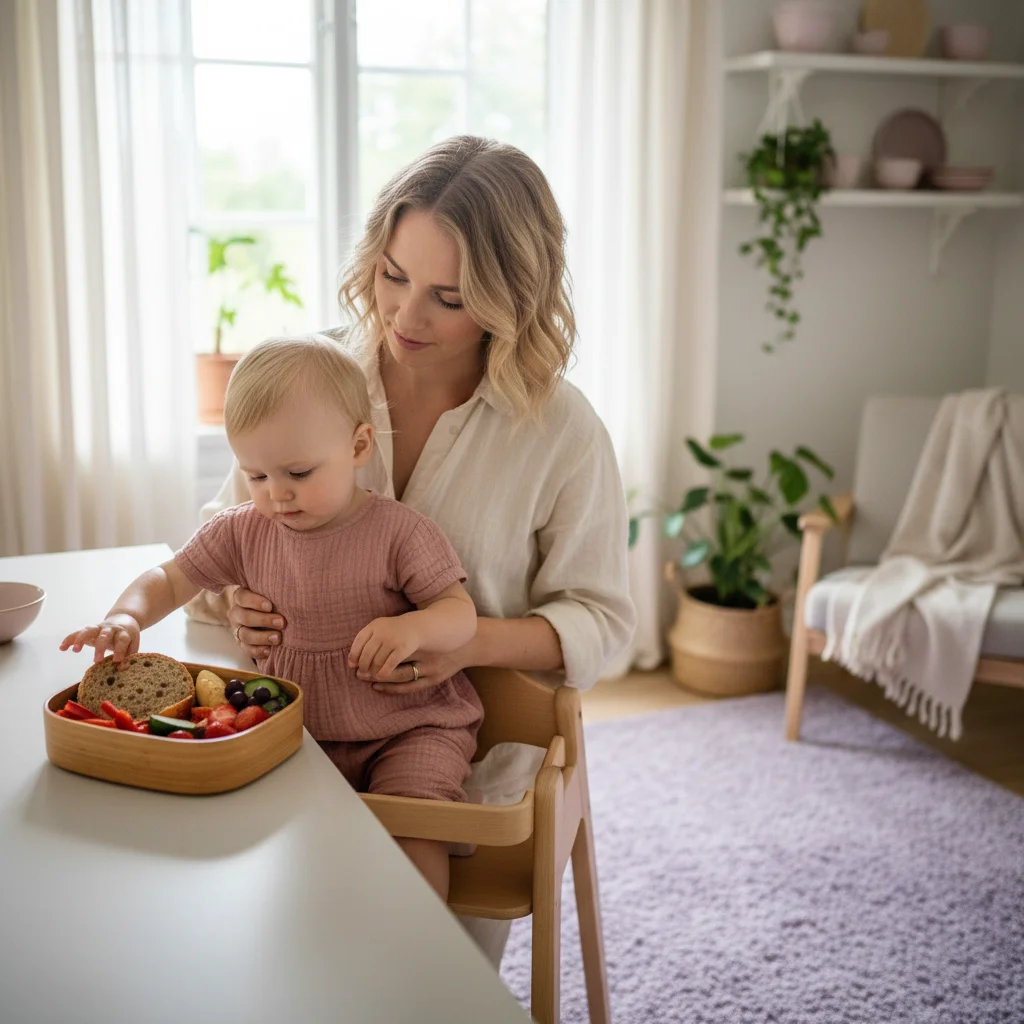
"I don't want it!" Sound familiar? Most toddler parents have experienced their child turning away from food, clamping their mouth shut, or flat-out refusing to taste anything.
Take a deep breath. Picky children are completely normal - in fact, up to 50 percent of 2-year-olds are considered picky eaters. It's a phase, and it passes. Here are practical tips to get through it without stress.
Why Are Toddlers So Picky?
Picky eating isn't about the child being difficult. It's a natural part of development.
Three reasons children refuse food:
- Self-development: Around 1-2 years, children start testing boundaries and making their own choices. Food is an arena where they can say no
- Suspicion of new things: Children are naturally skeptical of unfamiliar food - it's actually a protective mechanism
- Slower growth: Toddlers don't grow as fast as babies, so they need relatively less food
Children may need up to 10 exposures to a new food before they accept it. Don't give up after the first attempt!
What Do You Do When Your Child Won't Eat?
First: Don't push. Forcing, threatening, or coaxing turns mealtimes into a battle - and can actually make the problem worse.
What Works
- Serve small portions: A small portion is less overwhelming. Let the child ask for more
- Offer choices: "Do you want carrot or cucumber?" gives the child control
- Eat together: Children learn from role models. Show that you eat a varied diet
- Stay calm: A positive atmosphere at the table increases appetite
- Repeat without nagging: Offer the food again another day, perhaps prepared differently
What to Avoid
- Don't force or punish
- Don't make alternative meals (only "kid food") every time
- Don't use dessert as a reward
- Don't pay too much attention to what the child eats
Important: Using ice cream or candy as a reward for finishing dinner teaches the child that food is something negative that needs to be "compensated" with a treat.
What Can You Give a Child Who Won't Eat?
Start with what the child likes. The most important thing is that the child gets nutrition - not that they eat exactly what you planned.
Foods that many picky children accept:
- Pasta (preferably without sauce at first)
- Bread and crackers
- Cheese cubes
- Banana and other soft fruits
- Pancakes or waffles
- Eggs (boiled, fried, or as an omelet)
- Yogurt
How to Sneak In More Nutrition
- Blend vegetables into ground meat or sauce
- Grated carrot in pancakes
- Smoothie with spinach (the green color can be camouflaged with banana)
- Use whole grain pasta or whole wheat bread
When Should You Talk to Your Pediatrician?
Picky eating is usually harmless. But in some cases, you should contact your pediatrician.
Seek help if:
- The child is losing weight or stalling on the growth curve
- The child is under 12 months and eating poorly
- You see signs of nutritional deficiency (fatigue, pale skin)
- The child coughs a lot or has swallowing difficulties
- The situation significantly affects the family's quality of life
For most toddlers, picky eating is just a phase. A healthy child who plays, has energy, and follows the growth curve usually gets what they need.
How Much Does a Toddler Actually Need?
Parents often overestimate their child's nutritional needs. Remember that toddlers no longer double their weight the way they did as infants.
Good signs that the child is getting enough:
- Has energy for play and activity
- Sleeps well
- Has regular bowel movements
- Follows their own growth curve
A child's stomach is the size of a fist. Small portions, frequent meals.
The 10-Time Rule Explained
Researchers have found that children often need to taste a food up to 10 times before they accept it. This doesn't mean 10 times in one day - but over weeks and months.
How to use the rule:
- Offer the food without pressure
- Let the child see, smell, and possibly touch the food
- Praise if the child tastes, even if they spit it out
- Offer again a few days later, perhaps prepared differently
- Be patient - it takes time
Common Questions
When does picky eating go away?
For most children, picky eating gradually decreases from age 3-4. Some children remain more selective than others, and that's also normal.
Does my child need supplements?
No, most toddlers who eat somewhat varied don't need supplements. The exception is vitamin D, which all children should get.
Should I stop serving food my child doesn't like?
No - keep offering, but without pressure. Place a small amount of the "difficult" food on the plate alongside food the child likes.
Summary
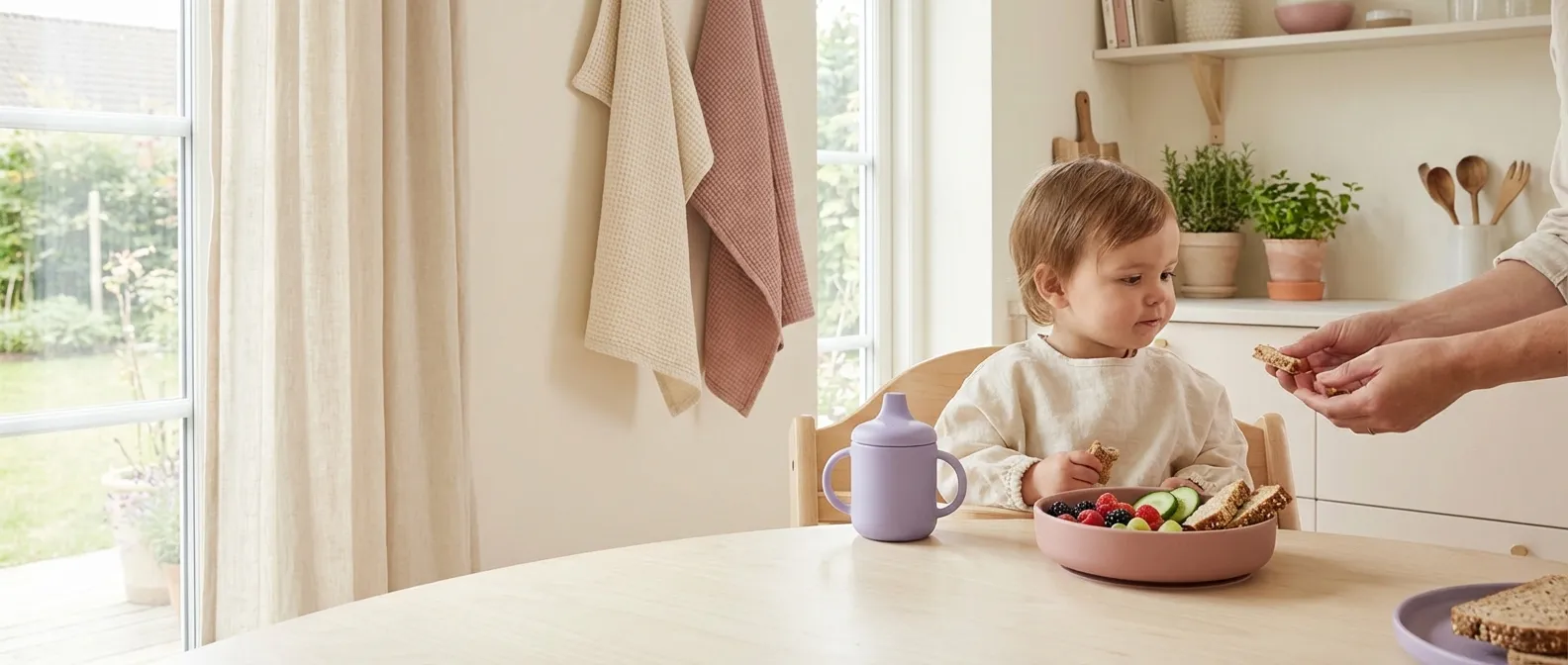
Picky children are completely normal. The key is to stay calm, avoid food battles, and offer varied food repeatedly. Most toddlers outgrow picky eating - and get what they need along the way.
Remember: You decide what is served. The child decides how much they eat.
Read also: Nutrition for 2-3 Year Olds | Baby Food at 6 Months
Sources
🔧 Helpful Tools
- Baby Food Guide. Safe foods and introduction schedule for your baby
- Breastfeeding Tracker. Log feeds, track supply, and monitor nursing sessions
- All Baby Tools. Browse all free tools for pregnancy and baby care
📖 Related Articles
- Easter Breakfast with Kids: Festive and Easy for the Whole Family. Create a magical Easter breakfast for the whole family. Simple recipes, kid-friendly food, decoration ideas and tips for all ages from 6 months up.
- Lunchbox for Daycare: Healthy and Easy Ideas. Tired of packing the same lunch every day? Here are 10 easy and healthy lunchbox ideas for daycare, plus tips on keeping food fresh, nut-free options, and what to do when the lunchbox comes home full.
- Nutrition for 2–3 Year Olds: Healthy Meals Without the Fuss. Nutrition guide for 2–3 year olds. AAP and CDC recommendations for healthy meals, portions, and nutrients for toddlers without the mealtime battles.