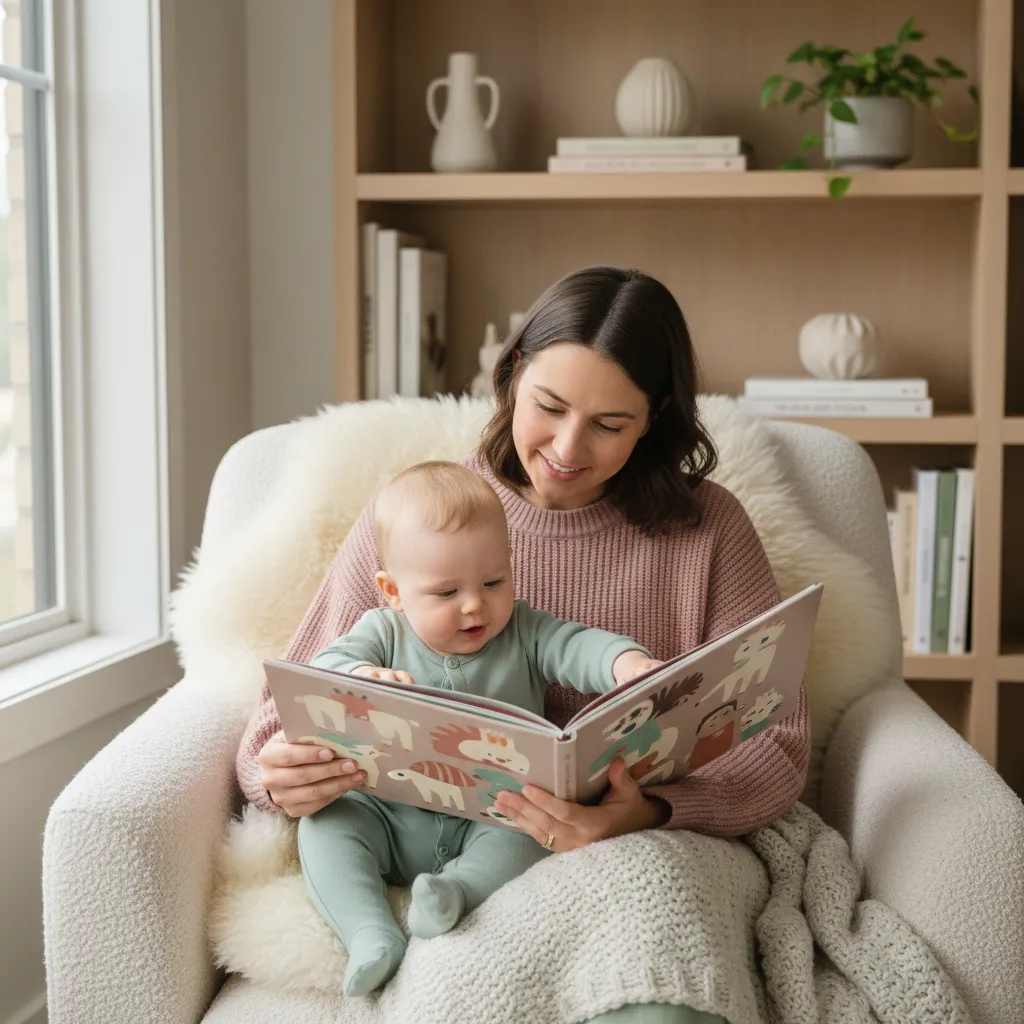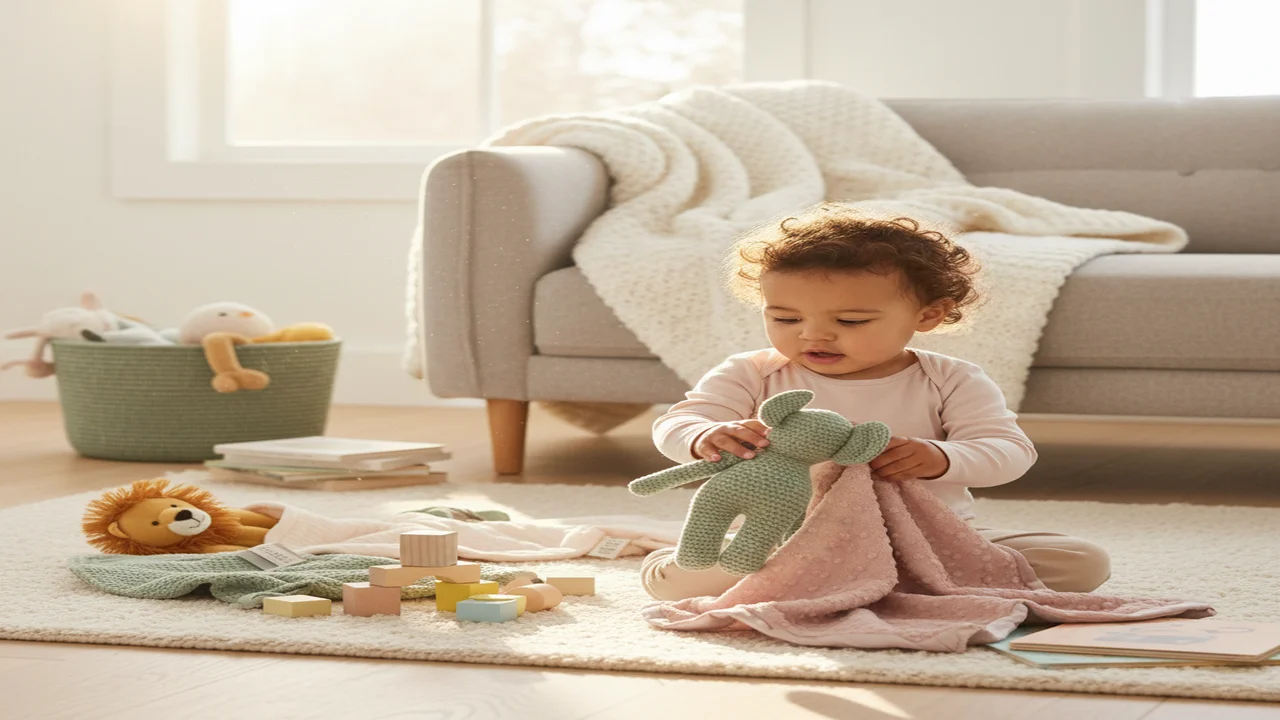
That worn, slightly graying security blanket that smells a bit odd might be the most valuable thing your child owns. Without it, bedtime, daycare, and long car rides simply don't work. To you, it's just a piece of cloth. To your child, it's the whole world.
Comfort objects, stuffed animals, security blankets, plush toys, and soft cloths, play a surprisingly large role in children's emotional development. They're not a sign of insecurity. They're a sign that your child is learning to comfort themselves.
What Is a Comfort Object?
The term "comfort object" (or "transitional object") was introduced by child psychiatrist Donald Winnicott in the 1950s. He described it as an object that represents the transition between the child and the outside world, a kind of bridge between the safe (you) and the unknown.
The comfort object is the child's first "not-me" possession. It's something the child has chosen themselves, and it provides comfort and security when you're not available. It functions as a portable version of parental care.
Between 30 and 60 percent of all children attach to a comfort object. Children who don't are equally secure and well-developed. Some children suck their thumb or rock themselves instead.
When Does the Comfort Object Appear?
Most children begin to attach to a comfort object between 8 and 12 months of age. It's no coincidence that this aligns with two major developmental milestones:
- Separation anxiety: Around 8-9 months, the child understands that you are separate people, and may become afraid of losing you
- Object permanence: The child understands that things exist even when not visible, but this also means understanding that you can disappear
The comfort object helps the child manage these new, big feelings. It provides a physical reminder of security and attachment.
Interest in the comfort object is usually strongest between 1 and 3 years, and gradually fades from there. Many children keep it until age 5-6, some even longer.
How Does the Comfort Object Support Development?
A comfort object is much more than a source of comfort. It plays an active role in the child's development across several areas.
Emotional Regulation
When the child hugs a stuffed animal or strokes their cheek with a blanket, soothing nerve responses are activated. Over time, the child learns to use this strategy themselves, without your help. This is the beginning of self-regulation.
Coping with Separation
At daycare drop-off, bedtime, or visits to grandparents, the comfort object gives the child something familiar and safe. It functions as a bridge between home and the outside world.
Imaginative Play
Many children begin attributing their own feelings and thoughts to the comfort object. "Teddy is sad" or "the blanket is hungry." This is the beginning of symbolic play and empathy development.
Sleep
For many children, the comfort object is the key to falling asleep alone. It provides the physical closeness the child needs and helps calm the body.
For safe sleep purposes, pediatric organizations including the AAP recommend that babies under 12 months sleep without loose items in the crib. From 1 year, a thin security blanket or small stuffed animal is safe.
How to Handle the Comfort Object in Everyday Life
Buy Two (or Three!)
If you notice your child attaching to a specific object early on, buy a duplicate immediately. Rotate between them so both get the same wear and smell. This can prevent many crises.
Don't Wash It Too Often
The smell is part of the comfort. What smells "odd" to you smells safe to your child. Wash it when truly necessary, ideally while the child sleeps.
Set Limits on Where It Can Be
Over time, it's a good idea to limit the comfort object to specific situations: sleep, car rides, daycare. This makes it easier to keep track of and reduces the risk of losing it.
Respect the Child's Choice
You cannot choose the comfort object for your child. Many parents buy an expensive, beautiful stuffed animal only to watch the child prefer a worn dish towel. Let the child decide.
The Comfort Object and Daycare
When starting daycare, the comfort object can be invaluable support. Talk to the daycare staff about allowing the child to bring their security blanket or stuffed animal, especially during the adjustment period.
Most daycares have good routines for this. The comfort object gives the child a connection to home and makes the transition safer.
Some daycares let the child keep their comfort object in their cubby, so they can retrieve it when needed. Talk to the staff about what works best for your group.
When Should the Child Stop Using the Comfort Object?
Short answer: the child decides. Most children gradually let go of the comfort object between 3 and 6 years, as they develop other coping strategies.
There's no reason to force the child to give it up. Taking it away can feel like a betrayal of trust and create unnecessary anxiety.
Signs the child is ready to let go:
- Forgets it at home without getting upset
- Only uses it for sleep
- Says it's for "babies"
- Chooses to leave it behind in new situations
Some children keep the comfort object in their room well into school age. That's completely fine. It just means it gives them an extra dose of security.
Frequently Asked Questions
Is it a problem that my child doesn't have a comfort object?
No. Many children find other ways to comfort themselves, such as sucking their thumb, playing with their hair, or rocking. These strategies work just as well. A comfort object is not a need all children have.
My child has lost their security blanket. What do I do?
First: check all sofa cushions, car seats, and daycare cubbies. If it's truly gone, try replacing it with something similar. Acknowledge the child's grief, it's a real loss for a small child. Most children adapt within a few days.
Can a child become too dependent on a comfort object?
In the vast majority of cases, the attachment is healthy and normal. Concern is only warranted if the child refuses to do anything without the object after age 5-6, or if it prevents normal social functioning. Then it may be worth speaking with your pediatrician.
Should I introduce a comfort object for my baby?
You can set the stage by having a soft security blanket available during breastfeeding or bottle-feeding, so the child associates it with closeness. But ultimately it's the child who decides whether, and what, they will attach to.
Comfort objects are a beautiful example of how children find creative solutions to manage big feelings. The worn security blanket is your child's first tool for self-soothing, and it deserves all the respect in the world.
Read more about separation anxiety in children or attachment and bonding. Preparing for daycare? See our daycare transition guide.
Read More
- Boundaries with Love: Confident Parenting for Toddlers
- Emotional Development in Children
- 15 Indoor Activities for Toddlers on Rainy Days
Sources
🔧 Helpful Tools
- Baby Milestones Tracker. Track your baby's developmental milestones
- Development Leaps. Understand your baby's developmental leaps
- All Baby Tools. Browse all free tools for pregnancy and baby care