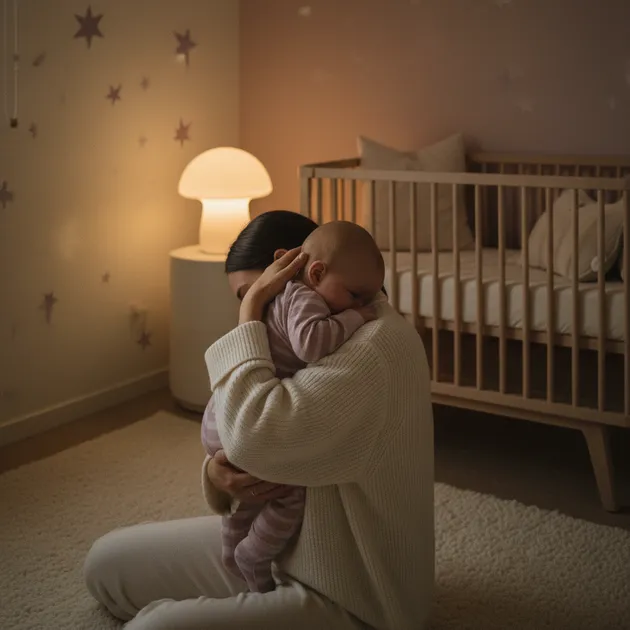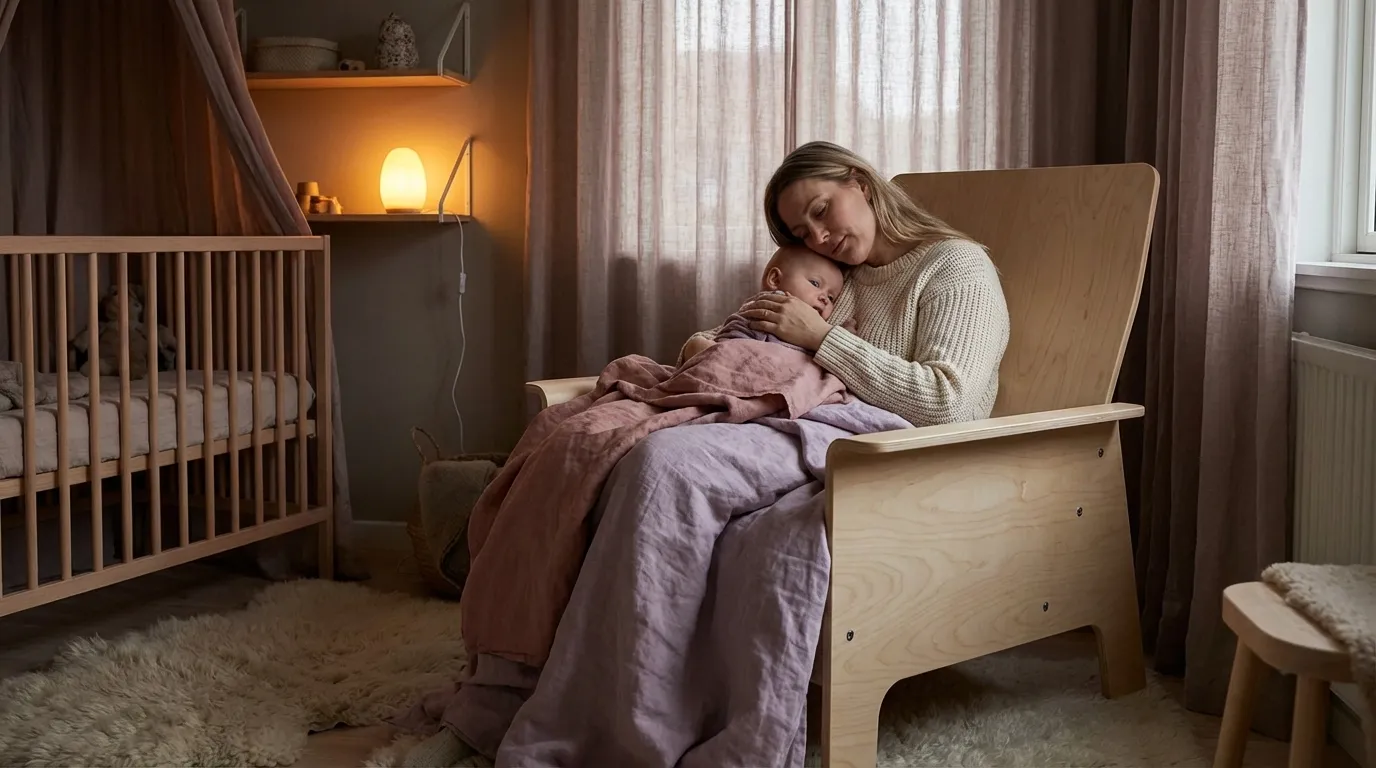
The baby who was sleeping perfectly is now waking 5 times every night. They refuse to be put down, cry when you leave the room, and only want to sleep on you.
Welcome to sleep regression at 8 months. It's exhausting, but it's also completely normal, and it will pass.
What Is Sleep Regression?
Sleep regression is a term parents use for periods when a baby suddenly sleeps much worse than before. It's not a medical diagnosis, but a common phenomenon tied to developmental phases.
At 8–10 months, enormous things are happening in your baby's brain and body. New understanding of the world, new physical skills, and strong emotions cause sleep to be disrupted.
It can feel like a setback, but it's the opposite. Your baby is going through a major developmental leap. Sleep is just temporarily paying the price for all the new learning happening.
Did you know? According to the AAP, 2 out of 3 babies still wake at night at 6 months of age. By 9 months, about half sleep through the night. Night wakings are completely normal.
Why Does Sleep Regression Happen at 8–10 Months?
Three major developmental leaps happen simultaneously. That's a lot for a small brain to handle.
1. Separation Anxiety
This is the biggest driver. Around 8 months, babies begin to understand that you exist even when you're not visible. That sounds sweet, but it also means your baby knows you've left, and protests.
When you put your baby in the crib and leave the room, they experience it as a real loss. The crying isn't manipulation. It's genuine anxiety.
2. Physical Milestones
Your baby is learning to crawl, pull up, and maybe stand along the furniture. These new skills are so exciting that the brain "practices" them, even in the middle of the night.
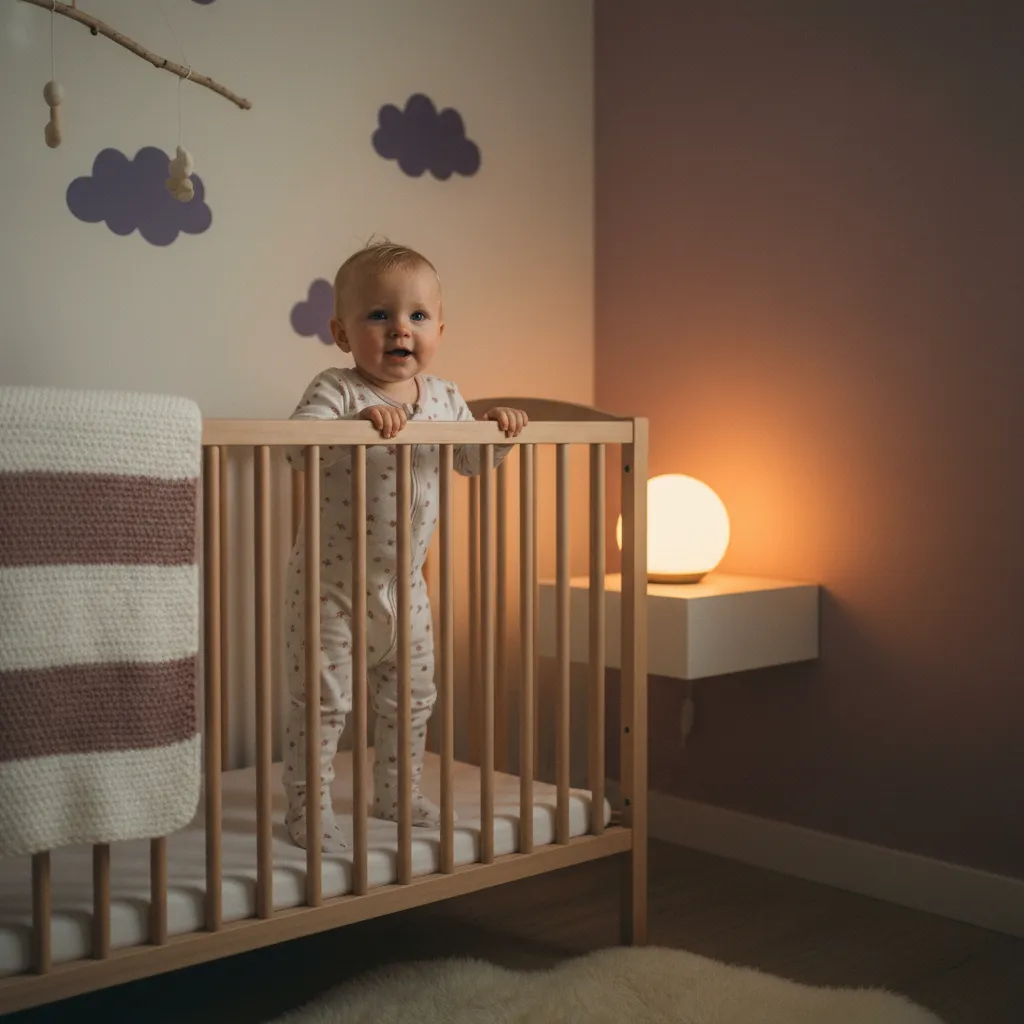
Many parents discover their baby standing in the crib at 3am, having pulled themselves up but not knowing how to get back down.
3. Object Permanence
Your baby is starting to understand that things continue to exist even when hidden. That's why peekaboo is suddenly so fascinating.
But it also means your baby looks for you when you're not there. And when they wake between sleep cycles and find you gone, they react more strongly than before.
From the AAP: Separation anxiety is a normal part of development and shows that your baby has bonded with you. It's a good sign, even if it feels demanding.
Signs of Sleep Regression vs. Other Causes
Not all poor sleep is a sleep regression. Here's how to tell the difference:
Signs of Sleep Regression:
- Crying when you leave the room, even during the day
- Protests at bedtime, even when clearly tired
- Increased clinginess during the day, wants to be carried more, reacts to strangers
- More night wakings, especially in the first half of the night
- Shorter naps, waking after 30–40 minutes and unable to go back to sleep
- Practicing skills in the crib, crawling, pulling up
Also Check Whether It Could Be:
- Teething: Increased drooling, chewing on things, swollen gums. Usually causes discomfort but rarely explains strong sleep disruption lasting several weeks.
- Illness: Fever, stuffy nose, ear infection. Check temperature.
- Hunger: At 8 months, nutritional needs increase. Your baby may be ready for more solid foods.
- Too much/too little daytime sleep: Check that wake windows are right for this age.
Important: If your baby has a fever, is lethargic, eats poorly over time, or you're worried, contact your pediatrician. Sleep regression doesn't cause fever.

How Long Does 8-Month Sleep Regression Last?
Most parents find the worst lasts 2–6 weeks.
Some families see improvement after 1–2 weeks. Others find it stretches to 4–6 weeks, especially if separation anxiety is strong.
Timeline:
- Week 1–2: Often worst. Frequent night wakings, lots of crying at bedtime.
- Week 3–4: Gradual improvement. Baby starts getting used to routines again.
- Week 5–6: Most are back to a more normal pattern.
The 8-month sleep regression is different from the 4-month sleep regression. At 4 months, the structure of sleep patterns changes permanently. At 8 months, it's more about emotional development, and that phase passes.
6 Tips for Getting Through the 8-Month Regression
1. Practice Separation During the Day
Play peekaboo. Briefly leave the room and come back. Let your baby be with another trusted adult for short periods.
Start with short bursts, 30 seconds out of the room, then one minute, then two. Your baby needs to learn that you always come back. It takes time, but repetition builds trust.
A good exercise: Put a toy under a blanket and let your baby find it. This trains object permanence in a playful way.
2. Have a Fixed Bedtime Routine
Predictability is your best friend. Repeat the same ritual every evening: bath, pajamas, book, song, bed.
When your baby knows what's coming, they feel safer. Read more in our bedtime routine guide.
3. Adjust Wake Windows
At 8 months, a typical wake window is 2.5–3.5 hours. Your baby is usually on 2 naps per day.
An overtired baby paradoxically sleeps worse. Check our wake window guide for recommended times by age.
4. Give Safe Goodbyes
Don't sneak out of the room. Always say goodbye, even if your baby cries. It may seem counterintuitive, but sneaking out amplifies anxiety. Your baby learns that you can disappear at any moment without warning, making them more vigilant.
A short, calm goodbye: "Mommy is here. Now it's time to sleep. I'm right outside."
Be consistent. Use the same words each time. Over time, the goodbye ritual becomes something safe and predictable.
5. Offer Comfort Without Creating New Sleep Habits
It's tempting to bring your baby into bed, nurse to sleep, or rock for hours. All of these are fine in a transitional period.
But be intentional about what you're doing. If you introduce new sleep habits you don't want to maintain, the transition away from them can be demanding.
Tip: Press on your baby's back, sing softly, or rest your hand on them instead of picking them up. Often your presence is enough.
6. Use a Sleep Tracker to Find Patterns
When you're exhausted, it's hard to remember what worked yesterday. A sleep tracker helps you log sleep, see trends, and make connections.
Maybe you'll discover your baby sleeps better after a specific routine, or that the wake window needs adjusting.
When Should You Contact Your Pediatrician?
Sleep regression is normal, but reach out to your doctor if:
- Sleep problems last more than 6–8 weeks without improvement
- Your baby is losing weight or refusing food
- You as a parent feel exhausted and need support
- Your baby seems inconsolable during the day for extended periods
- You suspect an ear infection or other illness
There's never anything wrong with asking for help. Your pediatrician is there for your whole family, including parents who are tired and need someone to talk to.
Tip: Many pediatric practices offer sleep guidance. Ask your doctor if there are sleep support resources available for your family.
Frequently Asked Questions
Can Sleep Regression at 8 Months Be Prevented?
Not entirely. Separation anxiety and developmental leaps are biological processes that can't be stopped. But good bedtime routines and safe goodbyes can make the period shorter and milder.
What's the Difference Between 4-Month and 8-Month Sleep Regression?
The 4-month sleep regression is caused by a permanent change in the structure of sleep patterns. The 8-month regression is driven by separation anxiety and motor milestones. It's often more emotionally intense, but more clearly passes.
My Baby Stands Up in the Crib and Can't Lie Back Down. What Do I Do?
Practice sitting down from standing, during the day. Hold your baby standing at the couch and help them down. Once your baby learns the skill during the day, they'll use it at night too.
Should I Let My Baby Cry?
Pediatric guidelines recommend responsive care. This means responding to your baby's signals, but it doesn't mean you have to pick them up every time. Presence, voice, and touch are also comfort.
Do what feels right for your family.
How Much Should an 8-Month-Old Sleep?
Babies at 8 months need about 14 hours of sleep per day, spread across 11–12 hours at night and 2–3 hours during the day (2 naps). During sleep regression, the total sleep need may be the same, but the quality is poorer.
Is Sleep Regression a Sign Something Is Wrong?
No. Sleep regression is a sign of normal development. Separation anxiety means your baby has a healthy attachment to you. It's hard for parents, but it's a good sign.
Can Sleep Regression Come Back?
Yes, there are several sleep regressions during the first year. The most common are at 4 months, 8–10 months, and 12 months. Each has different drivers. The 12-month regression is often linked to learning to walk and a major cognitive leap.
My Baby Only Wants Mom at Night. What Do We Do?
Separation anxiety can mean your baby prefers one parent. It doesn't mean the other parent is less important. Let the other parent gradually take over some bedtime and comfort situations, starting with daytime naps first. The most important thing is that your baby experiences both parents as safe.
Should My Baby Eat at Night?
At 8 months, most babies don't need nighttime feeding from a nutritional standpoint. But some babies have increased appetite during growth spurts or sleep regressions. Offer nursing or a bottle if your baby seems hungry, but be mindful of whether it's becoming a habit you want to maintain.
Sleep Needs and Wake Windows at 8 Months
Here's an overview of typical sleep and wake windows for this age:
| Time | Recommendation |
|---|---|
| Total sleep per day | About 14 hours (11–12 hours night + 2–3 hours day) |
| Number of naps | 2 naps per day |
| Nap duration | 45 min – 1.5 hours per nap |
| Morning wake window | 2.5–3 hours |
| Midday wake window | 3–3.5 hours |
| Pre-bedtime wake window | 3–3.5 hours |
| Bedtime | Between 6:30–7:30pm for most babies |
Use Babysential's sleep tracker to find your child's individual pattern. The wake windows above are guidelines, some babies need shorter, others longer.
Read also: Sleep Needs by Age | Bedtime Routines That Work | 12-Month Sleep Regression | Stranger Anxiety in Babies

Summary
Sleep regression at 8 months is a demanding but completely normal phase. It's driven by separation anxiety, new physical skills, and your baby's growing understanding of the world.
The most important things you can do:
- Keep routines, predictability provides security
- Be present, your baby needs to know you're there
- Be patient, this usually lasts 2–6 weeks
- Track sleep, patterns help you make good decisions
Read More
- Safe Sleep Checklist. Verify the sleep environment is safe for your baby
- Wake Windows: Complete Guide. Find the right wake window for your baby's age
- 4-Month Sleep Regression. When sleep pattern structure changes
- Safe Sleep for Babies. Safety in the crib
Sources and References
- AAP. Healthy sleep habits: How many hours does your child need?
- CDC. Child development: 9 months
- NIH. Sleep and infant development
- American Academy of Sleep Medicine. Pediatric sleep guidelines
🔧 Helpful Tools
- Baby Sleep Tracker. Track and optimize your baby's sleep
- Soothing Sounds. White noise and soothing sounds to help your baby sleep
- All Baby Tools. Browse all free tools for pregnancy and baby care
📖 Related Articles
- Sleep Regression at 12 Months: What's Happening and What to Do. Sleep regression at 12 months is common. Learn what's happening, how long it lasts, and what you can do for better nights.
- 4-Month Sleep Regression: What's Happening and How to Get Through It. Baby suddenly sleeping worse? The 4-month sleep regression is normal. Learn what's happening, how long it lasts, and get 5 tips that help.
- Baby Sleep Regression. Complete Guide for All Ages. Sleep regression in babies at 4, 8, 12, 18 months, and 2 years. Learn what causes sleep regressions, how long they last, and get concrete tips to get through them.