Safe sleep is the most important gift you can give your newborn baby. Every year, babies die from SIDS (Sudden Infant Death Syndrome), but the risk can be dramatically reduced with simple measures.
Thanks to safe sleep campaigns and evidence-based guidelines from the American Academy of Pediatrics (AAP), SIDS rates have fallen dramatically since the 1990s. Here is everything you need to know.
What is safe sleep?
Safe sleep is about creating a sleep environment that minimizes the risk of sudden infant death (SIDS). SIDS refers to the sudden and unexplained death of a baby under one year of age.
The risk is highest in the first 6 months of life, with a peak between 2 and 4 months. That is why it is important to follow the guidelines from day one.
What do the statistics show? Since the AAP's "Back to Sleep" campaign launched in 1994, SIDS rates in the US have fallen by more than 50 percent. The single most effective measure: placing babies on their backs to sleep.
7 rules for safe baby sleep
The AAP's safe sleep guidelines recommend these rules:
1. Always on the back
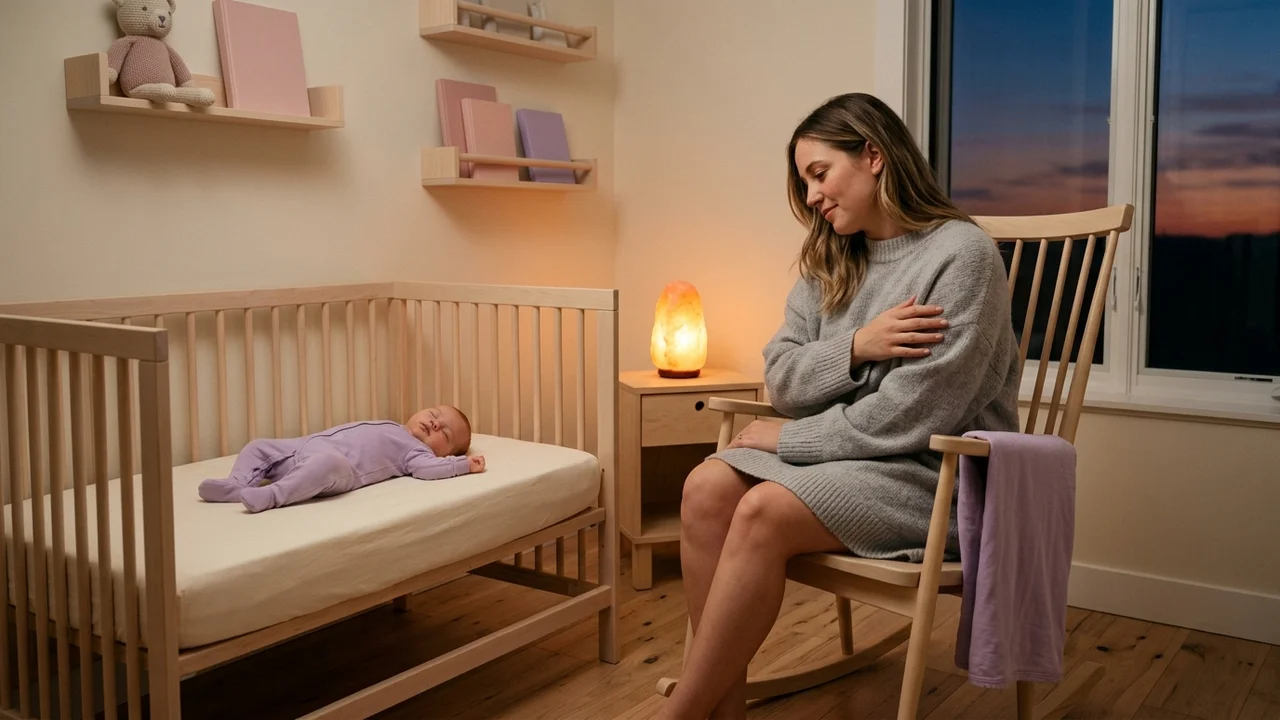
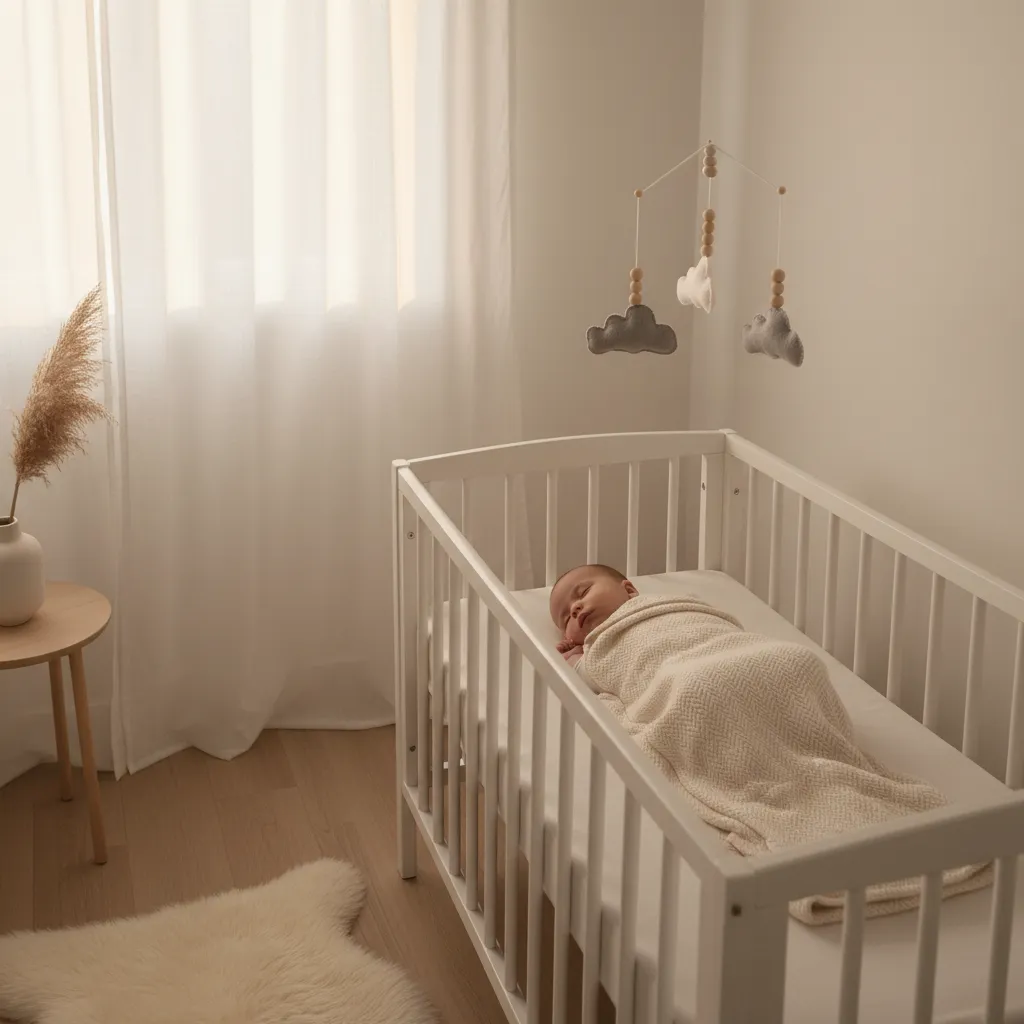
Place the baby on their back every time they sleep, both at night and during daytime naps. Back sleeping is the single most important factor in reducing SIDS risk.
2. Firm, flat mattress
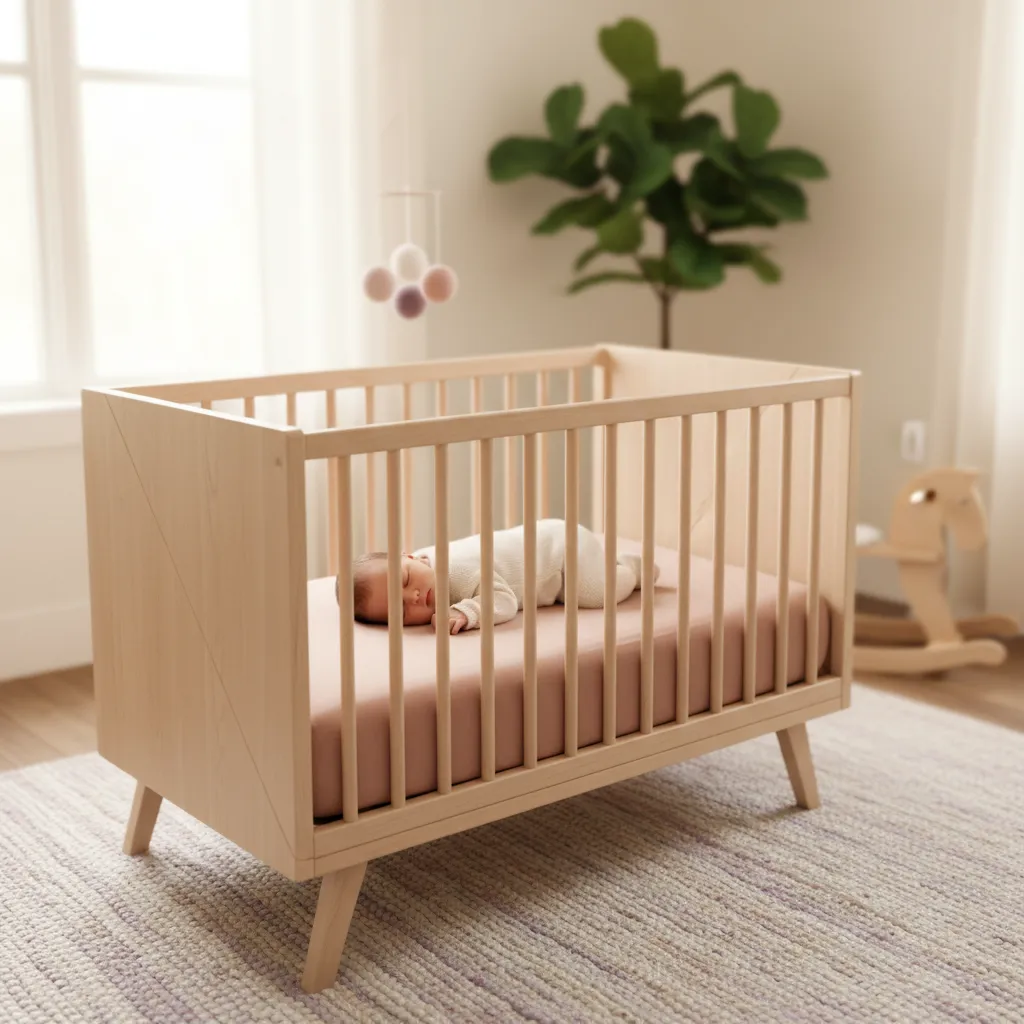
Use a firm, flat mattress that fits snugly in the crib. No gaps between the mattress and the crib edge. The mattress should not be too soft, the baby should not sink in.
3. Nothing loose in the crib
Remove pillows, quilts, stuffed animals, bumper pads, and loose blankets. The only things the baby needs are a fitted sheet and an approved sleep sack.
4. Own sleep surface, same room
The baby should sleep in their own sleep space in the parents' bedroom for at least the first 6 months, ideally for the first year. Room sharing (without bed sharing) reduces the risk of SIDS by up to 50 percent, according to the AAP.
5. Not too hot
Keep the room temperature at 68–72°F (20–22°C). The baby should not wear a hat or head covering indoors. Overheating is a risk factor.
6. Smoke-free environment
Smoking is one of the biggest risk factors for SIDS. The baby should never be exposed to smoke, either during pregnancy or after birth.
7. Breastfeeding protects
Breastfeeding reduces the risk of SIDS. The AAP recommends exclusive breastfeeding for the first 6 months. Even partial breastfeeding has a protective effect.
Important: These rules apply to all sleep situations, nighttime sleep, daytime naps, at grandparents' homes, and at daycare. Make sure everyone who cares for the baby knows these guidelines.
Sleep position, why the back is safest
Back sleeping is the safest sleep position for babies. Research shows that the risk of SIDS increases significantly with stomach sleeping and side sleeping.
Why the back?
- The baby breathes more easily and has clear airways
- The risk of overheating is lower
- The baby can turn their head freely to both sides
What about a flat head? Many parents worry that the baby will develop a flat head (plagiocephaly). Prevent this by:
- Varying head position, place the baby with their head alternately to the right and left
- Plenty of tummy time during the day while the baby is awake and supervised
- Carrying and time in arms in different positions
A flat head is cosmetic and usually corrects itself. SIDS does not. Always prioritize back sleeping.
The right sleep environment
A good sleep environment is about temperature, light, and air.
Temperature:
- Keep the room at 68–72°F (20–22°C)
- Feel the baby's chest or neck to check if they are comfortably warm
- Cold hands and feet are normal and not a sign that the baby is cold
Darkness:
- Use blackout curtains to signal that it is night
- A completely dark room helps the baby distinguish day from night
Air:
- Ensure good ventilation in the bedroom
- Avoid placing the crib directly in a draft
Tip: Not sure how many layers of clothing to use? A good rule of thumb is one layer more than you yourself are comfortable in. Track the baby's sleep to see if changes in the sleep environment affect sleep quality.
Co-sleeping, what do the guidelines say?
Co-sleeping is a topic with strong opinions. Here is what the AAP recommends:
Room sharing, yes. The baby should sleep in their own sleep surface in the parents' bedroom for at least the first 6 months, ideally for the first year. This is recommended by the AAP.
Bed sharing, no as a general rule. The AAP advises against the baby sleeping in the same bed as the parents. The risk increases especially when:
- A parent smokes or vapes, or the mother smoked or vaped during pregnancy
- A parent has consumed alcohol or sleep medication
- The baby was born premature or had a low birth weight
- The parent is extremely tired
Practical solution: A bedside bassinet that attaches to the parent's bed provides closeness without sharing a sleep surface. This makes nighttime feeding easier while keeping the baby safely separate.
AAP recommendation: The baby should always be returned to their own sleep surface after nighttime feeding, even if it is tempting to leave them in the parent's bed.
Sleep sack vs. blanket
The AAP recommends a sleep sack rather than a blanket for babies. The reason is simple: a sleep sack cannot be pulled over the face.
Benefits of a sleep sack:
- Cannot cover the baby's face
- Maintains a consistent temperature all night
- The baby cannot kick it off and become cold
- Prevents the baby from rolling onto their stomach (in models without arms)
TOG rating guide:
- 0.5 TOG. Summer warmth, room above 75°F (24°C)
- 1.0 TOG. Spring/fall, room 68–75°F (20–24°C)
- 2.5 TOG. Winter, room 61–68°F (16–20°C)
When can the baby use a blanket? From about 12 months, most babies can begin using a light blanket. No pillow until at least 2 years of age.
When can the baby sleep on their stomach?
This is one of the most common questions parents ask.
Short answer: When the baby can roll both ways, from back to stomach and back again. This usually happens between 4 and 6 months.
What do you do then?
- Always place the baby down on their back
- If the baby rolls onto their stomach on their own, you do not need to turn them back
- Make sure the crib is free of loose objects
- Use a sleeveless sleep sack so the baby can move freely
From the AAP: When the baby can roll both ways, they have usually also developed enough strength in the neck and upper body to lift their head and turn away if something blocks their airway.
It is important to continue placing the baby on their back until they are 1 year old, even if they roll over. The starting position should always be back sleeping.
Frequently asked questions
Is it dangerous if the baby falls asleep on their stomach on my chest?
Skin-to-skin contact is valuable, but the baby should be moved to their own sleep surface when you yourself become sleepy. Falling asleep with the baby on your chest on a sofa or recliner is particularly dangerous.
Should the baby use a pacifier when sleeping?
Some studies show that a pacifier may have a protective effect against SIDS. The AAP recommends offering a pacifier at naptime and bedtime, but not forcing it. Wait to introduce the pacifier until breastfeeding is well established (usually after 3–4 weeks).
Can the baby sleep in a bassinet or stroller?
Yes, as long as the mattress is firm and the baby lies on their back without loose objects. Ensure good ventilation. Do not let the baby sleep for long periods in a car seat or bouncer, these do not provide an optimal sleep position.
What do I do if the baby only wants to sleep on their stomach?
Some babies prefer stomach sleeping, but you should consistently place the baby on their back. Provide plenty of tummy time when the baby is awake. Learn more about wake windows and nap timing to find the right time to put the baby down.
Is a baby monitor safe?
A monitor provides reassurance, but does not replace the basic rules. Movement monitors and breathing monitors are not recommended by the AAP as SIDS prevention, as they can give false reassurance.
Summary
Safe sleep for a baby is about seven clear rules: back sleeping, firm mattress, empty sleep space, room sharing, right temperature, smoke-free environment, and breastfeeding. These measures have contributed to a dramatic reduction in SIDS rates worldwide.
Start these rules from day one. Tell grandparents, babysitters, and daycare about them. The more people who know the rules, the more safely your baby sleeps.
Read more
- Safe sleep baby: SIDS prevention guide
- Bedtime routines for baby
- Wake windows for baby
- 4-month sleep regression
- Tummy time guide
Sources
- American Academy of Pediatrics (AAP). "Safe Sleep: Recommendations." 2022. healthychildren.org
- CDC. Sudden Infant Death Syndrome (SIDS). cdc.gov
- Safe to Sleep® Campaign. NICHD. nichd.nih.gov
- AAP. SIDS and Other Sleep-Related Infant Deaths. Pediatrics. 2022.
🔧 Helpful Tools
- Baby Sleep Tracker. Track and optimize your baby's sleep
- Soothing Sounds. White noise and soothing sounds to help your baby sleep
- All Baby Tools. Browse all free tools for pregnancy and baby care
📖 Related Articles
- Bedside Crib: The Complete Guide to Co-Sleeping Safely. Everything about bedside cribs and co-sleepers. Benefits, safety, top models, and tips for safe nighttime sleep with your baby.
- Is Co-Sleeping Safe for Babies?. Co-sleeping in an adult bed carries significant risks and is not recommended by AAP or NHS. Learn the risks, safer alternatives, and what the evidence says about bed-sharing.
- Safe Sleep Guidelines for Babies (AAP 2022). The AAP's updated safe sleep guidelines to reduce SIDS and sleep-related infant death. Every parent should know these rules.