Safe Sleep Guidelines for Babies (AAP 2022)
The American Academy of Pediatrics (AAP) 2022 safe sleep guidelines are designed to reduce the risk of SIDS (sudden infant death syndrome) and other sleep-related infant deaths, which claim approximately 3,400 babies per year in the US alone. Following these guidelines from birth to 12 months is one of the most important safety steps parents can take.
Key Takeaways
- Always place babies on their back to sleep, every nap, every night, with every caregiver, until 12 months (AAP 2022).
- Room-sharing (baby in their own crib/bassinet in your room) reduces SIDS risk by up to 50% and is recommended for at least the first 6 months.
- Bed-sharing significantly increases SIDS and suffocation risk, the risk is 5× higher with soft bedding and increases further with parental smoking, vaping, or alcohol use.
- The sleep surface must be firm and flat, inclined sleepers, positioners, and nesting pods are not safe and are not AAP-approved.
- Pacifier use at sleep time is associated with up to 90% reduced SIDS risk in some studies; the AAP recommends offering one at nap and bedtime.
The ABCs of Safe Sleep
The AAP summarizes safe sleep with three core principles:
A. Alone: Baby should sleep alone, without other people or pets
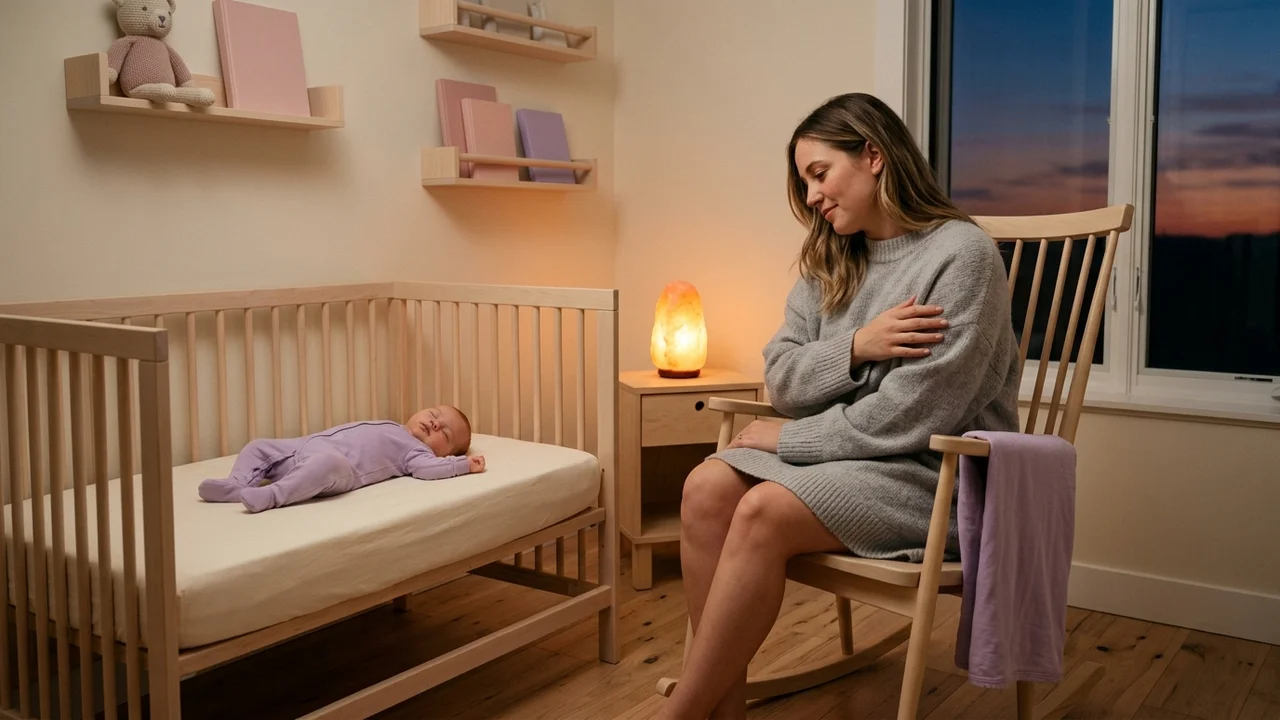
B. Back: Always on their back, every sleep
C. Crib: In their own approved sleep surface (crib, bassinet, or play yard)
Complete AAP Safe Sleep Checklist
Sleep Position
- ✅ Always back to sleep, every nap, every night, every caregiver
- ✅ Once baby can roll both ways independently, no need to reposition
- ❌ Side sleeping is not safe (baby can roll to stomach)
- ❌ Stomach sleeping significantly increases SIDS risk
Sleep Surface
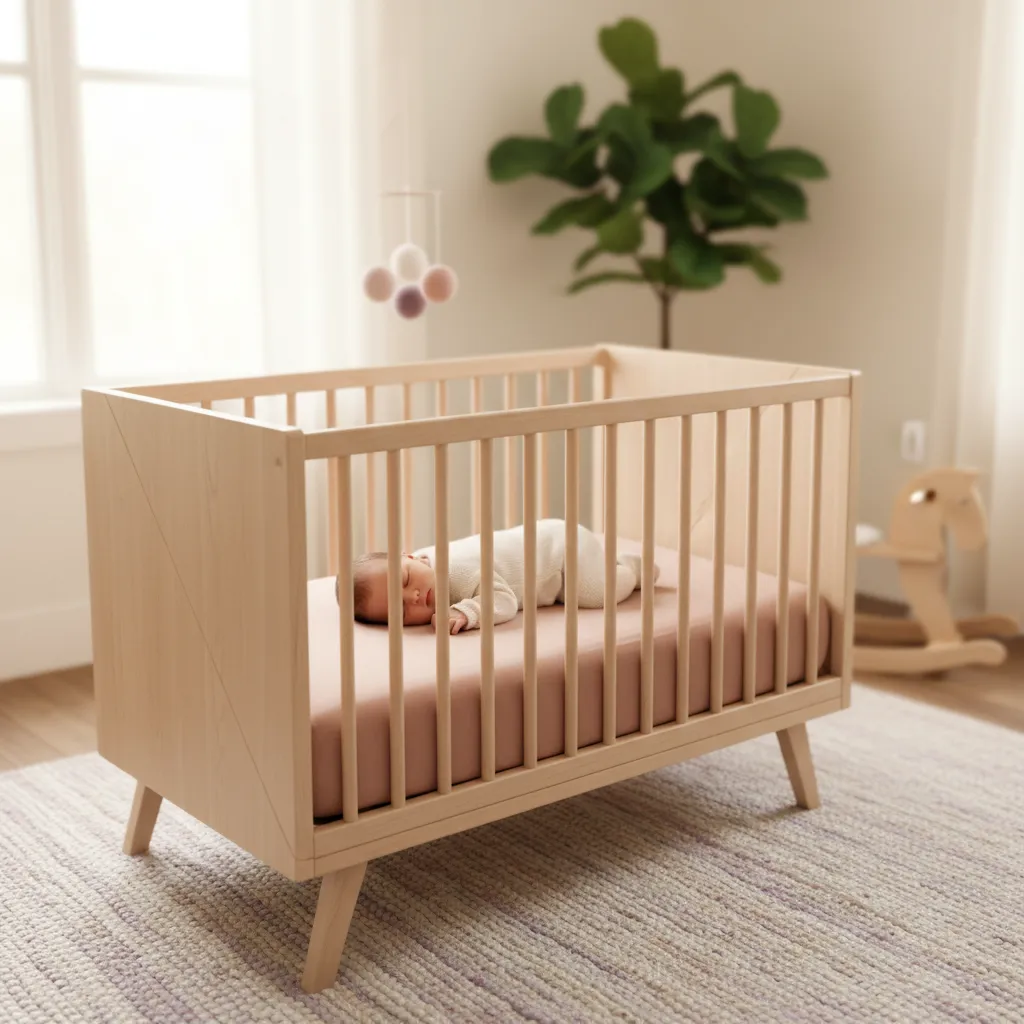
- ✅ Firm, flat surface specifically designed for infant sleep
- ✅ Tight-fitting mattress, no gap between mattress and crib sides
- ✅ Safety standards: look for CPSC (Consumer Product Safety Commission) approval
- ❌ No sofas, armchairs, adult beds for regular sleep
- ❌ No inclined sleepers, positioners, or nesting pods
What's in the Sleep Space
- ✅ Nothing in the crib, no pillows, blankets, bumpers, toys, or positioners
- ✅ Dress baby in a sleep sack/wearable blanket if warmth is needed
- ✅ Use a pacifier (reduces SIDS risk by up to 90% in some studies), offer at nap and bedtime
- ❌ No crib bumpers (even "breathable" mesh bumpers are not recommended)
- ❌ No positioning devices
Room Environment
- ✅ Room-share (not bed-share) for at least 6 months, ideally 12 months
- ✅ Keep room temperature 68–72°F (20–22°C), overheating increases SIDS risk
- ✅ White noise machines are safe (keep below 50 dB and not too close to baby)
- ❌ No smoking near baby, parental smoking is a major SIDS risk factor
Understanding the Risks: What Increases SIDS Risk?
| Risk Factor | Relative Risk |
|---|---|
| Stomach sleeping | 2–13× higher |
| Soft sleep surface | 5× higher |
| Bed-sharing | 5× higher |
| Parental smoking | 2–3× higher |
| Overheating | 2–3× higher |
| Prematurity | 3–4× higher |
Bed-Sharing vs. Room-Sharing: What's the Difference?
Room-sharing (AAP Recommended):
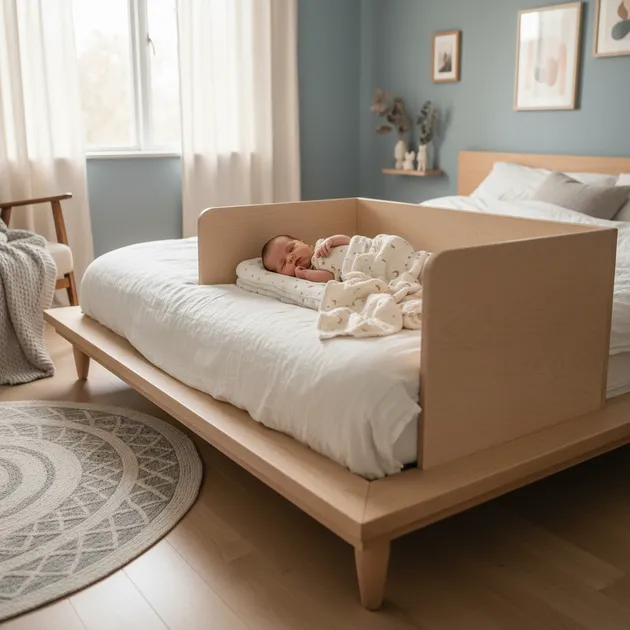
- Baby in their own crib/bassinet in your room
- Reduces SIDS risk by up to 50%
- Makes nighttime feeding easier
Bed-sharing (Not Recommended):
- Baby in adult bed with parent
- Significantly increases suffocation, entrapment, and SIDS risk
- Risk is higher with: soft bedding, parental smoking or vaping, alcohol, fatigue
Tummy Time: Still Essential
Safe sleep = back sleeping. But babies also need supervised tummy time while awake:
- Start from day 1: 2–3 times per day for a few minutes
- Build to 30+ minutes total by 3 months
- Prevents flat head syndrome, builds strength for rolling and crawling
🔗 Learn more in our Newborn Sleep Guide and check safe crib recommendations in our Baby Gear Reviews.
Sources: American Academy of Pediatrics (AAP). Safe Sleep Guidelines 2022 (Pediatrics, 2022); CDC. SIDS and Safe Sleep; NHS UK. Reducing the Risk of Sudden Infant Death Syndrome (SIDS)
Frequently Asked Questions
What are the safe sleep guidelines for babies?
Per AAP 2022 guidelines: always place baby on their back on a firm, flat surface; use a safety-approved crib or bassinet with a tight-fitting mattress; room-share (without bed-sharing) for at least 6 months; keep the sleep area free of all soft objects and loose bedding; offer a pacifier; and avoid overheating. These guidelines apply for every sleep until 12 months.
Can babies sleep on their stomach?
No, babies should always be placed on their back (supine) to sleep until their first birthday. Stomach and side sleeping significantly increase SIDS risk. The exception: once a baby can roll both ways independently, you do not need to reposition them if they roll onto their stomach during sleep.
Is co-sleeping safe?
Bed-sharing (bringing baby into an adult bed) significantly increases the risk of SIDS and accidental suffocation, especially with soft bedding, parental smoking or vaping, or alcohol consumption. Room-sharing (baby in their own sleep surface in your room) is not the same as bed-sharing, it is safe and recommended by the AAP. If you fall asleep feeding in bed, move baby to their own surface as soon as you wake.
What should go in a baby's crib?
Nothing. The AAP recommends a completely empty sleep surface, no pillows, blankets, bumpers (including "breathable" mesh ones), stuffed animals, positioners, or sleep aids. If warmth is needed, use a fitted sleep sack or wearable blanket instead of a loose blanket.
Sources
- AAP. Safe sleep guidelines for infants
- NICHD. Safe to Sleep campaign. SIDS prevention
- CDC. Infant safe sleep practices
- AAP. A Parent's Guide to Safe Sleep, updated September 2026
🔧 Helpful Tools
- Baby Sleep Tracker. Track and optimize your baby's sleep
- Soothing Sounds. White noise and soothing sounds to help your baby sleep
- All Baby Tools. Browse all free tools for pregnancy and baby care
📖 Related Articles
- Is Co-Sleeping Safe for Babies?. Co-sleeping in an adult bed carries significant risks and is not recommended by AAP or NHS. Learn the risks, safer alternatives, and what the evidence says about bed-sharing.
- Safe Sleep for Baby: 7 Rules That Reduce the Risk of SIDS. Learn the 7 most important rules for safe baby sleep. AAP safe sleep guidelines for sleep position, sleep environment, and SIDS prevention.