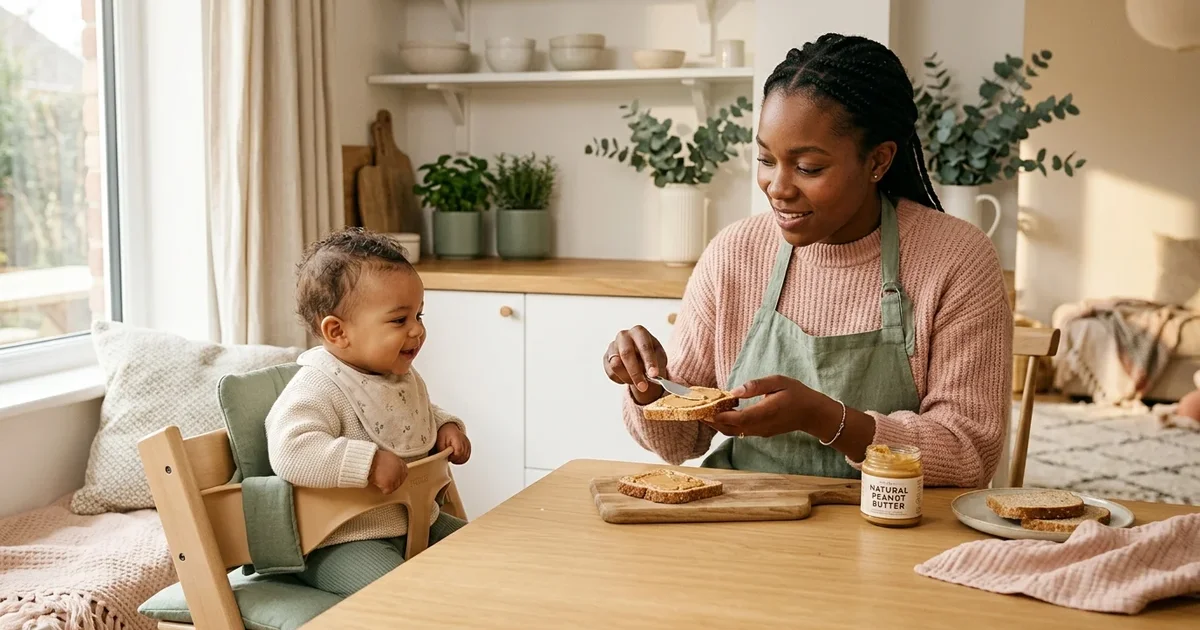
Starting solid foods is one of the most exciting milestones of the first year, and also one of the most common sources of parental anxiety. What do you give first? How much? When does the variety start? And what about allergens?
This week-by-week meal plan takes away the guesswork. It's a guide, not a rigid rulebook, every baby is different, and you should always follow your child's cues and consult your pediatrician with any concerns.
Before You Start
A few important principles before diving into the plan:
Breast milk or formula remains the primary nutrition source until 12 months. Food introduction at this stage is about learning, learning to eat, exploring flavors and textures, gradually building toward a varied diet. Don't stress about quantities.
Signs your baby is ready for solids (around 6 months):
- Sits up with minimal support and holds head steady
- Shows interest in food and reaches toward what you're eating
- Has lost the tongue-thrust reflex (doesn't automatically push food out with tongue)
- Opens mouth when food approaches
Always offer breast milk or formula before solids in the early weeks, so baby isn't too hungry and frustrated to learn.
Introduce one new food at a time and wait 2–3 days before introducing another. This allows you to identify any allergic reactions.
Phase 1: Weeks 1–4 (Around 6 Months)
The Goal
Getting baby used to the concept of eating: spoons, new textures, new flavors. This phase is about exploration, not nutrition.
Texture: Smooth, runny purees
Meals per day: 1 (then progressing to 2 by end of month)
Week 1: First Tastes
Monday–Wednesday:
- Lunch: 1–2 teaspoons carrot puree
Thursday–Saturday:
- Lunch: 1–2 teaspoons sweet potato puree
Sunday:
- Lunch: Whichever puree was better accepted this week
Tips:
- Serve food in a small bowl with a soft baby spoon
- Offer after a partial milk feed so baby is interested but not starving
- Most food will end up on the bib, this is completely normal
- Stay positive and calm, regardless of reaction
Week 2: Expanding
Monday–Tuesday:
- Lunch: Butternut squash puree
Wednesday–Thursday:
- Lunch: Mashed ripe banana (thinned with a little breast milk or water)
Friday–Sunday:
- Lunch: Pear puree (cooked and blended)
Tips:
- Amounts can increase slightly if baby seems engaged and wanting more
- Introduce fruit now to vary the palette, but don't worry about vegetables becoming "boring"; keep rotating
Week 3: Adding a Second Meal and First Protein
Daily structure:
- Morning milk feed
- Breakfast (new): Baby oat porridge made with breast milk or formula, or mashed banana
- Lunchtime milk feed
- Lunch: Vegetable puree (rotating from week 1–2 favorites)
- Afternoon milk feed
- Evening milk feed
New foods to introduce this week:
- Baby oatmeal / smooth oat porridge
- Red lentil puree (cook lentils until very soft, blend smooth)
- Broccoli puree
Tips:
- Red lentils are an excellent early protein and iron source
- Broccoli may be rejected at first, keep offering alongside accepted foods
- Baby oatmeal is a great breakfast staple for the months ahead
Week 4: Combining and Increasing
Daily structure:
- Morning milk feed
- Breakfast: Oat porridge + mashed fruit
- Lunchtime milk feed
- Lunch: Vegetable + protein combination
- Afternoon milk feed
- Evening milk feed
Combination ideas:
- Carrot + lentil puree
- Sweet potato + chicken puree (blend well-cooked chicken breast with sweet potato)
- Apple + pear puree
- Broccoli + potato puree
Tips:
- By the end of week 4, baby should be eating 2 small meals per day
- Textures can be very slightly thicker, less watery than week 1
- Keep portions small: 2–4 tablespoons per meal is plenty
Phase 2: Weeks 5–12 (Around 7–8 Months)
The Goal
Expanding the range of foods significantly, introducing allergens, and progressing to slightly lumpier textures.
Texture: Thicker purees → soft mashed textures with small lumps
Meals per day: 2–3
New this phase: Allergen introduction, more proteins, first finger foods
Week 5–6: Expanding Proteins and Vegetables
New foods to introduce:
- Peas (blended smooth or mashed)
- Spinach (mixed into potato or sweet potato puree)
- Salmon (well-cooked, flaked fine, mixed into vegetable puree)
- Full-fat yogurt (plain, unsweetened)
Sample daily menu (Week 5–6):
Breakfast: Oat porridge with mashed pear Lunch: Sweet potato and salmon puree Dinner (optional if baby seems ready): Vegetable broth with soft-cooked potato
Week 7–8: Allergen Introduction
This is the ideal window to introduce the major allergens. The AAP recommends early introduction (not avoidance) to reduce allergy risk.
Introduce one allergen at a time, with 2–3 days between each:
- Eggs. Well-cooked scrambled egg or hard-boiled yolk mashed smooth. Offer a tiny amount first.
- Peanuts. Mix 1/4 teaspoon smooth peanut butter with 2 teaspoons warm water to make a thin paste. Add to fruit puree.
- Wheat. Soft well-cooked pasta, or a little porridge made with wheat-based cereal.
- Tree nuts. Smooth almond butter (1/4 teaspoon) thinned with water, added to fruit puree.
- Fish (already introduced if you added salmon in week 5–6)
- Dairy. Plain yogurt (likely already introduced). Note: cow's milk is fine in foods at this age; it just shouldn't replace breast milk or formula as a drink.
What to watch for after allergen introduction:
- Skin rash, hives, or redness
- Swelling, especially around the face
- Vomiting shortly after eating
- Excessive fussiness suggesting stomach pain
Mild reactions: contact your pediatrician. Severe reactions (difficulty breathing, significant swelling): call emergency services immediately.
Sample daily menu (Week 7–8, allergen week):
Breakfast: Oat porridge with mashed banana and a little yogurt Lunch: Scrambled egg (new allergen day 1) with sweet potato puree Dinner: Vegetable puree with lentils
Week 9–10: Introducing Finger Foods
By 8–9 months, most babies have developed the ability to pick up larger pieces of food and bring them to their mouth. This is the right time to start introducing soft finger foods.
Good first finger foods:
- Soft-cooked broccoli florets (mushy enough to squish between fingers)
- Steamed carrot sticks (very soft)
- Soft ripe banana chunks
- Well-cooked pasta shapes (penne, farfalle)
- Toast strips (small, soft)
- Cucumber batons (raw is soft enough)
Sample daily menu (Week 9–10):
Breakfast: Scrambled egg with toast strips (finger food) Lunch: Pureed sweet potato + chicken, with a few soft broccoli florets to explore Snack (new): Soft banana pieces or yogurt Dinner: Well-cooked pasta with mild tomato sauce
Week 11–12: Moving Toward Three Meals
Daily structure:
- Morning milk feed
- Breakfast: Finger food + yogurt or porridge
- Milk feed
- Lunch: Main meal (thicker texture, some lumps)
- Milk feed
- Snack: Soft fruit or yogurt
- Dinner: Soft family food (modified) or puree
- Evening milk feed
New foods to introduce:
- Mild cheese (small cubes of soft cheddar or mozzarella)
- Hummus
- Soft-cooked chicken pieces
- Berry purees (blueberry, raspberry, strained to remove seeds)
- Mango puree
Sample daily menu (Week 11–12):
Breakfast: Oat porridge with blueberry puree; soft banana finger pieces Lunch: Lentil and spinach puree, soft carrot sticks, small cheese cube Snack: Full-fat yogurt with mashed mango Dinner: Soft pasta with mild vegetable sauce, broccoli florets
Phase 3: Weeks 13–20 (Around 9–10 Months)
The Goal
Baby is now eating 3 meals and 1–2 snacks. Textures are getting lumpier and closer to soft family foods. Iron-rich foods become particularly important.
Texture: Soft mashed, minced, or soft chopped foods + finger foods
Meals per day: 3 + 1–2 snacks
Key focus: Iron, variety, textures
Iron at This Stage
Around 6–9 months, babies' iron stores from birth begin to deplete, and breast milk contains relatively little iron. It's important to include iron-rich foods daily:
Iron-rich foods:
- Red meat (beef, lamb), finely minced or mashed
- Lentils and beans
- Dark leafy greens (spinach, kale, blended or finely chopped)
- Fortified cereals
- Tofu
Tip: Pair iron-rich foods with vitamin C sources (tomato, bell pepper, broccoli, citrus) to enhance iron absorption.
Sample Week (Weeks 13–16, ~9 months)
Monday:
- Breakfast: Scrambled egg on toast, soft strawberry pieces
- Lunch: Minced beef with mashed potato and soft peas; soft banana
- Snack: Rice cakes with cream cheese
- Dinner: Lentil soup with soft bread pieces
Tuesday:
- Breakfast: Oat porridge with cinnamon and grated apple
- Lunch: Salmon with soft-cooked sweet potato and broccoli
- Snack: Yogurt with soft mango pieces
- Dinner: Chicken and vegetable stew, soft pasta
Wednesday:
- Breakfast: French toast strips (egg-dipped toast), soft banana
- Lunch: Minced chicken with rice and soft-cooked carrot
- Snack: Hummus with cucumber batons and soft bread
- Dinner: Bean and vegetable puree with cheese
Thursday:
- Breakfast: Yogurt with mashed berries, oat crackers
- Lunch: Soft-cooked fish with potato and peas
- Snack: Soft melon pieces, mild cheese cube
- Dinner: Egg fried rice (soft, mild)
Friday:
- Breakfast: Banana oat pancakes (mash banana with egg and oats, small pancakes)
- Lunch: Beef and vegetable stew, mashed potato
- Snack: Yogurt, soft apple pieces (soft-cooked)
- Dinner: Pasta with tomato and lentil sauce
Weekend:
- More adventurous flavor combinations
- Try new spices: mild cumin, coriander, turmeric, cinnamon
- Involve baby in family mealtimes as much as possible
Weeks 17–20: More Complex Textures
By 9–10 months, many babies can handle:
- Small soft pieces that require a little chewing
- Stronger flavors
- More complex combinations
Introduce now:
- Small soft pieces of cooked meat
- Beans and legumes (whole, soft-cooked)
- Mild spices and herbs (cilantro, basil, mild curry)
- Cauliflower, zucchini, eggplant
- Citrus in small amounts (orange, mandarin segments, no added juice)
- Most soft fruits whole (small pieces)
Phase 4: Weeks 21–26 (Around 11–12 Months)
The Goal
Baby is approaching their first birthday and should be eating a wide variety of soft family foods. The transition to cow's milk (if desired) happens around 12 months.
Texture: Soft family foods, finely chopped or minced
Meals per day: 3 + 2 snacks
Milk: 3–4 feeds per day, transitioning to cups
Sample Week (Weeks 21–24, ~11 months)
Monday:
- Breakfast: Wholegrain toast with mashed avocado, halved blueberries
- Snack: Full-fat yogurt
- Lunch: Chicken and vegetable stir-fry with soft rice
- Snack: Soft pear pieces, cheese cube
- Dinner: Lentil dhal with soft naan bread
Tuesday:
- Breakfast: Oat porridge with banana, nut butter swirl (if no allergy)
- Snack: Rice cakes with cream cheese
- Lunch: Pasta with bolognese sauce (finely minced beef, tomato)
- Snack: Soft melon, hummus
- Dinner: Poached salmon with mashed potato, soft green beans
Wednesday:
- Breakfast: Scrambled egg, soft cherry tomatoes (halved), toast fingers
- Snack: Yogurt with berry puree
- Lunch: Bean and cheese quesadilla strips, soft avocado
- Snack: Banana, crackers
- Dinner: Vegetable and chicken soup with soft bread
Thursday:
- Breakfast: Banana oat pancakes, yogurt
- Snack: Soft fruit pieces
- Lunch: Minced lamb with soft-cooked couscous and roasted veg
- Snack: Hummus and soft vegetable sticks
- Dinner: Egg and vegetable fried rice
Friday:
- Breakfast: Yogurt parfait with granola (soft) and mango
- Snack: Cheese and crackers
- Lunch: Fish cakes (soft, mild) with sweet potato and peas
- Snack: Apple slices (soft-cooked), almond butter dip
- Dinner: Pasta primavera with soft seasonal vegetables
Weeks 25–26: Approaching the First Birthday
By 12 months, baby should be eating:
- 3 meals per day of varied family foods (modified for safety)
- 2 snacks per day
- Drinking water from a cup with meals
- Transitioning from breast milk/formula to cow's milk if desired (consult pediatrician)
Celebrate the milestone, this is huge progress from that first tentative teaspoon of carrot puree six months ago.
Foods to Avoid in the First Year
Always avoid these regardless of where you are in the plan:
| Food | Reason |
|---|---|
| Honey | Risk of infant botulism |
| Cow's milk as a drink | Displaces breast milk/formula; kidneys not ready |
| Added salt | Developing kidneys can't process it |
| Added sugar | No nutritional benefit; promotes sweet preference |
| Whole nuts | Choking hazard |
| Hard raw vegetables (whole) | Choking hazard |
| Whole grapes/cherry tomatoes | Choking hazard, always cut in half |
| Undercooked eggs or meat | Bacterial risk |
| Raw fish or shellfish | Bacterial risk |
| Large fish (shark, swordfish, king mackerel) | High mercury |
| Very spicy foods | Digestive discomfort |
| Processed/ultra-processed foods | High in salt, sugar, additives |
Tips for a Good Start
Follow baby's lead. On hungry days, they'll eat more. On off days, they'll eat less. Both are normal.
Make mealtimes social. Eat with your baby whenever possible. Babies learn by watching, and mealtimes are important social learning opportunities.
Offer a variety of flavors early. Research shows babies who are exposed to many flavors in the first year are more accepting of a wide range of foods as toddlers.
Don't give up after rejection. It can take 10–15 exposures before a baby accepts a new food. Keep offering without pressure.
Trust the process. Six months feels like a long time when you're in it, but the progress from week 1 to week 26 is remarkable. You're building a foundation for a lifetime of healthy eating.
Consult your pediatrician if you have specific concerns about your baby's growth, development, or eating patterns. This meal plan is a general guide and doesn't replace personalized medical advice.
See also: Baby Food Introduction: Complete Guide from 6 to 12 Months and Introducing Allergens to Your Baby
Sources
- AAP. Infant and toddler nutrition guidelines
- WHO. Global infant feeding recommendations
- CDC. Infant and toddler nutrition resources
🔧 Helpful Tools
- Baby Food Guide. Safe foods and introduction schedule for your baby
- Breastfeeding Tracker. Log feeds, track supply, and monitor nursing sessions
- All Baby Tools. Browse all free tools for pregnancy and baby care