One of the first major purchases for a new baby is the bed. Crib, bedside bassinet, cradle, the options are many, and it is important to choose well. Your baby will spend up to 16 hours a day in that bed during the first months.
Here is a complete guide to baby cribs, from choosing and safety to mattresses, bedding, and when it is time to transition to a regular bed.
What Is a Baby Crib?
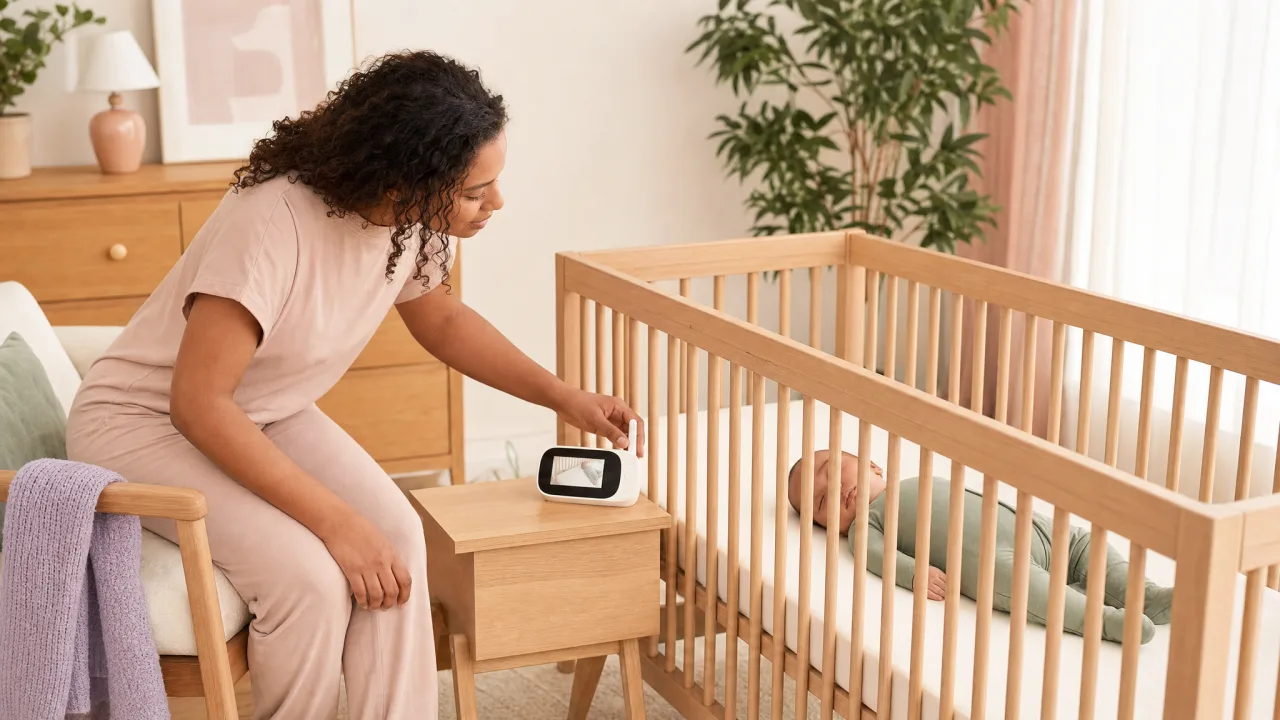
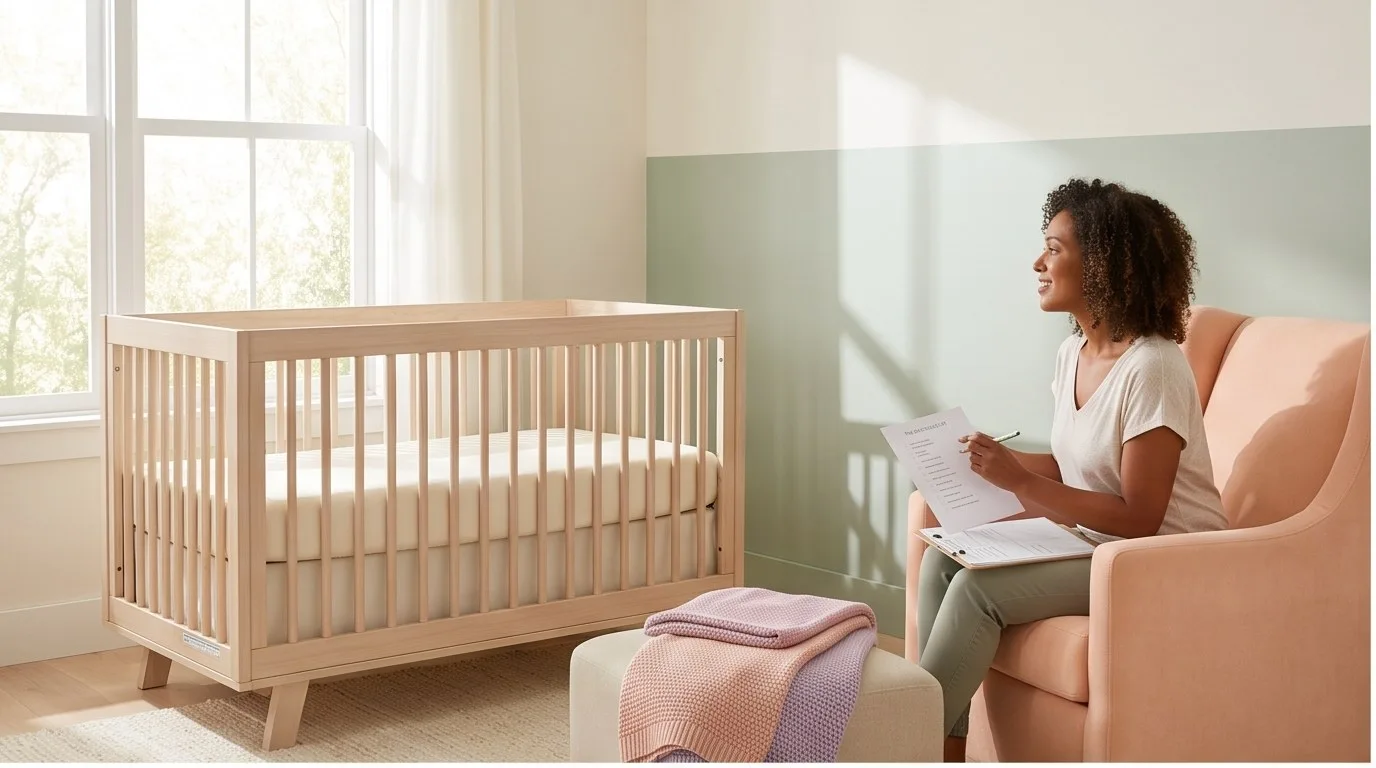
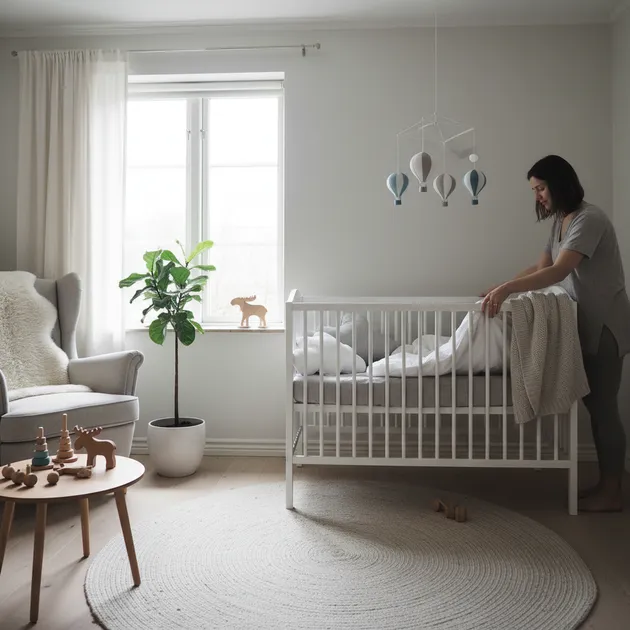
A baby crib is a bed with vertical slats on all sides. The slats allow air to circulate and let you see the baby without disturbing them. Most cribs have an adjustable mattress base, so you can lower the mattress as the child grows and becomes more mobile.
Standard crib dimensions are 28 x 52 inches (approximately 70 x 132 cm), though models vary. A larger crib lasts longer but takes up more space.
Types of Baby Beds
Standard Crib
The classic baby bed. Used from birth until the child is 2–3 years old.
Advantages:
- Long lifespan, used for several years
- Stable and safe construction
- Adjustable mattress base
- Wide range of compatible mattresses and sheets
Disadvantages:
- Takes up a lot of space
- Cannot be placed right next to the parents' bed (slats in the way)
- The baby may feel "alone" in a large bed
Bedside Bassinet
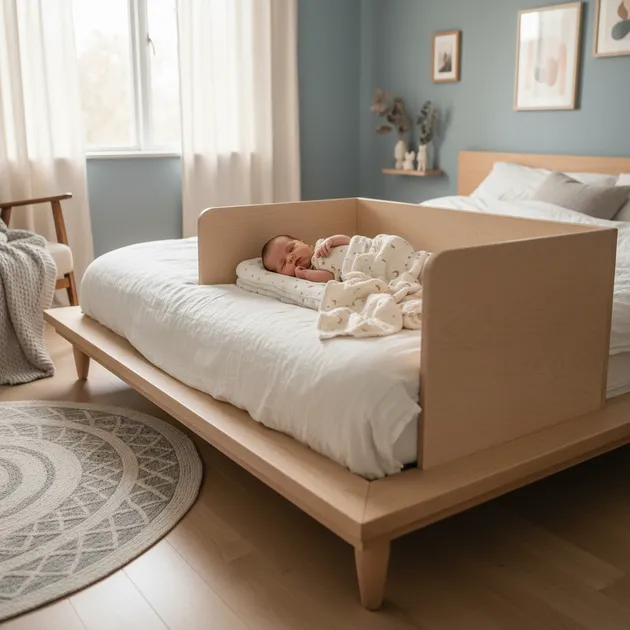
A small bed that attaches to the parents' bed with one open side. Popular models include Chicco Next2Me and BabyBay.
Advantages:
- Baby is right beside you at night
- Easy nighttime feeding without getting up
- Takes up little space
- Safe alternative to bed-sharing
Disadvantages:
- Short lifespan (0–6 months, some to 9 months)
- You will still need to buy a crib later
- Limited space for the baby
Cradle
A small, often rocking bed for the first months.
Advantages:
- Cozy and compact for newborns
- The rocking motion can soothe the baby
- Easy to move between rooms
Disadvantages:
- Very short lifespan (0–4 months)
- Expensive relative to how long it is used
- Not all babies enjoy the rocking motion
Popular combination: Many parents use a bedside bassinet for the first 6 months, then move the baby to a full crib. The AAP recommends keeping the baby in the parents' room (but in their own sleep space) for at least the first 6 months, which fits well with this transition.
Safety Requirements for Baby Cribs
Baby cribs sold in the US must meet CPSC (Consumer Product Safety Commission) safety standards, and European cribs must comply with EN 716. Always check that a crib meets the applicable safety standard in your country.
Requirements for the Slats
- Spacing between slats: No more than 2 3/8 inches (about 6 cm). Too narrow and the baby cannot get fingers stuck; too wide and the head can become trapped
- No horizontal slats in the lower section, the child should not be able to climb
- No protruding parts the baby can catch on
Structural Requirements
- Stable, the crib should not tip even if the baby pulls up and leans over the side
- Mattress height, the lowest position should have at least 26 inches (66 cm) from the mattress to the top of the crib rail
- No sharp edges or corners
- Rated for the child's weight, check the maximum weight specification
Surface Requirements
- Non-toxic paint/finish, all surface treatments must be non-toxic and safe for children
- No loose parts the child could remove and put in their mouth
Used cribs: If you buy a used crib, check that it meets current safety standards. Older models may have incorrect slat spacing, loose parts, or peeling paint. Check that all screws are tight and that no parts are cracked. Drop-side cribs are banned in the US, avoid them.
Choosing the Right Mattress
The mattress is just as important as the crib itself. The wrong mattress can pose a safety risk.
Mattress Safety Requirements
- Firm, the mattress must be firm, not soft. The baby should not sink into it. Safe sleep requires a firm sleep surface, according to the AAP
- Correct size, the mattress should fill the entire crib with no gaps along the sides. Maximum 2 finger-widths gap between mattress and crib rail
- Breathable, choose a mattress with good air circulation
- Hypoallergenic, a hypoallergenic cover is a good choice
Types of Mattresses
- Foam mattress, affordable, lightweight, good for most. Choose at least 3 inches thick with firm density
- Innerspring mattress, provides good support, but heavier and more expensive
- Organic/natural fiber, natural material, firm, good air circulation; a popular eco-conscious choice
Maintenance
- Always use a waterproof mattress protector under the sheet
- Air out the mattress regularly
- Rotate the mattress every other month for even wear
- Replace the mattress between children (for hygiene reasons and because it loses firmness)
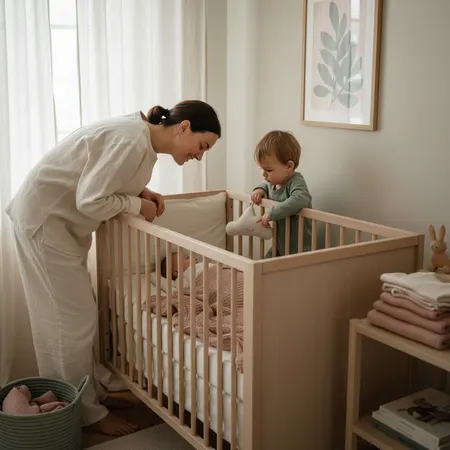
Safe Sleep in a Baby Crib
The AAP has clear guidelines for safe sleep for babies. Here are the most important rules:
Placing the Baby
- On their back, the baby should always be placed to sleep on their back. This is the single most important factor in preventing sudden infant death syndrome (SIDS)
- Feet to foot of crib, place the baby so their feet are at the foot of the crib, so they cannot slide under the blanket
- Not too warm, the baby should feel comfortable, not hot. A room temperature of 65–70°F (18–21°C) is ideal
Bedding
- Thin blanket or sleep sack, a sleep sack is an excellent alternative to a loose blanket. The baby cannot kick it off or pull it over their head
- No pillows, babies under 1 year should not have a pillow
- No loose items, remove stuffed animals, blankets, pillows, and other loose items from the crib
What Should NOT Be in a Baby Crib
- Crib canopy, can fall down and cover the baby
- Crib bumpers/liners, increase the risk of SIDS and suffocation. The AAP advises against them
- Stuffed animals, can cover the baby's face
- Cords or ties, strangulation hazard
- Bottles or pacifiers with cords, strangulation hazard
Crib bumpers are not recommended: Even though crib bumpers are sold in many stores, the AAP advises against using them. They can block airways and increase temperature in the crib. The slats on a crib are designed to provide air circulation, do not cover them.
Adjustable Mattress Height. How to Use It
Most cribs have 2–3 levels for the mattress base:
Highest Position (Newborn to About 5 Months)
- When the baby cannot sit up or pull themselves up
- Easiest for parents to lay the baby down and lift them up
- Save your back in those early months
Middle Position (About 5–8 Months)
- When the baby is starting to sit up or pull themselves up
- Lower to this level as soon as the baby shows signs of being able to sit
Lowest Position (From About 8 Months)
- When the baby is pulling up to stand
- Mandatory to prevent the baby from climbing out
- Lower the mattress BEFORE the baby can stand, it often happens suddenly
Rule of thumb: Lower the mattress to the next level as soon as the baby shows signs of mastering a new skill. It is better to lower it too early than too late. Many parents are surprised by how quickly the baby can suddenly pull themselves up.
When to Transition to a Regular Bed
Most children are ready for a toddler bed or regular bed between 18 months and 3 years. Here are the signs it is time:
Signs the Child Is Ready
- The child climbs out of the crib (safety risk, transition immediately)
- The child is too big for the crib (feet sticking through the slats)
- The child expresses a wish for a "big kid bed"
- The child is potty trained and needs to be able to get up at night
Transition Options
- Toddler bed, an intermediate step with low rails
- Regular bed with bed rail, an adult bed with a rail to prevent falls
- Mattress on the floor, the safest option, the child cannot fall far
Tips for the Transition
- Let the child help choose the bedding (motivation)
- Keep the bedtime routine exactly the same
- Use a bed rail for the first months
- Place a soft mat next to the bed in case of falls
- Childproof the room, the child can now get up and walk around at night
- Be prepared for the child to come out of the room, this is normal at first
Placement of the Crib in the Room
- Away from windows, the child could climb toward the window, and there are drafts and temperature fluctuations
- Away from heat sources, not in direct sunlight or near a radiator
- Away from curtains and blinds, cords are a strangulation hazard
- Away from shelves and pictures, items can fall into the crib
- Against a wall, provides stability and limits access from one side
Helpful Tools on Babysential
- Sleep tracker, track your baby's sleep patterns
- Checklist: Safe sleep for baby, make sure everything is in order
- Checklist: Baby gear, overview of everything you need
- Article: Baby not sleeping at night
Frequently Asked Questions
What size crib should I choose?
Standard crib size (approximately 28 x 52 inches) suits most families. A larger toddler-size crib lasts longer and can be used until the child is 3–4 years, but takes up more space. Choose based on the space you have available.
Is it safe to buy a used crib?
Yes, as long as you check that the crib meets current safety standards, all parts are intact, slat spacing is no more than 2 3/8 inches, and there are no cracked or loose parts. Also ensure it is not a banned drop-side model. Always buy a new mattress.
Does the baby need a pillow?
No. Babies under 1 year should not have a pillow. The AAP recommends a flat sleep surface without a pillow to reduce the risk of SIDS. Some children do not need a pillow until age 2–3.
How long can the child sleep in a crib?
Most children use a crib until they are 2–3 years old. Transition to a regular bed if the child climbs out, is too big, or expresses a wish for a bigger bed. A larger crib typically lasts longer than a standard one.
Are crib bumpers necessary?
No. The AAP advises against crib bumpers. They can block airways and increase temperature. The crib slats are designed to provide air circulation and are not dangerous for the baby.
Can the baby sleep in the parents' bed?
The AAP advises against bed-sharing with babies, especially under 6 months. Use a bedside bassinet that attaches to the parents' bed instead. From 6 months, the baby should ideally sleep in their own space, though room-sharing in the same room is recommended for at least the first 6 months.
Read More
- Baby not sleeping at night
- Checklist: Safe sleep
- Checklist: Baby gear for newborn
- Baby carrier guide
Sources
🔧 Helpful Tools
- Baby Sleep Tracker. Track and optimize your baby's sleep
- All Baby Tools. Browse all free tools for pregnancy and baby care
📖 Related Articles
- Baby Crib Guide 2026. Safe Sleep for Your Baby. Complete guide to baby cribs in 2026. Comparison of bedside bassinets, standard cribs, bassinets, and travel cribs. Tips for safe sleep from the AAP.
- Cradle for Newborns: Complete Guide to Your Baby's First Bed. Everything about cradles for newborns. Types, safety, comparison with bedside cribs, and tips for safe sleep.
- How to Choose a Car Seat for Your Baby. Choosing the right car seat depends on your child's age, weight, and height. Learn the stages of car seats, key safety features, and installation tips.