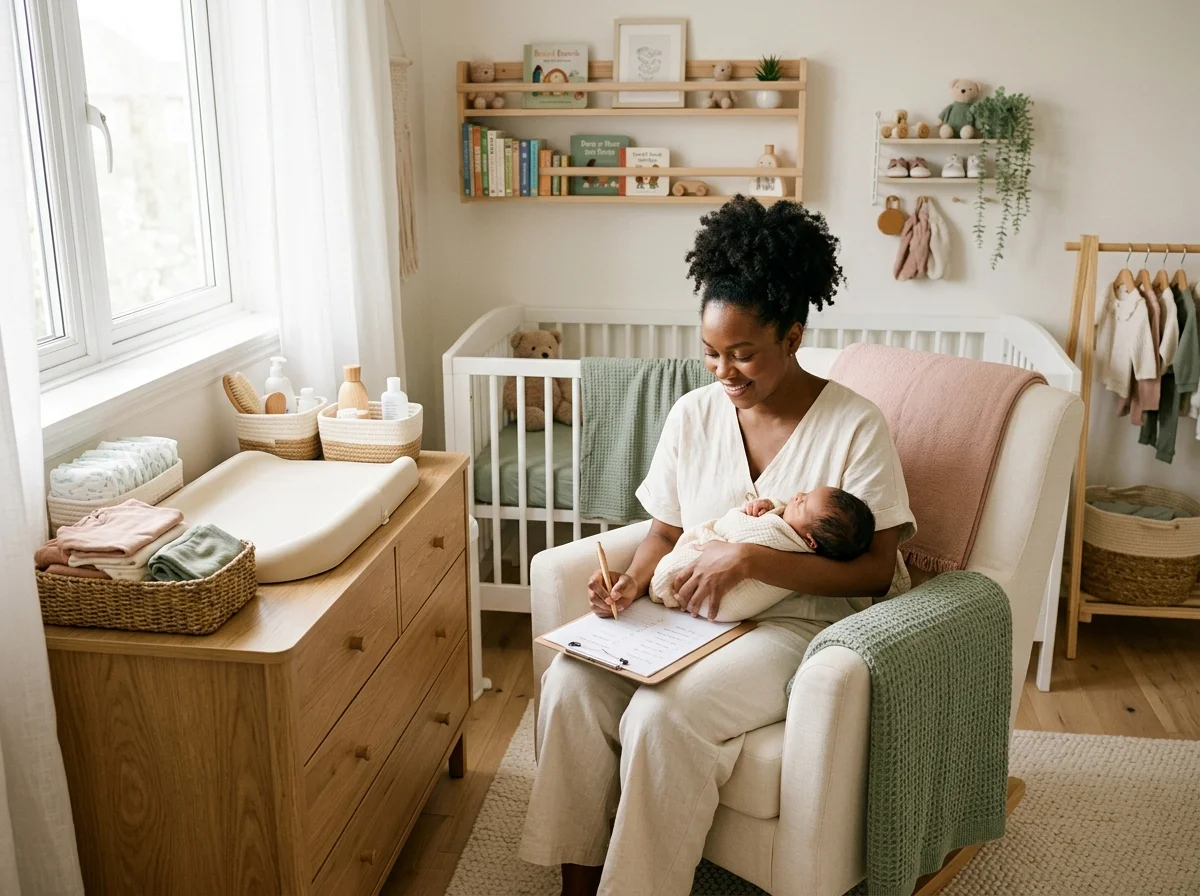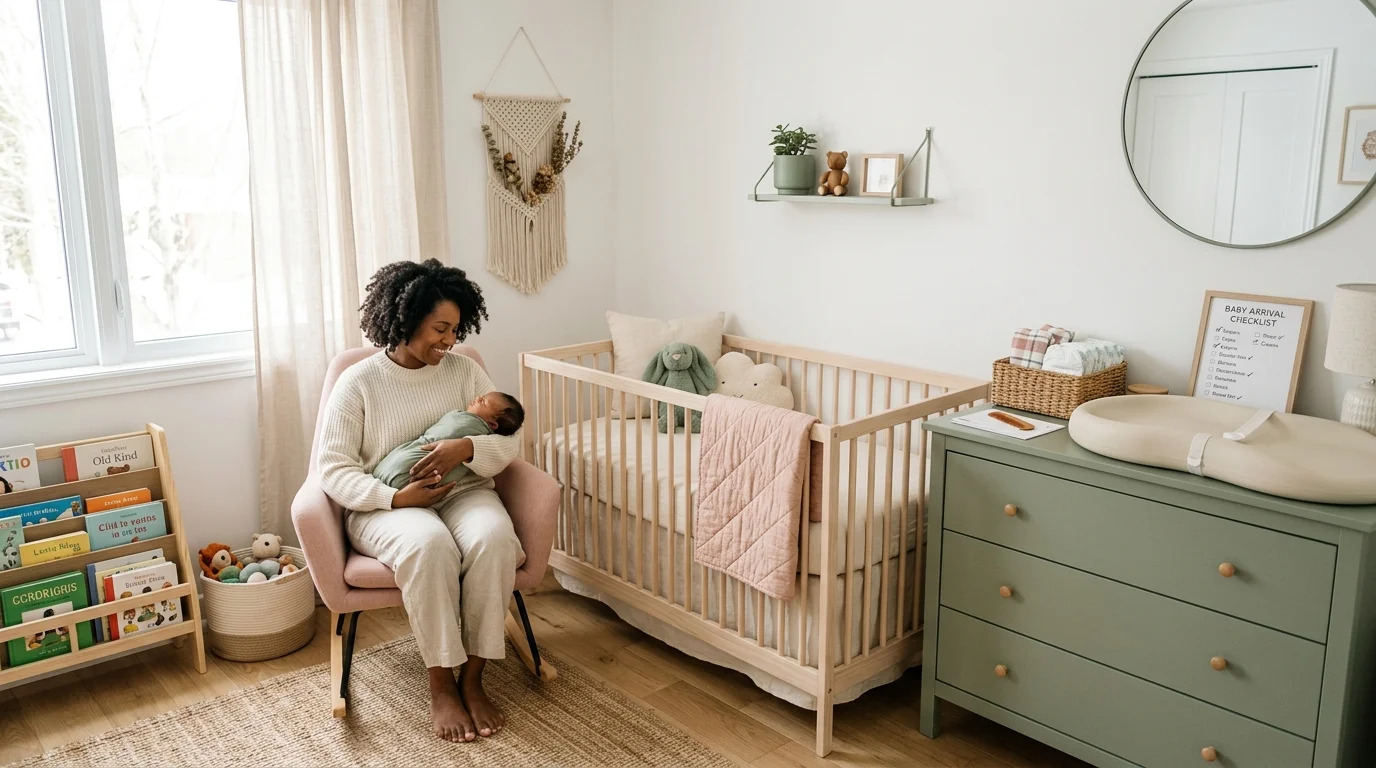
You open the registry app for "just a few minutes." Half an hour later, you are comparing cribs, bottle warmers, swaddles, stroller adapters, and five white-noise machines.
A Babylist registry helps because it puts gifts from many stores into one shareable list. The harder part is deciding what belongs on that list before the internet turns a newborn into a shopping project.
Build your Babylist registry in this order: safe sleep, car seat, diapers, feeding basics, simple clothing, bath basics, and a few practical gifts at different prices. Add nice-to-have products only after the first-week essentials are covered.
Key Takeaways
- Babylist is a universal registry: Parents can add items from Babylist, other retailers, cash funds, help requests, and group gifts to one list.
- Safety belongs first: Prioritize a firm sleep space, a correctly chosen car seat, diapers, feeding supplies, and clothing that fits the first weeks.
- Some popular gifts are worth skipping: Loose crib blankets, pillows, padded bumpers, inclined sleepers, and aftermarket car-seat inserts conflict with current safety guidance.
- Gift-givers need clear instructions: If they buy from an outside store, they should return to Babylist and mark the item as purchased.
- Insurance may cover feeding gear: Before adding a paid breast pump, check your health plan's breast pump and breastfeeding-support rules.
Babylist Registry Checklist at a Glance
| Category | Add first | Add later | Skip |
|---|---|---|---|
| Sleep | Crib, bassinet, or play yard; firm mattress; fitted sheets; sleep sacks | Extra sheets, room thermometer | Pillows, bumpers, loose blankets, inclined sleepers |
| Car safety | Rear-facing infant or convertible car seat | Extra base if needed | Used seat with unknown history, aftermarket inserts |
| Diapering | Diapers, wipes, cream, changing mat | Diaper pail, travel clutch | Oversized wipe warmers unless you know you want one |
| Feeding | Burp cloths, a few bottles, bottle brush | Pump parts, sterilizer, formula station | Large bottle sets before baby shows preferences |
| Clothing | Onesies, sleepers, socks, sleep sacks | Seasonal outerwear, larger sizes | Too many newborn outfits |
| Help | Meal fund, grocery help, postpartum support | Babysitting fund | Vague cash funds with no context |
For a printable companion, use the Babysential checklists tool while you build. If you are also planning sizes, the newborn clothing essentials guide pairs well with this registry list.
How Does a Babylist Registry Work?
Babylist is a universal baby registry. Parents can add gifts sold by Babylist, products from other stores, cash funds, group gifts, and non-product help such as meals or chores.
That flexibility is the reason people like it. It is also the reason a registry can become messy fast.
Treat the registry like a short edit, not a warehouse. A useful registry tells gift-givers what will help in real life, gives them several price points, and keeps safety-critical items specific.
Parents can choose whether the registry is public or private. A public registry may appear in Babylist search. A private registry usually requires the direct link from the parent.
How Do Gift-Givers Find a Babylist Registry?
Gift-givers can use Babylist's registry search if the parents made the list public. If the registry is private, the simplest path is the direct link from the shower invitation, family message, or email.
Add one short note at the top of the registry:
Thank you for helping us get ready. If you buy an item from another store, please come back and mark it as purchased so we avoid duplicates.
That one sentence prevents the classic universal-registry problem: three people buy the same bathtub because the outside purchase was never marked.
For grandparents or relatives who prefer simple checkout, keep a few Babylist-sold items and familiar-store items near the top. The easier the list is to use, the fewer side texts you will answer at 39 weeks.
What Should You Put on a Babylist Registry First?
Start with the things you need before the baby comes home. The first week is feeding, sleeping, diapering, changing clothes, and safe travel.
Safe Sleep
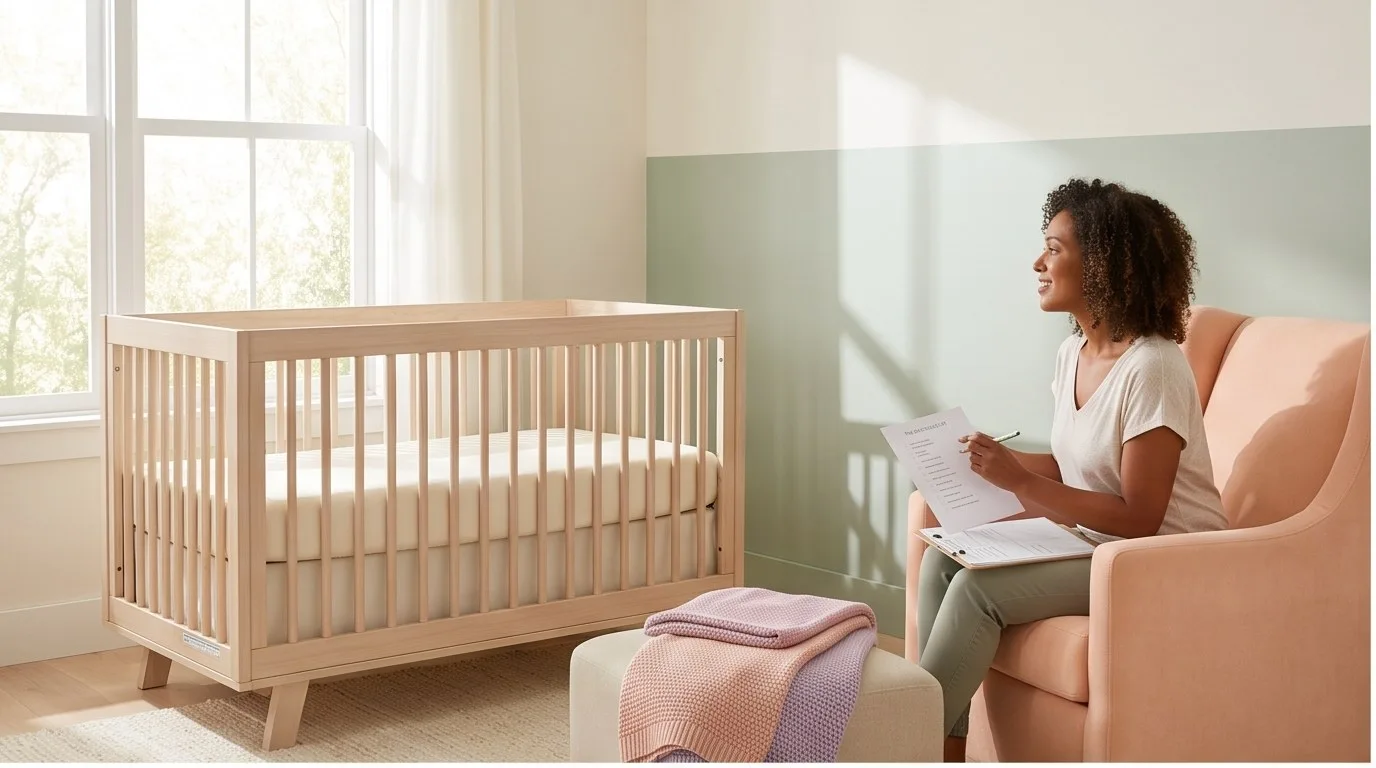
Add a crib, bassinet, or play yard that meets current safety standards. Pair it with the firm mattress made for that sleep space, two to four fitted sheets, and two wearable blankets or sleep sacks.
The American Academy of Pediatrics recommends placing babies on their backs on a firm, flat sleep surface with no pillows, loose blankets, bumpers, or soft objects. CDC safe-sleep guidance gives the same practical message.
Keep the registry boring here. Boring is good. A firm, flat, empty sleep space is more useful than nursery decor that makes sleep less safe.
Car Seat and Travel
Add one rear-facing infant car seat or one convertible seat rated for newborn use. Choose based on your car, your baby's expected size range, and whether you need to carry the seat outside the car.
NHTSA tells parents to choose a seat based on age and size, vehicle fit, and correct use every ride. That means the "best" car seat is the one that fits your car and will be installed correctly.
NHTSA reports that 46% of car seats and booster seats are misused in ways that can reduce protection. Correct use matters because NHTSA says car seats reduce fatal injury by 71% for infants in passenger cars.
Skip used car seats unless you know the full history. A seat that has expired, been in a crash, or is missing parts is not a smart registry bargain.
Diapering
Add newborn and size 1 diapers, fragrance-free wipes, diaper cream, and a changing pad or washable changing mat. If you plan to use cloth diapers, register for a small starter set before committing to a full system.
Parents leave the house sooner than they expect, so a simple diaper-bag setup helps. The diaper bag guide covers what to pack for errands, pediatrician visits, and short trips.
Feeding
Add burp cloths, a few bottles, bibs, and a bottle brush even if you plan to breastfeed. Babies have preferences, so avoid registering for a huge bottle set before you know what works.
If breastfeeding is part of the plan, check insurance before adding a paid pump. HealthCare.gov says many U.S. health plans must cover breastfeeding support and breast pump costs, but timing and pump type can vary by plan.
For later feeding stages, bookmark the Babysential food guide. You will not need solids gear in week one, but it helps to have a trusted place to return when your baby is closer to readiness.
Clothing
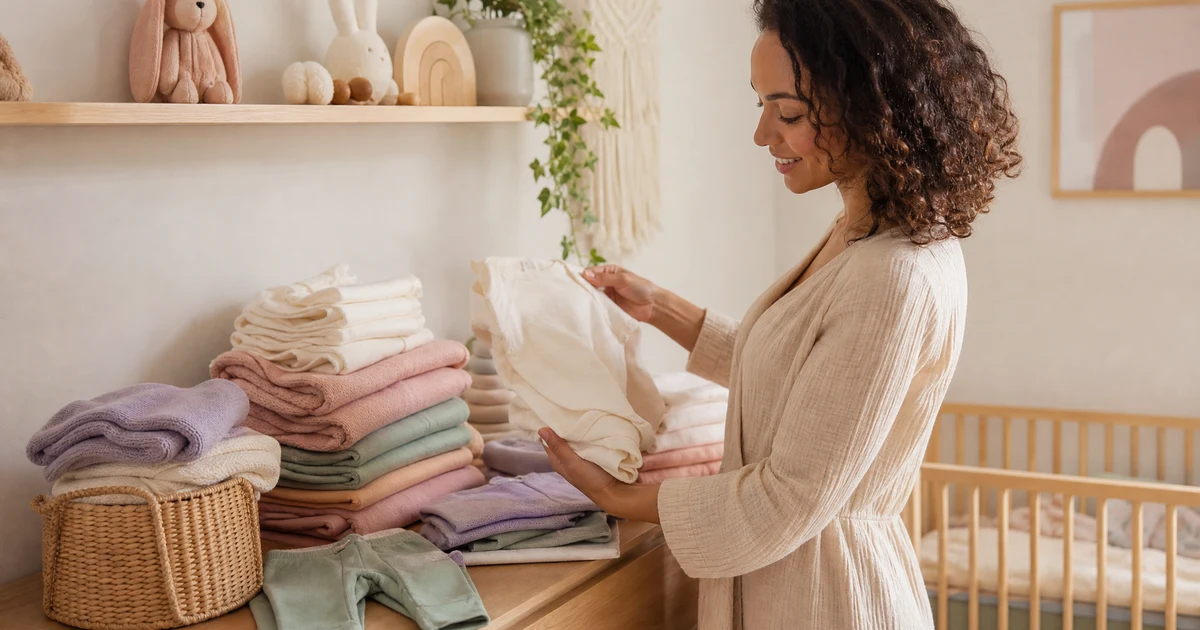
Add practical clothes in small quantities: seven to ten bodysuits, four to seven sleepers, socks, and weather-appropriate layers. Add more 0-3 month and 3-6 month items than newborn outfits.
Babies grow quickly, and laundry happens often. A registry full of tiny special-occasion outfits looks sweet, but daily zippers and soft cotton win at 2 a.m.
Use the baby clothes size guide if you want a size-by-size plan before adding clothing bundles.
What Babylist Items Are Nice but Not Essential?
Some items are useful after you learn your baby's habits. Add them lower on the registry or mark them as optional.
A bottle sterilizer can help families who pump often, formula-feed, or have specific medical instructions from a clinician. Many families still manage with ordinary washing and occasional sterilizing according to product instructions.
A wipe warmer is a comfort item, not a need. Some babies like warm wipes. Some do not care. If space is tight, skip it until you know your own routine.
A baby swing or bouncer can give short supervised breaks, but it is not a sleep space. If baby falls asleep there, move them to a firm, flat sleep surface.
A stroller is useful, but the right choice depends on your stairs, car trunk, sidewalks, and whether you plan to use a baby carrier. Group gifting can make sense here because it lets several people contribute to one larger item.
What Should You Skip on a Babylist Registry?
Skip items that make sleep or travel less safe. The U.S. Consumer Product Safety Commission warns parents away from inclined sleepers, crib bumpers, pillows, and soft sleep products.
Avoid these registry items:
- Loose crib blankets for sleep
- Baby pillows
- Padded crib bumpers
- Inclined sleepers
- Sleep positioners
- Weighted sleep sacks or weighted swaddles
- Aftermarket car-seat inserts
- Used car seats with unknown history
- Large product bundles built around a single brand before you know your baby's preferences
Safety-critical categories need a tighter filter than nursery decor or keepsakes.
How Many Gifts Should Be on a Babylist Registry?
A strong registry usually has 50 to 100 items across price points. The exact number matters less than balance.
Include small gifts under $25, practical mid-range items, a few group gifts, and non-product help. If every useful item costs more than $100, gift-givers may buy random extras instead.
Do one pass for duplicates. You do not need three bath seats, four diaper creams, and six swaddle brands unless you are testing options on purpose.
How Should You Share a Babylist Registry?
Share the link wherever people are already expecting it: baby shower invitation, family chat, or a short email. Keep the message warm and practical.
A useful note might say:
We are trying to keep things simple and practical. We included a mix of everyday essentials, a few group gifts, and some meal-help options for the first weeks.
If you welcome secondhand gifts, say so. If you do not want substitutions for safety items, say that too:
Secondhand clothes and books are very welcome. For car seats, sleep spaces, and mattresses, please stick to the exact item listed.
That wording saves relatives from guessing and keeps the highest-risk categories clear.
What Should Gift-Givers Know Before Buying?
Gift-givers should check whether the item is sold by Babylist or another retailer. If checkout happens on another retailer's site, return to Babylist afterward and mark the item as purchased.
They should avoid substituting safety-critical products such as car seats, cribs, mattresses, and sleep products. A different color is one thing. A different car seat model is another.
If an item is expensive, group gifting or a cash contribution may be more helpful than buying a cheaper substitute the parents did not research.
How This Guide Was Built
This guide was written by the Babysential Team using Babylist registry mechanics, current safe-sleep and car-seat guidance, and a practical parent-first checklist review. AI-assisted drafting helped organize the article, but final structure, safety claims, source selection, and internal links were checked against Babysential's editorial standards.
Our goal is to help expecting parents build a registry that works during the first weeks at home and helps gift-givers buy with less confusion.
FAQ
Is Babylist registry free?
Creating a Babylist registry is free. Gift purchases, shipping choices, sample boxes, and retailer checkouts may still involve separate costs, so read checkout details before buying.
What should I put on a Babylist registry first?
Start with safe sleep, a car seat, diapers, feeding basics, simple clothing, bath items, and a few lower-cost gifts. Add convenience products after the first-week needs are covered.
Can I add items from any store to Babylist?
Babylist is designed as a universal registry, so parents can add items from many stores. Gift-givers may need to complete checkout on the outside retailer's site and then mark the gift as purchased on Babylist.
Should I put a breast pump on my registry?
Check insurance first. Many U.S. health plans must cover breastfeeding support and breast pump costs, but the type of pump, supplier, and timing can depend on the plan.
What baby registry items should I avoid?
Avoid items that conflict with safe-sleep and car-seat guidance, including loose crib bedding, pillows, padded bumpers, inclined sleepers, sleep positioners, and aftermarket car-seat inserts.
Bottom Line
A Babylist registry works best when it is specific, practical, and safety-first. Build it around the first weeks at home: safe sleep, car seat, diapers, feeding, clothing, bath, and travel.
Then add the gifts that make support easier: meal help, group gifts, and a few nice extras that fit your space. The best registry helps your people buy things you will actually use.
Sources
- American Academy of Pediatrics: How to Keep Your Sleeping Baby Safe
- Centers for Disease Control and Prevention: Providing Care for Babies to Sleep Safely
- U.S. Consumer Product Safety Commission: Safe Sleep - Cribs and Infant Products
- National Highway Traffic Safety Administration: Car Seats and Booster Seats
- HealthCare.gov: Breastfeeding benefits