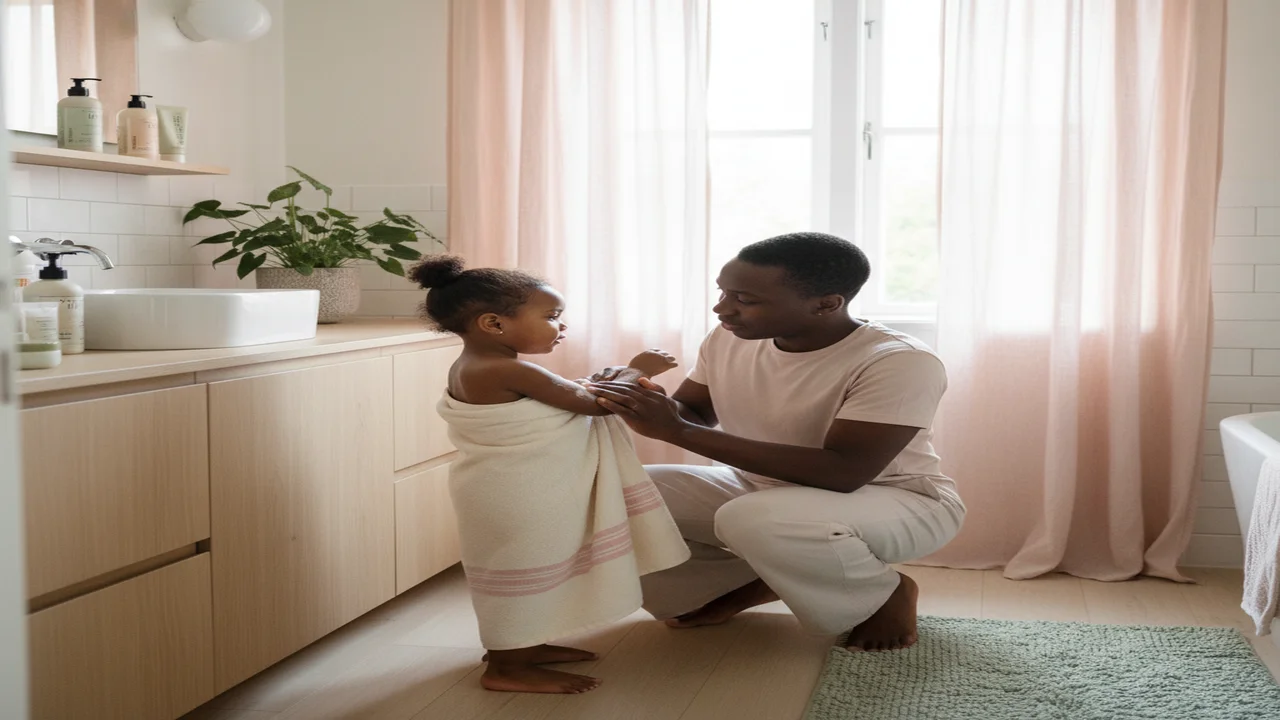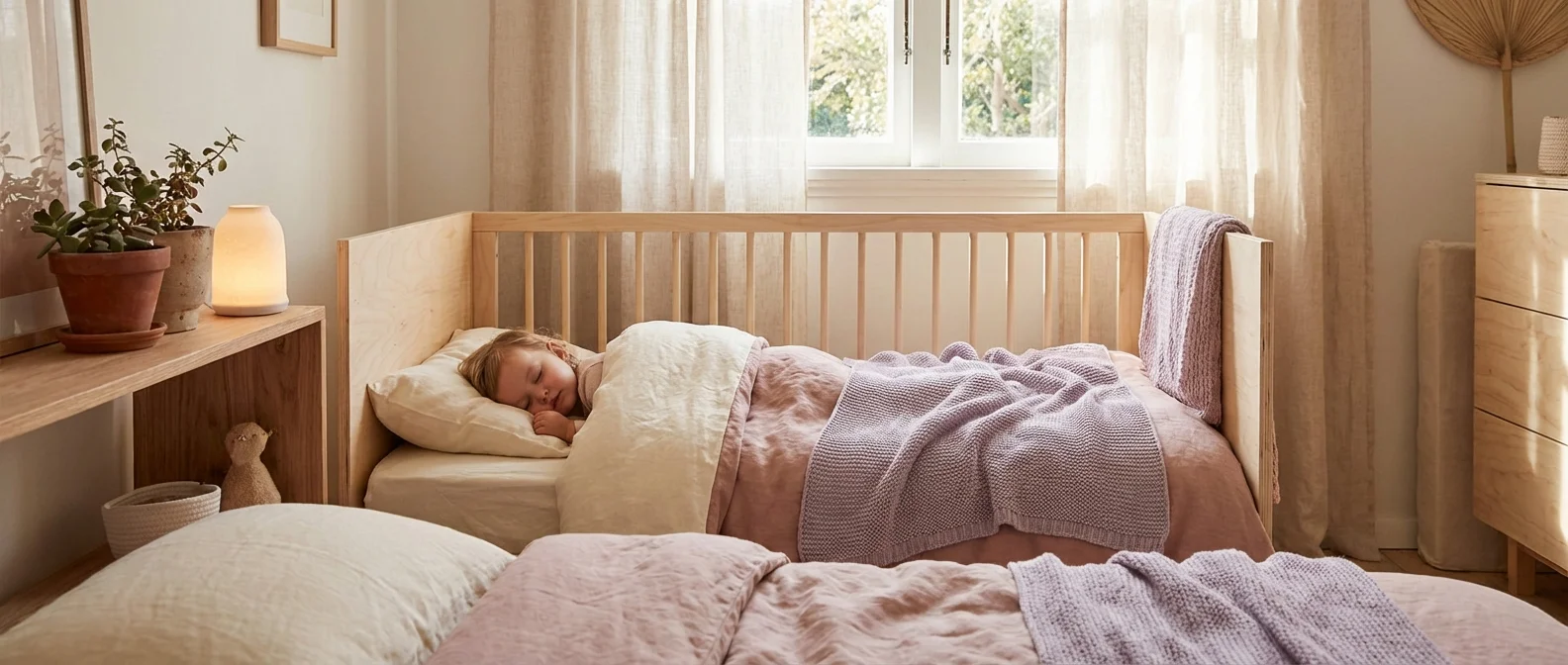
You're lying in bed and you hear a rasping, grinding sound from your child's room. It almost sounds like someone sawing through wood. When you check, you find your child grinding their teeth in their sleep.
This is a common phenomenon that worries many parents, but in the vast majority of cases, it is completely harmless. Let's take a closer look at what teeth grinding is, why it happens, and what you can do.
What is teeth grinding?
Teeth grinding, also known as bruxism, is the involuntary grinding, clenching, or squeaking of the teeth. It most often happens at night during sleep, but some children also grind their teeth during the day.
According to the American Academy of Pediatric Dentistry (AAPD), teeth grinding is very common in children. Up to 20–30% of all children experience it at some point. Most grow out of it without any damage to the teeth.
Teeth grinding is particularly common during two periods: when the first teeth come in (around 6–10 months of age), and again between ages 3 and 6. Both periods are linked to changes in the teeth and the development of the bite.
Causes of teeth grinding in children
There is no single cause of teeth grinding. It is usually a combination of several factors.
New teeth and bite development
The most common cause in babies and toddlers. When new teeth are coming through, the child explores them by rubbing the upper jaw against the lower jaw. This is completely normal and is part of the motor development of the mouth.
The child is learning to feel the new teeth and the unfamiliar bite. Think of it as a natural discovery process, the child is investigating their teeth.
Bite misalignment
If the teeth in the upper and lower jaw do not meet correctly (malocclusion), the body may try to correct this through grinding. A dentist can assess whether a bite issue is contributing to the problem.
Stress and anxiety
Even small children can experience stress. Changes in daily life, such as starting daycare, a new sibling, moving, or family conflict, can trigger teeth grinding. The child processes tension and worry through the body, including during sleep.
Sleep-related factors
Teeth grinding most often occurs during transitions between sleep phases, particularly between light and deep sleep. Children with irregular sleep patterns or insufficient sleep are at higher risk.
Other sleep disturbances such as night terrors and snoring can occur alongside teeth grinding.
Less common causes
In rare cases, teeth grinding may be linked to:
- Enlarged tonsils or adenoids causing disrupted breathing during sleep
- Ear infections or discomfort in the head and throat area
- Side effects of certain medications
- Sleep apnea (very rare in children, but should be ruled out with heavy snoring)
Many people believe that teeth grinding in children is caused by intestinal worms. This is a myth that has no scientific support.
Nighttime vs. daytime teeth grinding
Most children grind their teeth at night, but some do it during the day as well.
Nighttime teeth grinding:
- Happens during sleep, the child is unaware of it
- Difficult to control
- Can make a sound that wakes parents
- Most common during the light sleep phase
Daytime teeth grinding:
- Often linked to concentration, stress, or habit
- Most common in babies exploring new teeth
- Easier to redirect and correct
- Usually resolves more quickly
When should you be concerned?
In most cases, teeth grinding is harmless and temporary. However, there are situations where you should monitor things more closely.
Contact a dentist if:
- The teeth show visible wear or damage
- The child complains of pain in the jaw or face
- The child has headaches, particularly in the morning
- The grinding is so intense it disrupts sleep
- It persists for more than a few months without improvement
Contact a doctor if:
- The child snores heavily and pauses breathing during sleep
- The child is very tired during the day despite adequate sleep time
- You suspect the child is in pain
If you suspect sleep apnea, heavy snoring combined with pauses in breathing and daytime tiredness , the child should be evaluated by a doctor. Sleep apnea is rare in children but can be treated effectively.
What can you do?
Good sleep routines
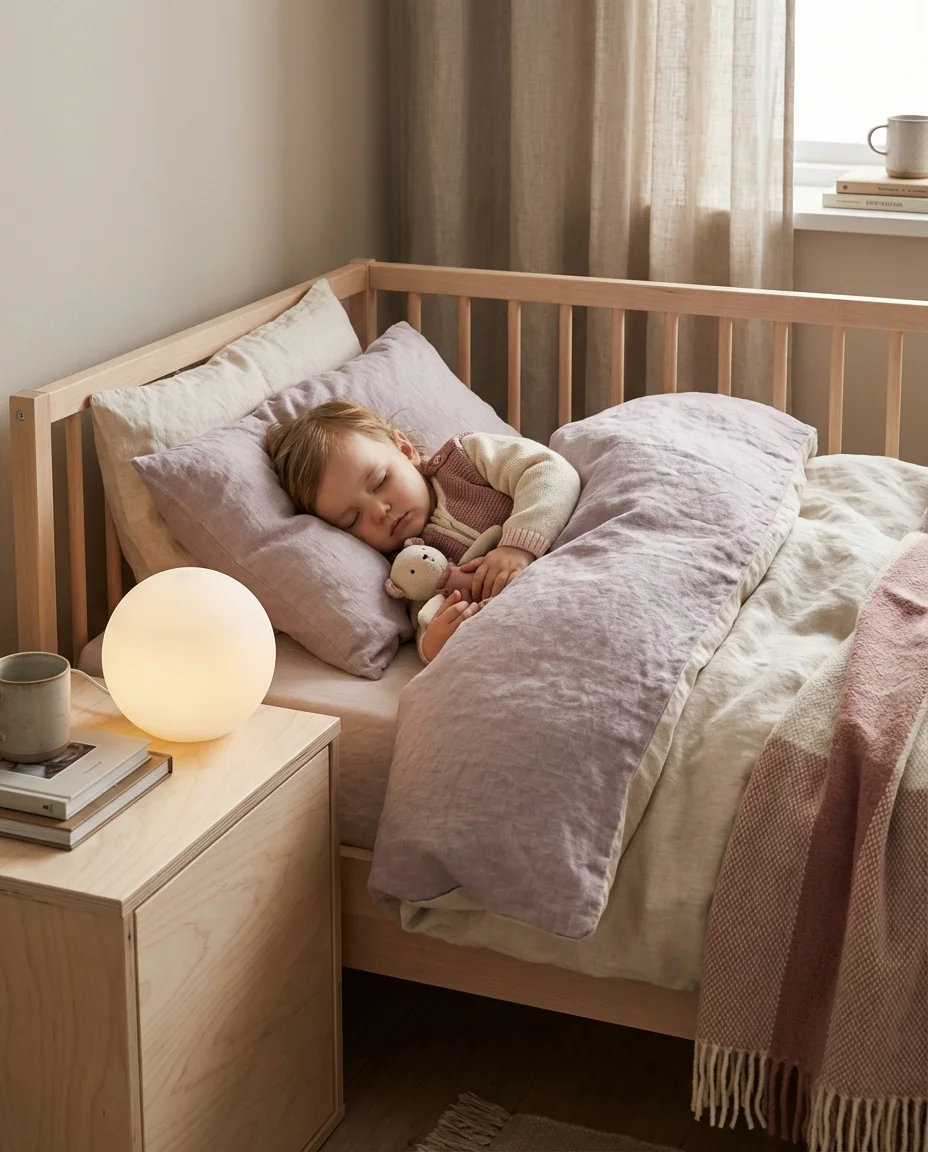
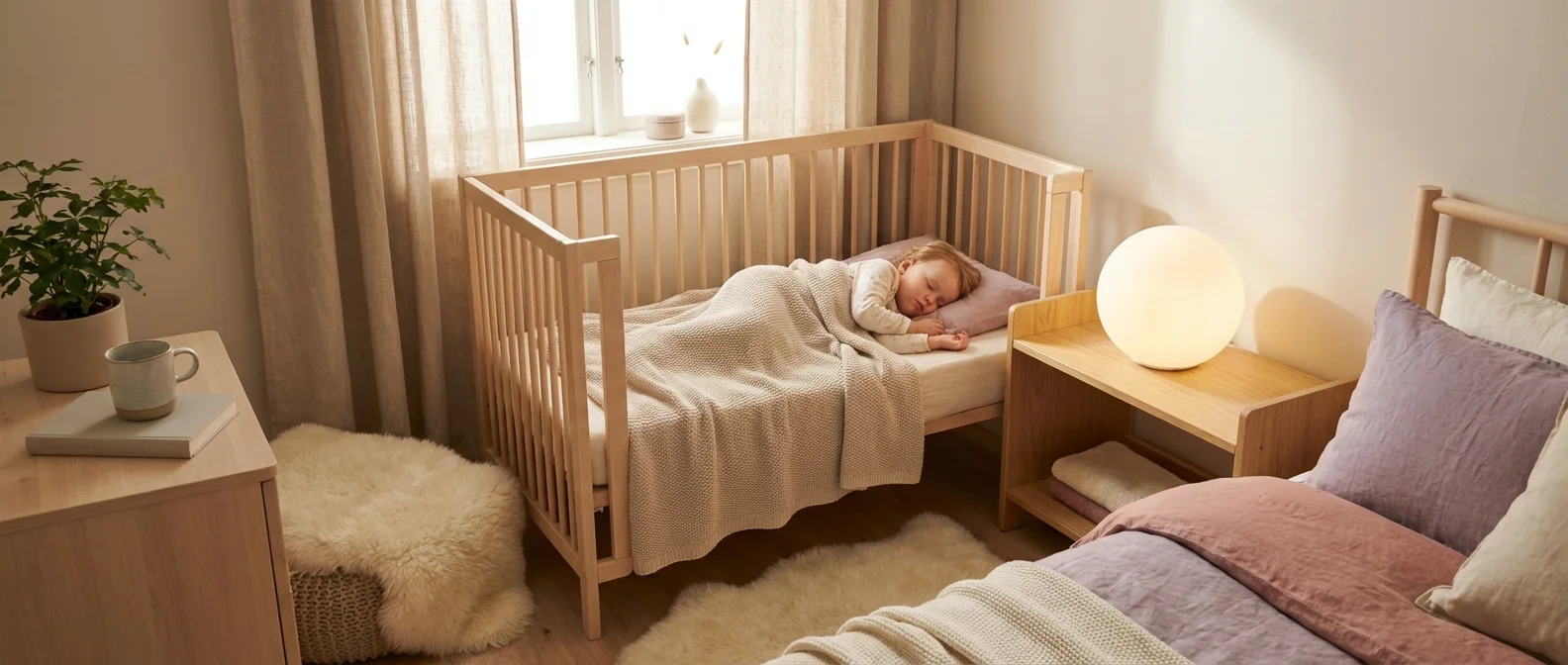
The most important preventive factor is good sleep habits. Make sure your child gets enough sleep and has a calm wind-down routine at the end of the day.
- Keep consistent bedtimes and morning routines
- Create a calm transition to sleep with a bath, reading, or quiet music
- Avoid screens for at least 1 hour before bedtime
- Keep the bedroom dark, cool, and quiet
Reduce stress
If you suspect stress is contributing to the grinding, you can:
- Talk with the child about what is happening in their daily life (appropriate to their age)
- Offer extra closeness and reassurance during times of change
- Ensure plenty of physical activity during the day
- Avoid stressful activities right before bedtime
- Read a book or sing calming songs at bedtime
Dental visit
A dentist can assess whether the teeth have sustained any damage and whether bite misalignment is contributing to the grinding. For most children, no treatment is necessary, but a check-up provides peace of mind.
For children with very intense grinding, a dentist may in rare cases recommend a mouth guard (night guard). This is uncommon for young children and is evaluated on an individual basis.
Bring up teeth grinding at the next routine dental visit. The dentist can check for signs of wear that are not visible to you. Learn more in our article on children's dental health.
Jaw massage and relaxation
Gentle massage of the cheeks and jaw muscles before bedtime can help the child relax. Use your fingertips in small, circular movements along the jawline.
For older children, you can teach simple relaxation exercises: open the mouth gently, let the jaw hang relaxed, and breathe slowly.
Can teeth grinding damage the teeth?
In most children, teeth grinding causes no lasting damage. Baby teeth are temporary in any case, and wear on baby teeth does not affect the permanent teeth that grow in later.
In rare cases of very intense and prolonged grinding, the following can occur:
- Visible wear on the tooth surface
- Increased tooth sensitivity
- Tension in the jaw muscles
- Headaches
These symptoms are unusual and typically resolve when the grinding subsides.
The good news: most children grow out of it
Studies show that teeth grinding in children is usually temporary. Most children stop grinding their teeth on their own, often by the time they lose their last baby teeth.
Grinding that starts in infancy (when teeth are coming in) typically resolves within a few months. Grinding that starts in toddlers and preschoolers generally decreases as the permanent bite develops.
According to the American Academy of Pediatric Dentistry, the vast majority of children need no treatment. Patience and good routines are the best things you can offer.
Frequently asked questions
Is teeth grinding in children dangerous?
No, teeth grinding is almost always harmless in children. It is very common and usually resolves on its own. If you are concerned about tooth wear, a dentist can evaluate the situation at the next check-up.
Can babies grind their teeth?
Yes, babies can start grinding their teeth as soon as they have their first teeth, usually around 6–10 months of age. It is a natural part of exploring the teeth and mouth and is typically temporary.
Should I wake my child when they're grinding their teeth?
No, you should not wake the child. Teeth grinding during sleep is involuntary and will pass on its own. Waking the child can disrupt their sleep more than the grinding itself.
Does my child need a mouth guard?
A mouth guard is rarely necessary for children. It is only recommended for very intense and prolonged grinding that is damaging the teeth, and always following an individual assessment by a dentist. For the vast majority of children, no treatment is needed.
Can stress cause teeth grinding in young children?
Yes, stress can contribute to teeth grinding, even in quite young children. Major changes such as starting daycare, a new sibling, moving, or family conflict can trigger or intensify grinding. Extra reassurance and good routines help.
Summary
Teeth grinding is very common and almost always harmless. Most children grow out of it without treatment. The most important things you can do are establish good sleep routines, reduce stress, and bring up any concerns with the dentist at the next check-up.
If the child has pain, obvious tooth wear, or snores heavily, contact a dentist or doctor for an evaluation.
Read more
- Children's dental health 0–3 years
- Brushing children's teeth, complete guide
- Baby sleep routines
- Night terrors in children
- Bedtime rituals that work
Sources: American Academy of Pediatric Dentistry (AAPD), Nemours KidsHealth. Teeth grinding in children, Mayo Clinic. Bruxism (teeth grinding)
Last updated: March 2026
Sources
- AAP. Safe sleep guidelines for infants
- NICHD. Safe to Sleep campaign. SIDS prevention
- CDC. Infant safe sleep practices
🔧 Helpful Tools
- Baby Milestones Tracker. Track your baby's developmental milestones
- Baby Sleep Tracker. Track and optimize your baby's sleep
- All Baby Tools. Browse all free tools for pregnancy and baby care