A baby needs surprisingly little. Yet new parents spend thousands of dollars on gear, much of which is only used for a few months.
There's a smarter way: choose sustainable. It saves the environment and often your wallet. Here are the best tips for eco-friendly baby choices.
What Should You Buy New vs. Secondhand?
Not all baby gear needs to be new. Here's a simple overview:
Buy New
- Car seat. Safety standards are critical. Used car seats may have hidden damage from accidents. Always buy new, and check that it's certified (FMVSS 213 in the US, or i-Size/ECE R129 in the EU)
- Crib mattress. Hygiene and firmness are important for safe sleep. Used mattresses may have mold, bacteria, and may have lost their firmness
- Pacifiers and bottles. Silicone breaks down over time. Buy new for hygiene reasons
Safe to Buy Secondhand
- Stroller. Check brakes, wheels, and canopy. Good strollers easily last 2-3 children
- Clothes. Used baby clothes are soft, pre-washed, and free of chemicals
- Toys. Check for loose parts and damage. Wash thoroughly
- Baby carrier/wrap. Check that buckles and stitching are intact
- High chair. Quality high chairs last for generations
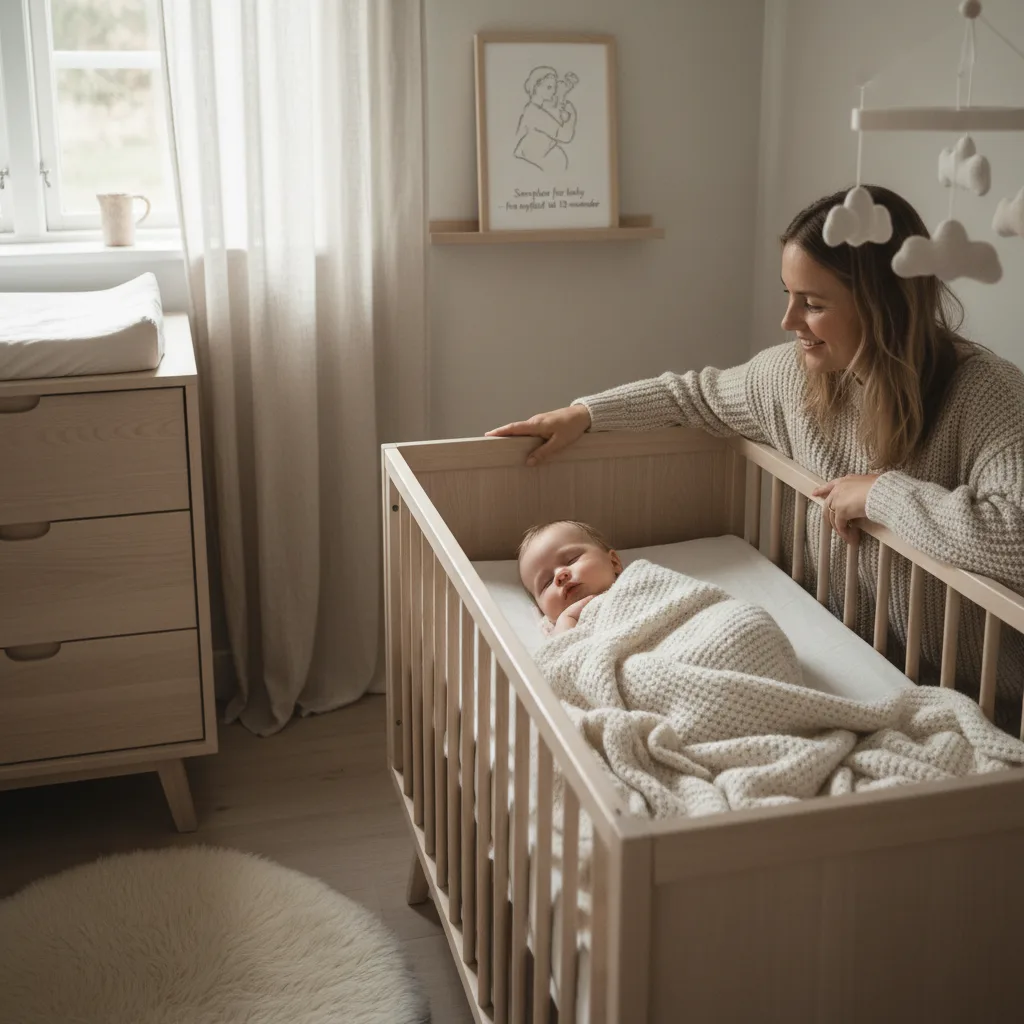
- Bassinet and crib. Check that slat spacing is no more than 2 3/8 inches (6 cm)
Recalls: Always check the Consumer Product Safety Commission (CPSC) recall list before buying secondhand. Some products have been recalled due to safety defects.
Quality Brands That Prioritize Sustainability
Several brands produce quality products with low environmental impact:
Patagonia (Kids Collection)
Repairable clothing with a lifetime guarantee. Their Worn Wear program encourages buying and selling used Patagonia gear.
Burt's Bees Baby
Organic cotton baby clothing and essentials. GOTS certified organic.
Stokke
The Tripp Trapp chair is designed to last from baby to adult. A piece of furniture for life, not a seasonal product.
Under the Nile
100% organic Egyptian cotton baby clothing and toys. Fair trade certified.
Finn + Emma
Organic cotton clothes and wooden toys. Eco-friendly and made with non-toxic dyes.
Money-saving tip: Many communities have "buy nothing" groups, toy libraries, or baby gear lending programs. Check local Facebook groups or community centers for free or low-cost gear sharing options.
Cloth Diapers. Is It Worth It?
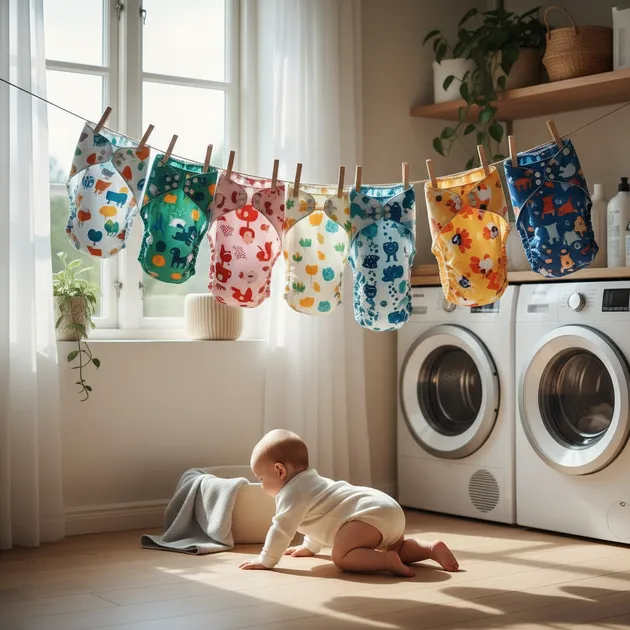
Cloth diapers have made a comeback. Modern cloth diapers are far simpler to use than your grandparents' version.
Environmental Impact
A baby uses about 5,000 disposable diapers in the first year. That's 1 ton of waste over the diapering years. Cloth diapers can be reused for multiple children.
Cost Savings
| Disposable Diapers | Cloth Diapers | |
|---|---|---|
| Cost for one child | $1,500-$2,500 | $500-$1,000 |
| Cost for two children | $3,000-$5,000 | $500-$1,000 (same set) |
| Washing | , | ~$200/year in water/electricity |
Getting Started with Cloth Diapers
- Start with a trial set (3-5 diapers) to test
- Choose between pocket diapers, all-in-ones, and prefolds
- Wash at 140°F (60°C) without fabric softener
- Have a system for storing used diapers (wet bag)
- Use disposables at night and when traveling if you want
Where to Buy Cloth Diapers
- Amazon (search for "cloth diapers")
- Nicki's Diapers (nickisdiapers.com)
- Green Mountain Diapers (greenmountaindiapers.com)
- Kelly's Closet (kellyscloset.com)
Did you know? Some municipalities and utility companies offer rebates or incentives for switching to cloth diapers. Check with your local waste management authority.
Where to Find Secondhand Baby Gear
- Facebook Marketplace. Local buy/sell groups for baby gear
- OfferUp / Mercari. Apps for buying and selling locally
- ThredUp. Online consignment for baby and kids clothes
- Once Upon a Child. Resale stores for kids' items
- Buy Nothing Groups. Free items shared within local communities
- Consignment sales. Seasonal sales often held at churches or community centers
5 Simple Sustainable Everyday Choices
- Washcloths instead of disposable wipes. Save thousands of single-use wipes per year. Buy 20 flannel cloths and wash them
- Use the same clothes in multiple sizes. Buy wool that stretches and grows with the baby
- Make baby food yourself. Avoid packaging from store-bought purees. A blender and some vegetables are all you need
- Repair instead of throwing away. Sew up a torn onesie. Glue a broken toy. Teach the child that things have value
- Share and borrow. Organize swap arrangements with friends and neighbors
Frequently Asked Questions
Is secondhand baby gear safe?
Yes, with a few exceptions (car seat, mattress, pacifiers). Always check for damage, recalls, and that the product meets current safety standards.
What's the single most impactful thing I can do for the environment?
Buying secondhand clothes and gear. The textile industry is one of the world's most polluting. Every used garment saves water, energy, and CO2.
Are cloth diapers hygienic?
Yes, when washed at 140°F (60°C). Modern cloth diapers are designed for efficient washing and drying.
Are there eco-friendly disposable diapers?
Yes, brands like Bambo Nature, Honest Company, and Dyper make diapers with more biodegradable materials. They're more expensive than regular diapers, but a compromise between convenience and environmental concern.
Summary
Sustainable baby gear isn't about being perfect. It's about making conscious choices where you can. Start with one change, maybe secondhand clothes or washcloths, and build from there.
Read More
- Baby Essentials: What Do You Really Need?
- Stroller Guide: How to Choose
- Car Seat Safety Guide
- Homemade Baby Food
Sources
🔧 Helpful Tools
- All Baby Tools. Browse all free tools for pregnancy and baby care
📖 Related Articles
- Cloth Diapers: Everything You Need to Know to Get Started. Complete guide to cloth diapers. Types, materials, washing routines, and tips for beginners. Save money and reduce waste.