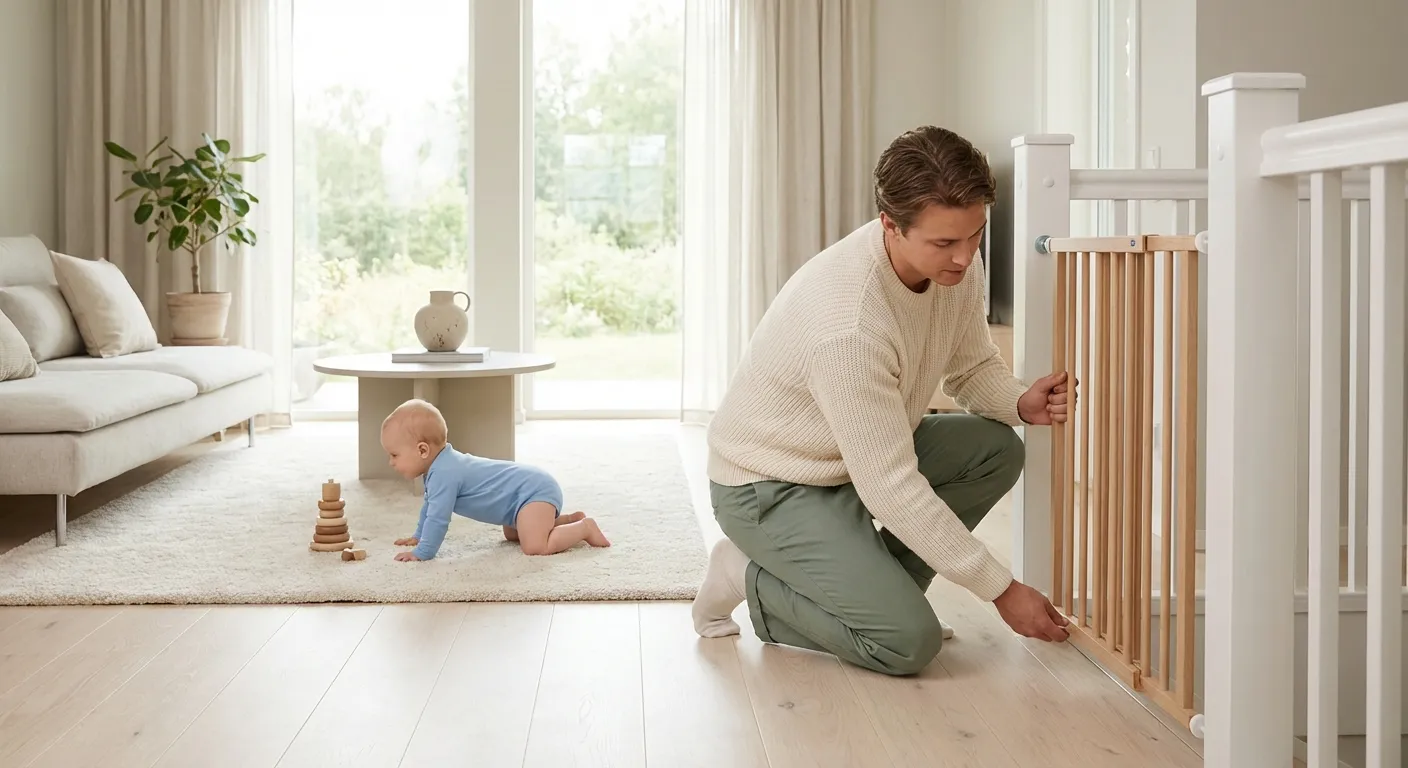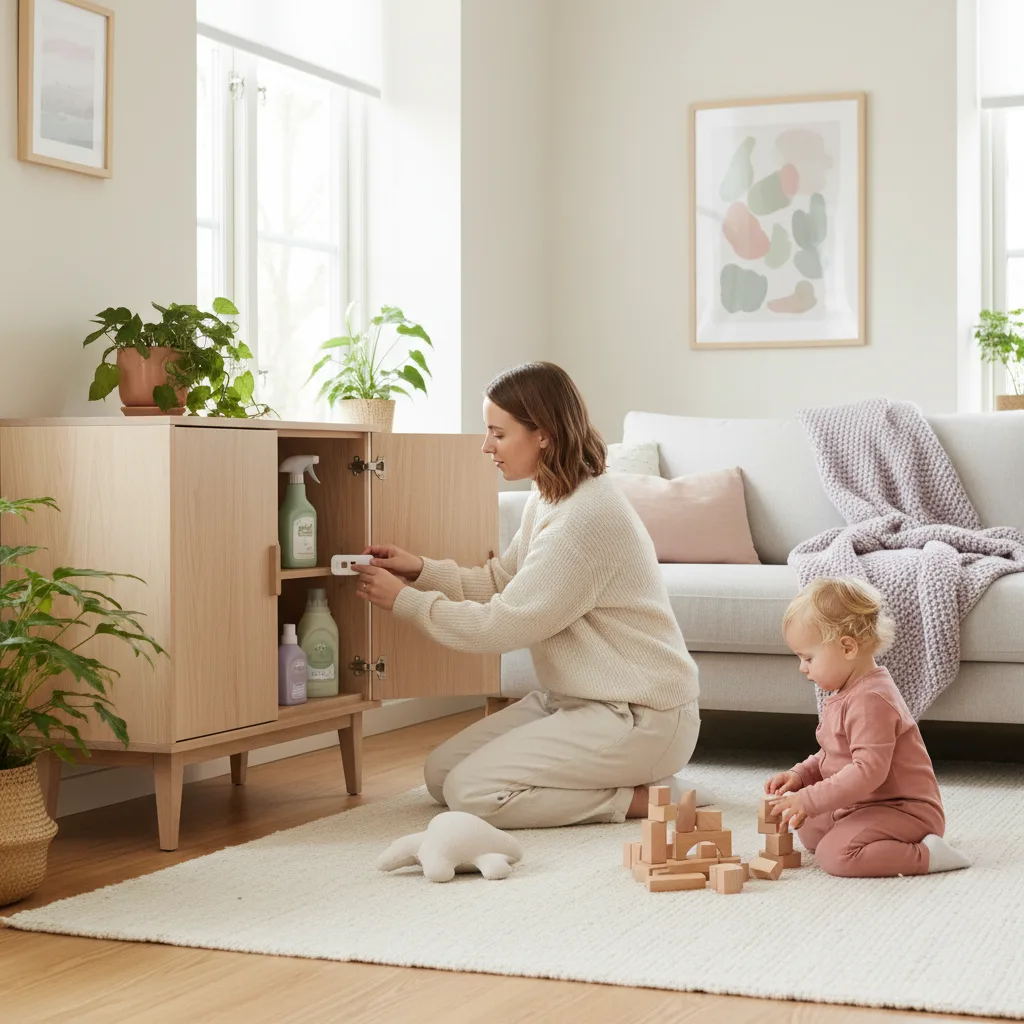
Toddlers explore the world with their mouths. They taste everything they find, from laundry detergent under the kitchen sink to colorful tablets in your bag. Poisoning is one of the most common accidents among children between 1 and 3 years old.
Most cases are mild, but some can become serious. Knowing how to prevent accidents and what to do if one occurs can make all the difference.
How common is poisoning in children?
Poison control centers handle hundreds of thousands of calls annually, and a large proportion involve children under 5. Children between 1 and 3 are most at risk because they:
- Actively explore their environment
- Put things in their mouths to taste and investigate
- Do not understand what is dangerous
- Can open cabinets, drawers, and packaging that is not secured
Most poisonings happen at home, in everyday situations.
What are children most commonly poisoned by?
Medications
Medications are the most common cause of serious poisoning in children. Especially dangerous are:
- Iron supplements, can cause serious poisoning in small doses
- Pain relievers (acetaminophen, ibuprofen), overdose is dangerous
- Heart and blood pressure medications, grandparents' medications are a typical source
- Sleeping pills and sedatives
Even a few tablets can be dangerous for a small child. Keep in mind that medications come in various colors, shapes, and sizes that may attract curious toddlers.
Cleaning products and chemicals
- Dishwasher pods and detergent (concentrated, highly caustic)
- Drain cleaner and oven cleaner (strongly corrosive)
- Bleach and chlorine products
- Hand sanitizer (contains alcohol)
Especially dangerous: Dishwasher pods, drain cleaners, and oven cleaners are corrosive and can cause serious damage to the mouth, throat, and esophagus. Even a small taste can be harmful.
Plants, berries, and mushrooms
Many common garden and houseplants are toxic:
- Lily of the valley, the entire plant is poisonous
- Foxglove (digitalis), can cause heart rhythm disturbances
- Laburnum, seeds are especially dangerous
- Belladonna / deadly nightshade, berries are highly toxic
- Poisonous mushrooms, death cap is life-threatening
Other common sources
- Nicotine products (nicotine pouches, e-cigarettes)
- Alcohol (including mouthwash and perfume)
- Lamp oils and lighter fluid
- Batteries (button cell batteries are especially dangerous)
First aid for poisoning
Call Poison Control immediately
In the US, call 1-800-222-1222 (Poison Control, available 24/7). In other countries, find your national poison control number and save it in your phone now. They provide expert assessment and advice on what you should do. Have ready:
- Your child's age and weight
- What the child ingested
- Approximately how much
- When it happened
- What symptoms the child has
Call emergency services (911) immediately if your child: - Is unconscious or difficult to wake up - Is having seizures - Has difficulty breathing - Has swallowed corrosive substances (drain cleaner, oven cleaner) - Has swallowed a button cell battery
What you SHOULD do
- Stay calm. Panic does not help your child.
- Remove any remaining substance from the mouth. Gently, without pushing anything further down.
- Identify the product. Have the packaging ready when you call.
- Call Poison Control for guidance.
- Follow the instructions you receive. Sometimes watching at home is sufficient.
- Give water or milk if Poison Control recommends it (can dilute certain substances).
What you should NOT do
- NEVER induce vomiting. This can worsen damage, especially with corrosive substances and petroleum products.
- Do NOT give activated charcoal without guidance from Poison Control.
- Do NOT wait for symptoms if your child has ingested something known to be dangerous, call immediately.
How to prevent poisoning
Prevention is always better than first aid. Most poisonings can be avoided with simple measures.
Medications
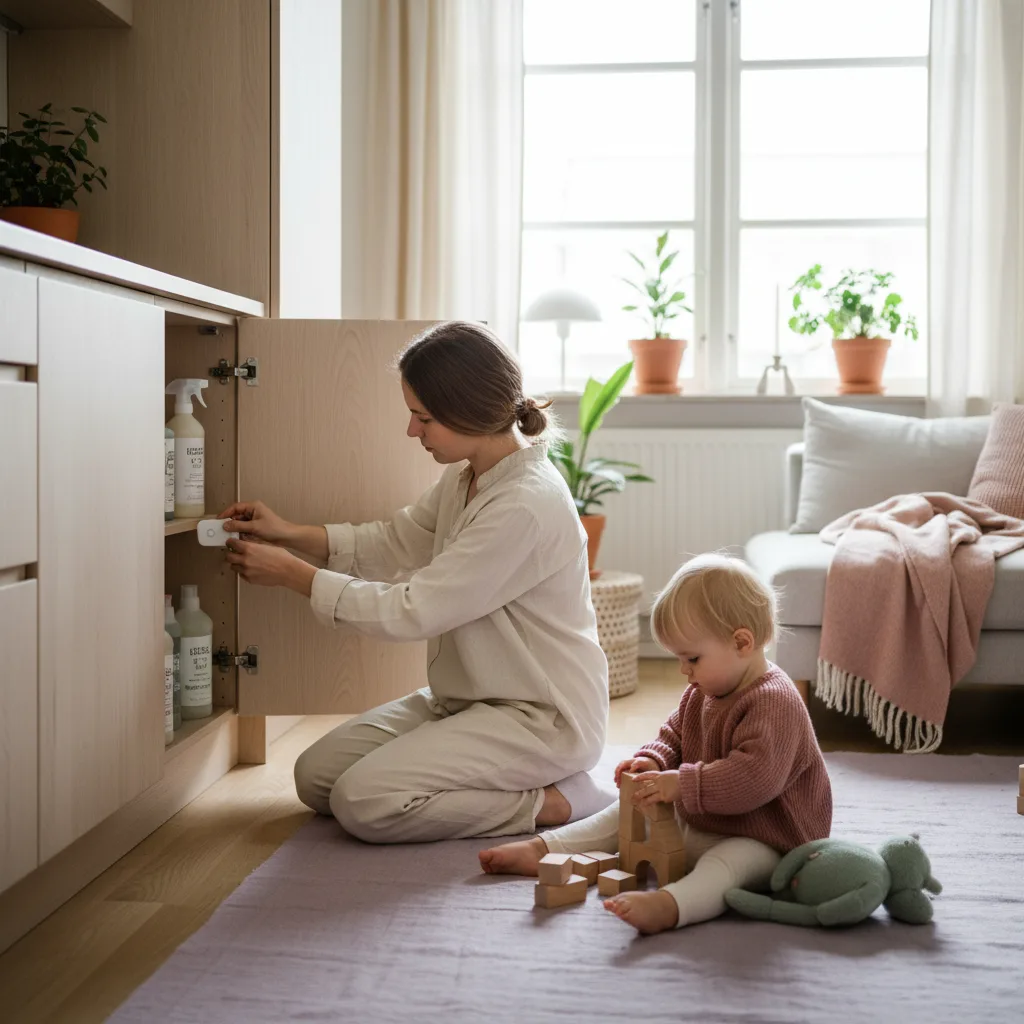
- Store all medications in a locked cabinet, out of children's reach
- Return medications to the cabinet immediately after use
- Use original packaging with child-resistant caps
- Be especially careful when visiting grandparents
- Clear out purses and bags that contain medication
Cleaning products and chemicals
- Install child safety locks on cabinets under sinks and in bathrooms
- Keep products in their original packaging, never in food containers or drink bottles
- Store dishwasher pods in a container with a child safety lock
- Lock away drain cleaners, oven cleaners, and other caustic products
- Place dangerous products high up, not just at the back of a cabinet
Plants
- Remove toxic houseplants or place them out of reach
- Learn which garden plants are poisonous
- Supervise children outdoors, teach them not to eat unknown berries
- Be especially careful in autumn when berries and mushrooms are tempting
Batteries
- Button cell batteries are life-threatening if swallowed, they can burn through the esophagus
- Secure battery compartment covers on remote controls and toys
- Dispose of used batteries immediately in appropriate recycling containers
Safety checklist: Go through your home room by room to identify and eliminate hazards. Add childproofing supplies to your shopping list and tackle one room at a time.
Age and risk level
0–6 months
Low risk. The baby cannot move independently. Still, be careful about what is placed within reach.
6–12 months
Increasing risk. The baby crawls, grabs, and puts everything in their mouth. Secure floor level and low cabinets.
1–3 years
Highest risk. The child climbs, opens cabinets and doors, and is extremely curious. Full childproofing is necessary.
3–5 years
Still vulnerable. The child can now reach higher, but gradually begins to understand simple explanations about what is dangerous.
Frequently asked questions
My child ate a small amount of hand cream, is it dangerous?
Most cosmetic products such as hand cream, lip balm, and body lotion pose little poisoning risk in small amounts. Still, call Poison Control for an assessment if you are unsure.
Should I keep activated charcoal at home?
Poison Control does not recommend giving activated charcoal on your own initiative. Charcoal only works against certain types of poisoning and can make others worse. Always follow the guidance you receive from Poison Control.
My child eats dirt and sand, is it dangerous?
A little dirt and sand is usually harmless, though it can cause stomach discomfort. Be aware of soil from areas that may be contaminated (near roads, industrial areas) and watch out for animal feces in sand.
What should I do if my child gets corrosive material in their eyes?
Rinse the eyes with lukewarm water for at least 15 minutes, holding the eye open while rinsing. Call emergency services or go to urgent care immediately.
Summary
- Poisoning in children is most common between 1 and 3 years
- Medications and cleaning products are the most frequent causes
- Call Poison Control immediately upon suspicion (save your local number now)
- Never induce vomiting
- Childproofing and prevention are the most important measures
Further reading
- Childproofing your home, room by room guide
- First aid for infants and children
- What to have in your home first aid kit
Sources: American Association of Poison Control Centers (AAPCC), American Academy of Pediatrics (AAP), Safe Kids Worldwide
Last updated: March 2026
Sources
- AAP. Child safety and injury prevention
- CDC. Child injury prevention resources
- WHO. Reducing child mortality globally
🔧 Helpful Tools
- Baby Milestones Tracker. Track your baby's developmental milestones
- All Baby Tools. Browse all free tools for pregnancy and baby care
📖 Related Articles
- Childproofing Your Home: A Room-by-Room Guide. Complete guide to childproofing your home. Checklist for every room, adapted to your child's age. Based on AAP and CPSC safety guidelines.
- First Aid for Infants and Children: CPR and Choking. Learn CPR for babies and children, what to do in a choking emergency, and when to call 911. Step-by-step guidance based on international first aid guidelines.
- Toddlers and Dogs: Safety and Safe Interaction. How to create safe interaction between toddlers and dogs. Teach children to read a dog's signals and prevent accidents.