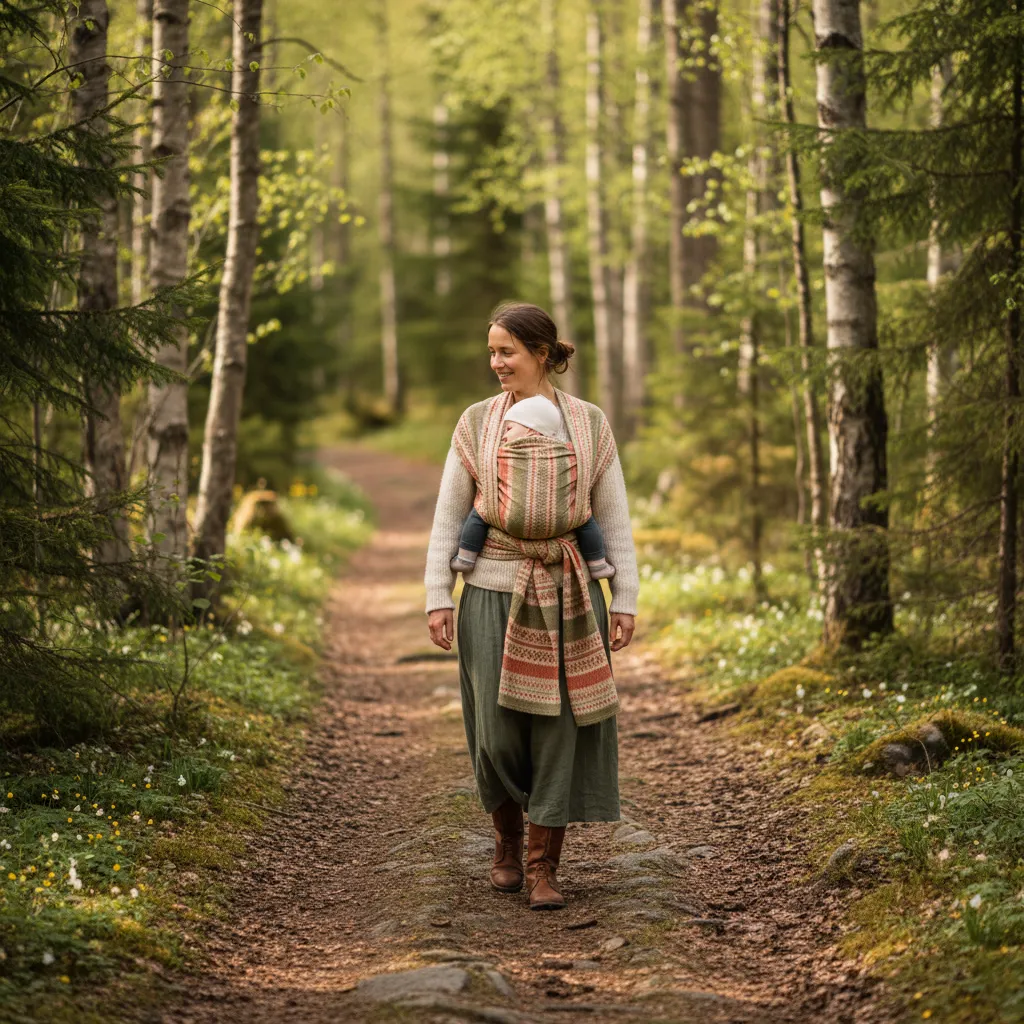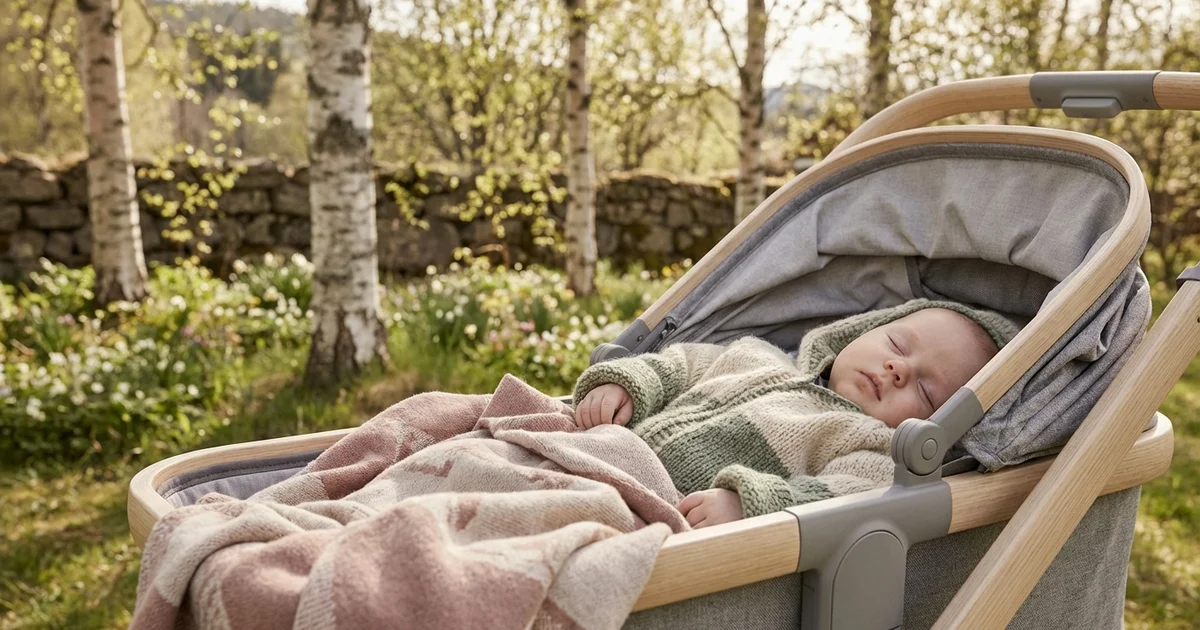
In Scandinavia, it is completely normal to let a baby sleep outside in a stroller, in the middle of winter. For many people it seems almost unbelievable, but for Nordic parents, outdoor napping is a natural part of daily life.
Here is a complete guide to outdoor napping with a baby: when you can start, how cold it can be, and how to do it safely.
Why do Scandinavian babies nap outside?
Outdoor napping is a Scandinavian tradition going back generations. Strollers full of sleeping babies outside cafes and daycares is an everyday sight in Norway, Sweden, Denmark and Finland.
The tradition is built on a simple idea: fresh air is good for children. And research backs parents up.
A study from the University of Oulu in Finland showed that children who nap outside regularly sleep longer naps than children who only sleep indoors. Parents also reported that their babies fell asleep faster outside.
Pediatric guidance: According to leading pediatric health organizations, it is safe to let your baby nap outside as long as you dress them properly and monitor the temperature. Many daycares in Scandinavian countries practice outdoor napping for the youngest children.
Benefits of outdoor napping
There are several reasons why outdoor napping has endured as a tradition.
Longer and deeper naps. Many parents find that their baby sleeps longer outside than indoors. The fresh air and steady temperature seem to produce calmer sleep.
Fresh air. Outside, the air is cleaner than in heated rooms. This gives the baby better air quality to breathe while sleeping.
Natural daylight. Exposure to natural light during the day helps the baby develop their circadian rhythm. Especially useful in the first months.
More flexible daily routine. When the baby naps outside in the stroller, you can take a walk, sit at a cafe or run errands. It gives flexibility in everyday life.
Want to track whether your baby sleeps better outside? Sleep tracker lets you log sleep and compare, so you can see the pattern over time.
When can you start outdoor napping?
Most pediatricians recommend waiting until the baby is 2-3 weeks old before starting outdoor napping. The baby needs a little time to adjust to life outside the womb.
Start with short sessions of 20-30 minutes in mild weather. Increase gradually as you and the baby become more comfortable.
For premature babies: Speak with your pediatrician first. Premature babies may need more time before they are ready for outdoor napping, depending on birth weight and maturity.
Temperature limits for outdoor napping
Temperature is what everyone wonders about. How cold can it be?
| Temperature | Recommendation |
|---|---|
| Above 32°F (0°C) | No issues with normal clothing |
| 32°F to 14°F (0°C to -10°C) | Safe with a good stroller sleeping bag, wool layers and wind shield |
| Below 14°F (-10°C) | Avoid outdoor napping or keep it short (max 30 min) |
| Below 5°F (-15°C) | Not recommended for babies |
The general rule is -10°C (14°F) as the lower limit. Pediatric guidelines recommend that the baby can sleep outside as long as the temperature does not drop below -10°C and there is not much wind.
Use a thermometer in the stroller. A simple thermometer attached inside the sleeping bag shows the actual temperature the baby experiences. It is often much warmer than the outside temperature.
Wind chill counts
Remember that wind makes the perceived temperature lower. -5°C (23°F) with strong wind can feel like -15°C (5°F). Always use a wind shield on the stroller in cold weather, and position the stroller sheltered from the wind.
Check the baby during the nap
Feel the baby's neck or chest to assess temperature. The skin should feel warm and dry. Cold hands and feet are normal and not a sign that the baby is cold.
Check the baby every 15-20 minutes in cold weather. If the skin is cold on the chest, the baby is too cold, bring them inside.
Clothing guide for outdoor napping
Layering is the key. Several thin layers insulate better than one thick layer, and you can adjust for weather and temperature.
Winter (below 32°F / 0°C)
- Base layer: Wool onesie and wool pants (or wool suit)
- Middle layer: Wool sweater or fleece suit
- Outer layer: Good stroller sleeping bag (at least 1 tog of warmth)
- Head: Wool hat covering the ears
- Feet: Wool socks
- In the stroller: Insulated liner, ideally lambskin or wool mattress
Spring and autumn (32–60°F / 0–15°C)
- Base layer: Wool onesie or cotton onesie
- Middle layer: Thinner fleece or wool suit
- Outer layer: Lighter sleeping bag or blanket
- Head: Thin hat if needed
Summer (above 60°F / 15°C)
- Base layer: Light cotton onesie
- Outer layer: Light blanket or thin duvet
- Head: Sun hat if the sun is strong
- Sun protection: Parasol or shade over the stroller
- Insect net: Protect against mosquitoes and wasps
Rule of thumb: The baby needs one layer more than you. If you are wearing a jacket, the baby needs a jacket plus a sleeping bag.
Unsure what your baby needs to wear through the year? See Baby clothing by season for a complete overview.
Safety during outdoor napping
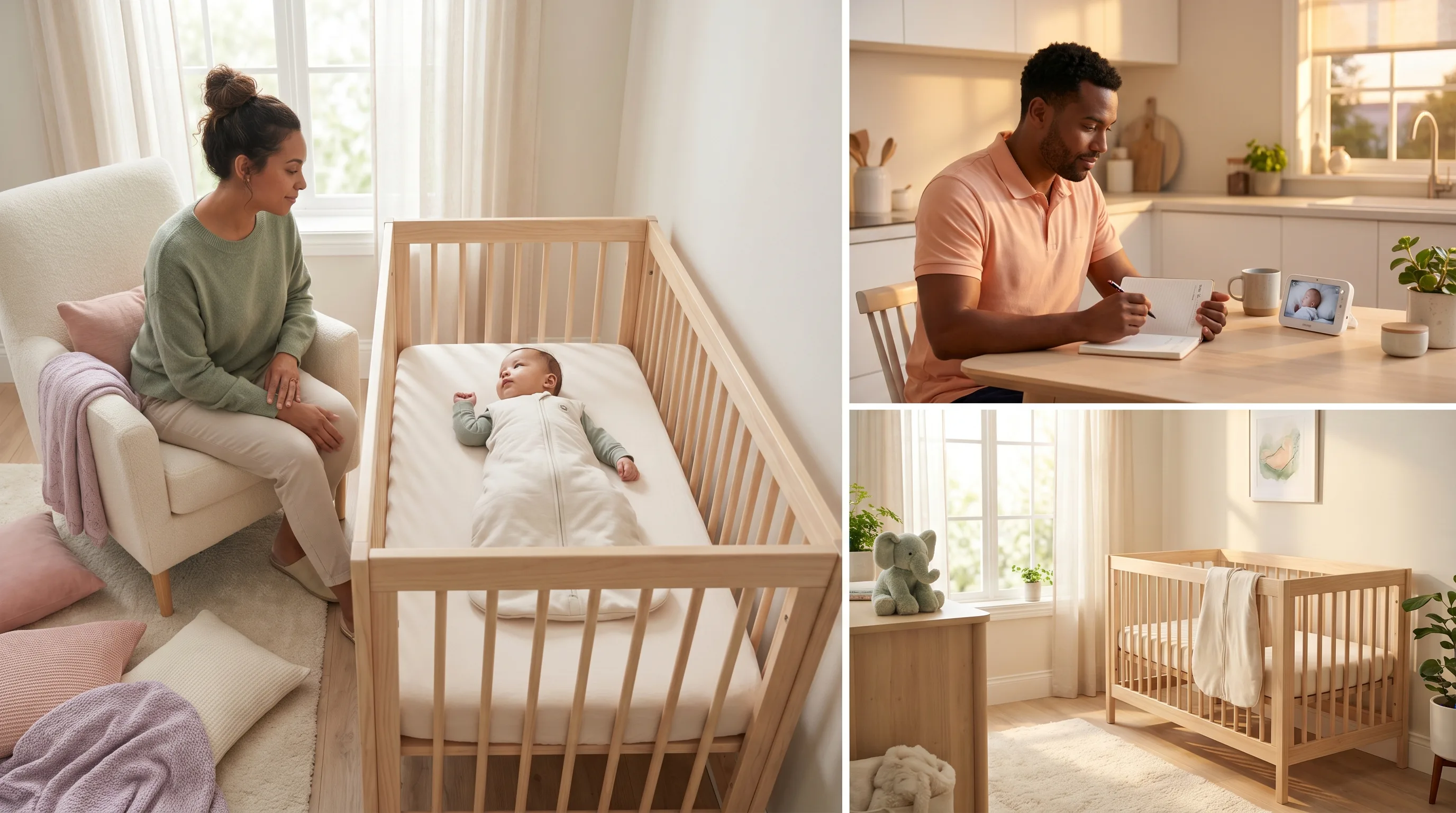
Outdoor napping is safe when you follow a few simple rules. The same principles for safe sleep for babies apply outside as inside.
Positioning the stroller
- Place the stroller on a flat, stable surface
- Avoid direct sun in summer
- Use a wind shield in cold weather or wind
- Don't place the stroller under roof overhangs with risk of icicles or snow
- Use a reflector on the stroller in the dark
Sleep position and equipment
The baby should lie on their back, just as with all other sleep. Do not use extra pillows or loose blankets that could cover the face. Use the stroller's harness as intended.
Need a new stroller? Here is a guide to choosing the right stroller.
Keep an eye on the baby
- Check the baby regularly (every 15-20 minutes in cold weather)
- Use a baby monitor with camera if the stroller is outside
- Be aware of changing weather (sudden wind, rain, snow)
Warning signs to know
End the outdoor nap and bring the baby inside if you notice:
- Cold neck and chest, sign of hypothermia
- Pale or bluish skin on nose, ears or cheeks
- Unusually limp or unresponsive baby
- Fever or illness, keep the baby inside until general condition improves
If you suspect hypothermia: Bring the baby inside, remove wet clothing, hold skin-to-skin and cover with blankets. Contact emergency services if the baby has a low body temperature or is unusually limp.
Outdoor napping at daycare
Most daycares in Scandinavian countries let the youngest children nap outside in strollers. This practice has been common for several decades and is part of the daycare tradition.
Daycares follow strict routines: children are checked regularly, dressed according to temperature, and brought inside when it is too cold. Many daycares have dedicated stroller parking areas sheltered from the wind.
If your child will soon start daycare, it can be useful to get the baby used to outdoor napping at home first. This will make the transition easier.
Outdoor napping with a cold
A sniffly baby can usually nap outside as normal. Fresh air can help with a stuffy nose. The exception is a clear fever or poor general condition, then the baby should be kept inside.
Frequently asked questions about outdoor napping
Is outdoor napping safe for newborns?
Yes, from when the baby is 2-3 weeks old and of normal weight. Start with short sessions in mild weather and increase gradually. Follow the same safe sleep rules as for indoor sleep.
How cold can it be?
Down to -10°C (14°F) is fine with the right equipment. Below -10°C you should limit the time outside, and below -15°C (5°F) it is not recommended. Use a thermometer in the stroller to measure the actual temperature the baby experiences.
How long can the baby nap outside?
There is no fixed limit. In comfortable temperatures the baby can sleep their entire nap outside, often 1-3 hours. In extreme cold, limit the time to a maximum of 30-60 minutes.
What if the baby won't sleep outside?
Some babies need time to adjust. Try putting the baby outside when they are already drowsy. A walk with steady movement can help the baby fall asleep.
Can the baby sleep outside at night?
Outdoor napping is recommended during the day with supervision. At night it is harder to check the baby regularly, and the temperature can drop quickly.
Build good sleep routines, outside and inside
Outdoor napping can become a natural part of your baby's sleep routine. Many parents schedule a regular outdoor nap in the morning, often combined with a walk.
A consistent routine helps the baby understand when it is sleep time. Over time, the baby will associate the stroller and fresh air with sleep, and fall asleep faster.
Log your baby's outdoor naps with Sleep Tracker, see if your baby sleeps longer and better outside. Over time you build up a picture of what works best for your specific baby.
Outdoor napping is one of the finest Scandinavian traditions. Rosy cheeks, fresh air in the lungs and a baby sleeping like a dream. It's hard to beat.
Sources
- HealthyChildren.org. AAP Safe Sleep Guidelines
- WHO. Caring for newborns
- CDC. Safe Sleep for Babies
- Tourula, M. et al. (2008). "Napping outdoors in winter and Nordic infants." University of Oulu, Finland.
- La Leche League. Baby Sleep
🔧 Helpful Tools
- Baby Sleep Tracker. Track and optimize your baby's sleep
- Soothing Sounds. White noise and soothing sounds to help your baby sleep
- All Baby Tools. Browse all free tools for pregnancy and baby care