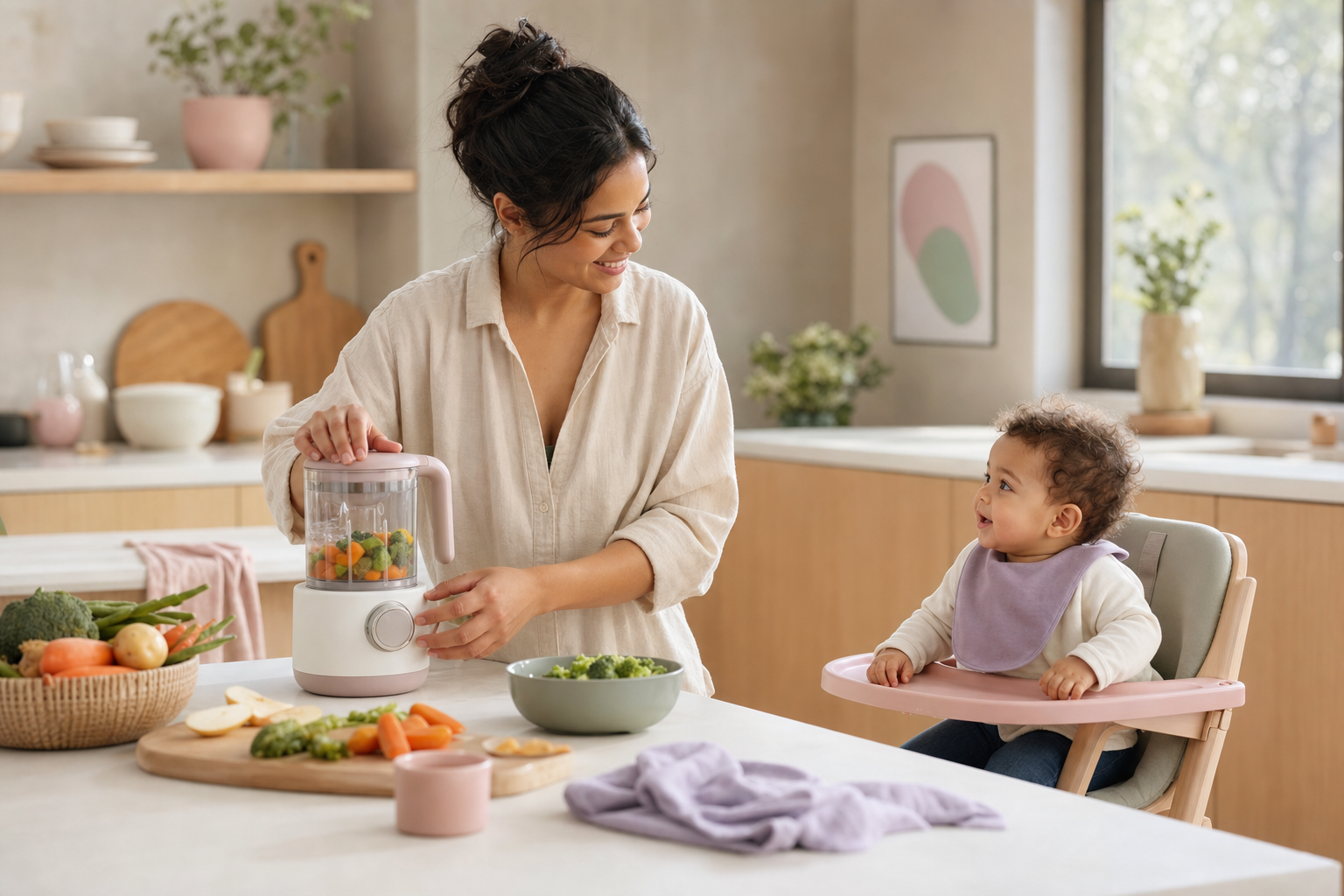
Eating well as a family doesn't have to be complicated. With a little planning and some go-to recipes, you can serve nutritious, balanced dinners that both children and adults will enjoy, even on busy weekdays.
These 15 dinner ideas are based on dietary guidelines from the WHO and the American Academy of Pediatrics (AAP), and cover a range of fish meals, meat and legume dishes, and egg and dairy options so you get natural variety throughout the week.
Aim for fish at least twice a week, varied protein sources, and plenty of vegetables. Whole grains over refined grains wherever possible. Small, consistent changes add up to big improvements over time.
Why Healthy Dinners Matter for the Whole Family
Dinner is often the one meal the whole family eats together. Research from the AAP shows that regular family dinners are linked to better nutrition in children, improved communication, and lower risk of eating disorders and obesity.
What you serve at the dinner table shapes your children's food preferences for life, and that's actually good news, because children who grow up eating varied, vegetable-rich dinners are far more likely to maintain those habits as adults.
What Does a Balanced Dinner Look Like?
A well-balanced dinner for families generally follows this structure:
- Half the plate: vegetables (raw, cooked, or in sauces)
- Quarter of the plate: protein (fish, meat, legumes, eggs)
- Quarter of the plate: starchy foods (whole grain pasta, rice, potatoes, bread)
- Plus: healthy fats (olive oil, fatty fish, avocado, nuts)

Fish Meals (Aim for 2–3 Times Per Week)
Fatty fish like salmon, mackerel, and herring are among the most nutrient-dense foods you can eat. They're rich in omega-3 fatty acids, vitamin D, iodine, and selenium, all critical for children's brain development and general health.
1. Baked Salmon with Sweet Potato and Broccoli
One of the easiest and most popular family dinners. Salmon is rich in omega-3s and vitamin D.
You'll need (4 servings):
- 600 g salmon fillet
- 4 medium sweet potatoes
- 1 large head of broccoli
- Olive oil, salt, pepper, lemon
How to make it:
- Preheat oven to 200°C (390°F).
- Cut sweet potatoes into wedges, toss with olive oil and salt.
- Roast for 20 minutes, then add broccoli florets and salmon.
- Bake for another 15–18 minutes until salmon is cooked through.
- Serve with lemon wedges.
Nutritional highlights: Omega-3 fatty acids, vitamin D, beta-carotene, vitamin C, fiber.
2. Fish Soup with Seasonal Vegetables
A warming, mild soup that most kids love, and a great way to use whatever vegetables you have on hand.
You'll need (4 servings):
- 500 g white fish (cod, pollock, or haddock)
- 1 liter fish or vegetable stock
- 3 medium potatoes, diced
- 2 carrots, sliced
- 1 leek, sliced
- 100 ml cream or coconut cream
- Fresh dill
How to make it:
- Bring stock to a boil. Add potatoes and carrots, cook for 10 minutes.
- Add leek and cook 5 more minutes.
- Add fish in chunks and simmer gently for 5–7 minutes.
- Stir in cream, season, and serve with fresh dill and crusty bread.
3. Mackerel in Tomato Sauce with Whole Grain Pasta
Canned mackerel in tomato sauce is an underrated weeknight hero, affordable, quick, and packed with nutrition.
You'll need (4 servings):
- 2 cans mackerel in tomato sauce
- 350 g whole grain pasta
- 1 can crushed tomatoes
- 1 onion, finely chopped
- 2 garlic cloves, minced
- Fresh basil, grated Parmesan
How to make it:
- Cook pasta according to package directions.
- Sauté onion and garlic in olive oil for 5 minutes.
- Add crushed tomatoes and mackerel, stir gently and heat through.
- Toss with pasta and top with Parmesan and basil.
4. Fish Cakes with Cucumber Salad
Homemade fish cakes are a crowd-pleaser for kids and adults alike, and easy to batch-cook and freeze.
You'll need (4 servings):
- 500 g white fish fillet (cod or pollock)
- 2 eggs
- 3 tbsp breadcrumbs (whole grain)
- 1 tbsp Dijon mustard
- Fresh chives, salt, pepper
- Butter or oil for frying
How to make it:
- Blend or finely chop fish.
- Mix with eggs, breadcrumbs, mustard, and chives.
- Form into patties and fry over medium heat, 3–4 minutes per side.
- Serve with cucumber salad and boiled new potatoes.
5. Baked Cod with Vegetables and Lemon Butter
Simple and elegant, perfect for a slightly more special weeknight dinner.
You'll need (4 servings):
- 600 g cod fillet
- 1 zucchini, sliced
- 2 bell peppers, sliced
- Cherry tomatoes
- 50 g butter, melted with lemon juice and herbs
- Salt, pepper
How to make it:
- Preheat oven to 200°C (390°F).
- Place vegetables in a roasting tin, season and roast for 15 minutes.
- Add cod fillets on top, pour over lemon butter.
- Bake 15 more minutes until fish flakes easily.
Meat and Legume Meals
Red meat can be part of a healthy diet in moderate amounts. The WHO recommends limiting processed meat and red meat to a few servings per week, complemented by plenty of plant-based protein from legumes.
6. Chicken and Vegetable Stir-Fry with Brown Rice
Fast, colorful, and easy to adapt to whatever vegetables you have.
You'll need (4 servings):
- 500 g chicken breast, sliced
- 300 g brown rice
- 2 bell peppers, mixed colors
- 200 g snap peas or broccoli
- 3 tbsp soy sauce (low sodium)
- 1 tbsp sesame oil
- 2 garlic cloves, 1 tbsp fresh ginger
How to make it:
- Cook rice. Stir-fry chicken in a hot wok with a little oil until cooked through.
- Add garlic and ginger, stir 1 minute.
- Add vegetables and stir-fry 3–4 minutes, keep them crisp.
- Season with soy sauce and sesame oil. Serve over rice.
7. Lentil Soup with Vegetables
Lentils are one of the most nutritious and affordable foods on the planet, rich in plant protein, iron, and fiber.
You'll need (4 servings):
- 300 g red lentils
- 1.2 liters vegetable stock
- 2 carrots, 2 stalks celery, 1 onion, all diced
- 2 garlic cloves
- 1 tsp cumin, 1 tsp turmeric
- Lemon juice, fresh parsley
How to make it:
- Sauté onion, carrots, and celery in olive oil until soft.
- Add garlic and spices, cook 1 minute.
- Add lentils and stock, bring to a boil.
- Simmer 20–25 minutes until lentils are soft.
- Season, add lemon juice, and serve with bread.
8. Meatballs with Whole Grain Pasta and Tomato Sauce
A classic that almost every child loves. Using lean ground beef or turkey keeps it lighter.
You'll need (4 servings):
- 500 g lean ground beef or turkey
- 1 egg, 3 tbsp breadcrumbs, salt, pepper, Italian herbs
- 1 jar passata or 2 cans crushed tomatoes
- 1 onion, 2 garlic cloves
- 350 g whole grain spaghetti or penne
How to make it:
- Mix meat with egg, breadcrumbs, and seasoning. Form into small balls.
- Brown meatballs in a pan, set aside.
- Sauté onion and garlic, add tomatoes and simmer 15 minutes.
- Add meatballs back to sauce and simmer 10 more minutes.
- Serve with pasta and Parmesan.
9. Chicken and Bean Burrito Bowls
A deconstructed burrito bowl is easy to customize for each family member and a great way to incorporate legumes.
You'll need (4 servings):
- 400 g chicken thigh or breast
- 1 can black beans, rinsed
- 1 can corn
- 2 cups brown rice or quinoa
- Salsa, guacamole, shredded cheese, lime
- Spices: cumin, smoked paprika, garlic powder
How to make it:
- Season chicken and grill or pan-fry until cooked through. Slice.
- Cook rice or quinoa.
- Warm beans with a pinch of cumin.
- Assemble bowls with rice, beans, chicken, corn, salsa, and guacamole.
10. Vegetable Chili with Kidney Beans
A hearty, satisfying meat-free dinner that even non-vegetarians love.
You'll need (4 servings):
- 2 cans kidney beans
- 1 can chickpeas
- 2 cans crushed tomatoes
- 1 onion, 2 bell peppers, 2 garlic cloves
- 1 tsp chili powder, 1 tsp cumin, 1 tsp smoked paprika
- Sour cream and grated cheese to serve
How to make it:
- Sauté onion, peppers, and garlic.
- Add spices, tomatoes, and beans.
- Simmer 25 minutes, stirring occasionally.
- Serve with brown rice or crusty bread and toppings.
Egg and Dairy Meals
Eggs are one of the most nutritionally complete foods available, rich in protein, choline, vitamin D, and B12. Dairy products contribute calcium, protein, and iodine.
11. Frittata with Vegetables and Cheese
A frittata is essentially an Italian baked omelette, endlessly versatile and great for using up whatever vegetables are in the fridge.
You'll need (4 servings):
- 8 eggs
- 100 ml milk
- 1 zucchini, 1 red bell pepper, handful of spinach
- 100 g feta or cheddar cheese
- Olive oil, salt, pepper, fresh herbs
How to make it:
- Whisk eggs with milk, salt, and pepper.
- Sauté vegetables in an oven-safe pan.
- Pour egg mixture over vegetables and top with cheese.
- Cook on stovetop until edges set (5 min), then bake at 200°C for 10–12 minutes.
12. Whole Grain Pancakes with Smoked Salmon and Crème Fraîche
A brunch-style dinner that feels a little special, kids love pancakes any time of day.
You'll need (4 servings):
- 300 g whole grain flour
- 2 eggs, 400 ml milk, pinch of salt
- 200 g smoked salmon
- 200 ml crème fraîche or Greek yogurt
- Capers, red onion, fresh dill, lemon
How to make it:
- Mix batter and rest 10 minutes.
- Cook pancakes in a lightly buttered pan.
- Serve stacked with smoked salmon, crème fraîche, and toppings.
13. Egg and Vegetable Fried Rice
A great way to use up leftover rice, quick, filling, and packed with vegetables.
You'll need (4 servings):
- 400 g cooked brown rice (day-old works best)
- 4 eggs
- 200 g frozen peas and corn
- 2 carrots, grated
- 3 tbsp low-sodium soy sauce
- Sesame oil, garlic, spring onions
How to make it:
- Scramble eggs in a wok, set aside.
- Fry garlic and carrots 2 minutes.
- Add rice and stir-fry on high heat until slightly crispy.
- Add peas, corn, eggs, and soy sauce. Stir to combine.
- Finish with sesame oil and spring onions.
14. Baked Eggs in Tomato Sauce (Shakshuka)
A Middle Eastern classic that's become a family favorite around the world, and it comes together in one pan.
You'll need (4 servings):
- 8 eggs
- 2 cans crushed tomatoes
- 1 onion, 2 garlic cloves, 1 red bell pepper
- 1 tsp cumin, 1 tsp paprika, pinch of chili flakes
- Feta cheese, fresh parsley
- Crusty bread to serve
How to make it:
- Sauté onion, pepper, and garlic until soft.
- Add spices and tomatoes, simmer 10 minutes.
- Make wells in the sauce and crack in eggs.
- Cover and cook until whites are set but yolks still runny (8–10 min).
- Top with feta and parsley. Serve with bread.
15. Cottage Cheese and Vegetable Pasta Bake
Creamy, comforting, and secretly nutritious, this pasta bake is a great way to sneak in extra protein and vegetables.
You'll need (4 servings):
- 350 g whole grain pasta
- 500 g cottage cheese
- 2 eggs
- 200 g spinach (fresh or frozen)
- 100 g grated mozzarella
- 1 jar tomato pasta sauce
- Salt, pepper, dried oregano, garlic powder
How to make it:
- Cook pasta to al dente, drain.
- Mix cottage cheese, eggs, spinach, and seasoning.
- Combine with pasta and tomato sauce.
- Pour into a baking dish, top with mozzarella.
- Bake at 190°C (375°F) for 25–30 minutes until golden and bubbling.
Sample Weekly Menu Plan
Here's a balanced weekly dinner plan that incorporates all three meal categories:
| Day | Dinner | Category |
|---|---|---|
| Monday | Baked Salmon with Sweet Potato | Fish |
| Tuesday | Chicken and Vegetable Stir-Fry | Meat/Poultry |
| Wednesday | Lentil Soup with Vegetables | Legumes |
| Thursday | Fish Cakes with Cucumber Salad | Fish |
| Friday | Meatballs with Whole Grain Pasta | Meat |
| Saturday | Frittata with Vegetables and Cheese | Eggs/Dairy |
| Sunday | Vegetable Chili with Kidney Beans | Legumes |
This plan gives you 2 fish meals, 2 meat/poultry meals, 2 legume meals, and 1 egg/dairy meal per week, in line with WHO dietary recommendations for families.
Tips for Getting Kids to Eat Healthier
Getting children to accept new foods is one of the biggest challenges in family nutrition. Here are evidence-based strategies that actually work:
1. Involve Kids in Cooking
Children are significantly more likely to eat food they've helped prepare. Even toddlers can wash vegetables, stir batter, or tear lettuce. Older kids can measure ingredients, peel carrots, or follow simple recipe steps.
2. Serve New Foods Alongside Familiar Favorites
Introducing a new vegetable? Put it on the plate next to something your child already loves. No pressure to eat it, just exposure. Research shows that children may need to see a new food 10–15 times before accepting it. Be patient.
3. Make Vegetables Visible and Appealing
Cut vegetables into interesting shapes, use dips like hummus or yogurt, add color to the plate. Children eat with their eyes first. A colorful plate is inherently more appealing than a beige one.
4. Avoid the "Clean Plate" Rule
Pressuring children to eat everything on their plate backfires. It teaches them to override their natural hunger signals, which is associated with overeating later in life. Instead, offer a variety of foods and let children decide how much to eat (Division of Responsibility, developed by dietitian Ellyn Satter).
5. Eat Together
Children learn by watching. When they see adults enjoying vegetables and fish, they're much more likely to try them. Family meals matter beyond nutrition, they're also one of the strongest protective factors for children's mental health.
6. Be Consistent, Not Forceful
Offer a variety of foods consistently, without pressure. "You don't have to eat it, but it'll be there if you want to try it." This approach builds food acceptance far more effectively than cajoling or rewarding.
7. Hide Vegetables Strategically (When Needed)
Blending spinach into smoothies, adding grated zucchini to meatballs, or mixing pureed butternut squash into pasta sauce are all legitimate strategies, especially for very young or picky eaters. This shouldn't replace exposure to whole vegetables, but it's a helpful bridge.
Nutritional Tips for Families with Babies and Toddlers
If you have a baby or toddler at the table alongside older children, here are a few key points:
- Babies under 1: No honey, no added salt or sugar, no cow's milk as a drink (though dairy in cooking is fine after 6 months).
- Iron is critical: Especially for babies 6–12 months. Prioritize iron-rich foods like meat, fish, lentils, and fortified cereals.
- Toddlers and fats: Toddlers under 2 need full-fat dairy, don't switch to low-fat products.
- Omega-3 for brain development: Fatty fish 1–2 times per week is one of the best things you can do for young children's cognitive development.
For more guidance on introducing solid foods, see our complete guide to starting solids.
Frequently Asked Questions
How much fish should children eat per week?
The AAP recommends children eat fish 2–3 times per week. Choose low-mercury options like salmon, cod, pollock, herring, and sardines. Avoid high-mercury fish (shark, swordfish, king mackerel, tilefish) for young children.
Is it okay to serve the same meals every week?
Yes, routine actually helps many children feel more comfortable with food. A rotating weekly menu reduces decision fatigue and means you can batch-cook and prep ingredients efficiently. Variety within a routine is the sweet spot.
How do I get my child to eat more vegetables?
Consistency, exposure, and patience. Offer vegetables at every meal, eat them yourself with visible enjoyment, involve children in choosing and preparing them, and never make eating them a battle. Over time, most children expand their acceptance.
Can toddlers eat spicy food?
Mild spices (cumin, turmeric, paprika, mild curry) are completely fine for toddlers. Genuinely hot spice is uncomfortable for young children, keep it mild and build tolerance gradually.
What are the best whole grains for kids?
Whole grain pasta, brown rice, oats, quinoa, whole grain bread, and barley are all excellent. Whole grains provide more fiber, B vitamins, and minerals than refined grains, and they help children feel full for longer.
Sources
- World Health Organization (WHO): Healthy diet guidelines
- American Academy of Pediatrics (AAP): Feeding & Nutrition
- Centers for Disease Control and Prevention (CDC): Child nutrition
- Ellyn Satter Institute: Division of Responsibility in Feeding
Want more meal planning inspiration? Browse our family nutrition articles or try our meal planning tool to create a personalized weekly menu for your family.
🔧 Helpful Tools
- Baby Food Guide. Safe foods and introduction schedule for your baby
- Breastfeeding Tracker. Log feeds, track supply, and monitor nursing sessions
- All Baby Tools. Browse all free tools for pregnancy and baby care