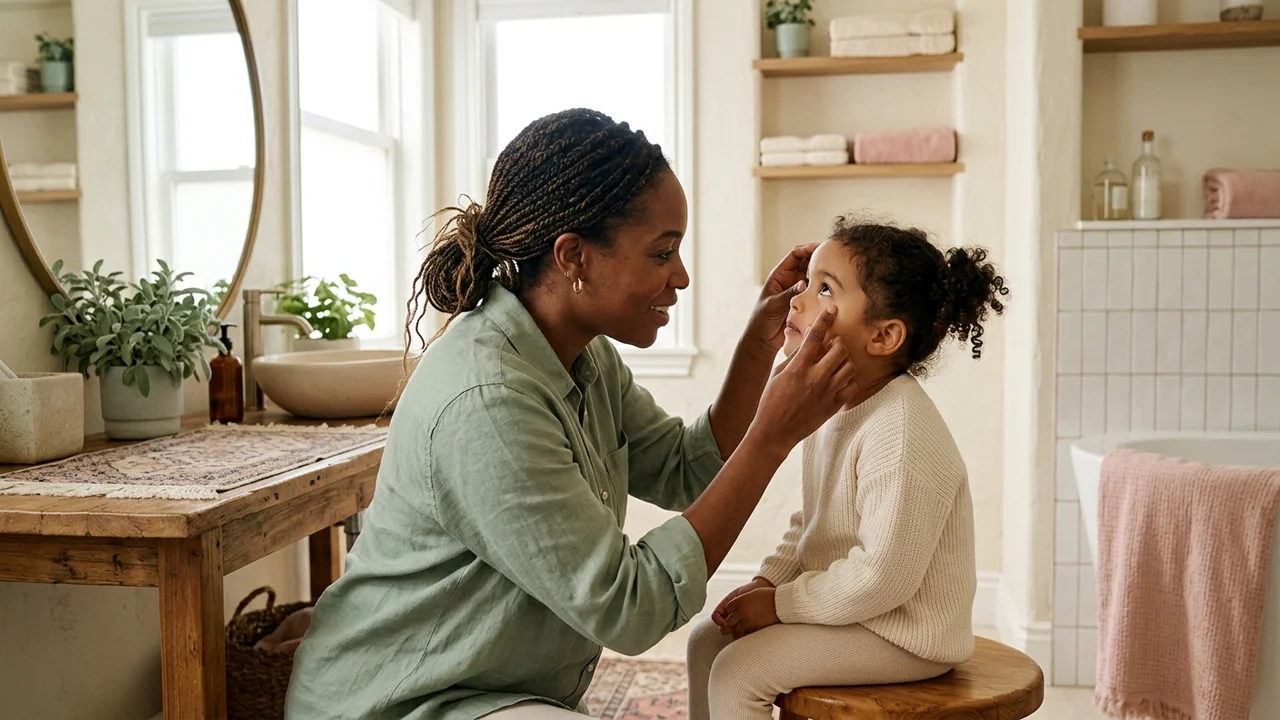
Your child has strange spots on their tummy, and you are wondering if it could be chickenpox? You are far from alone. Chickenpox is one of the most common childhood illnesses, and most children will get it at some point during their early years.
Although chickenpox is usually harmless for healthy children, it is important to know what to look for, how to relieve symptoms, and when you actually need to contact a doctor. This guide gives you everything you need to know about chickenpox in children and babies, based on updated guidelines from the CDC and AAP.
What Is Chickenpox?
Chickenpox (varicella) is a highly contagious viral illness caused by the varicella-zoster virus. The disease is characterized by an itchy rash with fluid-filled blisters, often combined with mild fever and general malaise.
The vast majority of children only get chickenpox once in their lives. After recovering from the illness, you generally have lifelong immunity. The virus does not disappear from the body entirely, but remains dormant in nerve cells near the spinal cord. In some people, the virus can be reactivated later in life and cause shingles (herpes zoster).
Chickenpox is most common in children between 1 and 10 years. The course of illness is usually mild to moderate in otherwise healthy children, and most recover within 7–10 days.
Chickenpox Symptoms in Children
Symptoms of chickenpox develop gradually and can vary from child to child. Here is the typical course:
Early Signs (1–2 Days Before Rash)
- Mild fever (99–101°F / 37.5–38.5°C)
- General malaise and fatigue
- Headache
- Reduced appetite
- Sore throat or mild cold symptoms
The Rash. How It Develops
The rash is the most characteristic symptom of chickenpox. It develops in several stages:
- Red spots. The rash starts as small, round red spots, often on the chest, tummy, or back
- Fluid-filled blisters. After a few hours the spots develop into small, clear, fluid-filled blisters (vesicles)
- Scab formation. After 1–2 days the blisters dry out and form scabs
- Scabs fall off. The scabs fall off after 5–7 days, usually without leaving scars
A typical feature of chickenpox is that you can see all stages simultaneously, some spots are new and red, while others have already dried and formed a scab.
The rash tends to spread from the trunk (chest and back) to the face, scalp, and out to the arms and legs. Some children get only a handful of blisters, while others can have several hundred.
Itch tip: The rash often itches intensely. Trim your child's nails short and have them sleep in full pajamas to prevent scratching at night. Scratching can lead to bacterial infection and scarring.
Incubation Period and Contagion
Incubation Period
The incubation period for chickenpox is approximately 14 days (10–21 days). This means it takes roughly two weeks from when the child is infected to when the first symptoms appear.
How Long Is the Child Contagious?
Chickenpox is one of the most contagious childhood illnesses. The child is contagious from 2 days before the rash appears until all the blisters have dried and formed scabs, usually after about 5 days.
The virus spreads in two ways:
- Droplet transmission, through coughing, sneezing, and talking
- Contact transmission, direct contact with the fluid in the blisters
The child is most contagious 1–2 days before the rash appears, that is, before you know the child has chickenpox. This makes it difficult to prevent the spread of infection entirely.
Daycare and School
Children with chickenpox should stay home from daycare and school until the rash has started to dry out. You do not need to wait until all scabs have fallen off, but no new blisters should be appearing.
In practice, most children are home for 5–7 days after the rash appears.
Notification: Let your child's daycare or school know if your child gets chickenpox. This helps other parents be aware, especially important for families with immunocompromised children or pregnant individuals.
Treating Chickenpox at Home
Chickenpox is a viral illness that the body fights on its own. There is no cure, but you can do a great deal to relieve symptoms.
For Fever and Pain
- Acetaminophen (Tylenol) can be given to reduce fever and relieve pain. Follow the dosing instructions on the packaging based on the child's weight.
Never give ibuprofen for chickenpox! Medicines containing ibuprofen (Advil, Motrin) can in rare cases worsen chickenpox and increase the risk of serious skin infections. Children under 16 should also not be given aspirin (acetylsalicylic acid) for chickenpox.
For Itching
Itching is often the most bothersome symptom for the child. Here are some effective measures:
- Calamine lotion or anti-itch cream, ask your pharmacist for calamine lotion or other mild anti-itch products
- Antihistamines, cetirizine (Zyrtec) or diphenhydramine (Benadryl) can help with itching, especially at night. Ask your doctor or pharmacist about dosing
- Lukewarm bath, a lukewarm bath (not hot) can relieve itching. Avoid soap, but you can add colloidal oatmeal for a soothing effect
- Light, loose clothing, avoid warm, tight clothing that can irritate the skin
- Full pajamas at night, prevents scratching during sleep
General Care
- Make sure the child drinks enough fluids
- Offer soft foods if the child has blisters in the mouth
- Keep the room temperature comfortable, warmth worsens itching
- Distract the child with quiet activities such as books, drawing, or watching a movie
Night tip: Itching is often worst at night. A cold, damp cloth gently laid over the worst areas can provide relief. Combine with an antihistamine given about 30 minutes before bedtime.
When Should You Contact a Doctor?
Most children with chickenpox do not need medical attention. But it is important to know the warning signs that require medical evaluation.
Contact a doctor or urgent care if:
- The child is under 4 weeks old and has been exposed to chickenpox
- The child has high fever over 103–104°F (39–40°C) that lasts more than 3–4 days, or fever that returns after being gone
- There are signs of skin infection around the blisters, redness, swelling, warmth, or pus
- The child is very lethargic, difficult to wake, or responding poorly
- The child has breathing difficulties or a worsening cough
- The child complains of severe headache or neck stiffness
- The child refuses to drink or shows signs of dehydration
- The child has a weakened immune system (due to illness or medication)
- You are pregnant and have not had chickenpox before
Possible Complications
Although chickenpox is usually mild, complications can occur. The most common are:
- Bacterial skin infection, the most frequent complication, occurs when bacteria enter through scratched blisters
- Pneumonia, rare in children, but more common in adults and adolescents
- Encephalitis (brain inflammation), very rare, but a serious complication with symptoms including confusion, unsteadiness, and seizures
Chickenpox in Babies and Newborns
Infants and newborns are a special risk group when it comes to chickenpox.
Newborns (0–4 Weeks)
Newborns exposed to chickenpox are particularly vulnerable to serious illness. The most serious scenario is if the mother develops chickenpox in the period from 4 days before to 5 days after birth. In that case, the mother's antibodies do not have time to transfer to the baby, and the newborn may have a severe course of illness.
Newborns exposed to chickenpox should always be assessed by a doctor and may need preventive treatment with immunoglobulin or an antiviral drug (acyclovir).
Infants Under 12 Months
Babies protected by the mother's antibodies (if the mother has had chickenpox) have some protection for the first 3–6 months. After this, the protection fades.
Infants under 12 months who get chickenpox should be assessed by a doctor, as they may need closer monitoring.
For pregnant people: If you are pregnant and have not had chickenpox, you should avoid contact with people who have chickenpox. Contact your doctor immediately if you have been exposed. Chickenpox during pregnancy can in rare cases cause fetal harm.
Tips for Babies with Chickenpox
- Keep baby in loose, soft cotton clothing
- Trim nails extra short and consider cotton mittens
- Set the baby's room a little cooler than usual
- Continue breastfeeding or bottle feeding as normal, offer extra fluids
- Watch that baby is urinating normally (at least 4–6 wet diapers per day)
Vaccine Against Chickenpox
CDC Recommends the Varicella Vaccine
The varicella (chickenpox) vaccine is part of the recommended childhood vaccination schedule in the United States and many other countries.
Recommended schedule:
- Dose 1: At 12–15 months of age
- Dose 2: At 4–6 years of age
How Effective Is the Vaccine?
According to the CDC, vaccination provides very good protection:
- One dose provides strong protection against moderate and severe chickenpox
- Two doses provide even better protection and reduce the risk of breakthrough infection (mild chickenpox despite vaccination)
- For good herd immunity, which protects those who cannot be vaccinated themselves, high vaccination coverage is needed
Side Effects of the Vaccine
Most side effects are mild and temporary:
- Redness, pain, or swelling at the injection site
- Mild fever
- Muscle soreness and headache
- In rare cases, a mild chickenpox-like rash
Serious side effects are very rare. The vaccine has been used internationally since the late 1990s and has a well-documented safety profile.
Vaccine status: The varicella vaccine is part of the recommended childhood immunization schedule in the US and many other countries. Check with your child's pediatrician for the most up-to-date recommendations.
Can the Vaccine Be Given Privately?
If your child has not been vaccinated, speak with your pediatrician. The vaccine is widely available.
Frequently Asked Questions
Can you get chickenpox more than once?
No, the vast majority of people only get chickenpox once. After recovering from the illness, you have lifelong immunity. In very rare cases, people with weakened immune systems can get chickenpox again.
What is the connection between chickenpox and shingles?
After you have had chickenpox, the varicella-zoster virus remains dormant in nerve cells in the body. In some people, most often older adults or those with weakened immune systems, the virus can be reactivated and cause shingles. Shingles causes a painful, blister-like rash, usually on one side of the body.
Can adults get chickenpox?
Yes, adults who have not had chickenpox can be infected. Chickenpox in adults and teenagers often has a more severe course than in children, with higher fever and greater risk of complications such as pneumonia.
Should siblings be kept away?
In practice, it is very difficult to prevent transmission between siblings, since the child is contagious even before the rash appears. Up to 90% of susceptible household members will be infected. Many parents choose to let the illness run its natural course, since it is usually mild in healthy children.
How long should the child stay home from daycare?
The child should stay home until the rash has started to dry out, usually 5–7 days after the first blisters appeared. No new blisters should be appearing before the child can return.
Can you bathe with chickenpox?
Yes, lukewarm baths can actually relieve itching. Avoid hot temperatures and strong soap. Pat the skin gently dry afterward, do not rub.
Summary
Chickenpox is a common and usually harmless childhood illness that most children recover from quickly. The most important things you can do are relieve the itching, give acetaminophen for fever (never ibuprofen), and know the warning signs that require medical attention.
Remember in particular that newborns, infants, pregnant people, and immunocompromised individuals are at risk groups who should be seen by a doctor if exposed to chickenpox.
Read More
- Fever in Children. When Should You Call the Doctor?
- Eczema in Children. Symptoms and Treatment
- First Aid for Infants and Children
Sources
- CDC. "Chickenpox (Varicella)." cdc.gov
- AAP. "Varicella-Zoster Infections." Red Book: 2021–2024 Report of the Committee on Infectious Diseases.
- CDC. "Varicella Vaccination." cdc.gov
- HealthyChildren.org. "Chickenpox." healthychildren.org
🔧 Helpful Tools
- Baby Milestones Tracker. Track your baby's developmental milestones
- All Baby Tools. Browse all free tools for pregnancy and baby care
📖 Related Articles
- Chickenpox in Children: Symptoms, Treatment, and Contagion. Everything you need to know about chickenpox in children and babies. Symptoms, incubation period, home treatment, when to call the doctor, and vaccine recommendations from the AAP. Updated for 2026.
- Diarrhea in Babies: What's Normal and When Should You Act?. Is your baby's diaper suddenly watery? Learn the difference between normal stools and diarrhea, signs of dehydration, home treatment, and when to call the doctor.
- Your Baby's Immune System: How to Support It Naturally. How does a baby's immune system develop? Learn about vaccines, breastfeeding, diet, and other factors that strengthen immunity in babies and young children.