You will change your baby's diaper thousands of times in the first few years. A good changing table makes daily life easier on your back and safer for your baby. But with so many options on the market, how do you choose the right one?
Here is a complete overview of changing table types, safety requirements, and the most popular choices among parents.
Do you need a changing table?
Many parents wonder whether a changing table is necessary. The answer is no, but it is strongly recommended. The alternative is the floor or a bed, and that is hard on your back over time.
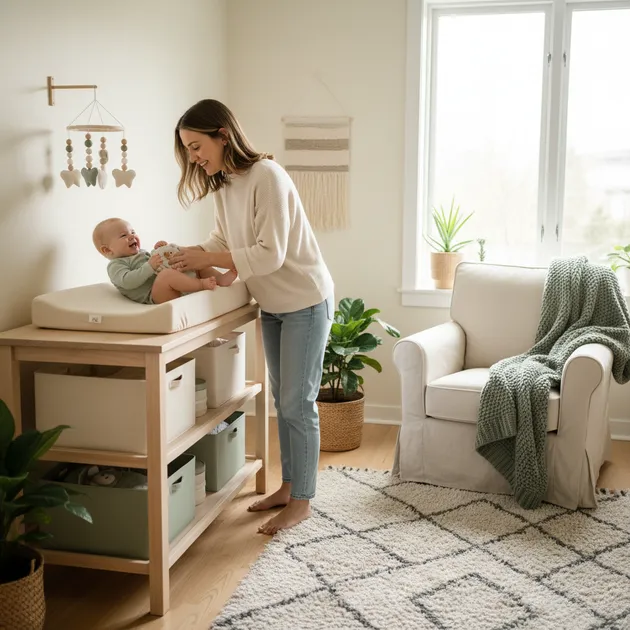
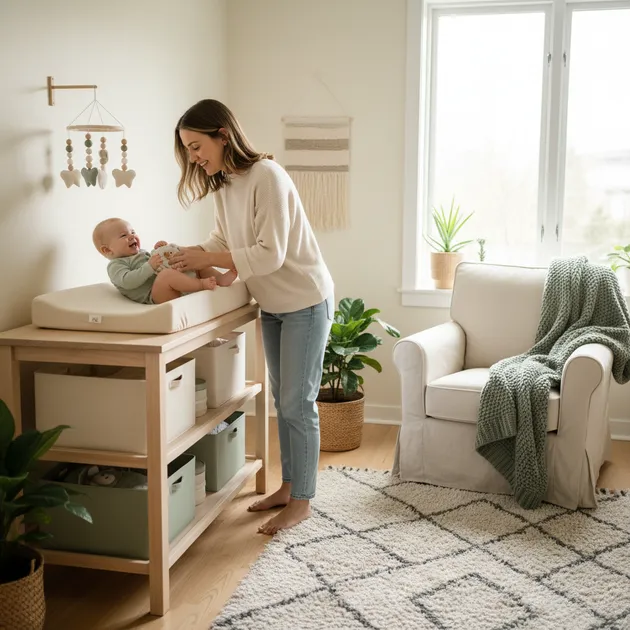
A changing table at the right working height saves you a lot of strain. It also gives you a dedicated spot with everything you need within reach. Diaper changes go faster and more safely when you are not searching for wipes and cream.
Types of changing tables
Changing dresser
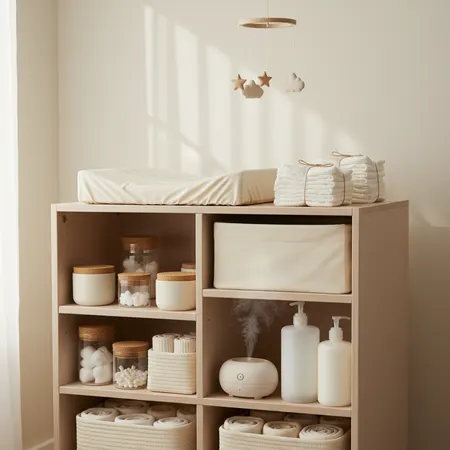
The most common option. A dresser with a changing topper on top gives you storage in the drawers below. Once your baby is out of diapers, remove the topper and you have a regular dresser that fits right into any room.
Pros:
- Lots of storage space
- Repurposed as regular furniture afterward
- Sturdy and stable
Cons:
- Takes up significant floor space
- More expensive than simpler options
- Heavy to move
Wall-mounted changing table
Perfect for small bathrooms or tight spaces. Folds flat against the wall when not in use and takes up minimal space the rest of the time.
Pros:
- Space-saving
- Practical in the bathroom
- Easy access to water for clean-ups
Cons:
- Limited storage
- Requires solid wall mounting
- Smaller changing surface
Freestanding changing table
A lighter stand with shelves below, often on wheels. Can be moved between rooms. An affordable, flexible option.
Pros:
- Affordable
- Portable
- Easy to assemble
Cons:
- Less stable than a dresser
- No reuse value afterward
- More prone to tipping
Short on space? A wall-mounted changing table in the bathroom is a smart solution. You have water right next to you, and it takes zero floor space when folded up.
Safety, what to check
The changing table is one of the most common places young children fall from at home. Each year, children are treated for fall injuries from changing tables. Follow these rules:
Requirements for a safe changing table:
- Raised sides on at least three edges (minimum 4 inches / 10 cm high)
- Stable construction that does not tip
- CPSC-compliant or equivalent certification
- The changing pad must lie flat and not slide
Never leave baby unattended. Even newborns can roll off a changing table. Always keep one hand on your baby. Have everything you need ready before you start the diaper change.
Correct working height:
The changing table should be at a height that works for you. The general rule is that the changing surface should be at elbow height, typically 33–37 inches (85–95 cm). Some models have adjustable height, which is useful when parents are different heights.
Read more about childproofing your home for a complete room-by-room walkthrough.
Popular brands
Stokke Home Dresser
A Norwegian brand known for quality. A changing dresser with a removable changing top that becomes a beautiful dresser afterward. Premium price, but solid craftsmanship and timeless design.
IKEA Sniglar
IKEA's budget-friendly changing table in beech and white. Costs a fraction of pricier brands and gets the job done. Has shelves below for storage, but no drawers.
IKEA Sundvik
A changing dresser with changing top. More storage than the Sniglar, and the dresser continues to be used afterward as regular furniture. Good value.
Leander
Danish design with rounded lines. The Leander Classic dresser is popular among parents who want a clean, minimalist nursery aesthetic. Changing top sold separately.
Wall-mounted options (Bybo, Summer Infant, and others)
Various brands offer wall-mounted changing tables. These are solid, space-saving options designed for compact bathrooms. Make sure the wall can support the weight and that the mount is done correctly.
Budget tip: Check Facebook Marketplace or similar platforms for used changing dressers. They see relatively little wear and can save you a lot of money. Make sure all parts are intact and that the side rails are undamaged.
What should you keep on the changing table?
Keep it tidy and have the essentials within reach. You should never leave your baby to fetch something.
The basics:
- Diapers (at least 5–6 ready to go)
- Baby wipes or cloth wipes and water
- Zinc cream or diaper rash cream
- Clean clothes / spare onesie
- Changing pad with washable cover
Extra handy:
- A small lidded trash can next to the table
- Storage baskets on the shelves
- A mobile or baby gym above the changing table for distraction
Budget tips
You do not have to spend a fortune on a changing table. Here are smart ways to save:
- Buy secondhand. Changing dressers are among the safest items to buy used, they see low wear and last a long time
- Use a dresser you already own. With a freestanding changing pad on top, almost any stable dresser can work
- Skip the premium brand. An IKEA Sniglar at under $50 does the same job as a $500 changing table
- Think long-term. A changing dresser is used in the nursery for years after the diaper stage is over
When should you buy a changing table?
Most parents recommend having the changing table set up 4–6 weeks before your due date. That gives you time to assemble it at leisure, organize all the supplies, and get familiar with the setup.
Planning the nursery? Position the changing table so you have good space around it and easy access from the door. Avoid placing it under windows or near curtains that baby could grab.
Frequently asked questions about changing tables
Which changing table is best?
It depends on your space and budget. A changing dresser (like the IKEA Sundvik or Stokke) is most popular because it offers storage and can be reused. For tight spaces, a wall-mounted changing table in the bathroom is a smart choice.
How long do you use a changing table?
Most parents use a changing table until the child is 2–3 years old, depending on when they are potty trained. Some switch to standing diaper changes from around 12–18 months, when the child becomes too active to lie still.
Can I use a regular dresser as a changing table?
Yes, with a separate changing pad on top. Make sure the dresser is stable, can support the weight, and that the changing pad sits securely with raised edges on at least three sides.
How tall should a changing table be?
The changing surface should be at elbow height, usually 33–37 inches (85–95 cm). The correct height prevents back strain. Some models have adjustable height, which is helpful when parents are different heights.
Is a wall-mounted changing table safe?
Yes, as long as it is mounted into solid wall studs or concrete using the correct hardware. Follow the manufacturer's installation instructions exactly. Drywall alone is not enough, use through-bolts or anchor into studs.
How much does a changing table cost?
Prices range from around $30–50 for a basic freestanding table (IKEA Sniglar) to $400–800+ for a premium changing dresser (Stokke, Leander). Wall-mounted models typically cost $100–300.
Read more
- Childproofing your home, room by room
- Nursery setup and decorating tips
- Baby gear checklists
- What to buy before baby arrives
Sources
- Consumer Product Safety Commission. "Safety Standards for Infant Products." cpsc.gov
- AAP. "Nursery Safety." healthychildren.org
- Consumer Reports. "Changing Table Buying Guide." consumerreports.org
Last updated: March 2026
🔧 Helpful Tools
- All Baby Tools. Browse all free tools for pregnancy and baby care
📖 Related Articles
- Changing Table: How to Choose the Right One for Your Baby. Complete guide to choosing a changing table. Types, safety, popular brands, and budget tips for new parents.
- Baby Monitor: Complete Guide to Choosing the Right One. Everything about baby monitors. Types, features, safety tips, and the most popular models to consider.
- Night Lights for Kids: How to Choose the Right One. Complete guide to night lights for babies and children. Which color is best, when does your child need one, and what to look for when buying.