Choosing the right breast pump can make the difference between a smooth nursing period and unnecessary frustration. Whether you are returning to work, want your partner to be able to feed the baby, or need to stimulate milk production, the right pump makes everyday life easier.
This guide helps you understand the differences between pump types, which features matter, and what to think about before you buy.
Key Takeaways
- Electric double pumps are the most efficient option, they cut pumping time in half and studies show higher milk output compared to single pumping.
- A manual pump is ideal as a travel backup or for occasional use; an electric single pump suits parents who pump a few times per week; a double pump is best for daily pumping or returning to work.
- Flange fit is critical, the wrong size can reduce output and cause pain. Most pumps come with a standard 24 mm flange, but flange sizing should be checked against nipple measurement.
- Pump brands like Medela, Spectra, and Elvie are consistently rated highest for output, comfort, and reliability, wearable pumps offer hands-free convenience for pumping at work.
- Replace membranes and valves every 4–6 weeks with frequent use, worn parts are the most common reason for sudden drops in milk output.
Why Use a Breast Pump?
There are many reasons to pump. Here are the most common ones.
Returning to work. If you go back to work while still breastfeeding, a pump lets you maintain your milk supply and give your baby breast milk even when you are not present. Read more in our guide to breastfeeding and work.
Your partner can feed. Pumping means your partner, grandparents, or other caregivers can give your baby breast milk from a bottle. This gives you a break and strengthens the bond between your baby and others.
Milk supply. If you have low supply, extra pumping can increase production. If you have too much milk and experience engorgement, pumping can bring relief.
Premature or sick babies. If your baby cannot nurse directly, pumping is essential to keep your supply going until the baby is ready.
Types of Breast Pumps
Manual Breast Pump
You control the suction by hand. Simple, affordable, and silent.
Advantages: Low price, easy to clean, perfect for travel and occasional use. No electricity or battery required.
Disadvantages: Requires more time and effort. One breast at a time. Can tire your hands with frequent use.
Best for: Pumping occasionally for relief, or as a backup pump.
Electric Single Pump
A motor drives the suction. You hold the pump against your breast and let it do the work.
Advantages: Faster than manual. Adjustable suction levels. Many have a built-in battery for portability.
Disadvantages: More expensive. Makes some noise. Still only one breast at a time.
Best for: Pumping regularly a few times per week.
Electric Double Pump
Pumps both breasts simultaneously. The most efficient solution.
Advantages: Cuts pumping time in half. Stimulates milk production better than single pumping. Studies show higher milk output with double pumping.
Disadvantages: Higher price. More parts to clean.
Best for: Pumping daily, working outside the home, or building a breast milk stash.
Wearable Pump
Fits inside your bra. You can move freely while pumping.
Advantages: Hands-free use. Discreet. Perfect for multitasking.
Disadvantages: Most expensive category. Often weaker suction than tabletop pumps. Limited battery life.
Best for: Active parents who want to pump while working, cooking, or caring for other children.
Not sure which type you need? Start with your situation. If you pump daily, a double electric pump pays off quickly. If you pump occasionally, a manual or simple electric pump is enough.
Features to Look For
Not all breast pumps are equal. Here is what separates a good pump from a poor one.
Adjustable suction strength. You should be able to regulate both strength and speed. Stronger suction does not necessarily mean more milk, it is about finding the level that works for your body.
Correct flange (breast shield) size. The flange that covers the nipple must fit properly. The wrong size leads to lower output and can cause pain. Most brands offer several sizes. Measure your nipple and check the manufacturer's sizing guide.
Closed system. A closed system has a barrier that prevents milk from entering the motor unit. This is more hygienic and makes the pump safe to share or resell.
Battery power. A built-in battery gives you freedom to pump without an outlet. Useful at work, while traveling, and in the car.
Noise level. If you are pumping at work or while your baby sleeps, noise level is relevant. Wearable pumps are generally quieter than tabletop models.
Popular Brands
Medela
Swiss brand with extensive experience. The Medela Swing Flex is among the most popular single electric pumps globally. The Medela Freestyle Flex is a popular double pump. Known for reliable suction and a good range of flange sizes.
Philips Avent
Wide product range from manual to electric double pumps. The Avent system is compatible with their bottles and pacifiers, making the transition between breast and bottle simpler.
Elvie
British brand with wearable pumps. The Elvie Pump and Elvie Stride are hands-free and discreet. Controlled via app. Among the most expensive on the market, but with high user satisfaction among those who pump daily.
Lansinoh
American brand with good budget options. Lansinoh pumps are often more affordable than competitors and have received good reviews for ease of use.
Prices vary between retailers. Check pharmacies, baby stores, and online retailers for current pricing. Add items you are considering to a wish list to keep track.
Does Insurance Cover a Breast Pump?
In many countries, health insurance or government programs cover breast pump costs. In the United States, for example, the Affordable Care Act requires most insurance plans to cover the cost of a breast pump.
Check your plan. Contact your insurance provider directly to understand what is covered, some plans cover a rental pump, others cover a purchase, and some require a specific brand or model.
If your baby is premature or hospitalized, the hospital may provide a hospital-grade pump on loan. These are significantly more powerful than home pumps and are designed for situations where supply needs to be established quickly.
Workplace rights. In many countries, employers are required to provide reasonable break time and a private space (not a bathroom) for employees to pump. Check the laws in your country.
Hygiene and Cleaning
Proper cleaning is necessary to prevent bacterial growth.
After each use: Separate all parts that came into contact with milk. Rinse in cold water first (hot water coagulates milk proteins). Then wash in warm soapy water or in the dishwasher (check the manufacturer's instructions).
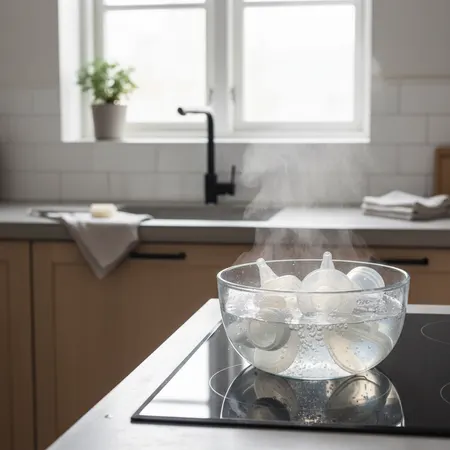
Sterilizing: New parts should be sterilized before first use. After that, daily washing in warm soapy water is sufficient for healthy, full-term babies. For premature or immunocompromised babies, daily sterilization is recommended.
Drying: Allow parts to air-dry on a clean cloth. Avoid drying with a cloth that may transfer bacteria.
Storing Pumped Breast Milk
Guidelines for breast milk storage (based on AAP recommendations):
| Location | Duration |
|---|---|
| Room temperature (20–25°C / 68–77°F) | Up to 4 hours |
| Insulated cooler bag with ice packs | Up to 24 hours |
| Refrigerator (4°C / 39°F or colder) | Up to 4 days |
| Freezer (-18°C / 0°F or colder) | Up to 6 months (best quality) |
Freeze in small portions. 60–120 ml (2–4 oz) per bag reduces waste. Always label with the date.
Thawing. Thaw frozen breast milk in the refrigerator overnight or under running lukewarm water. Use thawed milk within 24 hours. Never refreeze milk.
For more, read our complete guide to pumping breast milk.
When Should You Start Pumping?
Breastfeeding is going well: Wait 4–6 weeks until milk production has stabilized. Pumping too early can disrupt the supply-and-demand balance.
Premature or sick baby: Start as soon as possible after birth, ideally within 6 hours. Pump 8–10 times per day to replace the baby's sucking.
Before returning to work: Begin 2–3 weeks before your start date. This gives you time to build a small stash without stress.
Many people find the best output happens in the morning when milk production is at its peak. Try pumping after your morning feed.
Frequently Asked Questions
Is a more expensive breast pump better?
Not necessarily. A manual pump can work excellently for occasional use. Price mainly reflects motor strength, features, and portability. Choose based on how often you will pump, not price alone.
Can I buy a used breast pump?
Only if it has a closed system. In a closed system, milk can never reach the motor unit, making the pump safe to share. Open systems should not be shared because milk residue can enter the tubing and motor.
How many flange sizes are there?
Most brands offer 3–5 sizes (from about 21 mm to 36 mm). Measure your nipple diameter and add 1–2 mm. Many people find they need different sizes for each breast.
Can a breast pump increase milk supply?
Yes. The body produces more milk when breasts are emptied more frequently. Adding an extra pumping session per day can increase supply over time. Double pumping is more effective than single pumping for this purpose.
Does pumping hurt?
Pumping should not hurt. If you feel pain, check your flange size and reduce the suction level. Pain can also occur if the nipple is pulled into the shield at the wrong angle.
Read More
- Pumping and storing breast milk
- Breastfeeding and work, how to combine them
- Formula, when you need a supplement
- Engorgement and mastitis
Sources
- American Academy of Pediatrics (AAP). "Breastfeeding and the Use of Human Milk." 2022.
- Centers for Disease Control and Prevention (CDC). "Proper Storage and Preparation of Breast Milk." 2024.
- La Leche League International. "Pumping and Storing Breast Milk." llli.org.
🔧 Helpful Tools
- Breastfeeding Tracker. Log feeds, track supply, and monitor nursing sessions
- All Baby Tools. Browse all free tools for pregnancy and baby care
📖 Related Articles
- Pumping and Storing Breast Milk. Everything You Need to Know. Complete guide to pumping and storing breast milk. Storage times, breast pump types, and tips for building a milk stash.
- Nursing Bra: How to Find the Perfect Nursing Bra. Complete guide to nursing bras. Types, sizes, materials and tips for finding the most comfortable nursing bra.
- Alcohol and Breastfeeding: What Does the Research Say?. Can you drink alcohol while breastfeeding? Learn what the guidelines say, what current research shows, and how long you should wait before nursing.