That tiny countertop machine looks tempting when your baby is about to start solids and every jar at the store suddenly feels expensive.
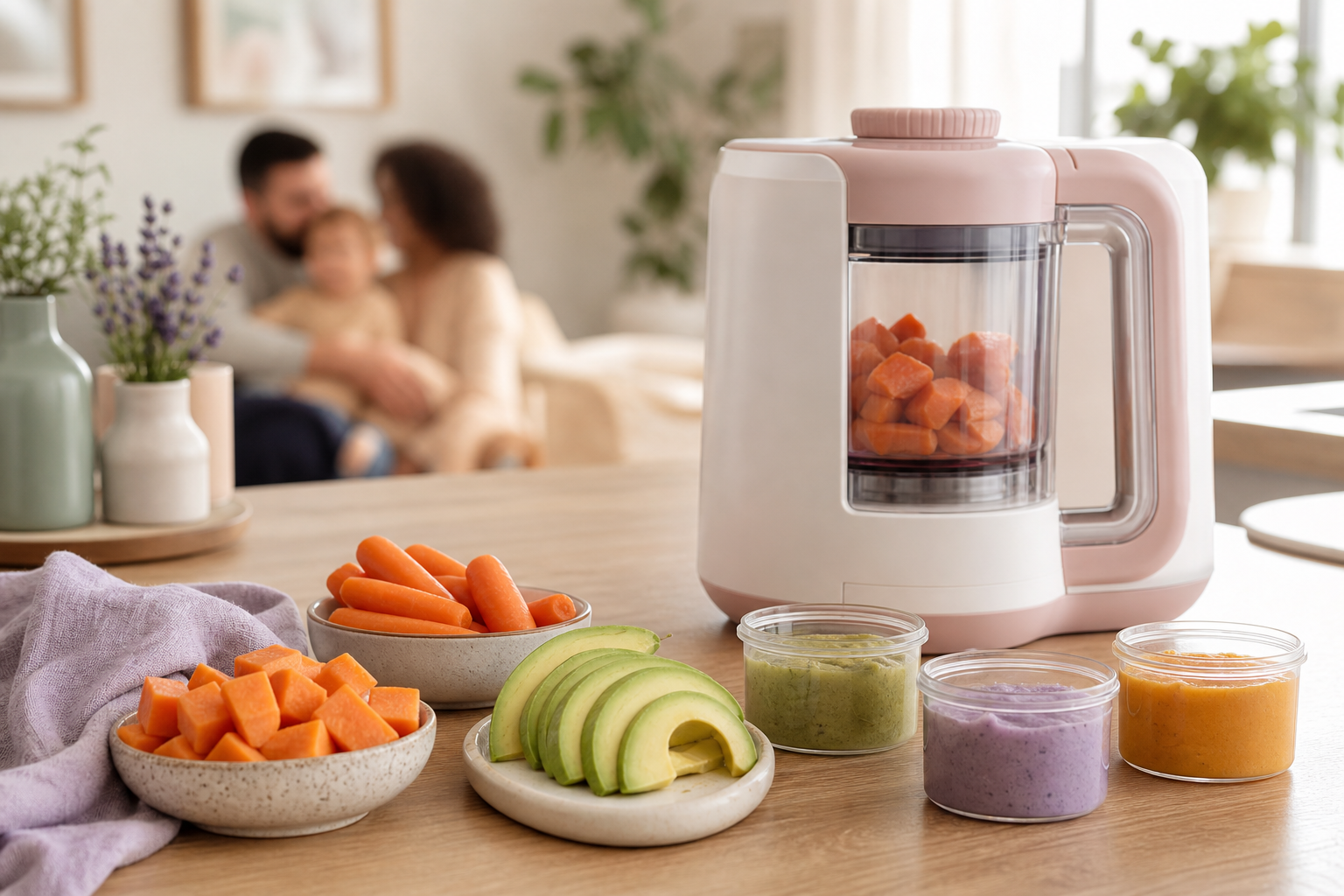
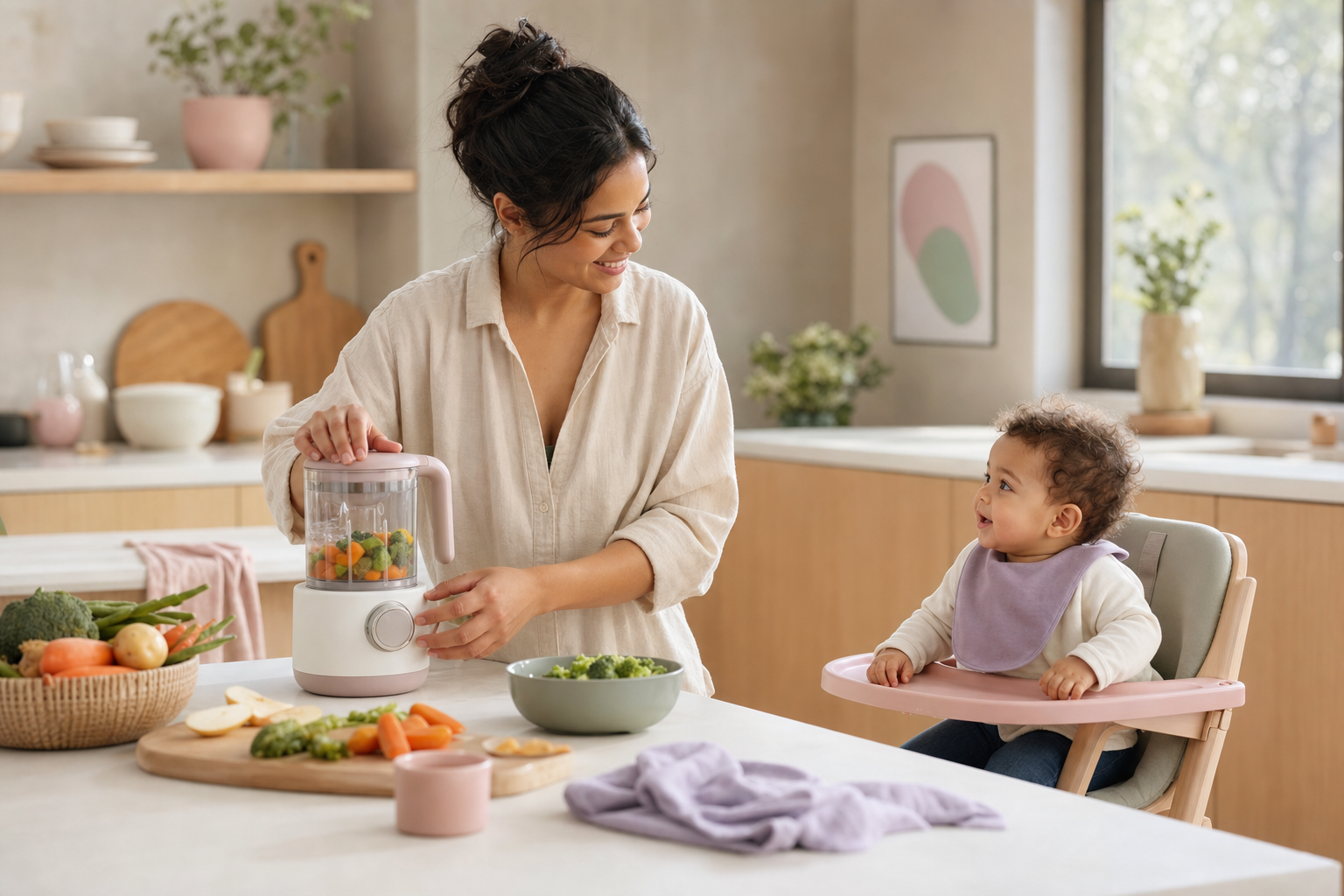
A baby food maker can make homemade purees easier, especially if you want one device that steams and blends. It is not essential, though. Many families can get the same result with a steamer basket, regular blender, fork, and a few small storage containers.
Buy a baby food maker if convenience will help you offer more variety. Skip it if you already cook regularly, have a blender you like, or plan to lean heavily on soft finger foods and baby-led weaning.
Key Takeaways
- A baby food maker is most useful from around 6 months, when many babies are ready for solids.
- The best models are easy to clean, steam evenly, blend small portions, and have dishwasher-safe parts.
- Homemade baby food is not automatically safer or more nutritious than store-bought food. Variety matters more than the machine.
- A regular blender works if you already have one and do not mind steaming food separately.
- Food safety matters: cool food quickly, refrigerate promptly, and never save leftovers from a bowl your baby has eaten from.
Quick Chooser
| If this sounds like you | Best choice |
|---|---|
| You want one button for steaming and blending | Steamer-blender baby food maker |
| You already own a good blender | Steamer basket plus blender |
| You want glass instead of heated plastic | Glass-bowl baby food maker or separate glass steamer |
| You batch-cook once or twice a week | Larger-capacity food processor |
| You plan mostly baby-led weaning | Skip the machine and use soft family foods |
Use our baby food guide alongside this article when you want age-by-age food ideas. If you are building a registry, add feeding gear to your baby checklist only after deciding how often you will actually make purees.
When Does a Baby Food Maker Help?
A baby food maker helps during the early solids window, when small portions and soft textures are the daily problem. The CDC says babies can usually begin solids at about 6 months, while foods before 4 months are not recommended. That means this tool is mainly useful for a short but busy season.
The sweet spot is roughly 6 to 10 months. At first, you may make smooth purees from sweet potato, carrot, peas, apple, lentils, chicken, or oatmeal. A few weeks later, your baby may need thicker mashed textures. By 8 to 10 months, many babies can handle small pieces of soft foods.
That short timeline is the key buying question. If spending money on a tool saves enough time to keep you calm during those months, it can be worth it. If another appliance already does the job, the dedicated machine may become one more thing to wash.
For the full feeding-stage overview, see our 0 to 12 month solids guide.
Is a Baby Food Maker Worth It?
A baby food maker is worth it when it removes friction. Parents do not need a perfect feeding system at 7 p.m. with a tired baby. They need something they can repeat.
The strongest reasons to buy one:
- One appliance does two jobs: Steaming and blending happen in the same bowl.
- Small batches are easier: A full-size blender can struggle with two tablespoons of peas.
- Cleanup can be simpler: Good models have fewer pots, fewer transfers, and fewer splatters.
- Texture control is quick: You can blend smooth at first, then pulse less for thicker food.
- Caregivers can copy the routine: A simple machine is easier to explain than a multi-step cooking setup.
The strongest reasons to skip one:
- The puree stage is short: Many babies move to mashed and finger foods quickly.
- You may already own better tools: A blender, food processor, or immersion blender can work well.
- Some models are annoying to clean: Blades, lids, gaskets, and water reservoirs can trap food or mineral buildup.
- Counter space matters: A small kitchen gets crowded fast.
- Baby-led weaning changes the math: If your baby eats soft strips of avocado, banana, omelet, or cooked vegetables, you may not puree much.
There is no parenting prize for owning the right appliance. The right choice is the one that helps you feed your baby safely without turning dinner into a production.
Can I Use a Regular Blender Instead of a Baby Food Maker?
A dedicated baby food maker usually steams and blends in one container. That is its main advantage. You chop food, add water, steam, flip or transfer depending on the model, then blend.
A regular blender gives smoother purees and often more power. It works best when you make bigger batches. If you only need two tablespoons, the blades may spin above the food unless you add liquid.
A food processor is better for chopping and thicker textures. It is less ideal for very smooth early purees, but useful as your baby moves toward mashed family foods.
An immersion blender is cheap and compact. It works in a cup or small pot, but it can splatter and may leave uneven chunks if the food is not soft enough.
For many families, the cheapest setup is a steamer basket plus a tool they already own. Steam until the food is soft, blend or mash, thin with breast milk, formula, or water, then serve a small amount.
What to Look For in the Best Baby Food Maker
The best baby food maker is not the one with the most modes. It is the one you can clean properly after a messy carrot puree.
Prioritize these features:
- Easy blade access: You should be able to remove and clean around the blade safely.
- Dishwasher-safe bowl and lid: Hand-washing tiny parts gets old quickly.
- Simple water reservoir: Look for clear descaling instructions and no hidden crevices.
- Steaming basket or steaming tray: Food should steam evenly, not sit in too much water.
- Small-batch blending: The machine should blend 1/2 cup or less without needing lots of liquid.
- Texture control: Pulse settings help you move from smooth puree to thicker mash.
- Stable base: A machine that walks across the counter is not worth the stress.
- Glass option if you care about heating plastic: Glass bowls are heavier, but some parents prefer them.
Be cautious with "self-cleaning" claims. A rinse cycle can loosen food, but it does not replace proper washing of blades, seals, lids, and bowls.
Safety Rules for Homemade Baby Food
Homemade baby food has one big advantage: you control the ingredients. It also gives you responsibility for food safety.
The FDA advises that baby food should not sit at room temperature for more than two hours. If your baby eats from a bowl, do not put leftovers from that bowl back in the refrigerator. Saliva from the spoon can introduce bacteria.
Use this routine:
- Wash hands, equipment, cutting boards, and produce.
- Cook food until soft enough to mash easily.
- Blend or mash to the texture your baby can manage.
- Cool quickly in shallow containers.
- Refrigerate promptly.
- Serve a small portion in a separate bowl.
- Discard anything left in the serving bowl.
For refrigerated homemade purees, a conservative 24 to 48 hour window is sensible. Freeze extra portions in small trays if you want longer storage. Label the date so you are not guessing later.
Avoid honey before 12 months because of infant botulism risk. Avoid added salt, added sugar, and choking hazards such as whole grapes, nuts, popcorn, chunks of raw apple, and round coin-shaped slices. The AAP also recommends watching food size and shape closely for young children.
A baby food maker cannot make unsafe foods safe. Always match texture, size, and ingredients to your baby's age and feeding skills.
Homemade Baby Food and Heavy Metals
Homemade baby food is not automatically free from heavy metals. Rice, root vegetables, and some other crops can contain environmental contaminants because of soil and water exposure. A machine cannot remove those contaminants.
The FDA's Closer to Zero work focuses on reducing contaminants in foods commonly eaten by babies and young children. In 2025, the FDA set action levels for lead in processed foods for babies and young children, including 10 ppb for many processed baby foods and 20 ppb for single-ingredient root vegetables and dry infant cereals. The AAP's practical advice is to keep risk in perspective and offer variety. Do not rely on one grain, one vegetable, or one pouch flavor every day.
That means a baby food maker should support variety, not just big batches of the same puree. Rotate iron-rich foods, vegetables, fruits, legumes, meats, fish, eggs, and grains as appropriate for your baby's age and allergy plan.
If you are worried about iron, start with our iron-rich baby food guide. Iron matters because babies' stores begin to run lower around the same time solids start.
Best Baby Food Maker Types
Steamer-Blender Combo
This is the classic baby food maker. It suits parents who want fewer steps and less equipment.
Choose this if you will make purees several times a week and want a clear routine. Skip it if you already have a strong blender and do not mind steaming separately.
Glass-Bowl Baby Food Maker
Glass models appeal to parents who prefer not to heat food in plastic. They can feel sturdier and easier to inspect for residue.
The tradeoff is weight and breakability. Check whether the blade area, lid, and seals are still easy to clean, because the bowl material is only one part of the hygiene picture.
Mini Food Processor
A mini food processor is useful after the smooth puree stage. It chops soft vegetables, cooked meats, pasta, beans, and fruit into thicker textures.
It will not steam food for you, and it may not make silky purees. For a baby who is moving into mashed foods, that can be a feature rather than a flaw.
Regular Blender
A regular blender is the best choice if you batch-cook. It handles larger portions and can make very smooth textures.
The downside is scale. You may need to cook more food than your baby will eat in two days, which means freezing and labeling become part of the system.
How to Use a Baby Food Maker Without Overcomplicating It
Start with one food at a time. Sweet potato, carrot, peas, apple, pear, lentils, chicken, and oatmeal are common early options. Cook until soft, blend with enough liquid to reach a safe texture, then serve one or two tablespoons.
Keep meals small in the first weeks. The CDC notes that early portions can be tiny. Your baby's main nutrition still comes from breast milk or formula while solids are being introduced.
Move texture forward as your baby learns. The NHS recommends progressing from smooth purees to mashed, lumpy, and finger foods as babies can manage them. Staying on smooth purees for too long can make texture practice harder.
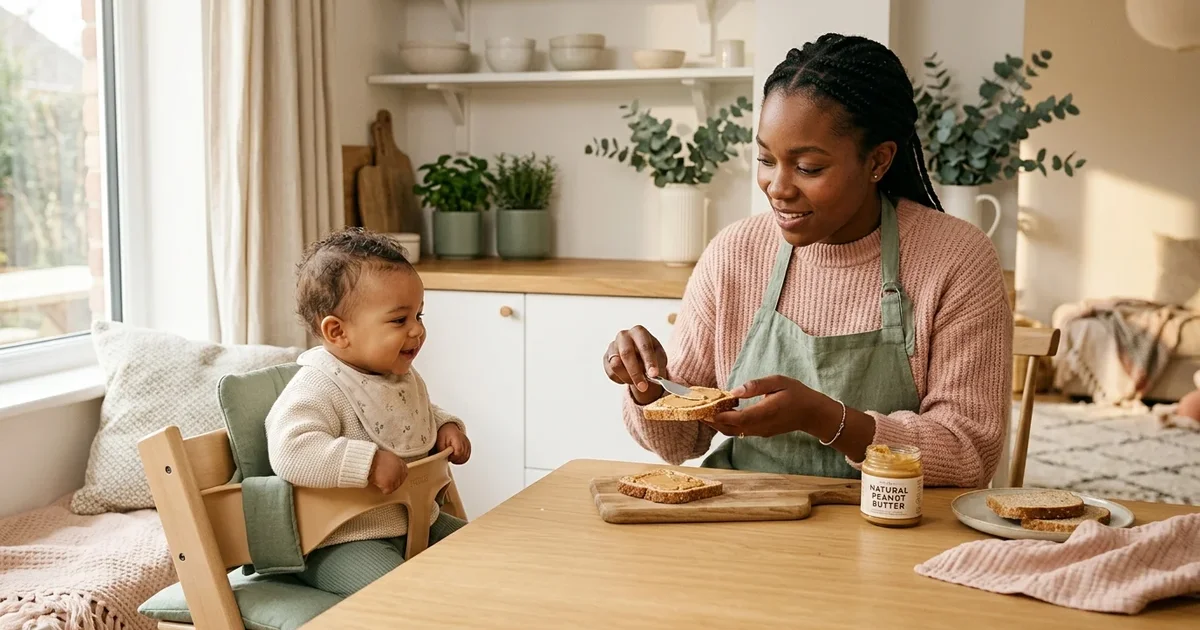
Introduce allergens in safe forms once your baby is ready and after discussing risk factors with your pediatrician. Peanut thinned into yogurt or puree, well-cooked egg, dairy foods, wheat, fish, and sesame can all be introduced in age-appropriate textures for many babies. Whole nuts and thick globs of nut butter are choking hazards.
Product Recommendations Without the Hype
You do not need the most expensive model. Match the machine to the job.
| Parent need | Look for |
|---|---|
| Fast weeknight purees | Steamer-blender combo with dishwasher-safe bowl |
| Small kitchen | Compact model with cord storage and few loose parts |
| Batch cooking | Larger bowl, freezer tray compatibility, strong motor |
| Less plastic contact | Glass bowl or separate steaming plus blender setup |
| Texture transition | Pulse control, not just one smooth blend setting |
| Easy cleaning | Removable blade, simple lid, minimal seals |
Popular options in this category include BEABA Babycook, Baby Brezza food makers, NutriBullet Baby, and small Cuisinart or Ninja processors. Treat brand lists as a starting point, not a verdict. The cleaner machine that you will use twice a week beats the premium machine that annoys you after three washes.
FAQ
Is a baby food maker worth it?
A baby food maker is worth it if it makes homemade food easier enough that you will use it often. It is less worth it if you already own a blender, cook often, or plan to focus on soft finger foods.
Can I use a regular blender instead of a baby food maker?
Yes. Steam or cook the food first, then blend with a regular blender, immersion blender, or food processor. Add breast milk, formula, or water only as needed for texture.
When should I start making baby food?
Most babies start solids around 6 months when they show readiness signs, including steady head control and the ability to sit with support. Do not start before 4 months unless your pediatrician gives specific guidance.
How long does homemade baby food last in the fridge?
Use refrigerated homemade baby food within 24 to 48 hours. Throw away food left at room temperature too long or food from a bowl your baby has already eaten from.
Bottom Line
A baby food maker is a convenience tool, not a feeding requirement. It can be useful if it helps you offer safe, varied foods during the puree stage. It is easy to skip if your kitchen already has a blender, steamer basket, and a routine you can repeat.
The best setup is boring in the best way: clean tools, soft textures, small portions, fast refrigeration, and a steady move from purees to mashed and finger foods. Start there, then buy only the gear that makes that routine easier.
This article is for informational purposes only and does not replace professional medical advice. Always consult your pediatrician for guidance specific to your child.
How We Built This Guide
Babysential Team wrote this guide from current CDC, FDA, AAP, and NHS feeding guidance, then used automation to check source coverage, internal links, image paths, and FAQ consistency. The goal is practical: help parents decide whether a baby food maker solves a real feeding problem before adding another appliance to the kitchen.