Your dog has been the "baby" of the family for years. Now a real baby is coming home. How do you make the transition safe for everyone?
The vast majority of families with pets have a smooth transition when baby arrives. The key is preparation, patience, and a few simple safety rules. Here's the complete guide.
Preparations during pregnancy
Start preparing months before your due date. Your pets need time to adjust to the changes.
For dog owners
- Train obedience, "Stay," "back up," and "quiet" are the commands that will matter most. Make sure your dog has mastered these
- Introduce baby sounds. Play recordings of baby crying at low volume. Gradually increase the volume. Reward calm behavior
- Adjust routines. If your dog is used to long walks at midday, start shifting the times now. After the birth, routines will change
- Set up the baby zone. Let the dog see and sniff the nursery, but teach them that the crib and changing table are off-limits
For cat owners
- Install a net over the crib. Cats love warm, enclosed spaces. A sleeping baby in a crib is inviting
- Move the food bowl. If the cat eats near where baby will be, gradually relocate it
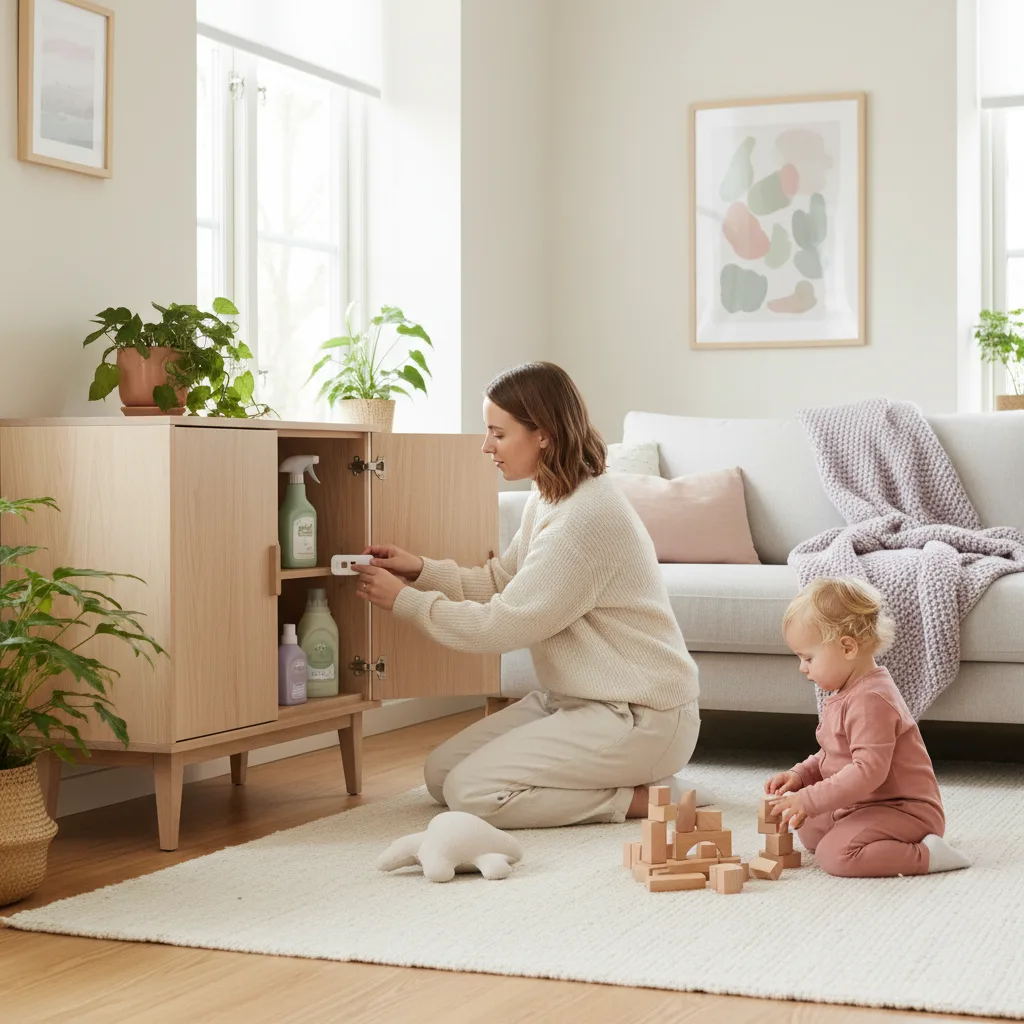
- Make the litter box inaccessible. Crawling babies find their way everywhere
Never leave baby and pet alone unsupervised. No matter how gentle and calm you know your pet to be. Even the most placid dog can react unpredictably to sudden movements or sounds from a baby.
First meeting, how to do it
Home from the hospital with a dog
- One parent greets first. Go in without baby and greet the dog. They've missed you
- Bring a used baby blanket. Let the dog sniff a blanket or onesie baby has worn. Reward calm sniffing
- Introduce from a safe distance. Hold baby in your arms. Let the dog see and sniff from a distance. Don't force contact
- Reward calm behavior. Treats and praise when the dog is calm around baby
- Give the dog attention. Dogs who feel overlooked can become jealous. Give extra cuddles when baby is sleeping
Home with a cat
Cats tend to be more cautious. Let the cat approach baby on their own terms. Don't force contact. Most cats keep their distance from new, noisy creatures.
Allergies and pets, what does the research say?
This is an area where facts and myths diverge.
Recent international research (including a Swedish study published in PLOS ONE, 2018) suggests that children who grow up with pets, especially dogs, may have a lower risk of developing allergies and asthma. The theory is that exposure to bacteria from animals strengthens the immune system early.
Current guidelines from the AAP and AAAAI (American Academy of Allergy, Asthma & Immunology): Families that already have pets do not need to get rid of them when expecting a baby. However, if there is a strong family history of allergies, you should consult your doctor. Getting a new furry pet in baby's first year is not recommended if there is a known allergy predisposition in the family.
Signs of allergy in baby
- Runny or congested nose without a cold
- Red, itchy eyes
- Rash or eczema that worsens with contact with the animal
- Coughing or wheezing
If you notice these signs, bring them up with your pediatrician.
Hygiene rules for baby and pets
Simple hygiene prevents most issues:
- Wash your hands after contact with the pet, before touching baby
- Keep the pet away from baby's face, licking is sweet but can transfer bacteria
- Regular deworming and vaccinations, keep your pet's health checks current
- Trim claws, especially cats can scratch unintentionally
- Clean pet areas more frequently, babies on the floor explore everything with their mouths
- No sharing of toys, baby toys and dog toys must be kept completely separate
Safety tips as baby grows
0–6 months
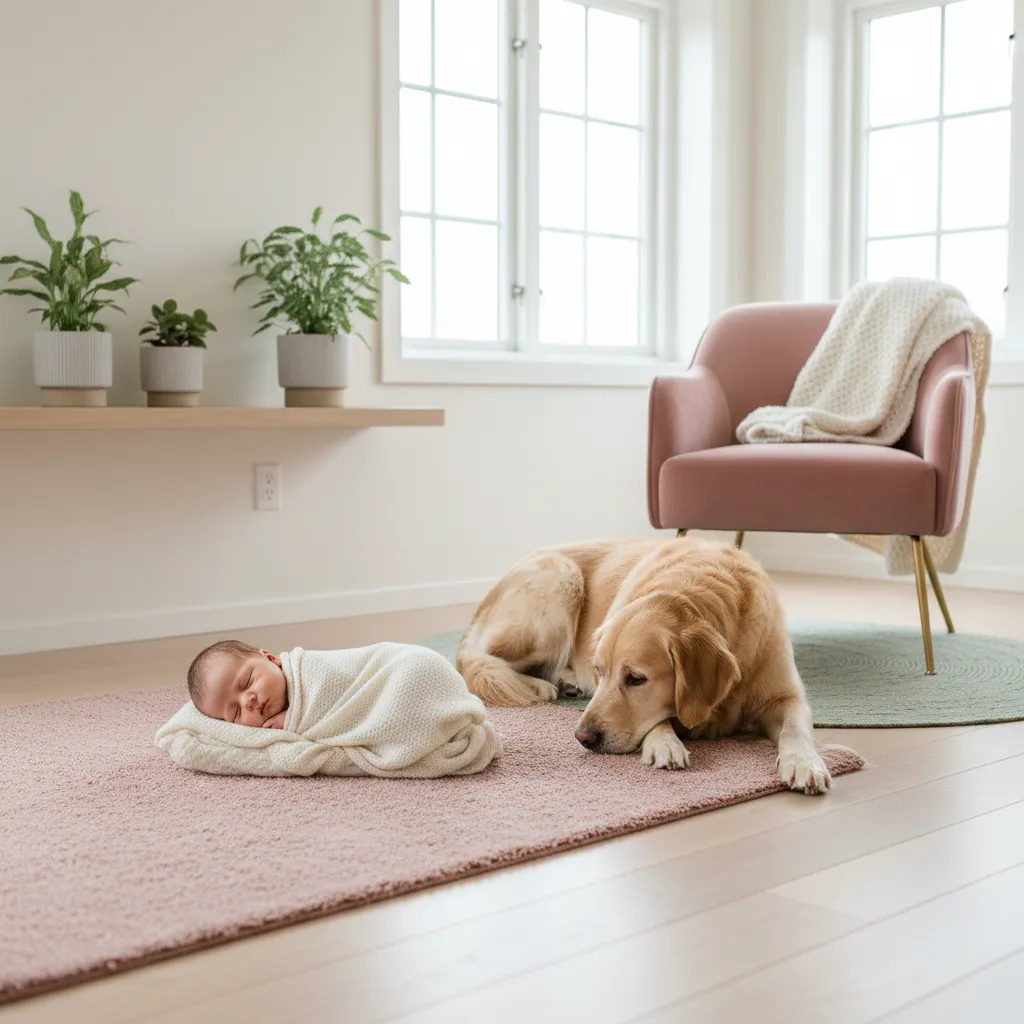
Baby mostly stays still. The biggest risk is the pet lying too close to baby's face. Keep distance during sleep.
6–12 months
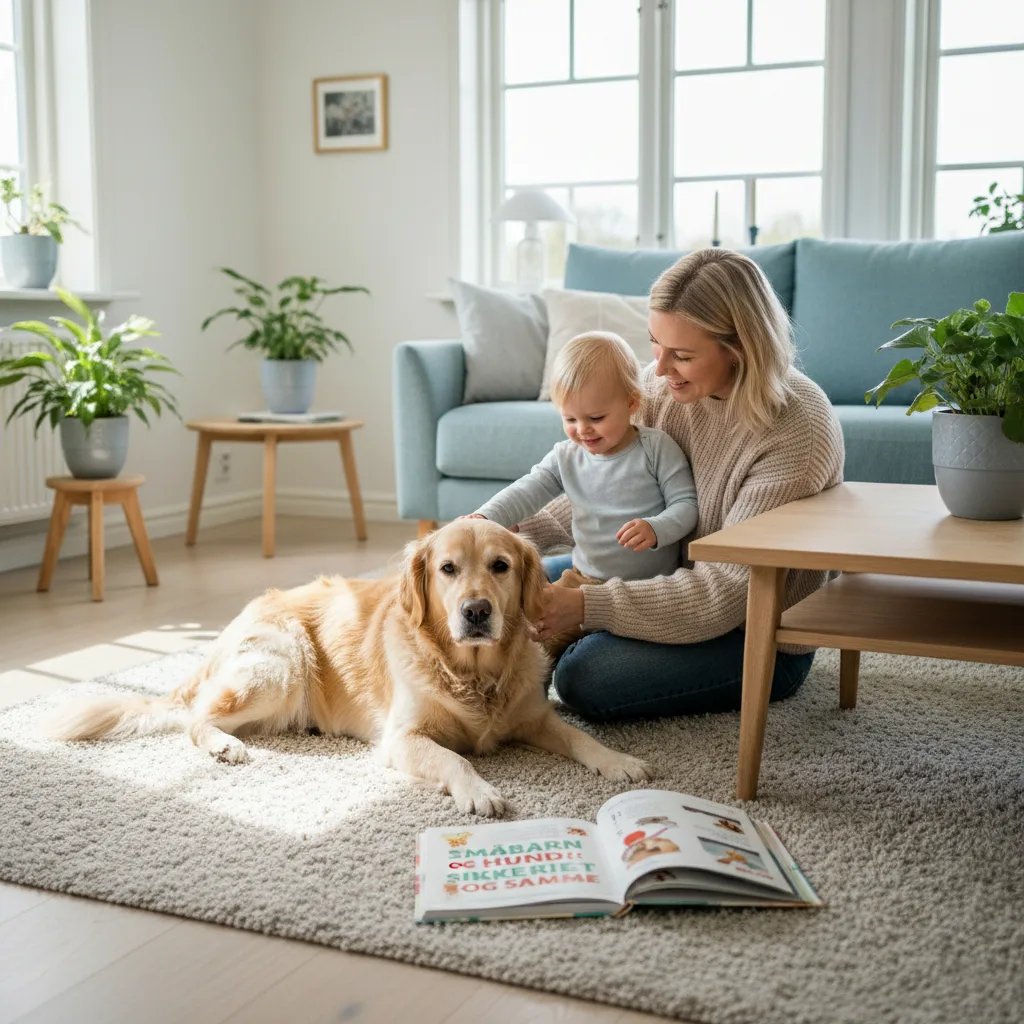
Baby crawls and grabs. Dogs can react to hair-pulling and ear-tugging. Teach baby gentle touch, show with your own hand.
1–3 years
Toddlers are unpredictable. They run, shriek, and hug too hard. Make sure your pet always has a safe retreat they can go to.
Teach baby early: "We're gentle with Fido. We pet like this." Show with calm movements on the dog or cat. Children as young as 10–12 months can begin to understand gentle touch.
When it doesn't work
Sometimes pets and babies don't mix well. Seek help from a certified animal behavior consultant if:
- The dog growls, shows teeth, or snaps at baby
- The cat scratches repeatedly
- The pet shows signs of severe anxiety (destructive behavior, indoor accidents)
- You feel unsafe
There is no shame in recognizing that professional help is needed for your pet's behavior.
Common questions
Is it safe to have a dog with a newborn baby?
Yes, with the right precautions. Prepare the dog during pregnancy, introduce them gradually, and never leave baby and dog alone unsupervised. Most families have a smooth transition.
Can pets cause allergies in baby?
Recent research suggests that children who grow up with pets may actually have a lower risk of allergies. The AAP recommends that families who already have pets don't need to rehome them. With a strong family history of allergies, consult your doctor.
How do I introduce the cat to the newborn?
Let the cat approach baby on their own terms, don't force contact. Install a net over the crib for safety, and keep the litter box inaccessible to crawling babies. Most cats naturally keep their distance from new, noisy creatures.
Summary
Baby and pets can become best friends with the right preparation and clear rules. Start early, never leave them alone together, and give your pet time to adjust to the new family member.
Read more
Sources
- American Academy of Allergy, Asthma & Immunology (AAAAI). Pets and Allergies
- AAP. Pets and Newborns
- PLOS ONE. Pet ownership in early life and asthma risk (2018)
🔧 Helpful Tools
- Baby Milestones Tracker. Track your baby's developmental milestones
- All Baby Tools. Browse all free tools for pregnancy and baby care
📖 Related Articles
- Toddlers and Dogs: Safety and Safe Interaction. How to create safe interaction between toddlers and dogs. Teach children to read a dog's signals and prevent accidents.