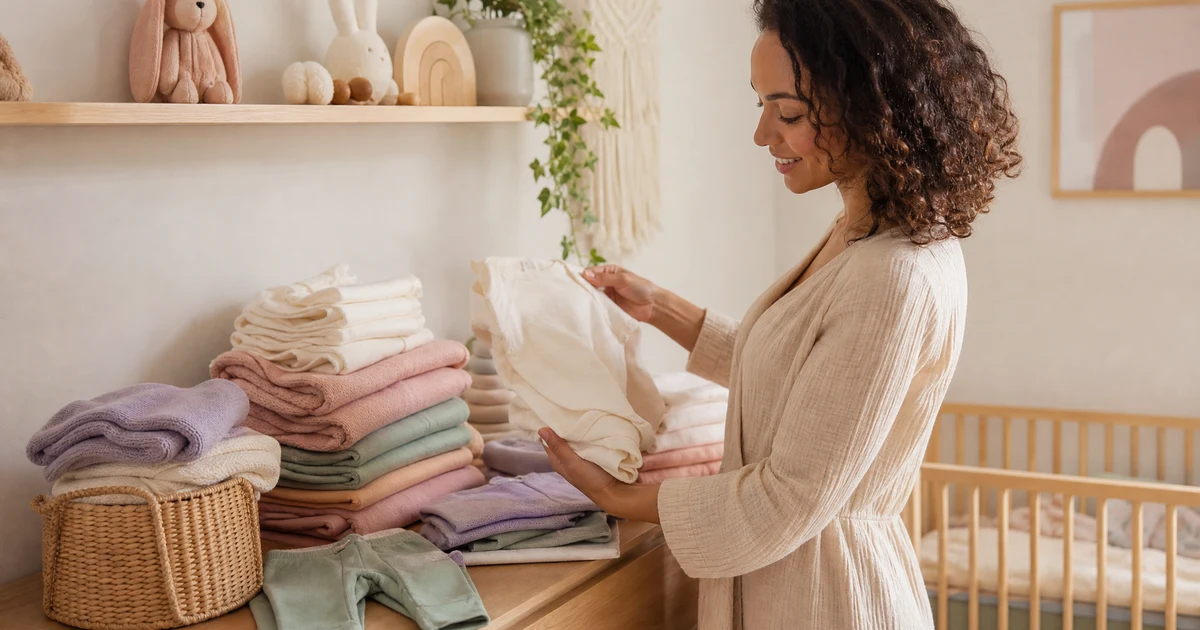
A winter newborn needs specific gear, not just more layers, but the right layers in the right places. The biggest mistake new parents make is putting a thick coat on a baby in a car seat, which CPSC safety data shows can dangerously compress in a crash and create slack in harness straps. This 2026 guide covers every category of winter newborn essential: what to buy, what to skip, and how to dress your baby safely whether you're in the car, at home, or braving the cold outdoors.
Key Takeaways
- Never put a bulky coat or snowsuit on a baby in a car seat, use thin layers under the harness and cover with a blanket on top.
- TOG ratings tell you exactly how warm a sleep sack is; match TOG to room temperature, not outdoor conditions.
- Bunting suits are safe for strollers and carriers but not car seats; look for "car-seat safe" versions that fasten around the harness.
- The AAP recommends dressing babies in one more layer than an adult would wear in the same environment.
- A proper newborn hat is non-negotiable outdoors, the NHS confirms babies lose heat rapidly through their heads.
- Newborns cannot regulate their own body temperature; feel the back of the neck (not hands or feet) to check for overheating.
1. Car-Seat-Safe Layering. The Rule Every Winter Parent Needs
This is the most safety-critical topic on this list. CPSC data shows that thick, compressible clothing, coats, snowsuits, bunting suits, creates dangerous slack in car seat harness straps. In a crash, the clothing compresses and the harness can no longer hold the baby securely.
The correct approach:
- Dress baby in a thin base layer (onesie) and a fitted fleece sleep suit or thin zip-up.
- Buckle the harness snugly over these thin layers. The harness passes the pinch test, you cannot pinch any excess webbing at the shoulder.
- After buckling, place a blanket over the harness, or use a car-seat-cover (a cover that goes over the entire seat shell without threading through the harness).
Car-seat-safe bunting suits: Several brands now make bunting suits with a vertical zipper at the front that splits apart to go around, not behind, the harness straps. These are the only bunting suits that pass harness safety tests. Look for this feature specifically; the packaging usually says "car seat safe" or "convertible."
A quick harness check: buckle baby in thin layers, then remove baby and re-dress with the bulky coat. Replace baby and refasten. If the harness now feels looser, that clothing is not safe in the car seat.
2. Sleep Warmth. TOG Ratings and Bassinet Setup
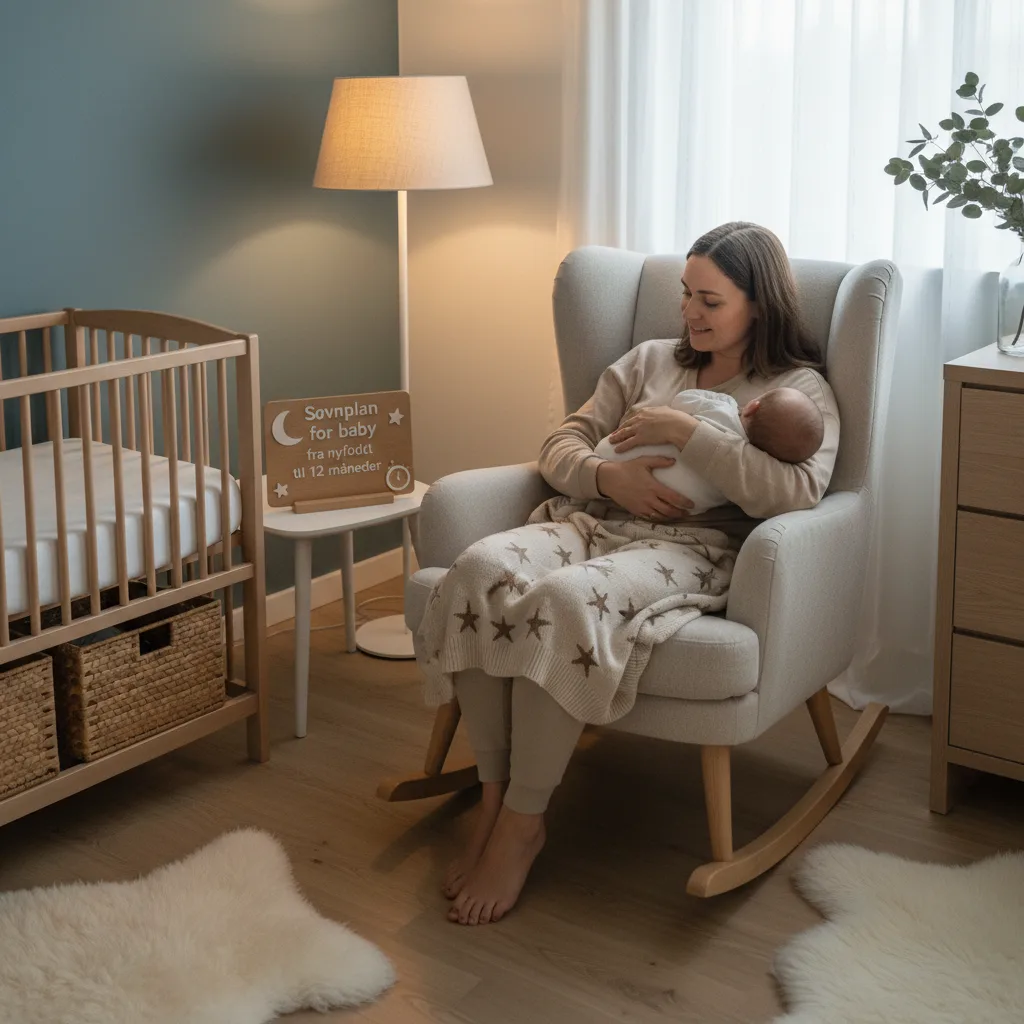
Newborns should sleep in a temperature-controlled environment. The NHS recommends 16–20°C (60–68°F) for the sleep room at night; the AAP's safe-sleep guidelines specify no soft bedding, no hats in sleep (overheating risk), and a firm flat surface.
TOG rating guide for sleep sacks:
| Room temperature | TOG rating | Typical layers |
|---|---|---|
| Above 24°C (75°F) | 0.5 TOG | Nappy + short-sleeve onesie |
| 20–24°C (68–75°F) | 1.0 TOG | Onesie + light cotton sleep sack |
| 16–20°C (60–68°F) | 2.5 TOG | Onesie + long-sleeve bodysuit + 2.5 TOG sleep sack |
| Below 16°C | Layer 2.5 TOG + extra bodysuit | Consider heating the room |
Buy at least two sleep sacks in the right TOG for your climate and two in a lighter weight for warmer nights or heated rooms. Newborns outgrow sizes quickly; buy 0–6 month and 6–18 month at the same time.
Bassinet warmth: Some parents add a wool or fleece bassinet liner. These are safe only if they fit snugly with no loose edges, a loose liner poses the same suffocation risk as loose bedding. Firm, fitted accessories only.
3. Outdoor Gear. Bunting Suits, Hats, and Stroller Covers
When you are not in the car, layering for warmth is the goal. Here is what to build your outdoor kit from:
Newborn bunting suit (for strollers and carriers): A one-piece fleece or down bunting suit is the easiest way to keep a newborn warm outdoors. Look for:
- Fold-over mittens built into the sleeves (newborns cannot keep mittens on)
- Foot-covering bottom section (not just leg tubes)
- Machine-washable material, the first weeks involve a lot of washing
Hat: Newborns lose a disproportionate share of body heat through their heads. A properly fitting hat, snug at the back of the head, covering the ears, is essential for any outdoor time below 15°C. Use only outdoors; remove the hat indoors and for sleep.
Stroller weather shield: A universal rain and wind cover that clips over the stroller canopy protects against wind, rain, and light snow. Check that it has ventilation, a fully sealed cover can trap CO₂. Wool or fleece stroller footmuffs provide additional insulation for longer outings.
Baby carrier: Wearing your baby inside your coat is an effective warming strategy (your body heat transfers directly). Use a stretchy wrap or structured carrier rated for newborns. Ensure the baby's face is always visible and the fabric is not covering the nose or mouth.
4. The Going-Home-from-Hospital Outfit
This is the outfit many parents overthink. It needs to be:
- Warm but car-seat safe, thin layers under the harness (see section 1)
- Easy to put on, after birth, you will be exhausted and possibly emotional; full-length front zipper, not poppers at the back
- Slightly roomy, newborns vary widely in size; most babies fit 0–3 month better than "newborn" sizing
A practical going-home outfit for winter:
- Short-sleeve onesie (base layer)
- Long-sleeve kimono-style bodysuit (wrap-style, no struggling with neck holes)
- Footed fleece sleep suit (zip-front for car seat safety)
- A hat for the hospital-to-car transfer
- Car-seat-safe blanket draped over the harness for the drive
Pack two going-home outfit options in different sizes. Hospitals are warm; the outfit serves mainly for the transfer to the car and the drive home.
5. What You Do Not Need
The winter newborn gear market is full of items that are either redundant or create safety issues. Skip:
- Thick snowsuit for car travel, redundant and unsafe; use thin layers + blanket
- Mittens and booties as separate accessories, they fall off constantly; choose a bunting with built-in mittens and footed pajamas
- Electric blankets or heated crib pads. SIDS risk; regulate room temperature instead
- Hats for indoor sleep, overheating risk; hats are outdoor-only for newborns
- Baby sleeping bag with arm holes for very young newborns, newborns' arms are too small to maintain position; use a pod or grobag-style sack without arm holes
🔧 Helpful Tools
- Checklists. Build a personalized winter newborn gear checklist by week in the third trimester, including car-seat safety items.
- Due Date Calculator. Know your exact due date to time gear purchases (many winter items sell out by October).
- Smart Start. Week-by-week first-month guide with season-specific dressing and outing tips.
- Sleep Tracker. Track how room temperature and sleep layer adjustments affect your newborn's sleep quality through winter months.
Sources
- American Academy of Pediatrics. Cold Weather Safety. HealthyChildren.org. 2023. https://www.healthychildren.org/English/safety-prevention/all-around/Pages/Safety-in-Cold-Weather.aspx
- U.S. Consumer Product Safety Commission. Car Seats Safety Information. 2023. https://www.cpsc.gov/Safety-Education/Safety-Education-Centers/car-seats
- NHS. Keeping Your Baby Warm. 2023. https://www.nhs.uk/conditions/baby/newborn-care/keeping-your-baby-warm/
This article is for general informational purposes only and does not constitute medical or safety advice. Always follow current AAP and CPSC guidelines and consult your pediatrician or a certified car seat technician with specific questions about cold-weather car seat safety.