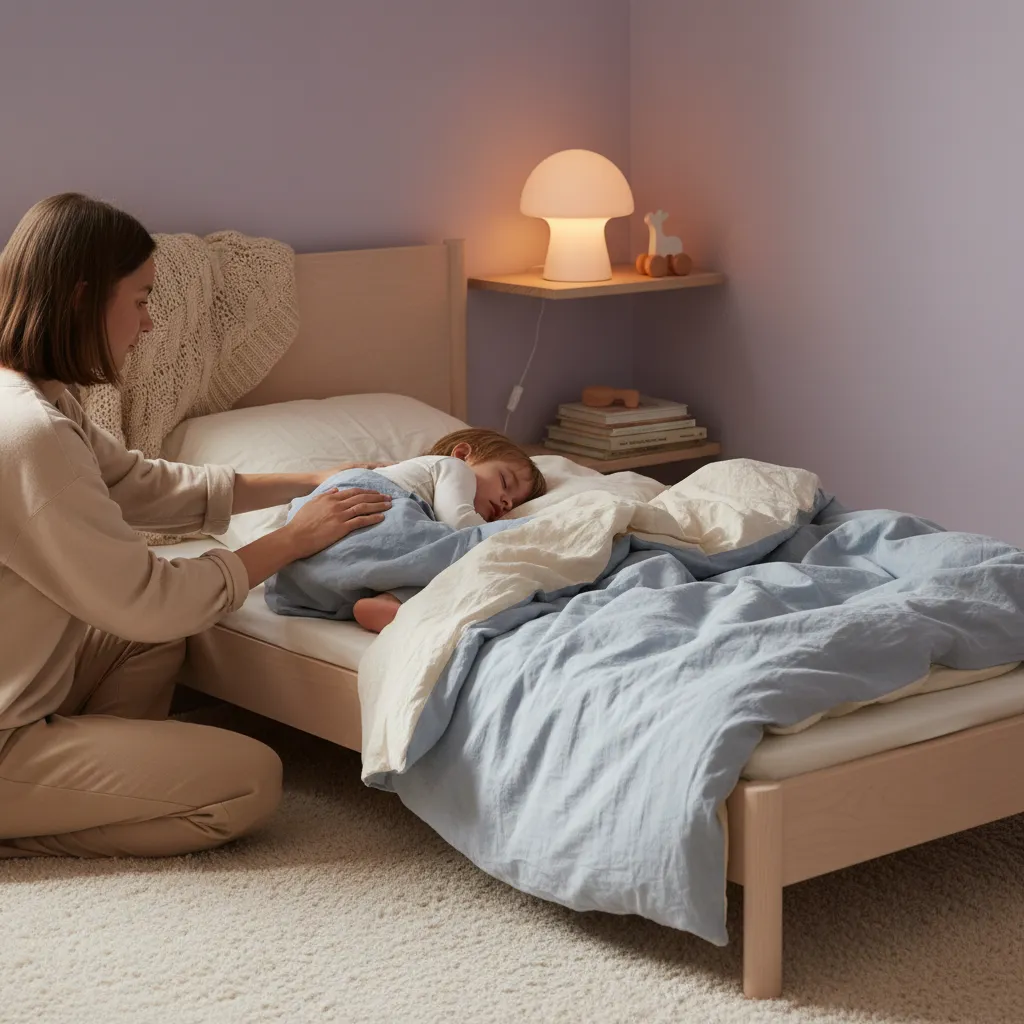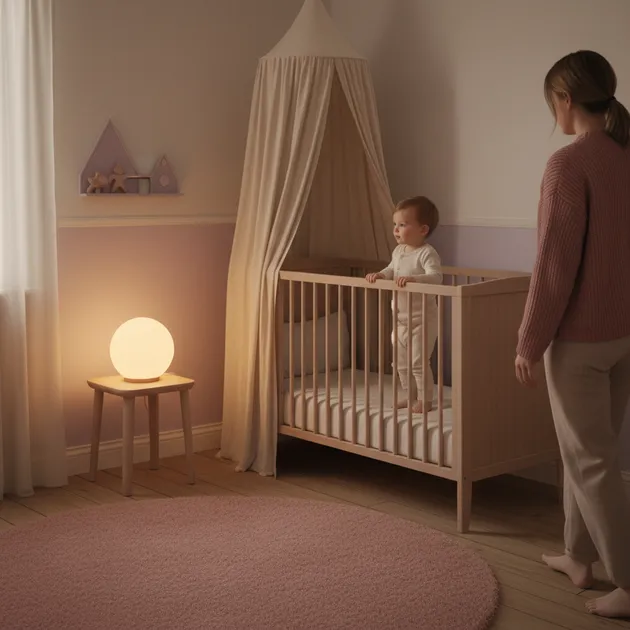
It's evening. Your child, who just learned to say "no" with conviction, refuses to go to bed. Again. You've sung, read, comforted, and carried. Nothing works.
The 18-month sleep regression has a reputation as the most demanding. And for good reason.
Why Is the 18-Month Regression the Toughest?
Most parents who have experienced sleep regressions at 4, 8, and 12 months describe this one as something entirely different. That's because it combines development on all fronts simultaneously.
At 18 months, your child isn't just a baby waking up, they're a little person with their own will, big emotions, and enough language to protest loudly.
According to the WHO and AAP, unsettled sleep at 18 months is completely normal and is connected to the rapid cognitive and emotional development children go through at this age.
What Drives the Sleep Regression?
Separation Anxiety at Its Peak
Around 18 months, separation anxiety peaks. Your child understands that you can leave, and they now have the will and voice to protest. Bedtime means separation, and that can trigger strong emotions.
Autonomy and "No"
Toddlers at 18 months discover they can say no. And they use it. Bedtime becomes an arena where your child tests boundaries and exercises their newly discovered will. This isn't about being difficult, it's about development.
Transition to One Nap
Most children go from two to one nap between 13–18 months. At 18 months, the transition is often underway or just completed, and it can lead to a period of imbalance in sleep needs.
Language Explosion
At 18 months, there's enormous language development. The brain is busy connecting words and meaning, and this activity can disrupt sleep. Many parents report their child lying in bed practicing words.
Teething
Canine teeth and first molars often come in around this age. They're larger than incisors and can cause more discomfort, especially at night.
What Does It Look Like in Practice?
- Bedtime takes forever, protests, crying, asking for more books, more water, more cuddles
- Night wakings last longer, awake for 30–60 minutes in the middle of the night
- Early mornings, waking at 5am and refusing to go back to sleep
- Refusing naps, even when clearly tired
- Clinging, won't let you leave the room
Reassuring note: These are signs of normal development. A child who protests is showing they're developing will and independence.
How Long Does It Last?
The 18-month sleep regression can last from 2 to 6 weeks. Some children get through it faster, while others take a little longer, especially if it coincides with illness or other changes (like starting daycare).
Use Babysential's sleep tracker to see progress over time. It's easy to forget how far you've come when you're in the middle of it, but the data doesn't lie.
8 Strategies That Actually Help
1. Create Predictability
Toddlers thrive with predictability. A fixed evening routine, with the same steps in the same order, provides security. Bath, toothbrushing, pajamas, book, song, goodnight. Every evening.
2. Give Control Where You Can
Since the regression is partly about autonomy, give your child small choices: "Do you want the blue or the red pajamas?" "Should we read this book or that one?" The feeling of control can reduce the need to protest.
3. Use a "Sleep Book"
Create a simple picture book showing the bedtime routine: bath, brush teeth, read a book, goodnight. Read it together every evening. It makes the routine something your child "owns" and understands.
4. Create a Clear Goodbye
Instead of sneaking out, establish a consistent goodbye ritual: hug, kiss, "goodnight, I'm right here." A predictable goodbye is safer than suddenly discovering you're gone.
5. Handle Night Wakings Calmly
When your child wakes, go in, offer brief and calm comfort, and put them back down. Keep lights dim, speak little. The goal is to signal that it's still night without providing so much stimulation that they wake fully.
6. Ensure Enough Physical Activity
Toddlers who get to run, climb, and play actively during the day generally sleep better. Make sure activity winds down 1–2 hours before bedtime.
7. Check the Nap Timing
At 18 months, most children need one nap of 1.5–2.5 hours. If it's scheduled too late (after 2–3pm), it can affect falling asleep at night.
8. Be Patient and Consistent
The most important thing you can do is hold course. Don't change strategy every three days. Give body and brain time to adjust.
Avoid introducing new habits you don't want to maintain. If you start lying next to your child until they fall asleep, they'll expect this every night, including at 3am.
When Should You Seek Help?
Contact your pediatrician if:
- Sleep problems last more than 6–8 weeks with no signs of improvement
- Your child snores loudly or has pauses in breathing
- You suspect pain (ear infection, teething)
- You are so exhausted it affects your daily functioning
- Your child is inconsolable for long periods at night
Your pediatrician can offer sleep guidance. Many practices have resources for families experiencing sleep difficulties.
Frequently Asked Questions
Should I Drop the Nap?
No, most 18-month-olds still need one nap. Dropping the nap too early typically results in an overtired child who sleeps even worse at night.
My Child Only Wants Mom at Night. Is That Normal?
Yes, it's very common at this age. Separation anxiety often focuses on the primary caregiver. Try gradually letting the other parent take some bedtime situations so your child gets used to both.
Does Melatonin Help for Toddlers?
Melatonin is not recommended for healthy toddlers without medical guidance. According to the AAP, melatonin should only be used after evaluation by a doctor, as its effectiveness and safety for this age group are not sufficiently documented.
Hang In There. It Gets Better
The 18-month sleep regression is intense, but it's temporary. Your child is not "broken," and you're not doing anything wrong. It's a phase of enormous development, and better nights are waiting on the other side.
Read also: Sleep Regression at 12 Months | 4-Month Sleep Regression | Toddler Sleep 2–3 Years | Bedtime Routines That Work
Sources
- WHO. Child growth and development
- AAP. Healthy sleep habits: How many hours does your child need?
- CDC. Developmental milestones
🔧 Helpful Tools
- Baby Sleep Tracker. Track and optimize your baby's sleep
- Soothing Sounds. White noise and soothing sounds to help your baby sleep
- All Baby Tools. Browse all free tools for pregnancy and baby care
📖 Related Articles
- Sleep Regression at 12 Months: What's Happening and What to Do. Sleep regression at 12 months is common. Learn what's happening, how long it lasts, and what you can do for better nights.
- Sleep Regression in Babies - 4, 8, 12 and 18 Months. Everything about sleep regression in babies and toddlers. Learn when the most common regressions occur, what causes them, and how to get through them.