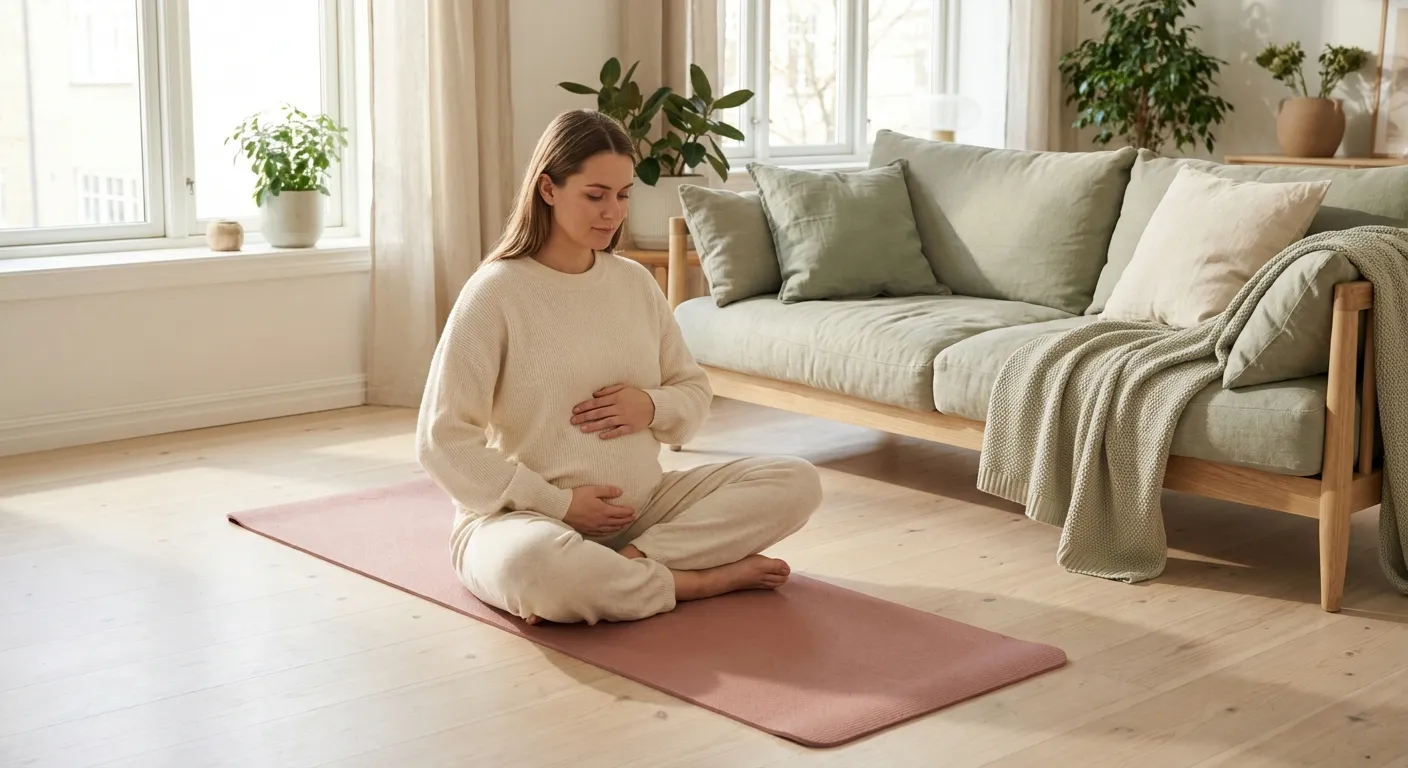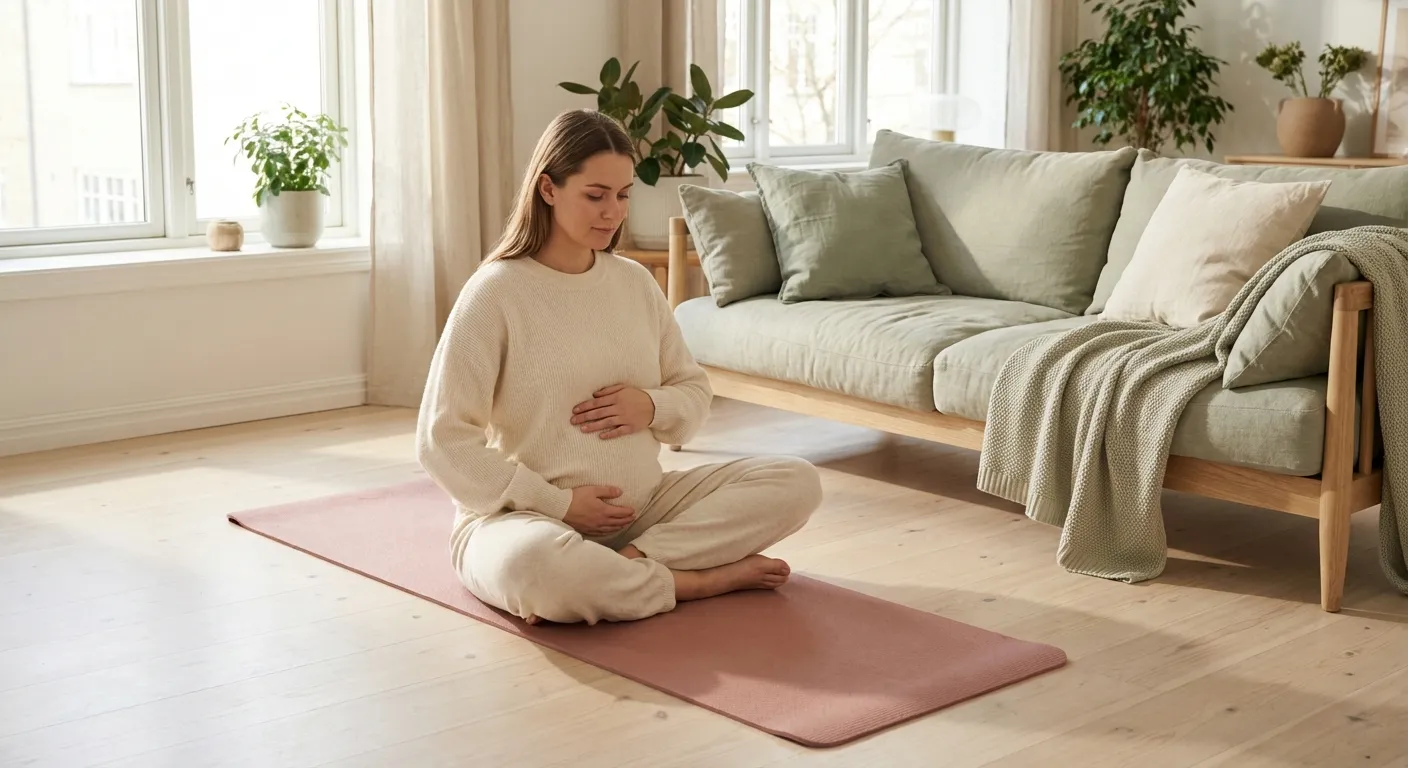
Half of all pregnant and new mothers experience urinary leakage. Kegel exercises are the most effective way to prevent and treat it.
This guide gives you a concrete training program based on expert recommendations, with proper technique and rep counts.
What Are Kegel Exercises?
Kegel exercises strengthen the pelvic floor muscles, the muscles that sit like a hammock between the pubic bone and the tailbone. These muscles support the bladder, uterus, and bowel.
During pregnancy, the pressure on the pelvic floor increases dramatically. After birth, the muscles may be stretched and weakened. Regular Kegel exercises can:
- Prevent and treat urinary incontinence
- Reduce the risk of prolapse
- Improve sexual function
- Provide better posture and core support
- Help with faster postpartum recovery
When Should You Start Kegel Exercises?
During Pregnancy
Start as early as week 12–16, or as soon as possible. According to the ACOG, regular training throughout pregnancy can reduce the risk of urinary incontinence both during and after pregnancy.
After Birth
You can begin gently as early as 6–24 hours after vaginal birth. After cesarean: start when pain allows. Experts recommend daily training for at least 3 months after birth.
Kegel exercises during pregnancy can give you better control over the muscles during labor itself. It's never too late to start.
How to Do Kegel Exercises Correctly
Many people do Kegel exercises wrong without knowing it. Here's the step-by-step:
Find the Right Muscles
- Imagine stopping the flow of urine
- Or holding in gas
- You should feel a lift inward and upward
Perform the Exercise
- Gently squeeze around the vagina and rectum
- Lift inward and upward
- Hold for 5–10 seconds
- Relax completely for the same amount of time
- Repeat 8–12 times
- Do 3 sets per day
Check That You're Doing It Right
- Stomach should be relaxed
- Thighs should be relaxed
- Buttocks should be relaxed
- Breathing should be normal, don't hold your breath
Don't push downward! You should lift upward. Pushing can worsen symptoms.
The Training Program: 3 Levels
Based on expert recommendations:
Level 1: Beginner (Weeks 1–4)
| Exercise | Reps | Sets | Frequency |
|---|---|---|---|
| Slow squeeze | 8, hold 5 sec | 3 | Daily |
| Quick squeeze | 10, 1–2 sec | 2 | Daily |
Level 2: Intermediate (Weeks 5–8)
| Exercise | Reps | Sets | Frequency |
|---|---|---|---|
| Slow squeeze | 10, hold 8 sec | 3 | Daily |
| Quick squeeze | 15, 1–2 sec | 3 | Daily |
Level 3: Advanced (Week 9+)
| Exercise | Reps | Sets | Frequency |
|---|---|---|---|
| Slow squeeze | 12, hold 10 sec | 3 | Daily |
| Quick squeeze | 20–30, 1–2 sec | 3 | Daily |
Experts recommend 3 sets of 8–12 reps daily. Total training time: 20–30 minutes per week is enough to see results.

When Will You See Results?
Most people notice improvement after 3–6 months of regular training. Here's what to expect:
| Time | Expected Progress |
|---|---|
| 2 weeks | Better control and awareness |
| 4–6 weeks | Less leakage |
| 3 months | Noticeable strength increase |
| 6 months | Full effect of training |
The key is daily training. Short sessions spread throughout the day are better than one long session per week.
Common Mistakes to Avoid
- Holding your breath. Breathe normally throughout the exercise
- Tensing your stomach. Only the pelvic floor should be working
- Squeezing your buttocks. Keep glutes and thigh muscles relaxed
- Forgetting to relax. Relaxation is just as important as the squeeze
- Training too rarely. Daily training gives results, weekly doesn't
When Should You Seek Help?
Contact your doctor or pelvic floor physical therapist if you:
- Have significant pain in the pelvis
- Experience heavy leakage despite training
- Feel something bulging from the vagina (sign of prolapse)
- Are unsure whether you're doing the exercises correctly
- Have had grade 3–4 prolapse or severe incontinence
A pelvic floor physical therapist can provide individual guidance and check that you're training correctly.

Frequently Asked Questions
Can I do Kegel exercises during pregnancy?
Yes. The ACOG recommends starting as early as possible in pregnancy. The exception is if you're at risk for preterm labor, check with your midwife or OB-GYN.
Is it too late to start Kegel exercises?
No. Women of all ages can strengthen the pelvic floor. Even years after birth, the muscles can be trained.
How many times a day should I train?
3 sets of 8–12 reps daily, according to experts. Spread the sets throughout the day, morning, afternoon, and evening.
Can men do Kegel exercises too?
Yes. Pelvic floor training is recommended for all adults as prevention against incontinence.
Read More
Sources
🔧 Helpful Tools
- Baby Milestones Tracker. Track your baby's developmental milestones
- Pelvic Floor Trainer. Guided pelvic floor exercises for pregnancy and postpartum
- All Baby Tools. Browse all free tools for pregnancy and baby care
📖 Related Articles
- Kegel Exercises: Complete Guide to Pelvic Floor Training. Everything about Kegel exercises and pelvic floor training. How to train your pelvic floor correctly, during pregnancy, after birth, and for prevention. Step-by-step exercises.
- Kegel Exercises: Complete Pelvic Floor Training Guide. Learn the correct technique for Kegel exercises. Training program with sets and reps, based on WHO and medical guidelines.
- Pelvic Floor Exercises: How to Strengthen the Muscles That Matter. Learn how to do pelvic floor exercises correctly. A complete guide with Kegel exercises, an 8-week training plan for pregnant and postpartum women, anatomy overview, and common mistakes to avoid.