Key Takeaways
- Meaningful improvements in sleep length are realistic from 4–6 months, before this, biology limits stretch duration regardless of what parents do.
- The AAP recommends keeping the baby's sleep environment between 16–20°C (61–68°F), a room that is too warm is associated with increased SIDS risk.
- Research published in Sleep Medicine found that babies with a consistent bedtime routine fell asleep faster, woke less overnight, and had better daytime behaviour, a 20–30 minute sequence in the same order each night is sufficient.
- An overtired baby produces excess cortisol, making it paradoxically harder to fall and stay asleep, matching wake windows to your baby's age is one of the most effective tools for improving sleep.
- Babies naturally cycle through sleep stages every 45–60 minutes, those who fall asleep independently at bedtime are far more likely to resettle themselves when they partially wake between cycles.
The Short Answer
The most effective evidence-based strategies to help babies sleep longer are: optimising wake windows, establishing a consistent bedtime routine, creating a sleep-supportive environment, and encouraging self-settling skills. Most improvements are seen from 4–6 months onwards.
Start With Appropriate Expectations
No strategy will produce long sleep in a newborn, biology limits this. Realistic benchmarks:
- 0–3 months: 2–4 hour stretches are normal; focus on sleep safety, not length
- 4–6 months: Conditions are ripe for lengthening stretches with environmental and routine changes
- 6–12 months: With consistent routines, most babies can achieve a 6–10 hour overnight stretch
Strategy 1: Nail the Wake Windows
Wake windows are the age-appropriate amount of time a baby can stay awake before becoming overtired. Both under- and over-tired babies sleep poorly.
| Age | Typical wake window |
|---|---|
| 0–6 weeks | 45–60 minutes |
| 6–12 weeks | 60–90 minutes |
| 3–4 months | 75–120 minutes |
| 5–6 months | 2–2.5 hours |
| 7–9 months | 2.5–3.5 hours |
| 10–12 months | 3–4 hours |
An overtired baby produces more cortisol, making it paradoxically harder to fall and stay asleep.
Strategy 2: Establish a Consistent Bedtime Routine
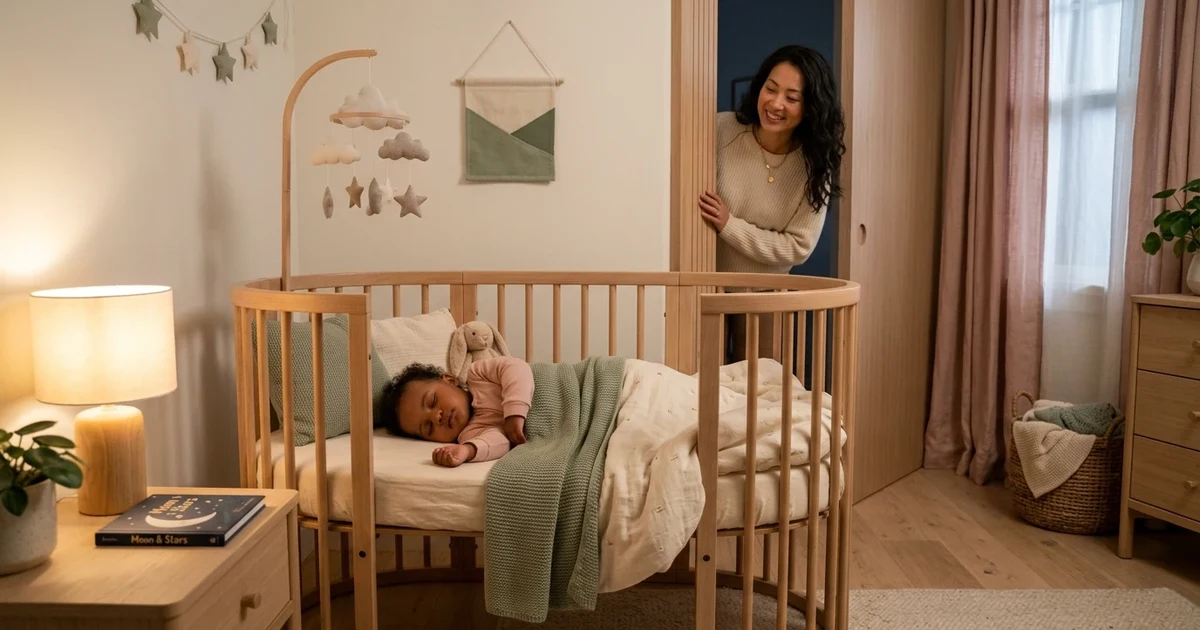
Consistency is the single most evidence-backed sleep strategy. A short, predictable routine signals the brain to begin melatonin production:
- Duration: 20–30 minutes
- Sample routine: Warm bath → massage → feed → lullaby → dark room → put down drowsy
- Start the same time each night (ideally 6:30–8:00 PM for most babies)
- Do the same sequence in the same order every night
Research published in Sleep Medicine found that babies with a consistent routine fell asleep faster, woke less overnight, and had better daytime behaviour.
Strategy 3: Optimise the Sleep Environment
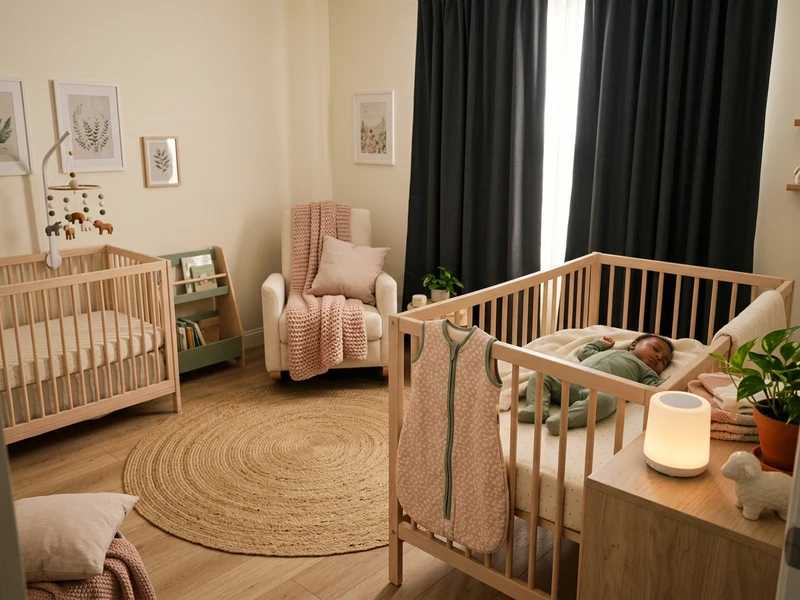
- Darkness: Use blackout curtains, darkness stimulates melatonin production in babies from about 3–4 months
- Temperature: 16–20°C (61–68°F) is the AAP-recommended range for infant sleep
- White noise: Continuous white noise (60–65 dB) masks household sounds and extends sleep cycles; place machine at least 2 metres from baby's head
- Safe sleep setup: Firm, flat mattress, no soft bedding, no loose items in the cot (AAP Safe Sleep guidelines)
Strategy 4: Encourage Self-Settling
Babies who fall asleep independently at bedtime are far more likely to resettle themselves when they partially wake between sleep cycles (approximately every 45–60 minutes):
- Put baby down drowsy but awake, at least some nights per week
- Avoid feeding to sleep as the only sleep association, especially after 4 months
- Give baby 2–3 minutes to attempt resettling before intervening
Strategy 5: Distinguish True Waking from Sleep Sounds
Babies are naturally noisy sleepers. Many parents respond to every grunt and squirm, inadvertently waking a baby who would have resettled:
- Wait 2–3 minutes before entering the room
- Use a monitor but resist watching every movement
- True waking = sustained crying lasting more than 3–5 minutes
Age-Specific Tips
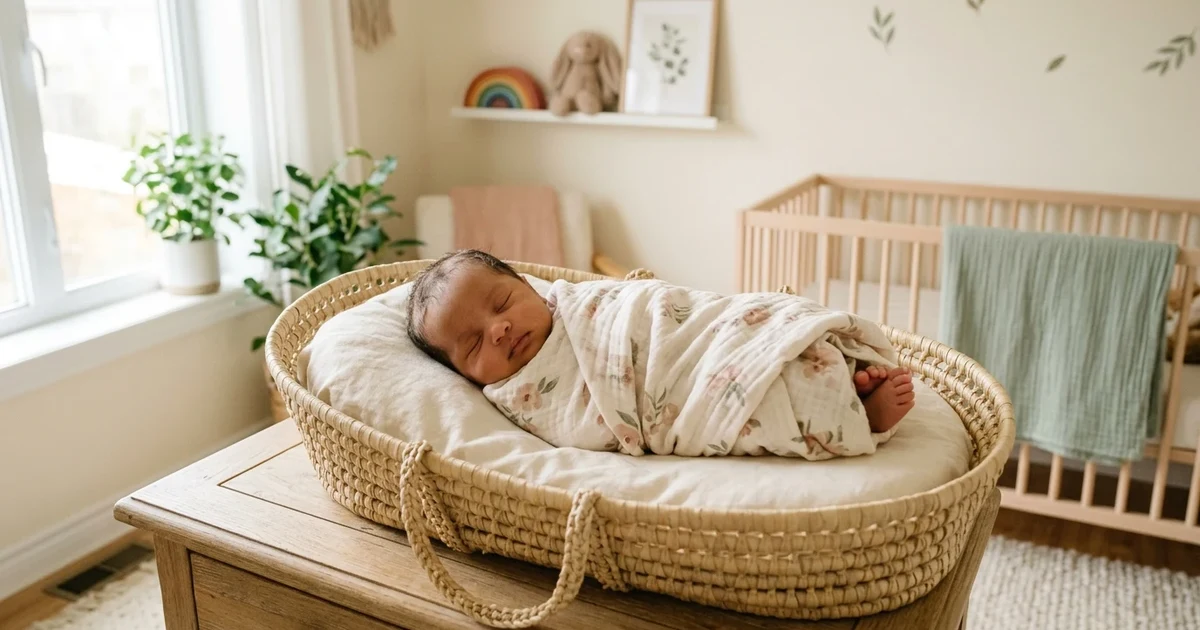
- Under 3 months: Focus on swaddling, white noise, and preventing overtiredness. Do not attempt sleep training.
- 3–4 months: Introduce routine and dark room. The 4-month sleep regression is unavoidable but shorter with a consistent environment.
- 4–6 months: Ideal time to gently encourage self-settling. Graduated approaches (check-and-console) show good evidence.
- 6+ months: Fading, pick-up-put-down, or graduated extinction are all evidence-supported options. AAP notes these approaches are safe and not harmful to attachment.
Track Progress
Use our Baby Sleep Tracker to log wake windows, sleep stretches, and identify patterns that reveal what's working.
Related Articles
Frequently Asked Questions
At what age can I start trying to help my baby sleep longer?
Meaningful improvements in sleep length are realistic from 4–6 months. Before this, biology limits stretch duration regardless of what parents do, newborn stomachs are too small to go long without feeding. Focus on safe sleep and routine foundations in the first 3 months.
Does a consistent bedtime routine actually help babies sleep longer?
Yes, research published in Sleep Medicine found that babies with a consistent bedtime routine fell asleep faster, woke less overnight, and had better daytime behaviour. The routine works by signalling the brain to begin melatonin production. A 20–30 minute sequence done in the same order each night is sufficient.
What is the ideal room temperature for baby sleep?
The AAP recommends keeping the baby's sleep environment between 16–20°C (61–68°F). A room that is too warm is associated with increased SIDS risk. A temperature sensor on a baby monitor is a practical way to monitor this without entering the room.
Does white noise help babies sleep longer?
Yes, continuous white noise at 60–65 dB masks household sounds that cause partial wakings between sleep cycles. Place the machine at least 2 metres from the baby's head. White noise works for babies of all ages and is safe for long-term use at appropriate volumes.
When is the right age to start sleep training?
The AAP considers graduated sleep training approaches safe and effective from around 4–6 months. Before 4 months, sleep training is not developmentally appropriate. Most approaches (check-and-console, fading, pick-up-put-down) show good evidence of effectiveness and are not harmful to infant attachment.
Why does my baby wake every 45 minutes overnight?
Babies cycle through sleep stages approximately every 45–60 minutes. If a baby falls asleep with a sleep association (feeding, rocking) and cannot recreate that condition when they partially wake between cycles, they rouse fully. Encouraging self-settling at bedtime, putting baby down drowsy but awake, helps babies learn to resettle independently.
What is a wake window and why does it affect night sleep?
A wake window is the age-appropriate amount of time a baby can stay awake before becoming overtired. An overtired baby produces excess cortisol, making it paradoxically harder to fall and stay asleep. Matching wake windows to your baby's age is one of the most effective tools for improving both naps and overnight sleep.
Sources
- American Academy of Pediatrics (AAP), Getting Your Baby to Sleep
- NHS, Sleep tips for babies
- World Health Organization (WHO), Child Development and Sleep
- Mayo Clinic, Baby sleep: Helping your baby sleep through the night
🔧 Helpful Tools
- Baby Sleep Tracker. Track and optimize your baby's sleep
- Baby Food Guide. Safe foods and introduction schedule for your baby
- All Baby Tools. Browse all free tools for pregnancy and baby care