Key Takeaways
- Newborns (0–3 months) need 14–17 hours of total sleep per day, distributed across multiple short stretches of 1–4 hours, not one consolidated block.
- Newborns spend up to 50% of sleep in REM-like active sleep (versus 20–25% in adults), making them easier to rouse and naturally prone to frequent waking.
- The internal circadian rhythm (day/night clock) does not develop until 6–12 weeks, before this, night-day confusion is biological, not a sleep problem.
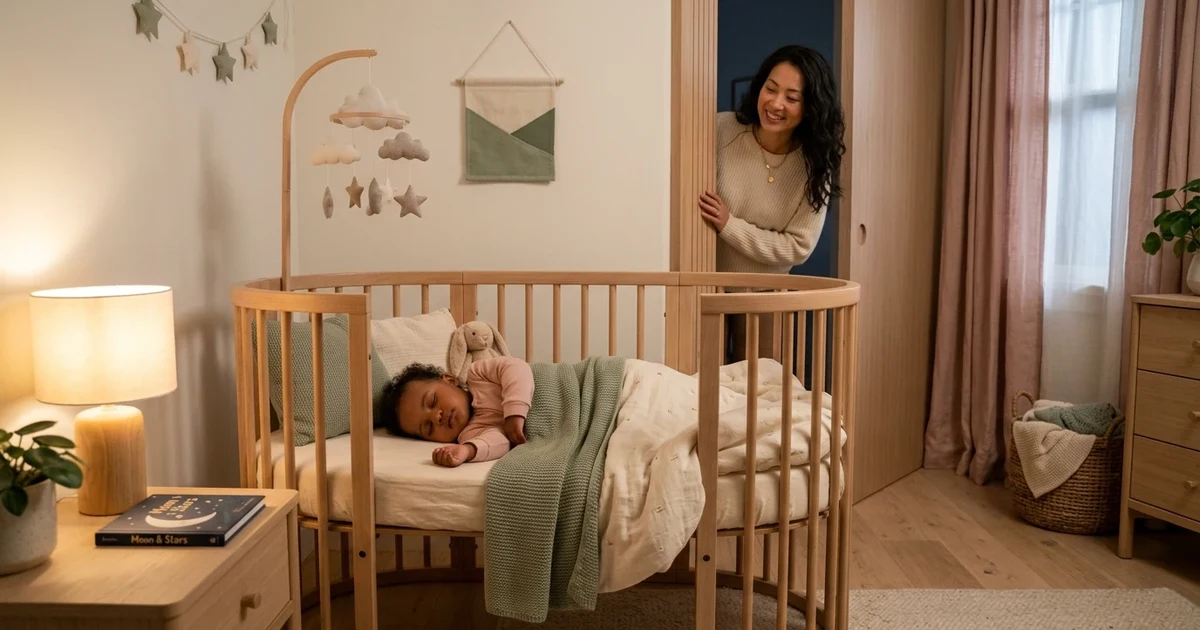
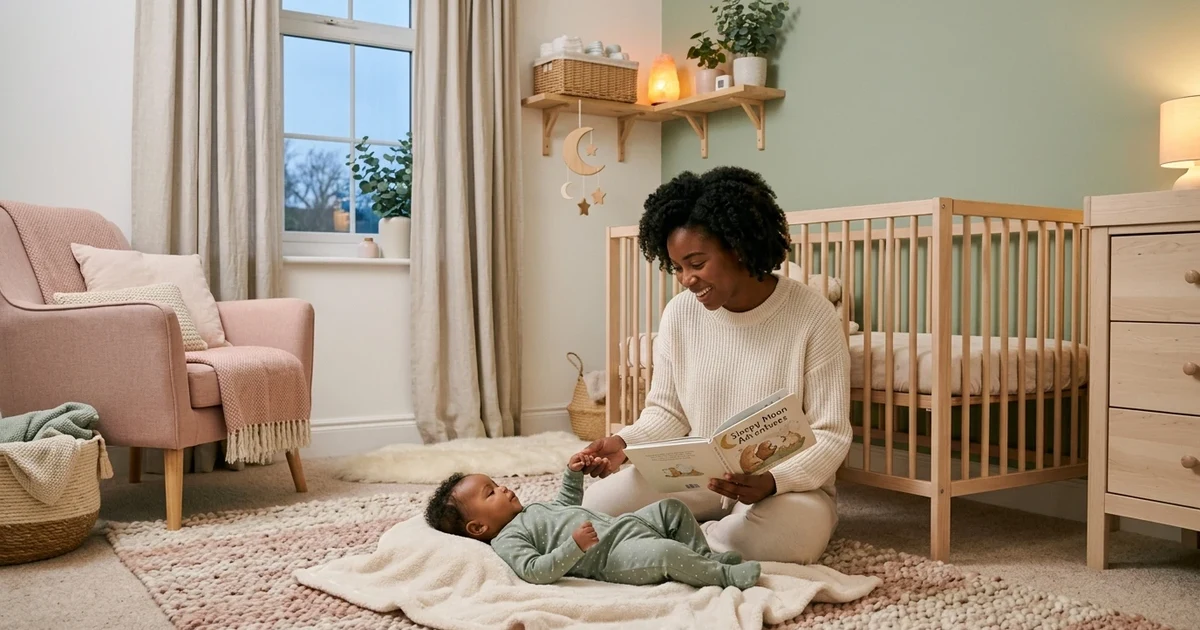
- Room-sharing (baby in their own sleep surface in the parents' room) reduces SIDS risk by up to 50% according to the AAP, which recommends this for at least the first 6 months.
- In the first 6–8 weeks, do not let a newborn go more than 3–4 hours without feeding during the day, or more than 4–5 hours overnight, feed on demand per AAP and WHO guidelines.
The Short Answer
Newborns (0–3 months) need 14–17 hours of total sleep per day, according to the National Sleep Foundation and guidelines aligned with AAP recommendations. This sleep is distributed across multiple short stretches of 2–4 hours throughout the day and night.
Sleep Needs by Age
Sleep requirements change rapidly in the first year:
| Age | Total sleep per day | Typical stretch length |
|---|---|---|
| 0–1 month | 14–17 hours | 1–3 hours |
| 1–3 months | 14–17 hours | 2–4 hours |
| 3–6 months | 12–16 hours | 4–6 hours |
| 6–12 months | 12–15 hours | 6–10 hours overnight |
Why Newborns Sleep So Much
Newborns sleep in frequent short cycles because:
- Brain development: The first weeks involve explosive neurological growth; sleep is the primary driver of neural consolidation
- Tiny stomachs: A newborn's stomach holds only 5–7 ml at birth, requiring feeds every 2–3 hours around the clock
- Sleep architecture: Newborns spend up to 50% of sleep in active (REM-like) sleep vs. 20–25% in adults, making them easier to rouse
- No circadian rhythm yet: The internal clock isn't calibrated until around 6–12 weeks, so day/night distinction is absent at first
Warning Signs: Too Much or Too Little Sleep
Consult your doctor if your newborn:
- Sleeps more than 18–19 hours consistently and is difficult to wake for feeds
- Seems lethargic, jaundiced, or is not gaining weight
- Sleeps fewer than 11 hours total and seems excessively fussy or irritable
- Has any periods of stopped breathing or colour changes during sleep
How to Support Healthy Newborn Sleep
- Follow hunger cues, do not skip night feeds in the first 6–8 weeks
- Expose baby to daylight during wake windows to help calibrate the circadian clock
- Safe sleep environment: Always place baby on their back on a firm, flat surface with no soft bedding (AAP Safe Sleep guidelines)
- Swaddling can extend sleep stretches in the first 6–8 weeks, but stop when baby shows signs of rolling
- White noise mimics womb sounds and can help babies stay in lighter sleep stages
The "Newborn Phase" Is Temporary
The NHS reassures new parents that broken sleep in the newborn period is entirely normal and expected. Most babies naturally begin consolidating sleep into longer stretches between 6–12 weeks as their circadian rhythm develops.
The AAP emphasises that feeding on demand, even through the night, is the recommended approach in the first months and should not be restricted in favour of sleep training.
Track Your Baby's Sleep
Use our Baby Sleep Tracker to log sleep and wake windows, spot patterns, and understand what's normal for your specific baby's age.
Related Articles
- When Should a Baby Sleep Through the Night?
- What Is a Wake Window?
- How to Help Your Baby Sleep Longer
Frequently Asked Questions
How many hours does a newborn need to sleep each day?
Newborns (0–3 months) need 14–17 hours of total sleep per day, according to the National Sleep Foundation and AAP-aligned guidelines. This sleep is spread across multiple short stretches of 1–4 hours throughout the day and night, not one consolidated block.
How long should a newborn sleep at a stretch?
In the first month, most newborns sleep in stretches of 1–3 hours. By 1–3 months, stretches typically extend to 2–4 hours. Longer stretches only become realistic from around 3–6 months as the circadian rhythm begins to develop.
When do newborns start sleeping through the night?
Most babies begin consolidating sleep into longer overnight stretches between 6–12 weeks as their circadian rhythm matures. "Sleeping through the night", defined as a 5–6 hour stretch, is more common from 4–6 months. The NHS emphasises that broken sleep in the newborn phase is entirely normal.
Is it safe to let a newborn sleep a lot?
Yes, sleeping 14–17 hours per day is normal and healthy. However, consult your doctor if your newborn consistently sleeps more than 18–19 hours, is difficult to wake for feeds, seems lethargic, or is not gaining weight adequately.
What is the safest way for a newborn to sleep?
The AAP recommends always placing baby on their back on a firm, flat surface with no soft bedding, pillows, or loose items in the sleep area. Room-sharing (baby in their own sleep surface in the parents' room) is recommended for at least the first 6 months and reduces SIDS risk by up to 50%.
Why does my newborn only sleep for 45 minutes at a time?
Newborns cycle through sleep stages approximately every 45–50 minutes and naturally rouse briefly between cycles. Without established self-settling skills, they wake fully. This pattern is biological and normal, it typically begins to improve from 3–4 months as sleep architecture matures.
Should I wake my newborn to feed?
Yes, in the first 6–8 weeks, do not let a newborn go more than 3–4 hours without feeding during the day, and no more than 4–5 hours overnight, unless your paediatrician advises otherwise. The AAP and WHO both recommend feeding on demand in the early weeks.
Sources
- American Academy of Pediatrics (AAP), How Much Sleep Do Children Need?
- National Sleep Foundation, Newborn Sleep
- NHS, Sleep and your baby
- World Health Organization (WHO), Caring for newborns
🔧 Helpful Tools
- Baby Sleep Tracker. Track and optimize your baby's sleep
- Baby Food Guide. Safe foods and introduction schedule for your baby
- All Baby Tools. Browse all free tools for pregnancy and baby care