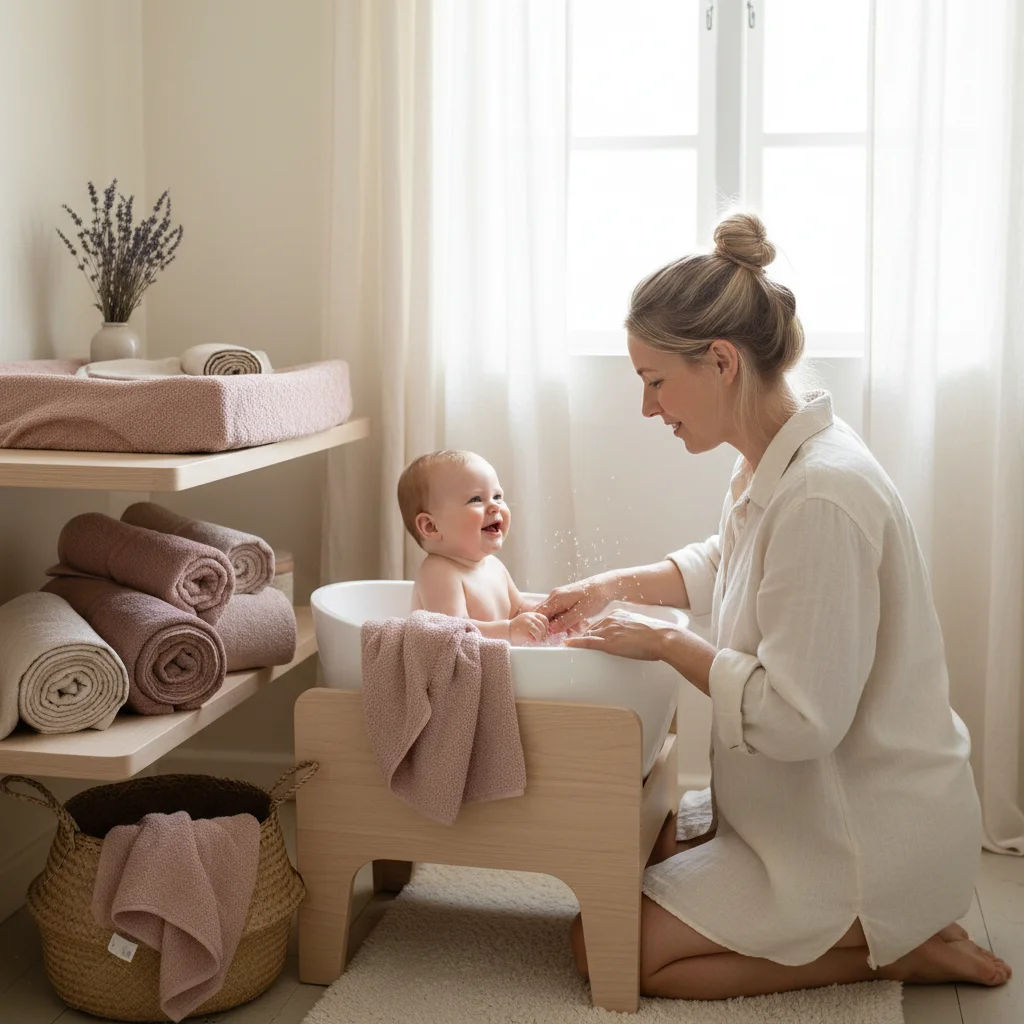
Baby skin is soft, lovely, and incredibly delicate. It is thinner than adult skin, has fewer pigments, and loses moisture more quickly. That means it needs extra gentle care.
Many parents are unsure how much skin care their baby actually needs. The answer is often: less than you think. Good baby skincare is mostly about leaving the skin alone and only stepping in when necessary.
Here is a complete guide to bathing, moisturizing, sun protection, and common skin conditions.
Key Takeaways
- The WHO recommends delaying baby's first bath by at least 24 hours to let vernix (the natural waxy coating) absorb and protect newborn skin.
- Newborns need bathing only 2–3 times per week, daily baths strip natural oils and can cause dryness and irritation.
- The AAP advises no sunscreen on babies under 6 months, shade and lightweight clothing are the safest sun protection for the youngest infants.
- About 10–15% of babies develop eczema in the first year; the first-line treatment is consistent moisturizing with fragrance-free emollients, not steroids.
- Use fragrance-free, pH-balanced products designed for babies, many adult products disrupt the acid mantle of infant skin, increasing infection risk.
Newborn Skin
Newborns often have a white, waxy coating on their skin called vernix. This protects the skin and should not be washed off right away. Let it absorb naturally.
In the first few weeks you may notice your baby's skin peeling. This is completely normal and is caused by the transition from amniotic fluid to air. You do not need to apply cream unless the skin looks visibly dry or cracked.
Vernix is nature's own moisturizer. The WHO recommends delaying the first bath for at least 24 hours after birth so the vernix can do its work.
Bathing
How Often Should You Bathe Your Baby?
Newborns do not need daily baths. Two to three times a week is enough. Bathing too frequently strips the skin of its natural oils and can make it dry and irritated.
Between baths, a daily wash of the face, neck, hands, and diaper area is sufficient.
Bathing Tips
- Temperature: Bathwater should be around 37°C (98.6°F). Use a bath thermometer or test with your elbow.
- Duration: Keep baths short, 5 to 10 minutes is enough.
- Products: Use only mild, fragrance-free products designed for babies. Regular soap and bubble bath are too harsh.
- Umbilical cord: Wait until the cord stump has fallen off and the navel has healed before placing your baby in water. Until then, a gentle sponge bath is sufficient.
- After the bath: Pat the skin gently dry with a soft towel. Do not rub.
Many babies love bath time. Make it a pleasant routine, ideally as part of the evening care. Warm water and a calm atmosphere can help your baby relax before bedtime.
Moisturizing
Baby skin does not need cream unless it is dry. But if the skin looks tight, flaky, or irritated, an unscented moisturizer can help.
Choosing the Right Products
- Fragrance-free, fragrance is a common cause of skin irritation
- Mild and simple, fewer ingredients is better
- Designed for babies, adult products may contain ingredients that irritate a child's skin
- Ointments and creams rather than lotions provide better moisture for dry skin
Good options include pure oils like sweet almond oil or sunflower oil, or mild baby creams from a pharmacy. Ask your pediatrician or pharmacist for recommendations.
The Diaper Area
The skin under the diaper is especially vulnerable because it is moist and in contact with urine and stool. Good diaper hygiene is the best prevention for diaper rash.
- Change diapers frequently, do not let your baby sit in a wet or dirty diaper for long
- Clean gently, use lukewarm water and a soft cloth. Wipes are fine on the go, but choose fragrance-free ones
- Air the skin, let your baby go without a diaper for a while each day
- Zinc paste when needed, protects the skin with a moisture barrier
If a diaper rash does not clear up after a few days of good care, or it is red, shiny, and has defined edges, it may be a yeast infection (thrush). Contact your pediatrician for an assessment.
Common Skin Conditions in Babies
Cradle Cap (Seborrheic Dermatitis)
Yellow or brownish flakes on the scalp are very common in babies. It may not look pretty, but it does not itch and does not bother the baby.
You can massage baby oil into the scalp, leave it for a few hours, then gently brush with a soft brush before washing the hair. It usually clears up on its own before the baby turns one.
Dry and Flaky Skin
Especially common in the first weeks, but can also return during dry periods, winter months, or after frequent bathing. Use fragrance-free moisturizer and reduce bathing frequency.
Atopic Eczema
Up to 20 percent of children develop atopic eczema. The skin becomes red, dry, itchy, and may crack. It often starts on the face, in the elbow folds, or behind the knees.
Daily moisturizing is the cornerstone of treatment. Talk to your pediatrician if the eczema is causing distress.
Newborn Acne
Small red spots on the face can appear around 2 to 4 weeks of age. They are caused by hormones from the mother and will go away on their own. Do not squeeze them and avoid applying cream.
Erythema Toxicum
Red patches with small yellow spots in the center. It looks dramatic but is completely harmless and very common in newborns. It disappears on its own within a few days.
Sun Protection
Baby skin is especially vulnerable to UV rays because it is thinner and has less pigment than adult skin.
Under 6 Months
Infants under 6 months should not be exposed to direct sunlight, according to AAP guidelines. Keep the stroller in the shade and protect your baby with clothing and a sun hat.
From 6 Months
On skin areas not covered by clothing, you can use sunscreen designed for children with at least SPF 30. A mineral sunscreen is gentler on baby skin.
From 1 to 3 Years
Protection should still consist mainly of clothing, a sun hat, and sunglasses. Avoid prolonged exposure to direct sunlight, especially midday (11am–3pm). Apply sunscreen to uncovered skin.
Remember that babies can also get sunburned in the shade, because UV rays are reflected off water, sand, and snow. Use sun protection even in the shade on sunny days.
Products to Avoid
- Fragranced products, fragrance irritates delicate baby skin
- Adult soap and shower gel, too harsh a pH for baby skin
- Baby powder/talcum, can irritate the airways and dries out skin
- Essential oils, too strong for babies, can cause allergic reactions
- Antibacterial products, unnecessary and can disrupt the skin's natural bacterial balance
When to See a Doctor
Contact your pediatrician if:
- A rash spreads quickly or your baby seems generally unwell
- The skin has blisters, open sores, or is weeping fluid
- Diaper rash lasts more than a week despite good care
- You suspect infection (warm, swollen, yellow pus)
- Your baby scratches a lot and is restless, especially at night
- You are unsure and want guidance
Frequently Asked Questions
Do I need to moisturize a newborn?
Not necessarily. Newborn skin peels naturally in the first weeks, and that is normal. Only apply cream if the skin is visibly dry, cracked, or irritated. In that case, use a fragrance-free cream or pure oil.
Can I use wipes on a newborn?
Yes, but choose fragrance-free, alcohol-free wipes designed for babies. In the first weeks, lukewarm water and a soft cloth is the gentlest option.
How early can I use sunscreen on my baby?
The AAP recommends keeping infants under 6 months out of direct sunlight. From 6 months of age you can use sunscreen with at least SPF 30 on unprotected skin. Under 6 months, clothing, shade, and a sun hat are the safest protection.
Is it dangerous if my baby eats a little cream?
Small amounts of fragrance-free baby cream are harmless. Babies explore with their mouths, and it can happen that they get a little cream from their hands. Avoid applying cream to hands that your baby sucks on, and always use products designed for children.
Sources
🔧 Helpful Tools
- Baby Milestones Tracker. Track your baby's developmental milestones
- All Baby Tools. Browse all free tools for pregnancy and baby care
📖 Related Articles
- Bathing Your Baby: The Right Water Temperature and Safe Bath Routine. Everything about bathing a baby, the right water temperature (98.6°F / 37°C), how often, safe holds, and how to make bath time a great experience for both baby and parents.
- Colic in Babies: Causes, Symptoms, and What Helps. Does your baby have colic? Learn about causes, symptoms, and evidence-based methods that provide relief. Based on pediatric guidelines.
- Cradle Cap in Babies: Causes and Treatment. Cradle cap is common and harmless in babies. Learn what it is, why it occurs, and how to treat it gently.