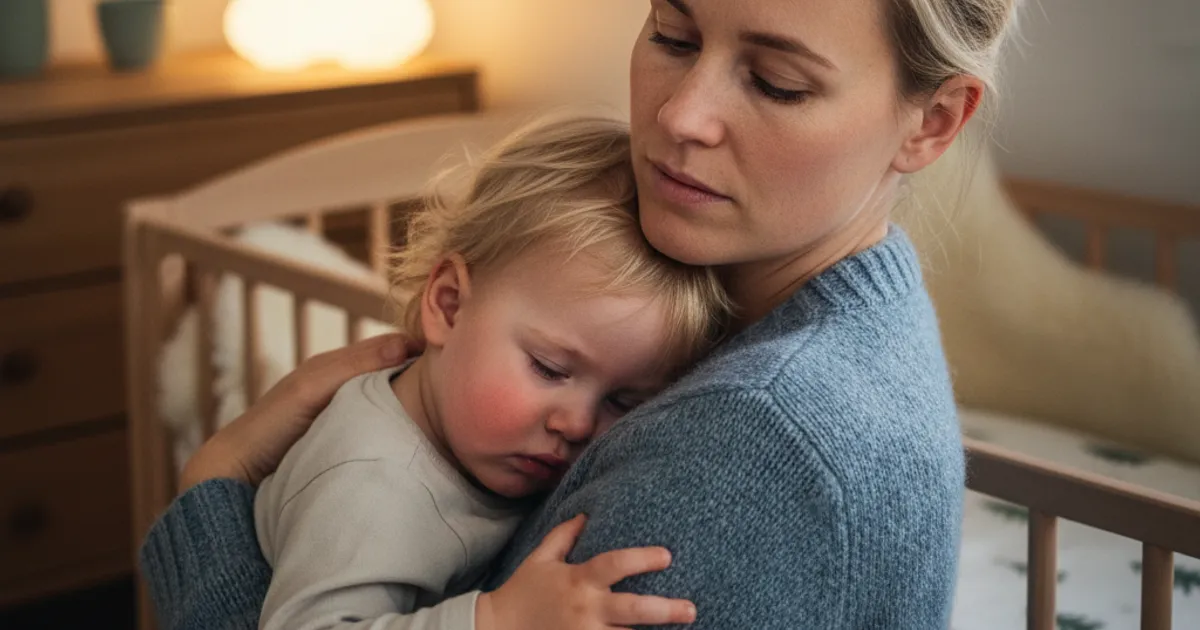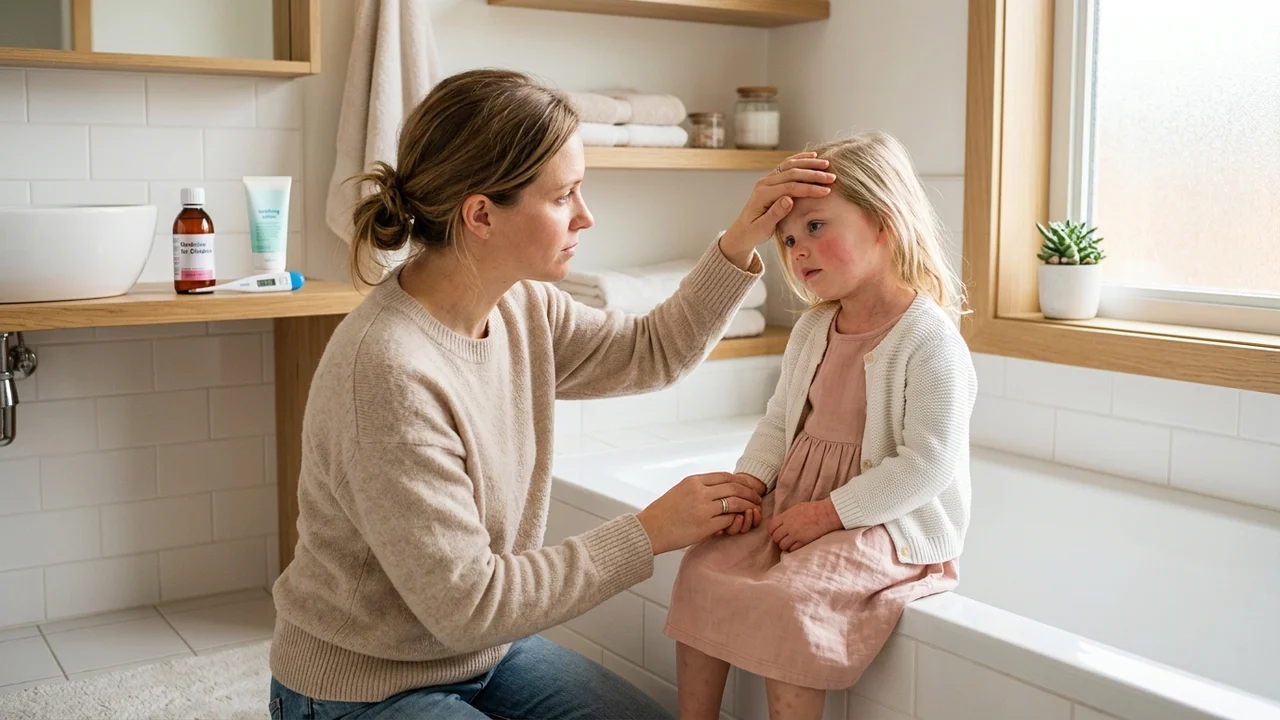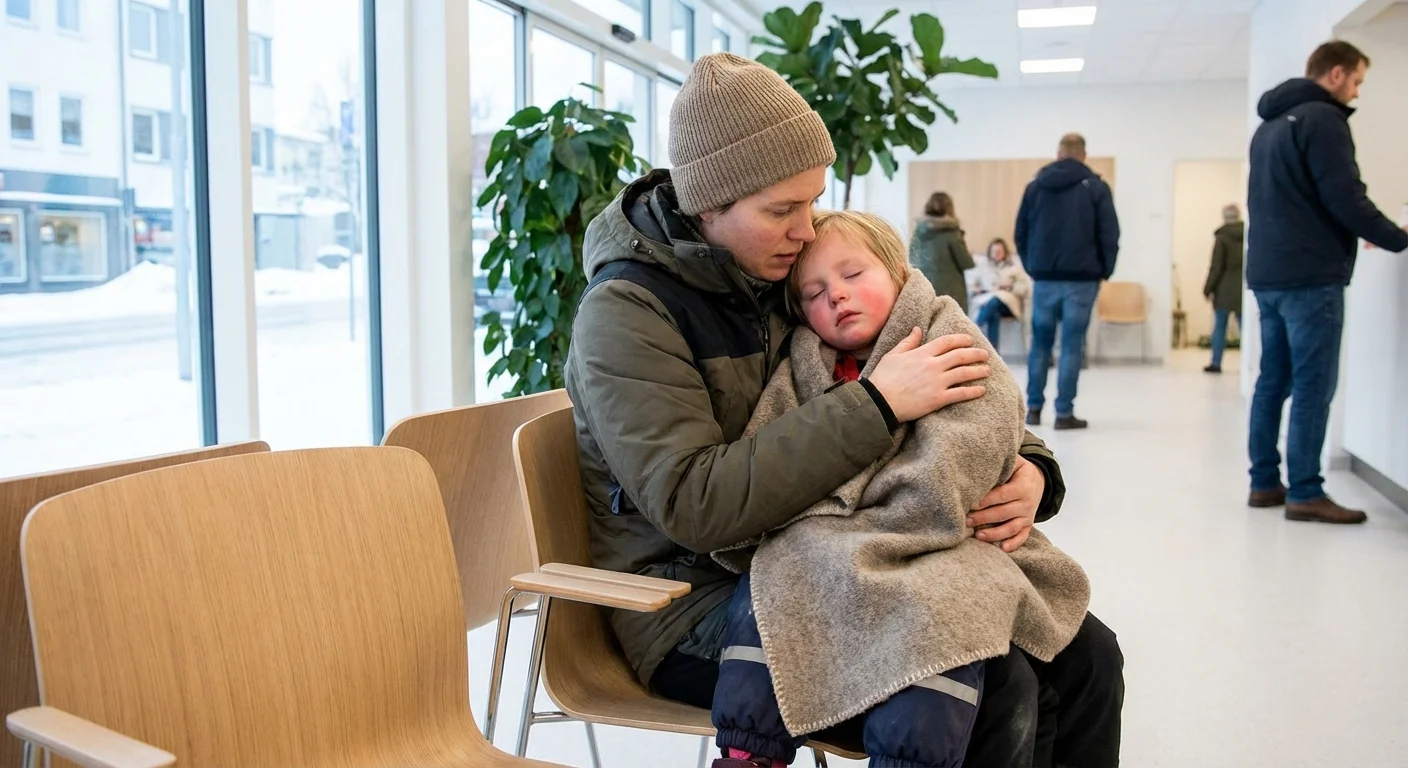
It's the middle of the night, your child is feverish and crying. Can this wait until morning, or should you call the doctor right now? As a parent, it can be hard to know when an illness is harmless and when you need to seek help.
The good news is that your gut instinct is usually right. If you're worried, it's always the right call to reach out to a healthcare provider. No one will judge you for calling one time too many.
This guide helps you assess the situation and choose the right level of care, from your pediatrician to emergency services.
Three Levels of Medical Care
It helps to know the difference between the levels of care available to you:
1. Pediatrician / Family Doctor
Call your pediatrician during office hours for:
- Colds and common childhood illnesses without worsening
- Fever in children over one year with otherwise good general condition
- Pink eye and mild infections
- Questions about your child's development and health
- Follow-up after illness
Well-child visits at your pediatrician's office are the right place for general questions about health, development, growth, and wellbeing. Don't bring a sick child to a well-child visit, they can infect others.
2. Urgent Care / After-Hours Nurse Line
Contact an after-hours nurse line or urgent care when your regular doctor isn't available and the issue can't wait until the next day.
Many pediatric practices and insurance plans offer 24-hour nurse advice lines. You don't need to feel that the situation is serious to call, they can assess it over the phone and advise you whether to come in.
Examples of when to contact urgent care:
- High fever in a child that doesn't improve with fever-reducing medication
- A child who becomes lethargic or very listless
- Moderate breathing difficulties
- Sudden worsening of an illness
- A lethargic, unwell child
- Cuts that may need stitches
- Suspected fractures
3. Emergency Services. Call 911
Call 911 when the situation is acute and potentially life-threatening.
Call 911 if your child:
- Has lost consciousness and won't wake up
- Has stopped breathing or is breathing with extreme difficulty
- Is limp and unresponsive
- Is having seizures that won't stop
- Has blue lips, tongue, or fingertips
- Has petechiae (small skin bleeds that don't fade under pressure) along with fever
- Has ingested something toxic and is showing a reaction
- Has severe burns or a serious head injury
If you're torn between urgent care and 911: Call 911. They can always guide you further. It is better to call one time too many than one time too few.
Warning Signs by Age
Your child's age affects which symptoms are most concerning. As a general rule: the younger the child, the lower the threshold for seeking medical evaluation.
Newborns Under 3 Months
Newborns and very young infants have an immature immune system and can become seriously ill very quickly. Be especially vigilant:
Always contact a doctor if your baby has:
- Fever above 100.4°F (38°C), all infants under three months with any fever should be evaluated by a doctor
- Temperature below 95°F (35°C) with cold skin and lethargy
- Breathing difficulties, rapid breathing, chest retractions, flaring nostrils
- Cough, infants under three months with a cough should always be evaluated
- Won't eat for more than six hours
- Inconsolable crying that cannot be soothed
- Lethargy, difficult to wake, limp, or hard to engage
- Yellowing skin (jaundice) that worsens after the first week of life
Infants under three months can have a serious infection without showing obvious symptoms. Fever alone is enough to contact a doctor, even if the baby seems relatively well otherwise.
Babies 3–12 Months
Babies in this age range are still vulnerable, but show clearer signs of illness:
Contact a doctor or urgent care if your baby:
- Has a fever above 102.2°F (39°C) that doesn't come down with acetaminophen or ibuprofen
- Has had a fever for more than three days
- Has a fever that broke and then spiked again sharply
- Has breathing difficulties or is breathing faster than normal
- Refuses to eat or drink for more than half a day
- Has fewer wet diapers than usual (fewer than four in 24 hours)
- Has a sunken fontanelle (a sign of dehydration)
- Is unusually lethargic, irritable, or hard to engage
- Has been vomiting for more than six hours combined with lethargy
- Has a rash that doesn't fade under the glass test
Toddlers 1–3 Years
Older babies and toddlers can better show where it hurts and what's bothering them. Still, stay alert:
Contact a doctor or urgent care if your child:
- Has a fever above 104°F (40°C), or a fever that doesn't respond to fever-reducing medication
- Has had a fever for more than three to four days
- Complains of a severe headache combined with neck stiffness
- Has breathing difficulties or wheezing that doesn't improve
- Has been bleeding heavily and the bleeding won't stop
- Has persistent abdominal pain (especially on the right side)
- Is visibly dehydrated, dry lips, little urine, very thirsty
- Has severe diarrhea and vomiting lasting more than two to three days
- Is limping or refuses to use an arm or leg
- Is unusually drowsy, confused, or hard to wake
Important Symptoms to Recognize
General Condition. The Most Important Thing to Assess
Doctors use the term "general condition" to describe the overall state of a sick child. It's about more than just temperature:
Good general condition:
- The child is interested in their surroundings
- Plays or is active between fever spikes
- Drinks well
- Cries with strength
- Has good color
Reduced general condition (contact a doctor):
- The child is limp and uninterested
- Won't play or look at things
- Has very little energy
- Cries weakly or whimpers
- Is difficult to comfort
- Has pale, gray, or mottled skin
Severely reduced general condition (call 911):
- The child doesn't respond to stimulation
- Is limp or nearly impossible to wake
- Has blue lips or grayish skin
- Is breathing with great effort
A good sign is when a child perks up after fever-reducing medication. A child who is still limp and uninterested even after fever has gone down should be seen by a doctor.
Fever. Temperature Thresholds
Fever is the body's natural response to infection and is not dangerous in itself. But temperature can give you a useful guideline:
| Temperature | Assessment |
|---|---|
| 99.5–100.4°F (37.5–38°C) | Slightly elevated. Monitor the child. |
| 100.4–102.2°F (38–39°C) | Fever. Give fever-reducing medication if needed. |
| 102.2–104°F (39–40°C) | High fever. Give fever-reducing medication. Consider calling the doctor if it doesn't come down. |
| Above 104°F (40°C) | Very high fever. Contact a doctor. |
Important: Temperature alone is not decisive, overall condition matters most. A child with a temperature of 102°F who is playing and drinking well may be safer at home than a child with 101°F who is limp and refusing to drink.
Breathing Difficulties. Key Signs
Breathing difficulties always warrant a fast response. Watch for:
- Rapid breathing, count breaths per minute (normal: under 60 for newborns, under 40 for infants, under 30 for toddlers)
- Retractions, skin pulling in between the ribs, under the breastbone, or at the throat
- Nasal flaring, nostrils widening with each breath
- Wheezing or stridor, abnormal sounds when breathing
- Blue color, around lips, nails, or in the face
The Glass Test. For Rashes with Fever
If your child has a fever and a rash, do the glass test: press a drinking glass firmly against the rash.
- The rash fades and disappears under the glass: Usually not dangerous
- The rash does NOT fade under the glass (petechiae): Call 911 immediately, this can be a sign of meningococcal disease (bacterial meningitis)

Dehydration. Signs to Watch For
Children can become dehydrated quickly, especially with diarrhea, vomiting, or fever. Signs of dehydration:
Mild signs:
- Dry lips and mouth
- Less urine than usual
- Darker urine
- Slightly lethargic
Serious signs (contact a doctor):
- Dry diapers for more than twelve hours
- Sunken fontanelle in infants
- Sunken eyes
- Very thirsty but unable to drink
- Limp, hard-to-engage child
- Dry skin that doesn't "spring back" when gently pinched
Febrile Seizures
Febrile seizures affect around 2–5% of children between six months and five years of age. They are frightening to witness, but are usually harmless.
During the seizure:
- Lay the child down on a safe surface
- Place the child on their side (recovery position)
- Don't put anything in their mouth
- Time it, most seizures stop on their own within five minutes
- Call 911 if the seizure lasts more than five minutes, or the child doesn't wake up afterward
After the seizure:
- Contact a doctor for evaluation, especially the first time it happens
- The child should be examined to rule out a serious cause for the fever
Checklist: Before You Call
When calling a doctor or nurse line, it helps to have this information ready:
- Child's age in months or years
- Temperature, when you last took it and what it was
- When symptoms started and how they've progressed
- General condition, is the child lethargic, irritable, or relatively unaffected?
- Food and drink, how much has the child eaten and drunk in the past 24 hours?
- Diapers/urine, how many wet diapers in the past 24 hours?
- Medication, have you given acetaminophen, ibuprofen, or anything else? When and how much?
- Medical history, does the child have any chronic conditions or allergies?
- Exposure, has the child been in contact with anyone who is sick?
Keep a thermometer at home and know how to use it. Rectal temperature is most accurate for infants. For older children, an ear thermometer works well. Forehead thermometers are less accurate but easy to use.
Nighttime Fever. Wait or Call?
Many parents find that their child seems sicker in the evening and at night. Here's a simple guide:
You can safely wait until the next day if:
- The child has a fever but perks up after fever-reducing medication
- The child is drinking well and has wet diapers
- The child is sleeping calmly (check regularly)
- No breathing difficulties
- No rash that fails to fade
Call a nurse line or urgent care if:
- The child doesn't perk up after fever-reducing medication
- The child refuses to drink
- The child is breathing rapidly or with difficulty
- The child is very lethargic or irritable
- You are genuinely worried, your gut instinct matters
Call 911 if:
- The child is having seizures
- The child is not breathing normally
- The child is unconscious or limp
- The child has petechiae (a rash that doesn't fade) with fever
After the Doctor's Visit
Remember to ask the doctor:
- What signs of worsening to watch for
- When to get back in touch
- When the child can return to daycare or school
- Any medications and their dosing
Frequently Asked Questions
Is it okay to call the nurse line "just to ask"?
Yes. Nurse advice lines are there to help you. You don't need to be sure something is serious before calling. The nurses can assess the situation over the phone and advise you whether to come in or wait. Call one time too many rather than too few.
Should I give acetaminophen before going to the doctor?
Yes, you can give age- and weight-appropriate fever-reducing medication. The doctor doesn't need to see the child with a fever, general condition is what matters most. Just let the doctor know you gave medication and when.
What is the glass test, and when should I do it?
The glass test is done by pressing a glass firmly against a rash on a child with fever. If the rash doesn't fade (blanch) under the glass, it may be petechiae, small bleeds in the skin that can indicate a serious infection such as meningococcal disease. Call 911 immediately if you see this.
When should a child be kept home from daycare?
Generally, children should stay home if they have a fever, diarrhea, vomiting, or are too unwell to participate in normal activities. A child can return when they have been fever-free for 24 hours without fever-reducing medication and are well enough to take part in the daily routine.
What is Poison Control and when should I call?
Poison Control (1-800-222-1222 in the US) gives round-the-clock advice on poisoning. Call if your child has ingested medication, household chemicals, plants, or other potentially toxic substances. They will advise whether the child needs medical care. For serious symptoms, call 911 first.

Sources
- American Academy of Pediatrics (AAP). "Fever and Your Baby." healthychildren.org
- AAP. "When to Call the Pediatrician." healthychildren.org
- WHO. "Integrated Management of Childhood Illness." who.int
- Centers for Disease Control and Prevention (CDC). "Meningococcal Disease."
- HealthyChildren.org, "Febrile Seizures."
🔧 Helpful Tools
- Baby Milestones Tracker. Track your baby's developmental milestones
- All Baby Tools. Browse all free tools for pregnancy and baby care
📖 Related Articles
- Febrile Seizures in Children: Everything You Need to Know. Complete guide to febrile seizures in children. Symptoms, first aid, causes, and what happens afterwards. Based on AAP and WHO health guidelines.
- Fever in Children: When Should You Call the Doctor?. Fever in children is common, but when is it serious? Learn about temperature thresholds, medication, and warning signs.
- Roseola in Children (Three-Day Fever): Symptoms and Course. Roseola (roseola infantum) in children, symptoms, course, rash after fever, and when to contact a doctor. Everything parents need to know about HHV-6.