You open your baby's mouth and see white patches on the tongue, cheeks, or palate. At first you think it's milk residue, but it won't wipe away. The baby may be fussy during feeding or latching poorly.
Chances are it's thrush, a common and harmless yeast infection caused by the fungus Candida albicans. Thrush is especially common in newborns and babies under six months. Here's everything you need to know about symptoms, treatment, and prevention.
What is thrush?
Thrush (oral candidiasis) is a fungal infection in the mouth caused by the yeast Candida albicans. This fungus naturally exists in the mouth, gut, and on the skin of most people. Normally it's kept in check by other bacteria and the immune system.
In newborns and infants, the immune system is immature, and the balance of mouth flora hasn't been established yet. This makes it easier for Candida to overgrow and cause infection.
Thrush is very common. Up to five percent of all newborns and up to ten percent of all babies under six months are affected. It's one of the most common reasons babies are fussy during breastfeeding.
Symptoms of thrush
Thrush can range from mild to more pronounced. Some babies have barely any symptoms, while others are clearly bothered.
Signs in baby's mouth
- White patches on tongue, cheeks, palate, or lips that won't wipe away
- Redness under the patches if you try to remove them
- Patches may resemble cottage cheese or milk residue
- The mouth may look red and irritated
Behavioral changes
- Fussy during breastfeeding or bottle-feeding
- Poor latch or refusing the breast/bottle
- Increased drooling
- Crying when the mouth is touched
Diaper area
Thrush in the mouth can cause a yeast rash in the diaper area. Candida from the mouth passes through the gut and can cause a red, spotted rash with sharp borders around the diaper area.
Milk residue vs. thrush: Milk residue wipes away easily with a damp cloth. Thrush patches stick, and attempts to remove them may cause redness and bleeding underneath.
Causes and risk factors
Thrush occurs when Candida fungus grows faster than the immune system and normal bacterial flora can keep it in check.
Common causes:
- Immature immune system, the most important cause in newborns
- Antibiotic use, antibiotics also kill the "good" bacteria that keep Candida in check
- Infection during birth, the baby can be infected by vaginal Candida during delivery
- Contact transmission, from parents' hands, pacifiers, or bottle nipples
Risk factors:
- Premature babies
- Babies who have received antibiotics
- Prolonged pacifier use
- Mothers with vaginal yeast infection
- Mothers using antibiotics while breastfeeding
Thrush and breastfeeding
Thrush can spread both ways between baby and mother during breastfeeding. The baby transfers the fungus to the breast, and the breast sends it back to the baby. This ping-pong effect means both should be treated simultaneously.
Symptoms in mother
- Red, shiny, or flaking nipples
- Stinging, burning pain in the breast during and after feeding
- Deep, shooting pains in the breast (can be confused with a blocked milk duct)
- Itching on the nipples
- Pain that doesn't improve even with correct latch
If baby has thrush and you're breastfeeding, both should be treated at the same time. Otherwise you'll keep reinfecting each other. Talk to your doctor about treatment for you.
Treatment
Thrush is treated with antifungal medication (antimycotic). Treatment is simple and effective, but it usually takes seven to fourteen days for the infection to clear completely.
For the baby
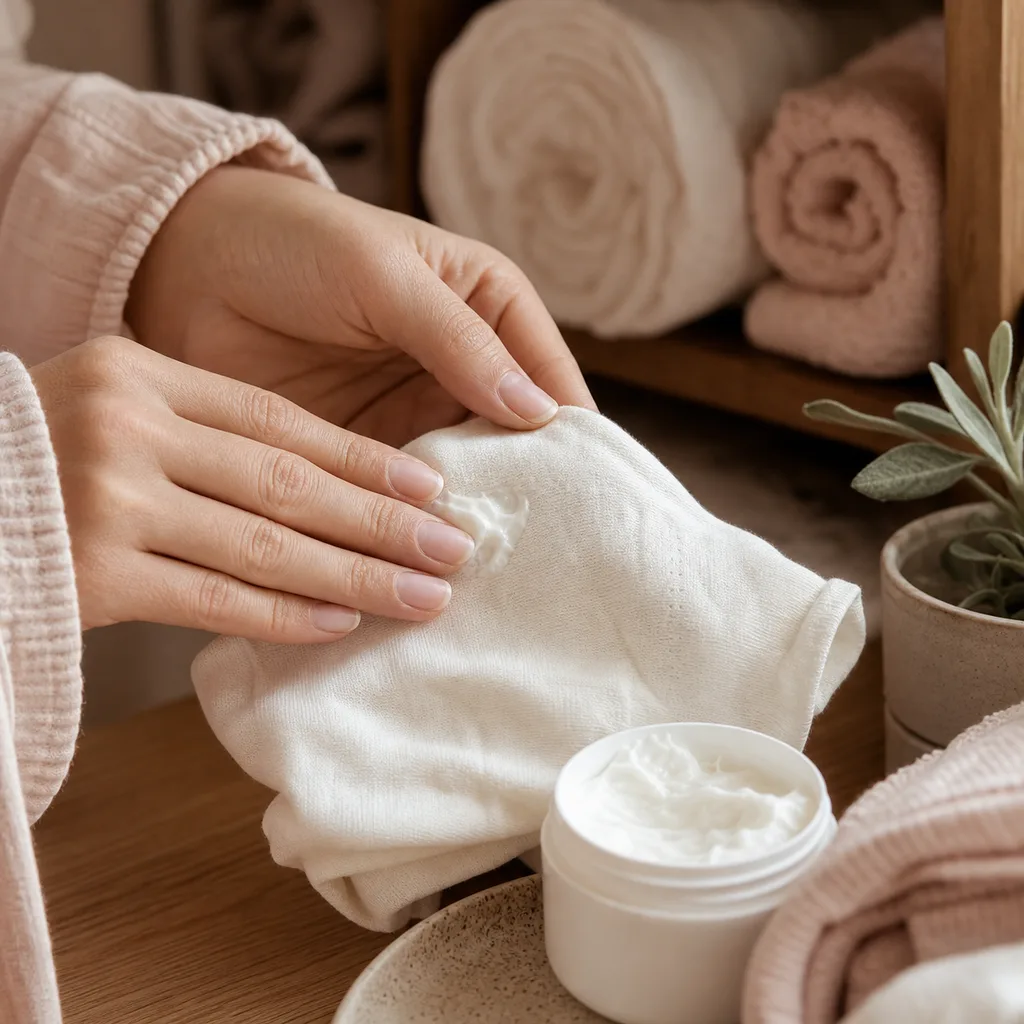
The doctor usually prescribes nystatin oral suspension (Mycostatin). It's applied with a sterile gauze pad or clean finger to the white patches in the mouth, four times daily.
How to give nystatin:
- Wash your hands thoroughly
- Drip nystatin onto a sterile gauze pad or clean finger
- Gently dab over the white patches, tongue, cheeks, palate
- Give the medicine after feeding (not before)
- Continue for two days after symptoms are gone
For mother (if breastfeeding)
The doctor may prescribe antifungal cream for the nipples (miconazole or nystatin). Apply after feeding and wipe off before the next feeding.
Continue breastfeeding during treatment. Thrush is no reason to stop. Breast milk gives the baby antibodies that help fight the infection.
Treatment of diaper rash
If the baby has a yeast rash in the diaper area, the doctor may prescribe antifungal cream (nystatin or miconazole). Change diapers frequently and let the skin air dry as much as possible.
Prevention
You can't always prevent thrush, but some measures reduce the risk.
Good habits:
- Sterilize pacifiers and bottle nipples, boil for five minutes daily
- Wash your hands thoroughly before feeding and diaper changes
- Air-dry nipples after breastfeeding. Candida thrives in moisture
- Change nursing pads often, damp pads are a breeding ground for yeast
- Wash teethers and objects the baby puts in their mouth regularly
- Avoid sharing pacifiers or "cleaning" a pacifier with your own mouth
Thrush is not a sign of poor hygiene. It's a very common infection in babies with immature immune systems. Don't blame yourself.
When should you contact a doctor?
Thrush requires medical treatment. Contact your pediatrician if you suspect thrush.
See a doctor if:
- Baby has white patches that don't go away on their own
- Baby is fussy during feeding and you suspect thrush
- Treatment doesn't work after seven to ten days
- Thrush keeps coming back repeatedly
- Baby has a fever in addition (may indicate another infection)
- You as a nursing mother have breast pain that doesn't improve
For premature babies or babies with immune deficiencies, thrush should always be evaluated promptly by a doctor. In these babies, the infection can become more serious.
Frequently asked questions
Is thrush contagious?
Yes, but Candida already exists in most people. Thrush primarily spreads between nursing mother and baby. Healthy family members don't need to worry about transmission.
Can thrush go away on its own?
Mild thrush may resolve without treatment, but treatment is recommended to avoid worsening and spread to the breast. Untreated thrush can make the baby fussy and cause feeding problems.
How long does treatment take to work?
Most see improvement after two to three days. Continue treatment for the full prescribed period (usually seven to fourteen days) to prevent relapse.
Can the baby get thrush from a pacifier?
A pacifier itself doesn't cause thrush, but a contaminated pacifier can transfer yeast to the mouth. Sterilize pacifiers daily and replace them after a thrush episode.
Should I stop breastfeeding if baby has thrush?
No. Continue breastfeeding, but make sure both you and baby are treated simultaneously. Breast milk contains antibodies that protect the baby.
Sources
🔧 Helpful Tools
- Baby Milestones Tracker. Track your baby's developmental milestones
- All Baby Tools. Browse all free tools for pregnancy and baby care