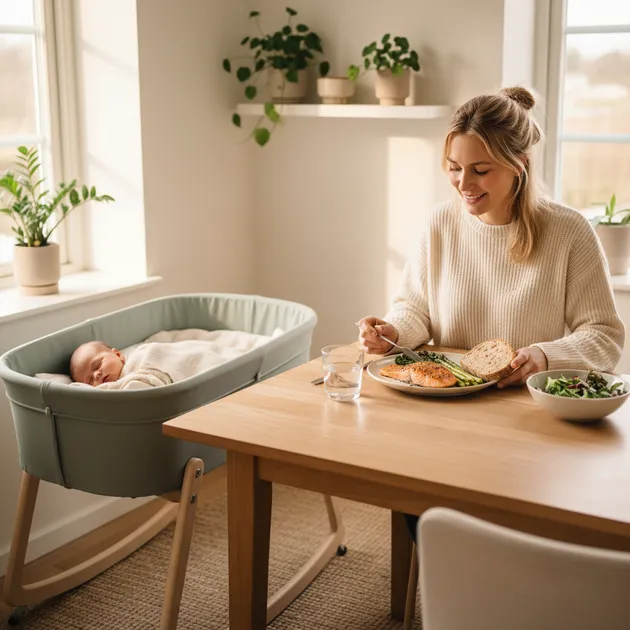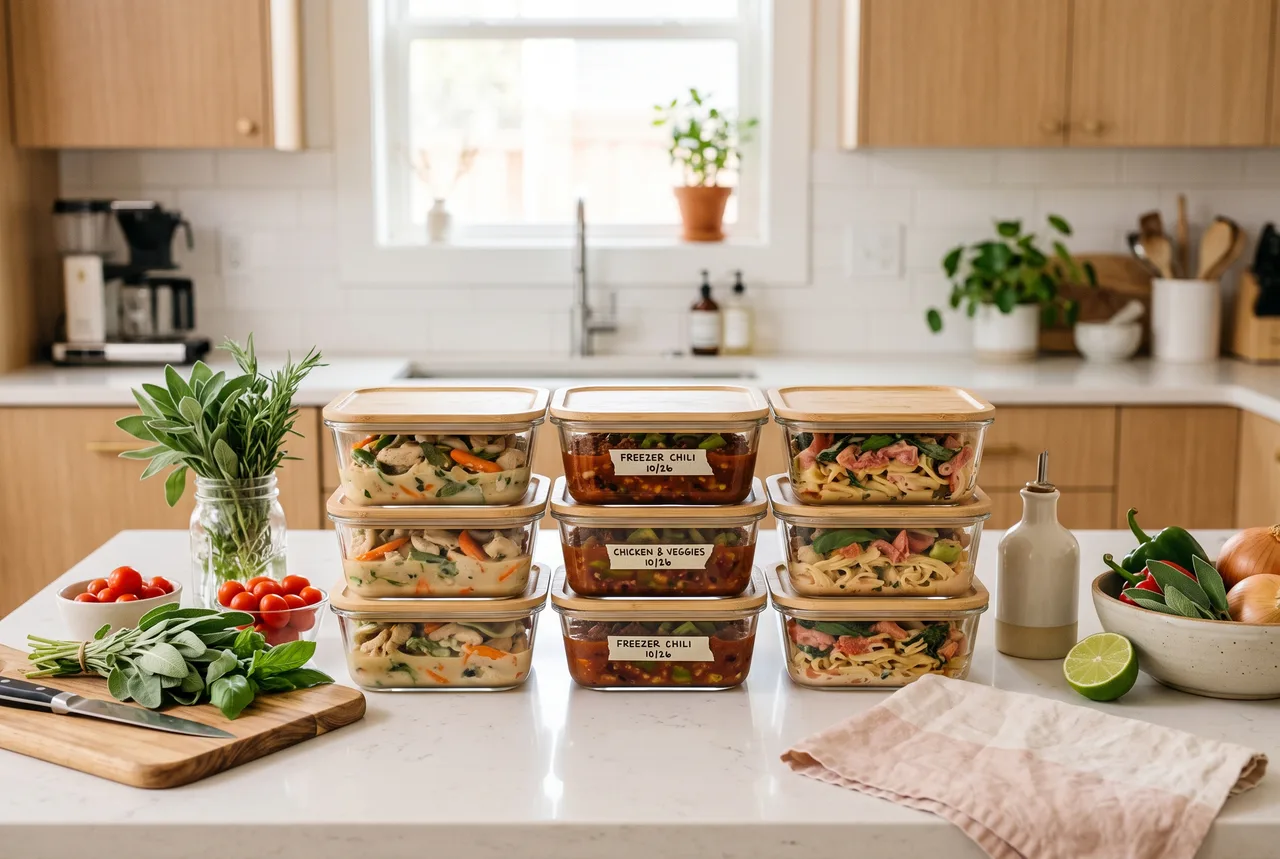
At 2 a.m., a labeled container that goes from freezer to bowl can feel like a gift from your past self. These freezer meals for new moms are built for postpartum reality: familiar ingredients, one-step reheating, balanced components, and portions that do not require a full family dinner.
Make 8 to 12 dinner portions and 6 to 10 breakfast portions over several short sessions. Prioritize meals with protein, fiber-rich carbohydrates, vegetables, and enough sauce to reheat well.
Key Takeaways
- Start small: Five dependable recipes beat a packed freezer of unfamiliar food.
- Freeze in useful portions: Mix individual servings with two-person or family containers.
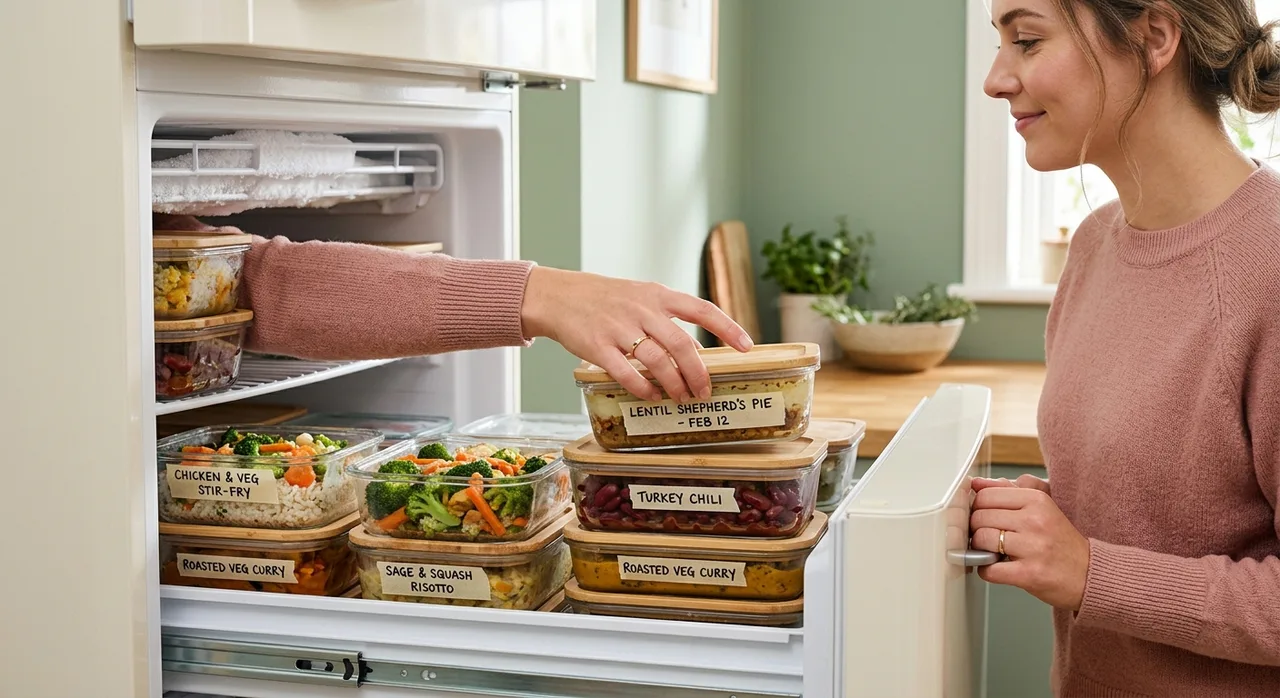
- Label everything: Add the meal, date, allergens, and reheating instructions.
- Cool and thaw safely: Refrigerate cooked food promptly and thaw it in the refrigerator, cold water, or microwave.
- Skip miracle-food claims: No single ingredient guarantees recovery or milk supply.
A realistic postpartum freezer plan
| Prep window | Task | Approximate time |
|---|---|---|
| 4-6 weeks before due date | Inventory freezer and buy labels | 20 minutes |
| Session 1 | Lentil soup and turkey chili | 75 minutes |
| Session 2 | Breakfast burritos | 45 minutes |
| Session 3 | Chicken and rice casserole | 60 minutes |
| Session 4 | Coconut chickpea curry | 40 minutes |
Use the due date calculator to estimate how many weekends remain, then leave your final week free. If you are already caring for a newborn, make one double batch or ask a friend to cook from this page.
What makes freezer meals for new moms useful?
Postpartum food needs to pass a practical test. Can someone reheat it while holding a baby? Can it be eaten from a bowl? Does it include enough substance to count as a meal? Does the label warn about allergens?
A balanced meal might combine beans, eggs, poultry, fish, tofu, or dairy with whole grains or potatoes and vegetables. The exact combination matters less than choosing foods the recovering parent tolerates and enjoys.
The postpartum nutrition guide explains the broader role of protein, iron, fiber, and fluids. If blood loss, anemia, diabetes, high blood pressure, kidney disease, severe nausea, or an eating disorder affects nutrition, ask the medical team for individualized guidance.
How many meals do you need?
Begin with 8 to 12 dinner portions and 6 to 10 breakfasts. That can cover several difficult days without assuming the freezer must feed everyone for a month.
Mix container sizes. Individual portions are useful when caregivers eat at different times. Two-person portions work for a parent and support person, while a family-size pan helps households with older children.
Leave some empty freezer space for breast milk, groceries, ice packs, or meals brought after birth. A tightly packed freezer can also make it harder to see and use what is already there.
The five-meal starter shopping list
This list supports the recipes below, with room to adapt for allergies, culture, budget, and household size.
Protein and pantry
- Brown or green lentils
- Canned chickpeas, black beans, and tomatoes
- Ground turkey, chicken, or a plant-based substitute
- Eggs and shredded cheese, if used
- Brown rice or another sturdy grain
- Coconut milk
- Low-sodium stock
- Whole-grain tortillas
Produce and flavor
- Onions, carrots, celery, bell peppers, and spinach
- Sweet potatoes or white potatoes
- Garlic and fresh ginger
- Lemons or limes
- Mild chili powder, cumin, paprika, oregano, and curry powder
Freezer supplies
- Freezer-safe containers or bags
- Masking tape or freezer labels
- Permanent marker
- A tray for freezing bags flat
Check what you own before shopping. Frozen vegetables and canned beans reduce chopping and are nutritionally useful. Low-sodium ingredients let the eater season to taste.
Recipe 1: red lentil and vegetable soup
This soft, spoonable soup reheats evenly and works for lunch or dinner. Lentils supply protein and fiber, while carrots, tomatoes, and spinach add color and variety.
Ingredients
- 2 tablespoons olive oil
- 1 diced onion and 2 diced carrots
- 2 minced garlic cloves
- 2 cups rinsed red lentils
- 1 can diced tomatoes
- 6 cups low-sodium stock or water
- 1 teaspoon cumin and 1 teaspoon paprika
- 3 cups spinach
- Lemon juice to finish
Method
Cook the onion and carrots in oil until softened. Add garlic and spices for one minute, then add lentils, tomatoes, and stock. Simmer for about 25 minutes, stir in spinach, and season after tasting.
Cool promptly in shallow containers. Freeze in one- or two-person portions, leaving expansion space. Thaw overnight in the refrigerator and reheat until steaming throughout, adding water if the soup has thickened.
Recipe 2: mild turkey and black bean chili
Chili stays moist in the freezer and can be served with rice, toast, baked potato, or avocado. Replace turkey with extra beans or crumbled tofu for a meat-free version.
Brown 1 pound of ground turkey with a diced onion and bell pepper. Add two cans of black beans, two cans of tomatoes, 1 cup of stock, cumin, paprika, oregano, and mild chili powder. Simmer for 25 to 30 minutes.
Freeze without delicate toppings. Write “add yogurt, cheese, lime, or cilantro after reheating” on the label. Keep spice moderate when gifting unless you know the recipient's preference.
Recipe 3: chicken, broccoli, and brown rice bake
Cooked rice can dry out after freezing, so this casserole uses a light sauce. Combine 4 cups cooked brown rice, 3 cups cooked chopped chicken, 3 cups lightly steamed broccoli, and 2 cups of a simple cheese or dairy-free white sauce.
Spread the mixture in a freezer-safe pan and cool it before covering. Freeze before the final bake. Thaw in the refrigerator, then bake according to your tested recipe until the center is steaming hot.
Rice dishes require careful cooling. Divide large batches into shallow containers rather than leaving a deep pot at room temperature. Follow the FDA's food safety guidance for chilling, thawing, and reheating.
Recipe 4: spinach and egg breakfast burritos
Breakfast is easy to forget when the morning begins with feeds, medications, or an early appointment. Burritos can be reheated one at a time and eaten with one hand.
Scramble 10 eggs with 2 cups of chopped spinach and a diced bell pepper. Cool the mixture, then divide it among 10 whole-grain tortillas with a small amount of cheese and cooked black beans. Fold tightly and wrap each burrito for freezing.
Thaw overnight or use a microwave-safe defrost method. Remove foil before microwaving. Reheat until the filling is steaming, then let it stand briefly so the center temperature evens out.
Recipe 5: coconut chickpea and sweet potato curry
This mild curry is naturally saucy and adapts well to common dietary needs. Sauté onion, garlic, and ginger, then add cubed sweet potato, two cans of chickpeas, one can of coconut milk, one can of tomatoes, curry powder, and enough water to simmer.
Cook until the sweet potato is tender, then add spinach. Freeze the curry separately from rice for better texture and flexible portions. Add lime after reheating.
If coconut, legumes, or spices do not suit the household, swap this for a familiar stew. The most helpful meal is one the parent can comfortably eat.
Safe freezing, thawing, and reheating
Food safety deserves a written system because sleep deprivation makes dates hard to remember. The FDA advises refrigerating perishable food promptly and using safe thawing methods rather than leaving meals on the counter.
Cool food efficiently
Divide soups, chili, rice, and casseroles into shallow containers. Let excess steam escape briefly, then refrigerate promptly instead of waiting hours for a large pot to cool. Once chilled, transfer the labeled portions to the freezer.
Keep raw meat preparation separate from cooked food and ready-to-eat produce. Wash hands, utensils, boards, and counters after contact with raw meat or eggs.
Label for a tired person
Write the meal name, freeze date, allergens, portion count, and exact reheating method. “Bake 35 minutes” is incomplete if it does not say whether the meal must be thawed first or what temperature to use.
Use the oldest meals first. If a package is unsealed, smells unusual after thawing, or has been stored outside safe temperatures, discard it rather than asking a postpartum parent to judge the risk.
Thaw safely
Thaw meals in the refrigerator, in cold water with appropriate packaging and frequent water changes, or in the microwave when cooking immediately afterward. Do not thaw a casserole or meat dish overnight on the kitchen counter.
Reheat until the food is steaming hot throughout. Stir soups and microwave meals to remove cold spots, then allow a brief standing time. Follow the original recipe and appliance guidance for exact times and temperatures.
What does not freeze well?
Leafy salads, crisp cucumbers, fried coatings, and uncooked high-water vegetables usually lose their texture. Cream sauces can split, although a starch-thickened sauce may fare better. Potatoes sometimes become grainy depending on the variety and recipe.
Freeze the sturdy base and add fresh elements later. Store crunchy toppings, herbs, yogurt, avocado, and citrus separately. Under-cook pasta slightly if it will finish cooking during reheating.
Test one portion before making a triple batch. A recipe your household loves fresh may not survive freezing in the same form.
If you plan to breastfeed
The CDC and NHS support a varied diet during breastfeeding rather than a routine list of forbidden foods. Most parents do not need to avoid common allergens unless they have their own allergy or a clinician identifies a specific concern.
Keep water accessible and eat regularly enough to support your energy. The breastfeeding nutrition guide covers dietary patterns, caffeine, and situations that warrant professional advice.
Oats, brewer's yeast, fenugreek, cookies, and teas are often marketed as milk-supply boosters. No single food reliably guarantees supply. Frequent effective milk removal and skilled feeding support are more important, and some herbs can cause side effects or interact with medication.
Contact a pediatrician and qualified lactation professional for concerns about diaper output, weight gain, pain, latch, or supply. Food can support a person, but it cannot solve every feeding problem.
How to give a freezer meal to a new parent
Ask before cooking. Confirm allergies, religious or cultural preferences, vegetarian needs, spice tolerance, freezer space, and whether the household has an oven or microwave.
Use a container that does not need to be returned. Include the full ingredient list, freeze date, and reheating instructions. Deliver at a specific agreed time and avoid turning drop-off into an unplanned visit.
Consider breakfast, snacks, or a grocery card if the family already has dinners. Add cut fruit, muffins, soup, or washed produce only if you can transport and store it safely.
The most valuable line may be: “No need to answer the door; I will leave it in the cooler at 5.” Practical care protects rest.
Frequently asked questions
What are the best freezer meals for new moms?
Choose complete meals that reheat evenly, such as lentil soup, turkey chili, chicken and rice casserole, breakfast burritos, and mild coconut chickpea curry.
How many freezer meals should I make before baby arrives?
Start with 8 to 12 dinner portions plus a few breakfasts. That amount creates breathing room without overfilling the freezer or assuming every postpartum day will look the same.
How far ahead can I prepare postpartum freezer meals?
A four- to six-week head start works well for most cooked meals. Freeze food promptly, label it, follow recipe-specific storage guidance, and use the oldest meals first.
Are there foods that increase breast milk supply?
No single food is proven to guarantee milk supply. Regular milk removal, skilled feeding support, adequate food, and hydration are more useful than relying on lactation cookies or herbs.
Your first prep session
Choose one soup and one breakfast recipe, add the ingredients to the Babysential checklists tool, and schedule a 60-minute cooking block. Four labeled dinner portions and six burritos are already meaningful support for the first week home.
This article is for informational purposes only and does not replace medical or nutrition advice. Ask your healthcare professional for guidance after significant blood loss, anemia, a medical condition, feeding concerns, or dietary restriction.
Sources:
- FDA: Food Safety at Home
- CDC: Maternal Diet and Breastfeeding
- NHS: Breastfeeding and diet
- Mayo Clinic: Breastfeeding nutrition
Prepared by the Babysential Team using authority-source review, food-safety checks, editorial judgment, and automation-assisted research. It gives tired households a usable meal system rather than a perfect-prep standard.