Being germ smart doesn't mean raising your baby in a sterile bubble, it means knowing which hygiene habits actually protect against illness, which exposures build healthy immunity, and when to act fast. The right balance of cleanliness and exposure helps babies develop resilient immune systems while staying safe from genuinely dangerous pathogens in their most vulnerable months.
Key Takeaways
- Handwashing with soap for 20+ seconds is the most effective single hygiene habit for the whole family.
- Newborns (0–3 months) need stricter germ avoidance than older infants; their immune systems are not yet mature.
- Daycare attendance causes more frequent early illnesses but builds long-term immune resilience.
- Surface cleaning priorities: change tables, shared toys, and high-touch zones beat obsessive full-room sterilization.
- Know the "stay home" criteria, fever, active vomiting, or contagious rash, before sending a sick child to daycare or a playdate.
- Hand sanitizer (60%+ alcohol) is a reasonable backup when soap and water aren't available, but not a permanent replacement.
The Handwashing Foundation
No product, supplement, or gadget replaces proper handwashing. The CDC's guidance is clear: 20 seconds with soap and water, covering backs of hands, between fingers, and under nails. For parents and caregivers, the critical handwashing moments are:
- Before handling baby, especially after commuting, handling mail, or touching shared surfaces
- After diaper changes, every single time, even with gloves
- Before preparing bottles or food, formula prep hygiene directly prevents E. coli and Salmonella exposure
- After blowing your nose or coughing, respiratory viruses transfer from hands to baby's mucous membranes within minutes
- After handling pets, dogs and cats carry zoonotic bacteria that newborns can't fight off effectively
The AAP specifically highlights that caregivers who visit newborns should wash hands immediately upon arrival, before holding the baby. This is not an overreaction; it is the recommendation of every major pediatric authority.
When soap and water aren't accessible, an alcohol-based hand sanitizer with at least 60% alcohol concentration is an effective substitute. However, it does not eliminate all germs (notably C. difficile spores), so soap and water remains the gold standard for diaper-change hygiene.
Surface Cleaning Priorities. What Actually Matters
Parents often feel pressure to disinfect every surface in the home. This is both exhausting and unnecessary. A germ-smart approach prioritizes high-risk contact zones:
Highest priority (daily cleaning):
- Diaper change surface, use a disposable liner or disinfect with a baby-safe cleaner after each change
- Nursing pillow covers, breast milk residue breeds bacteria; wash weekly or more often if visibly soiled
- Pacifiers, if dropped on floor, rinse with clean water; do not "clean" by sucking it yourself (parent oral flora transfer is a real infection vector)
- Bottle nipples, sterilize daily for the first 3 months; thereafter, thorough dishwasher or hot water washing is sufficient per AAP guidance
Medium priority (weekly or when visibly dirty):
- Soft toys and blankets, machine wash on warm
- Doorknobs, light switches, and remote controls, shared household surfaces carry rhinovirus for hours
- Baby carrier straps, sweat and spit-up create bacterial films over time
Lower priority (occasional, not obsessive):
- Full-room floor mopping (unless baby is actively crawling)
- Sterilizing older infant bottles (3+ months, immune system more competent)
- Wipe-down of walls and baseboards
The Mayo Clinic notes that exposure to a reasonable variety of environmental germs actually trains the immune system. Over-disinfection has been associated with disrupted microbiome development in young children. The goal is targeted hygiene, not sterility.
Daycare, Playdates, and Building Immunity
Starting daycare is often the first major "germ exposure" event in a baby's life. Expect an initial increase in minor illnesses, this is normal and, in the long run, beneficial. Research consistently shows that children who attend group childcare early in life experience fewer allergies, asthma episodes, and serious infections later in childhood.
Practical germ-smart strategies for daycare:
- Verify facility hygiene practices. A good center should have documented handwashing policies for staff, routine toy sanitization schedules, and clear sick-child exclusion criteria.
- Communicate with your provider. Ask about outbreak notifications, if three children had hand-foot-mouth disease last week, you need to know.
- Send your child with labeled personal items. Shared cups, utensils, and comforters are common transmission vectors. Label everything and bring extras to avoid cross-use.
- Don't rush back after illness. The AAP recommends keeping children home until they have been fever-free for 24 hours without fever-reducing medication, not just until they "seem better."
For playdates with younger infants (under 3 months), the calculus is stricter. Request that visiting children and adults are up to date on Tdap, flu, and COVID vaccinations if your baby is not yet eligible for them. This is called "cocooning", building a protected ring of immunity around the most vulnerable.
When to Keep Your Baby Home
Knowing when not to send your child to daycare or out in public is one of the most practically important germ-smart skills a parent can develop. Clear criteria reduce the guesswork:
Keep baby home if:
- Fever: 100.4°F (38°C) or higher in infants under 3 months (always warrants a call to the pediatrician); 101°F+ in older infants
- Active vomiting or diarrhea, two or more loose stools in 24 hours beyond baseline
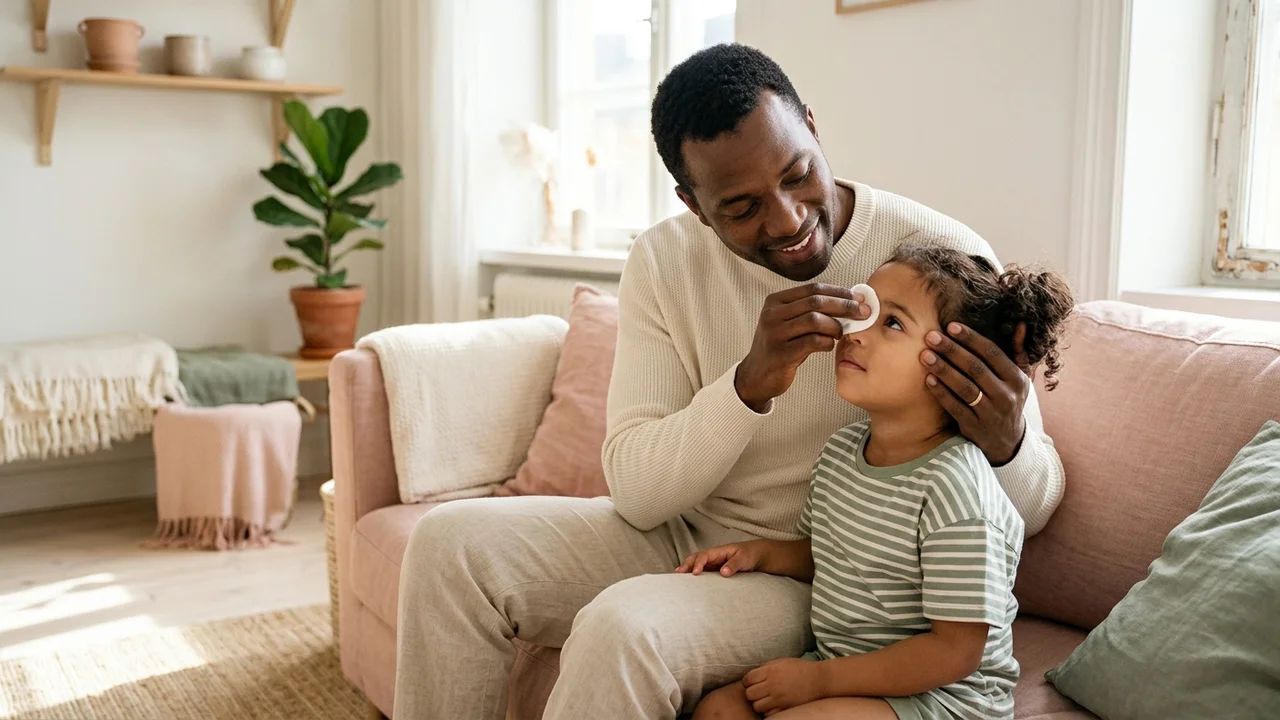
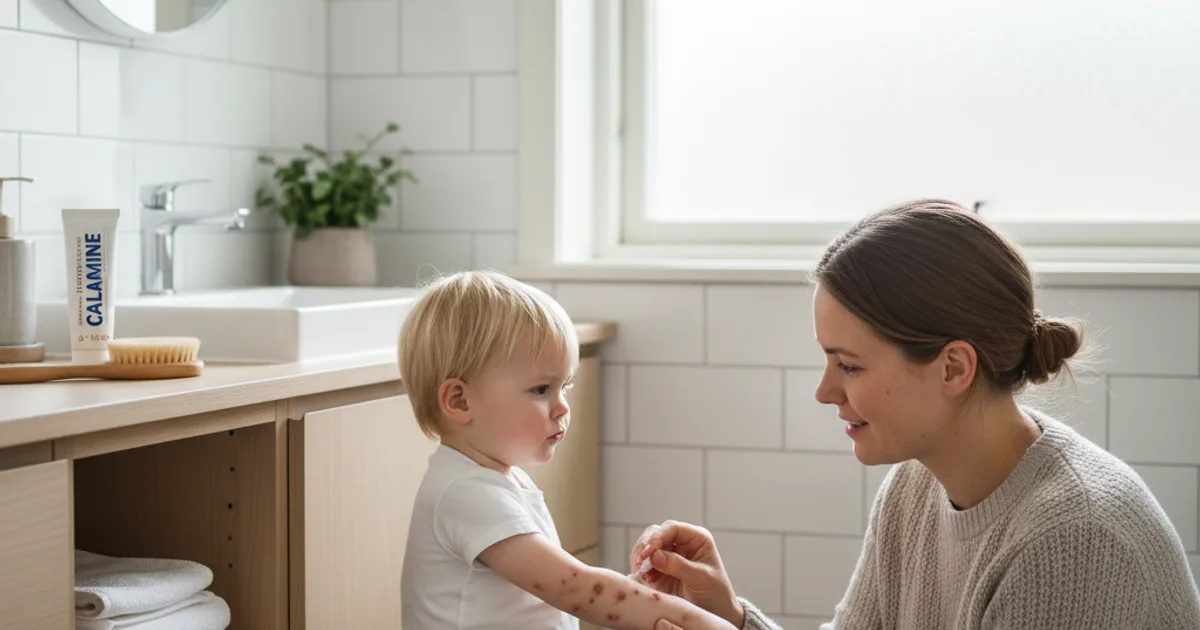
- Diagnosed contagious illness: strep throat (first 24 hours of antibiotics), pink eye (first 24 hours), hand-foot-mouth (while blisters are weeping), chickenpox (until fully scabbed)
- Unexplained rash, until a provider rules out contagious cause
Baby can likely attend with:
- Clear runny nose only, no fever, otherwise acting normally (the common cold is not an exclusion per most daycare policies)
- Post-illness recovery day, no fever for 24+ hours, eating and drinking normally, enough energy to participate
The AAP's online resource HealthyChildren.org maintains a detailed illness exclusion guide that parents can bookmark for quick reference.
Newborn-Specific Precautions (0–3 Months)
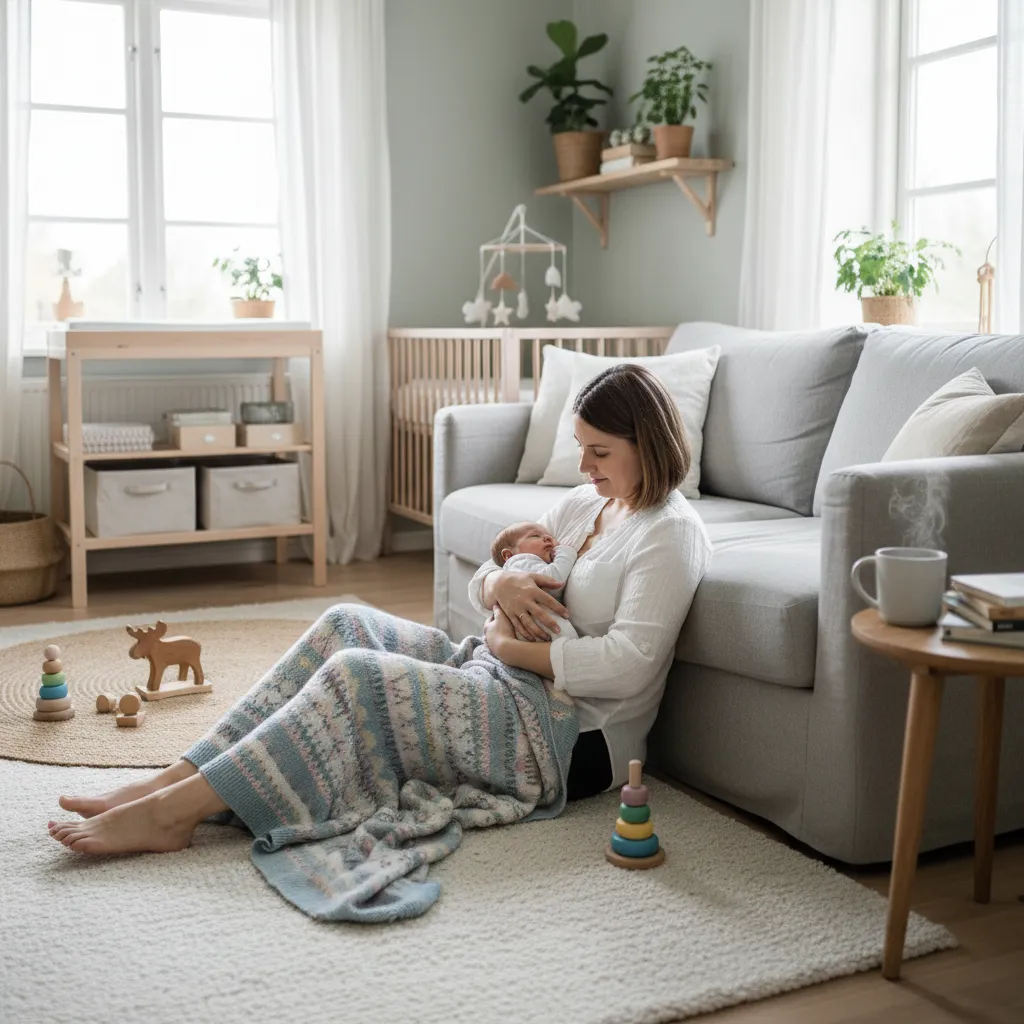
The first 12 weeks require the highest vigilance. A newborn's immune system has not yet mounted its own antibody response to most pathogens, and maternal antibodies passed through the placenta are waning. This is why pediatricians emphasize strict visitor hygiene protocols, not anxiety, but evidence-based protection.
Newborn-specific rules:
- No kissing near the face or hands. Herpes simplex virus (HSV-1) can be transmitted via cold sores; neonatal HSV is rare but life-threatening.
- Limit crowd exposure. High-traffic public spaces (malls, public transit during sick season) carry unnecessary risk in the first 8 weeks.
- Everyone holds, everyone washes first. Make it a household norm, not an awkward ask.
- Watch for fever as an emergency. A temperature of 100.4°F or above in a baby under 8 weeks is a medical emergency, go to the ER, do not wait for a morning appointment.
🔧 Helpful Tools
These free Babysential tools can support your family's health routines:
- Milestones Tracker. Monitor developmental progress alongside health check-in notes; useful for spotting patterns in illness timing and growth.
- Checklists. Create a personalized baby-care hygiene checklist (visitor handwashing, daycare prep, diaper station restocking) so nothing slips.
- Development Leaps. Understand developmental leap windows when baby's immune system is under additional stress and illness risk may be elevated.
- Smart Start. Personalized guidance for the newborn period, including early hygiene routines and what to expect in the first weeks.
Sources
- American Academy of Pediatrics. How to Prevent Infections: https://www.healthychildren.org/English/health-issues/conditions/prevention/Pages/Hand-Washing-A-Powerful-Antidote-to-Illness.aspx
- Centers for Disease Control and Prevention. When and How to Wash Your Hands: https://www.cdc.gov/handwashing/when-how-handwashing.html
- Mayo Clinic. Germs: Understand and protect against bacteria, viruses and infection: https://www.mayoclinic.org/healthy-lifestyle/infant-and-toddler-health/in-depth/germs/art-20044098
Disclaimer: This article is for informational purposes only and is not a substitute for professional medical advice, diagnosis, or treatment. Always consult your pediatrician or a qualified healthcare provider with questions about your baby's health.